

The San Francisco Pastry That Sells Out by 10 a.m.
Tartine Bakery opened at 600 Guerrero Street in San Francisco’s Mission District in 2002. Chad Robertson and Elisabeth Prueitt had spent years learning bread and pastry in France and New York before settling in the Mission. Within a few years, Tartine had a reputation that extended far beyond the neighborhood — Robertson’s country bread loaf became the subject of a book, a documentary, and a kind of pilgrimage for bakers and food writers from around the world.
The morning bun is not in any documentary. It is not the most technically ambitious thing the bakery makes. But it is the thing people come back for, specifically on weekends, specifically early. Tartine sells the morning bun on Saturday and Sunday only. They go on sale when the doors open, usually around 8 a.m. They are often gone by 10. People who have moved away from San Francisco will eat one the morning they fly in, before they do anything else.
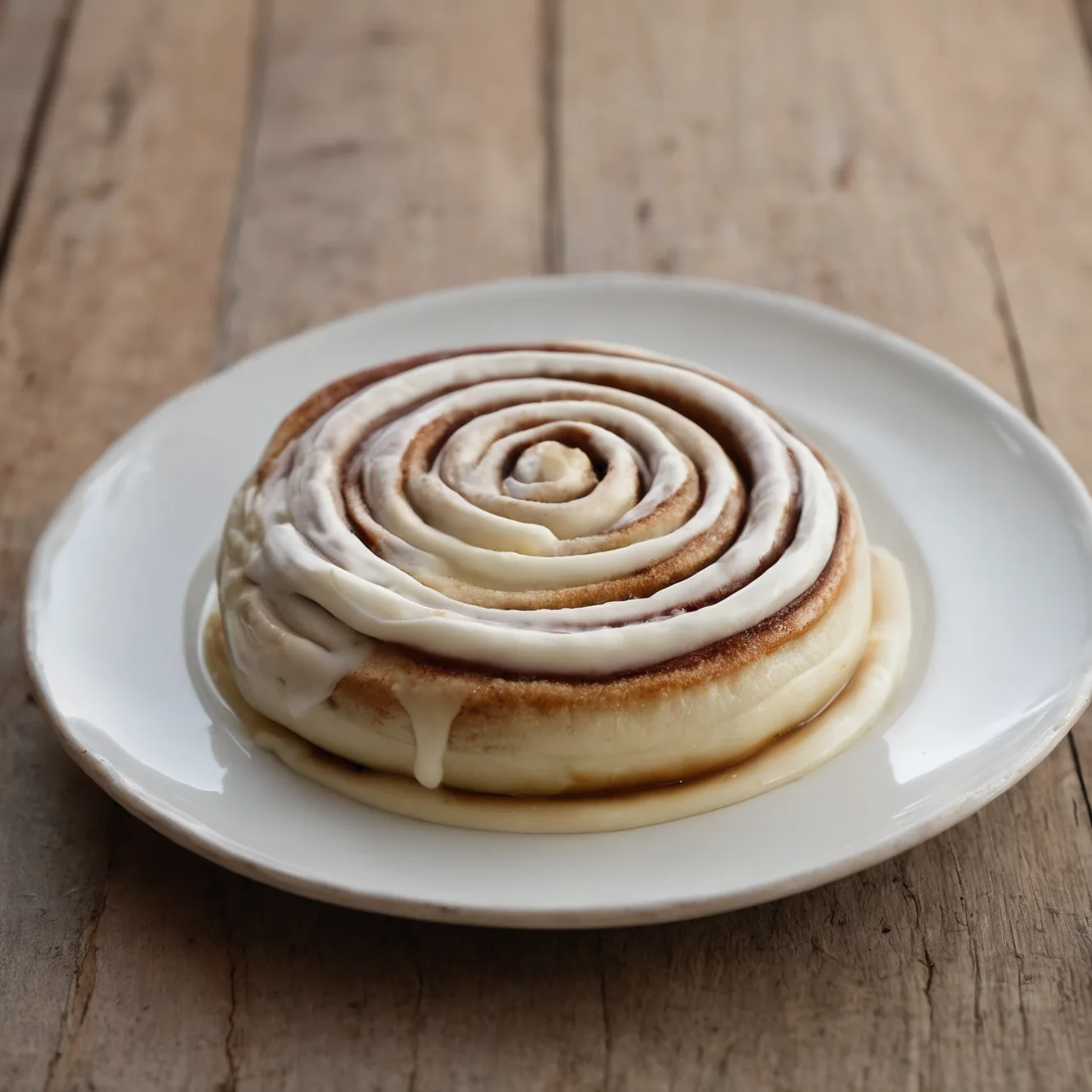
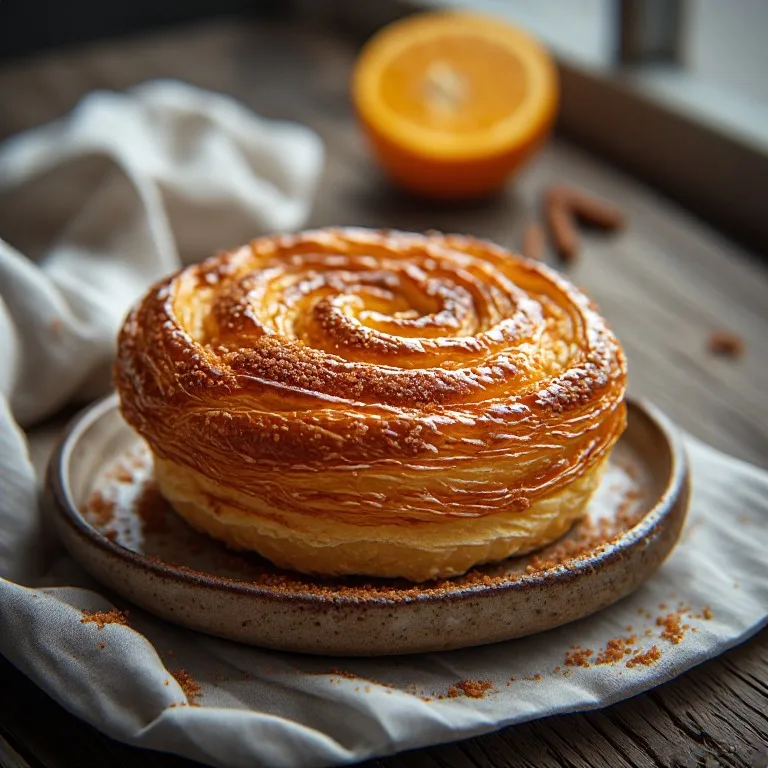
The bun looks like a muffin-shaped cinnamon roll — a tight spiral of pastry dusted in cinnamon sugar, with orange flecks visible on the surface. Eating one explains the reputation. The exterior has a thin, crackly, almost caramelized shell of orange-cinnamon sugar. Inside, the dough is layered and flaky, with distinct sheets that pull apart, and a faintly tangy, complex flavor from the overnight fermentation. The orange runs through everything — it is in the dough, in the filling, in the coating. This is not a cinnamon roll with orange glaze. The orange is structural.
This recipe makes twelve. It takes two days, but most of that time is the dough resting in the refrigerator. The active work is less than two hours total.
Three Mistakes That Ruin the Morning Bun at Home
Not sugaring the muffin tin. Most copycat recipes tell you to butter the tin. That is correct but incomplete. After buttering each cup, you must swirl a teaspoon of granulated sugar around the bottom and sides. That sugar layer caramelizes against the hot pan during baking, creating the sticky, caramelized bottom that is one of the defining features of a Tartine morning bun — and the main thing that makes it taste like something you pulled from a bakery case rather than a home oven. Without the sugared tin, you get a pale, soft bottom with none of that characteristic sticky sweetness. The buttered and sugared surface also helps with the immediate release: the caramel holds until you invert the pan, then releases cleanly.
Not releasing immediately from the tin. This is the step most people get wrong — they pull the buns from the oven and let them sit in the pan for a few minutes before turning them out. The caramelized sugar in the tin is still liquid when the buns come out of the oven. Within sixty seconds, it cools and seizes into a hard candy bond between the bun and the metal. If you let them sit two minutes, you will spend the next ten minutes prying them out in pieces. The moment the buns come out of the oven, invert the pan onto a parchment-lined baking sheet or cutting board. They should release immediately with a pull. If one sticks, run a butter knife around the edge quickly.
Skipping fresh orange zest, or using orange extract. Orange extract is a single aromatic compound. Fresh orange zest contains dozens of essential oils that together produce a true orange fragrance — bright, floral, slightly bitter, with warmth that extract never matches. Tartine uses zest in the filling and in the exterior coating — two separate applications that build a layered orange character through the entire pastry. Use a microplane grater. Zest only the colored part — the white pith underneath is bitter. Two oranges for the filling, one for the coating. Use fresh zest immediately; it loses volatile oils quickly once grated.
The Lamination Step: What You Are Actually Doing
Lamination is the process of folding cold butter into dough through a series of precise roll-and-fold steps. Each fold multiplies the number of dough-and-butter layers. After three letter folds, the dough contains dozens of alternating layers of dough and butter. In the oven, the water in each butter layer turns to steam, prying the layers apart and creating the characteristic flaky, honeycomb interior.
The butter must stay cold throughout. Warm butter merges into the dough rather than staying as a distinct sheet. If the dough feels greasy or soft during lamination, stop, wrap it up, and refrigerate for twenty minutes before continuing. Working in a cool kitchen — or on a cold marble surface — helps significantly. The whole process takes about ninety minutes of active work broken into four thirty-minute sessions, each followed by a refrigerator rest.
If the butter shatters into chunks during the first fold, it is too cold. Let it warm two more minutes and try again. The right temperature is pliable but not greasy — the butter should bend like soft clay, not snap.
Why This Specific Wheat Blend Matters
The recipe uses mostly bread flour with a small amount of whole wheat. Bread flour has a higher protein content than all-purpose flour, which builds a stronger gluten network that can hold up to the repeated rolling and folding without tearing. Whole wheat flour contributes bran particles that interrupt the gluten slightly, producing a more tender interior, and adds a faint earthiness that reads as complexity without being detectable as “whole wheat” in the finished bun. Chad Robertson uses this blend across most of his laminated pastry work. It is not required — all-purpose flour will work — but the texture difference is noticeable.