


Pin It

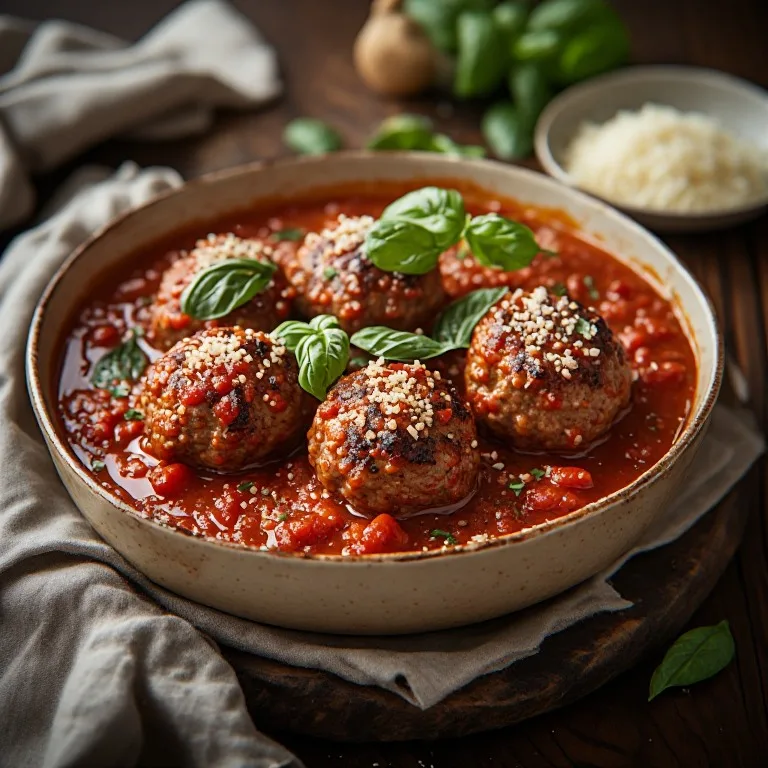
Frankies 457 Spuntino Meatballs (The Carroll Gardens Classic, Made at Home)

Frankies 457 Spuntino Meatballs (The Carroll Gardens Classic, Made at Home)
Jump to Recipe
Prep 20 min Cook 55 min Serves 6
Quick answer: Soak 4 slices of plain white bread in cold water for 1 minute, then wring them out completely until almost no water drips. Tear the wrung bread into tiny pieces. Combine with 2 pounds 90% lean ground beef, 3 minced garlic cloves, ¼ cup chopped flat-leaf parsley, ¼ cup grated Pecorino Romano, ¼ cup raisins, ¼ cup pine nuts, 1½ teaspoons fine sea salt, and 15 turns of white pepper. Add 4 large eggs. Mix gently with your hands until just combined — do not overwork. Add dried breadcrumbs last, ¼ cup at a time, until the mixture feels moist but holds its shape (not sloppy, not stiff). Shape into handball-sized balls, roughly ½ cup of meat each. Arrange on a parchment-lined baking sheet with space between them. Bake at 325°F for 25 to 30 minutes until firm and just cooked through. Transfer the baked meatballs to simmering tomato sauce. Braise over low heat for 30 to 40 minutes. Serve in the sauce with crusty bread and extra Pecorino grated over. Frankies 457 opened in Carroll Gardens in 2004 — the meatball recipe came from Frank Falcinelli's Naples-born, Brooklyn-raised friend Tony Durazzo, who taught him the pine nuts and raisins.

Shop the tools

Gear matched to this recipe. These are Amazon affiliate links — we may earn a small commission if you buy, at no extra cost to you.

As an Amazon Associate, Copycat Spices earns from qualifying purchases. Product images are generic illustrations, not the exact item listed.

Frankies 457 Spuntino Meatballs (The Carroll Gardens Classic, Made at Home)

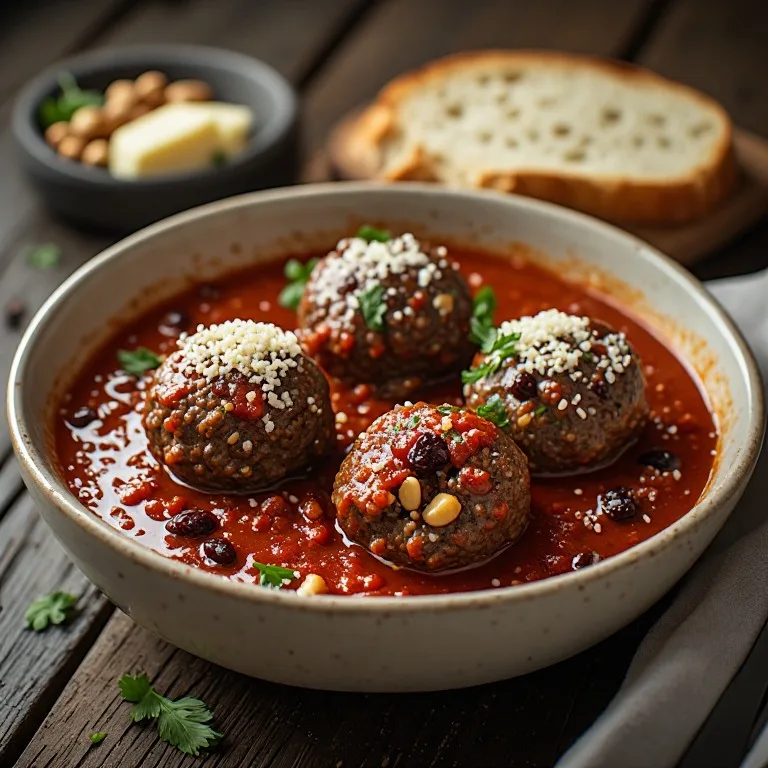
The famous Frankies 457 Spuntino meatballs from Carroll Gardens, Brooklyn, made at home: pure beef (no pork, no veal), wet bread wrung by hand, pine nuts and raisins from a Naples-born family recipe, Pecorino Romano, and a two-step cook — baked at 325°F then braised in tomato sauce until the sauce becomes the meatball.

Medium Prep: 20 min Cook: 55 min Total: 1h 15m6 servings ~$4.50/serving
Prep20 min
Cook55 min
Total1h 15m
Servings
6
At home~$4.50/serving
vs
Restaurant~$20.25/serving
You save ~78%

The Story Behind the Recipe

The famous Frankies 457 Spuntino meatballs from Carroll Gardens, Brooklyn, made at home: pure beef (no pork, no veal), wet bread wrung by hand, pine nuts and raisins from a Naples-born family recipe, Pecorino Romano, and a two-step cook — baked at 325°F then braised in tomato sauce until the sauce becomes the meatball.

Ingredients

  • Meatballs
  • For Braising

Instructions

💡
Pro tip: This recipe tastes even better the next day. The flavors need time to meld together in the fridge.
❄️
Storage: Keeps in an airtight container in the fridge for up to 2 weeks. Freezer-friendly for up to 3 months.
~100-200 cal/serving · Lighter Option🥗
🎃 Free Halloween cookbook — download now The Copycat Halloween Cookbook A ready-made, photo-illustrated PDF of our best halloween copycat recipes — free to download, no building required. Pay what you want to support if you love it.

Free PDF — instant download. We'll also send new seasonal copycat recipes now and then; unsubscribe anytime. Or just download it →

The Brooklyn Meatball That Breaks Every Rule

Most meatball recipes follow the same logic: blend beef, pork, and veal to cover the weaknesses of each. Rao’s does this. Most Italian-American cookbooks do this. The three-meat blend produces a meatball that is reliably rich, complex, and forgiving.

Frankies 457 Spuntino ignores all of that. Pure ground beef — no pork, no veal. Bread soaked in water, wrung by hand, and torn into pieces, not dried breadcrumbs. Pine nuts and raisins from a Naples-born, Brooklyn-raised friend named Tony Durazzo who taught the recipe to Frank Falcinelli. Baked at 325°F until just set, then braised in tomato sauce for thirty to forty minutes, until the meatball and the sauce stop being separate things.

Frankies opened on Court Street in Carroll Gardens in 2004. The cookbook — co-written with food writer Peter Meehan, who also worked on the Momofuku book — came out in 2010. The meatball recipe inside has been reproduced more times than any other dish in it. People make it once and then make it again, and then make it instead of whatever meatball recipe they used before.

This is that recipe.

Three Mistakes That Ruin This Dish

Not wringing the bread dry enough. The bread should be nearly rigid after wringing — not damp, not moist, nearly dry. When you squeeze a bread slice, liquid should come out in a stream at first and then trickle to almost nothing. Stop there. Under-wrung bread introduces excess water that the dried breadcrumbs cannot fully compensate for. The meatballs hold their shape on the baking sheet but break apart in the braising sauce, dissolving into the liquid rather than staying intact.

Skipping the raisins and pine nuts, or reducing them. Most home cooks see ¼ cup raisins in a savory recipe and get nervous. Do not reduce this quantity. The raisins and pine nuts are not a quirky accent — they are the structural point of difference between this meatball and every other Italian-American meatball you have eaten. Frank Falcinelli got this recipe from Tony Durazzo, whose Naples-born family carried these ingredients as a genuine culinary inheritance from southern Italy. At the full ¼ cup of each, neither ingredient announces itself loudly; you get a sweet note or a bite of nuttiness without knowing exactly why. Reduce either and you lose what makes the dish worth making instead of any other meatball recipe.

Pulling the meatballs from the sauce too soon. The bake finishes the meatball structurally. The braise finishes it in every other way. At 15 minutes of braising, you have a baked meatball sitting in warm sauce. At 30 to 40 minutes, the exterior has softened, the interior has pulled in some of the sauce’s acidity, and the raisins have plumped slightly into the surrounding meat. This is when it becomes the dish Frankies serves. Setting a timer for 20 minutes and calling it done means you cooked half the recipe.

The Wet Bread Technique

Classic Italian meatball binding uses either dry breadcrumbs or breadcrumbs soaked in milk — the standard approach. The Frankies technique is different: plain white bread soaked in cold water, then wrung out completely, then torn into small pieces by hand.

The distinction is functional. Dry breadcrumbs hydrate during cooking by drawing moisture out of the surrounding meat — useful for a fried meatball where the exterior crust seals in moisture, but drying for a baked meatball cooked at low heat where moisture escapes gradually. Wet bread that has been fully wrung contains water inside its cell structure that releases outward slowly during baking, gently steaming the interior. The result is a meatball that stays tender at 325°F without a protective fried crust.

The dried breadcrumbs added at the end do not replace the wet bread — they calibrate it. Add them last, a tablespoon at a time, until the meat mixture holds its shape without feeling loose or wet. Depending on how thoroughly you wrung the bread, you may need anywhere from ¼ cup to ½ cup.

Why All Beef?

The 90% lean specification is deliberate, not a health choice. Higher-fat ground beef (80/20) combined with no pork and no secondary fat source produces meatballs that render too much liquid during baking, pooling on the baking sheet and leaving the interior too loose to hold together in sauce. The leaner beef relies on the wet-bread moisture and the eggs for tenderness rather than fat.

For texture, this is a different meatball than the Rao’s version — cleaner, less rich upfront, with more of its character coming from what absorbs into it during braising rather than what is cooked into it by frying. Both approaches work. This one is designed for the sauce.

The Simple Tomato Sauce

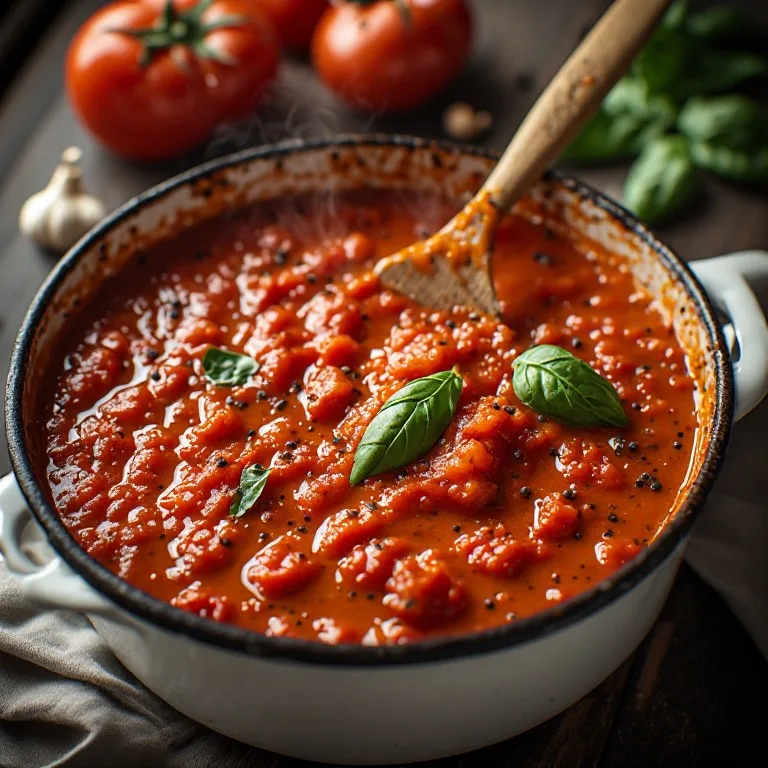
Frankies’s braising sauce is intentionally plain. Start with 28 ounces of good whole canned San Marzano tomatoes — crush them by hand in the pot. Add 3 tablespoons of olive oil, 2 smashed garlic cloves, a small pinch of red pepper flakes, and 1 teaspoon salt. Simmer for 20 to 25 minutes before adding the meatballs, so the sauce develops some body. Total ingredients: five. The meatball is the point; the sauce frames it.

A high-quality jarred marinara with a short ingredient list works as a shortcut. The sauce should be loose — thin enough that the meatballs braise rather than sit in a thick paste.

What to Serve With Them

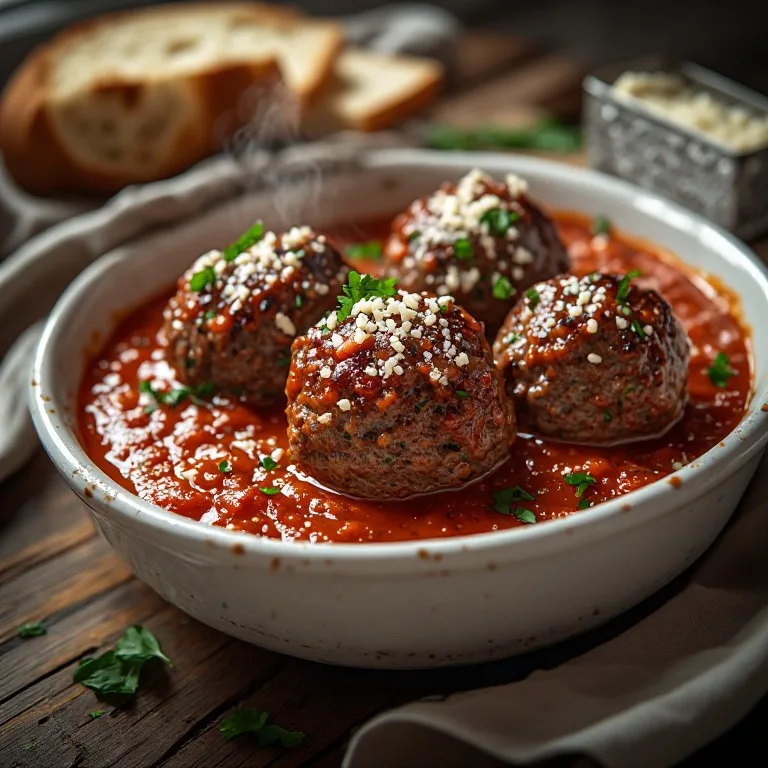
At Frankies, the meatballs arrive in shallow bowls with the sauce, Pecorino grated over the top, and a thick slice of crusty bread on the side. No pasta. The bread soaks the sauce; the sauce is the vehicle. This is the traditional Neapolitan way to eat Sunday meatballs — before the pasta course, not on top of spaghetti.

They are, of course, excellent over pasta. Use rigatoni or pappardelle, which hold the sauce in their ridges or folds. Toss the pasta with the braising sauce first, then place two or three meatballs on top. The meatballs stay whole — do not cut them into the pasta, which turns the dish into a different thing.

Make Ahead

The meatballs, baked and braised, keep refrigerated for up to four days and reheat well. The flavor improves overnight as the raisins and pine nuts continue to integrate into the surrounding meat. They also freeze well (up to two months) in the braising sauce — freeze in a container with sauce covering them so the exterior does not dry.

The raw shaped meatballs can be frozen on the baking sheet before baking (freeze until solid, then transfer to bags) and baked from frozen — add 8 to 10 minutes to the baking time.
Frequently Asked Questions

Why do Frankies 457 meatballs use all beef instead of the traditional beef, pork, and veal blend?

This is the most counterintuitive thing about the Frankies recipe. Traditional Italian-American meatballs — and famous versions like Rao's — use a beef-pork-veal blend for a specific reason: beef provides flavor, pork provides fat and sweetness, veal provides a fine-grained binder. Each meat corrects for a weakness in the others. Frankies uses 90% lean ground beef and nothing else. The wet-bread technique substitutes for pork fat — the soaked bread holds moisture through the bake in a way that keeps the all-beef meatball from going dry. Pecorino Romano, sharper and saltier than Parmesan, stands in for the complexity pork would add. The result is a cleaner, beefier meatball that absorbs tomato sauce differently — without pork fat creating a richer exterior, the meatball pulls in more of the sauce during braising. It is a different architectural choice, not a shortcut.

What is the point of soaking and wringing the bread rather than just using dry breadcrumbs?

The wet-bread technique is called a panade in classical cooking — bread soaked in liquid, then worked into ground meat before cooking. The mechanics: dry breadcrumbs absorb moisture from the meat itself as it cooks, drawing liquid outward and potentially drying the interior. Wet bread that has been fully wrung introduces moisture that is already inside the bread structure; during baking, that moisture steams outward gently, keeping the surrounding meat tender. The wringing step is not optional — under-wrung bread adds excess water that throws off the moisture balance and produces meatballs that hold their shape in the oven but disintegrate in the sauce. Squeeze until almost no liquid drips, then tear the bread into small pieces rather than crumbling it, which keeps some structure. The dried breadcrumbs added at the end are the adjustment valve — they tighten the mix if the bread was wetter than expected.

Are the raisins and pine nuts traditional or a gimmick?

Traditional — specifically, Sicilian-southern-Italian traditional, transplanted to Brooklyn. Sweet-savory combinations in meat dishes trace directly to Sicilian cooking, which picked up Arabic culinary influence during the Arab rule of Sicily (827 to 1072 CE). Pine nuts and raisins in meatballs, braciole, and stuffed vegetables appear throughout southern Italian cooking as a result. The Frankies recipe came from Frank Falcinelli's friend Tony Durazzo, who was Naples-born and Brooklyn-raised — the pine nut and raisin combination in his meatballs is a direct inheritance from that southern Italian tradition. At ¼ cup each for 2 pounds of meat, neither ingredient dominates. The raisins soften and plump slightly during braising; the pine nuts toast slightly from the oven and add intermittent texture. Together they prevent the meatball from tasting one-dimensional — there is always a sweet note or a slightly nutty bite that breaks the straight beef-tomato flavor. Reducing either quantity makes a less interesting meatball.

Why bake at 325°F instead of frying or baking at a higher temperature?

325°F is the low end of most meatball baking temperatures — most recipes bake at 375°F to 425°F, and many chefs fry in oil. The logic behind the lower temperature: at 375°F and above, the surface proteins set and start to form a crust before the interior finishes cooking, which creates an uneven texture and a dry, tightened exterior. At 325°F, the heat penetrates more gradually and evenly, and the meatball cooks through without a hard exterior crust forming. This matters for the second step — braising in tomato sauce. A deeply crusted exterior (from high heat or frying) resists sauce penetration; a more gently baked exterior takes in sauce more readily during the 30-to-40-minute braise. Frankies's meatballs are explicitly sauce-first: the bake gets them to structure, the braise gets them to flavor. Rao's makes the opposite architectural choice — hard fry for maximum exterior, then braise. Both are right for what they're trying to accomplish.

How long do I actually need to braise the meatballs in sauce?

At least 30 minutes, and 40 is better. Straight from the oven, the meatballs are beefy and structurally sound, but they taste separate from the sauce — you are eating a meatball with sauce on it. At 20 minutes in, the exterior softens and the sauce begins working into the first several millimeters of meat. At 30 to 40 minutes, the flavor threshold shifts: the meatball absorbs the tomato's acidity and the oil's richness, the raisins swell slightly and become more integrated, and the sauce thickens slightly from the meat's gelatin. This is when the dish starts tasting like something that has always been cooking together. An hour produces meatballs that have given back more flavor to the sauce than they've taken in — the sauce becomes excellent but the meatball starts to feel heavy. Thirty to forty minutes is the window.

What tomato sauce does Frankies actually serve the meatballs in?

A simple, unfussy tomato sauce — not their own jarred product, not Rao's. Their cookbook specifies a basic San Marzano-style red sauce: good canned whole San Marzano tomatoes crushed by hand, olive oil, garlic, a pinch of red pepper flakes, salt. No tomato paste, no sugar, no long cook. The simplicity is deliberate — the meatball is the subject, not the sauce. Simmer the tomatoes with olive oil and garlic for 20 to 25 minutes before adding the baked meatballs, so the sauce has body. A quality store-bought marinara works as a shortcut — look for one with a short ingredient list. The sauce should be thin enough to braise in (the meatballs should be half-submerged), not thick like a slow-cooked Sunday gravy.

Can I use currants instead of raisins?

Derivative recipes vary on this — some use raisins, some currants. The published cookbook specifies raisins. Currants are smaller and have a sharper, more tart dried-fruit character; raisins are sweeter and plump more visibly during braising. Either works technically. Raisins produce a slightly more noticeable sweet note; currants provide more of a background hum. The more important question is whether to use golden raisins or dark raisins. Golden raisins (Thompson Seedless dried with sulfur dioxide) are moister and milder. Dark raisins have a deeper, slightly caramelized flavor. Both appear in home cook adaptations; the cookbook is not specific on color. Dark raisins are the traditional choice in southern Italian cooking.

How does this compare to the Rao's meatball?

They share a category but make opposite structural choices. Rao's uses a three-meat blend (beef, pork, veal), fresh breadcrumbs soaked in water (up to 2 cups of water), large eggs, Pecorino, and pan-fries in olive oil before braising. Frankies uses all beef, wet bread wrung by hand, pine nuts and raisins, and bakes at low heat before braising. Rao's meatball is optimized for exterior — the olive-oil fry creates a genuine crust that stays textured in the sauce. Frankies is optimized for interior and sauce absorption — the bake produces no crust, so the meatball pulls in more of the braising liquid. Rao's tastes rich, complex with pork-veal depth, slightly crispy. Frankies tastes cleaner, beefier, with sweet-savory flashes from the raisins and pine nuts. Both are excellent. If you want a meatball that impresses with texture, Rao's. If you want a meatball that disappears into the sauce and rewards attention, Frankies.

How much do meatballs cost at Frankies 457?

Meatballs at Frankies 457 Spuntino on Court Street in Carroll Gardens are listed at roughly $22 to $26 for a plate of three at current menu prices, served with bread for sopping. A full dinner with wine runs $60 to $90 per person. The restaurant is much easier to get into than Rao's or Carbone — it is a neighborhood restaurant in the truest sense, open nightly with walk-in availability most evenings, particularly early in the week. Frankies also has a second location on Clinton Street in the West Village. The full cookbook — The Frankies Spuntino Kitchen Companion and Cooking Manual — is available new or used; it includes the meatball recipe in full. This home batch (2 pounds of beef plus pantry staples) makes 10 to 12 large, handball-sized meatballs for roughly $18 to $22 in ingredients.

Love this recipe? Share it!

Free PDF: our 12 most-wanted copycat recipes — instant download.

Made it? Buy us a coffee

Every recipe here is free, with no paywalls. If this one was a hit at your table, a small tip keeps new copycats coming.

$

Frankies 457 Spuntino is a trademark of its owner, used here only to describe the dish this recipe recreates. This is an independent copycat written in our own words — Copycat Spices is not affiliated with, endorsed by or sponsored by Frankies 457 Spuntino.

Ratings & Reviews

—
No ratings yet

Rate this recipe

Click a star to rate

Leave a Review

0/500

CS

Copycat Spices Editorial

Researched + fact-checked. Every recipe on Copycat Spices is built from published sources — official ingredient lists, brand-published recipes, interviews and food-science references — and fact-checked before it goes live, then written as clear, step-by-step instructions for home cooks of all skill levels.

Learn more about our mission →