



Pin It

Mario's Meatballs at Carbone (The Panade Technique, Made at Home)

Mario's Meatballs at Carbone (The Panade Technique, Made at Home)
Jump to Recipe
Prep 30 min Cook 40 min Serves 6
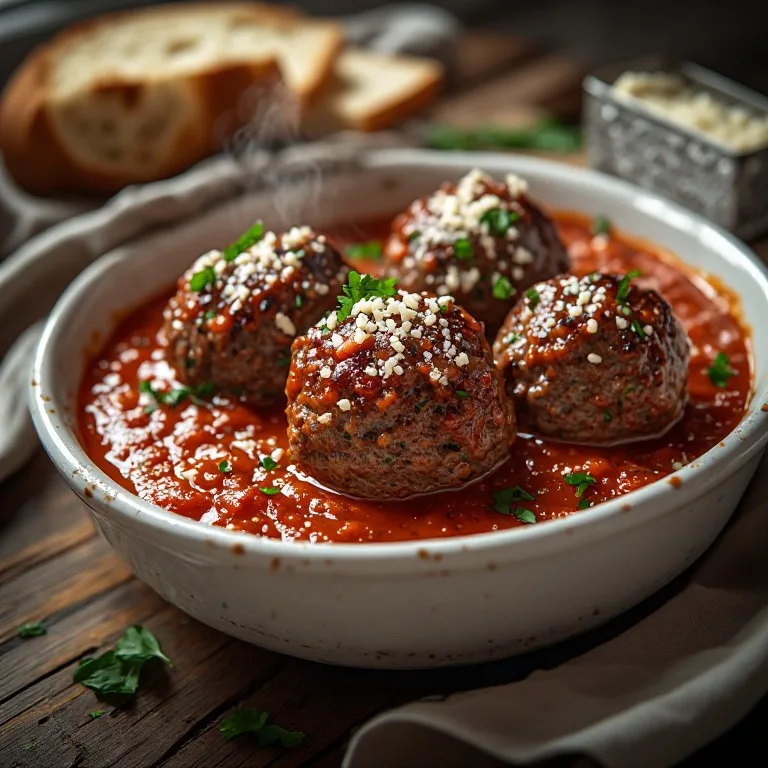
Quick answer: Toast 3 slices of French bread cut into 1/4-inch cubes in a 325°F oven until golden (about 10 minutes), then soak them in 3/4 cup whole milk until fully saturated — this is the panade that keeps the meatballs tender. In a large pan, soften 2.5 cups of diced Spanish onion and 5 minced garlic cloves in 2 tablespoons of olive oil, then let them cool. In a large bowl, gently fold together 1 lb ground beef, 1/2 lb sweet Italian sausage (casings removed), 1/2 lb ground veal, the panade, the cooled aromatics, 1/4 cup grated Parmigiano-Reggiano, 1/4 cup chopped flat-leaf parsley, 1 large egg, and 1.5 teaspoons kosher salt. Handle the mixture as little as possible — Carbone compares it to folding a soufflé. Roll into 2.5-inch balls, sear in olive oil in batches until browned on all sides, then finish in a San Marzano tomato sauce over low heat for 25 minutes. Carbone charges around $36 as an appetizer. This recipe makes 18 meatballs for roughly $25 total.

Mario's Meatballs at Carbone (The Panade Technique, Made at Home)

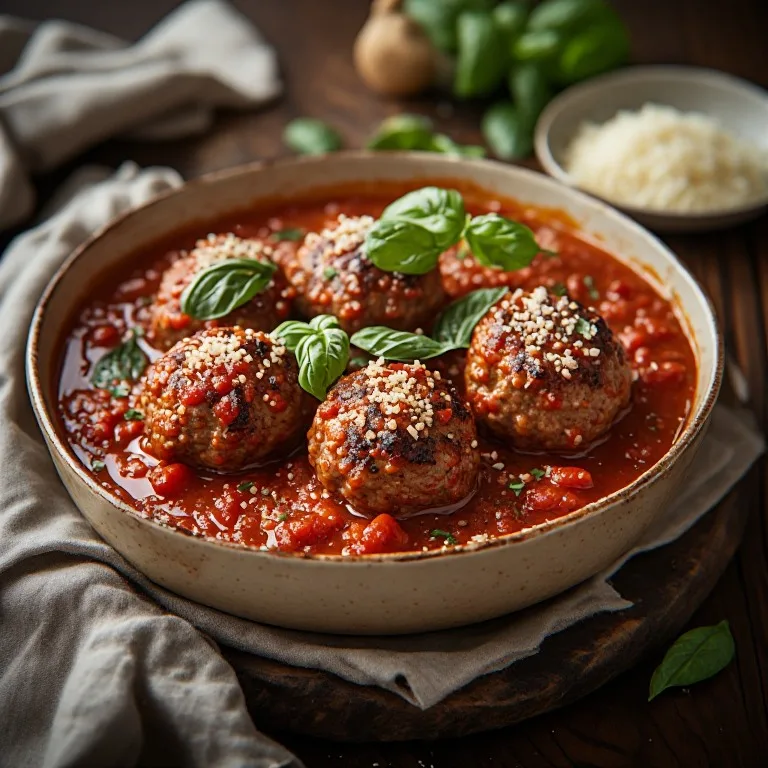
The famous Mario's Meatballs from Carbone NYC, made at home: a beef, veal, and sausage blend held together by a panade of milk-soaked toasted bread — the Italian technique that makes them pillowy instead of dense. Chef Mario Carbone's own recipe, with the full method explained.

Medium Prep: 30 min Cook: 40 min Total: 1h 10m6 servings ~$4.50/serving
Prep30 min
Cook40 min
Total1h 10m
Servings
6
At home~$4.50/serving
vs
Restaurant~$20.25/serving
You save ~78%

The Story Behind the Recipe

Mario's Meatballs have been on the menu at Carbone since the restaurant opened in 2013 at 181 Thompson Street in Greenwich Village. They are named after Chef Mario Carbone's grandfather — the first Mario — whose Italian-American Sunday cooking is the direct inspiration for the dish. Mario Carbone shared the recipe publicly on Today.com and Good Morning America, which is unusual for a restaurant that otherwise guards its methods closely. The dish costs roughly $36 as an appetizer at the restaurant, where the reservation wait is typically months. At home, the same batch costs about $25 and makes 18 meatballs.

The thing that separates these meatballs from a standard Italian-American recipe is the panade: toasted bread cubes soaked in whole milk, folded in before the meatballs are formed. This is a centuries-old European technique — a way to add body without adding fat, and tenderness without adding eggs. The milk-soaked bread disrupts the tight protein bonds that would otherwise form in the ground meat, producing a meatball that is genuinely lighter than one made with dry breadcrumbs. Combined with a three-meat blend of beef, veal, and sweet Italian sausage (not ground pork), and handled as gently as possible during mixing, the result is a meatball that holds together but resists the dense, compressed texture most home versions produce.

Nutrition Facts

Per serving (6 servings)
Calories580
Total Fat37g
Total Carbs20g
Dietary Fiber2g
Sugars6g
Protein33g
Sodium700mg

* Estimated values based on standard recipe preparation. Actual values may vary.

Ingredients

  • Panade (make first)
  • Aromatics
  • Meatball mix
  • For searing
  • Simple San Marzano sauce (for finishing)

Instructions

💡
Pro tip: This recipe tastes even better the next day. The flavors need time to meld together in the fridge.
❄️
Storage: Keeps in an airtight container in the fridge for up to 2 weeks. Freezer-friendly for up to 3 months.
🎃 Free Halloween cookbook — download now The Copycat Halloween Cookbook A ready-made, photo-illustrated PDF of our best halloween copycat recipes — free to download, no building required. Pay what you want to support if you love it.

Free PDF — instant download. We'll also send new seasonal copycat recipes now and then; unsubscribe anytime. Or just download it →

Mario’s Meatballs at Carbone (The Panade Technique, Made at Home)

Prep time: 30 min Cook time: 40 min Servings: 6 (about 18 meatballs)

Carbone’s Mario’s Meatballs are named after Chef Mario Carbone’s grandfather, not the chef. They’ve been on the menu at 181 Thompson Street since the restaurant opened in 2013, and they represent what Carbone does as a restaurant: classic Italian-American cooking executed with fine-dining precision. The dish costs around $36 as an appetizer; a full batch at home runs about $25 and makes 18 meatballs.

Mario Carbone shared this recipe publicly — on Today.com and Good Morning America — which is the rare exception for a restaurant that otherwise protects its methods carefully. The recipe is faithful to what the restaurant serves, and the instructions below work through why each element is there.

The Technique That Separates These From Every Other Meatball

The difference is the panade. Most Italian-American meatball recipes use dry breadcrumbs to bind the mixture. Carbone toasts small cubes of French bread and soaks them in whole milk until completely saturated, then folds that mass — bread and milk together — into the ground meat.

Dry breadcrumbs absorb moisture from the meat during cooking. This tightens the meatball over time, compressing it from the inside as the crumbs swell. Milk-soaked bread does the opposite: it already contains moisture, so it does not pull from the meat. It also physically disrupts the tight protein network that would otherwise form in the ground beef, veal, and sausage. The result is a meatball that holds its shape but yields — noticeably lighter and more tender than one made with dry crumbs.

The technique is called a panade or panada, and it appears in medieval European cooking as a fortifying bread-and-liquid paste. Mario Carbone compares the folding process to folding a soufflé: you want the mixture incorporated, not worked. Twenty seconds of overhandling is enough to make the meatballs noticeably tougher.

The Three-Meat Blend

Most home recipes use just ground beef, or beef plus pork. Carbone uses three meats:

Ground beef (1 lb, 80/20): The bulk of the blend. 80/20 provides enough fat to keep the meatball moist through the searing and simmering stages. Leaner beef requires compensating with extra olive oil or egg yolk.

Sweet Italian sausage (1/2 lb): Not ground pork — sausage. The distinction matters because Italian sausage is already seasoned: fennel seed, garlic, sometimes a small amount of sugar. Ground pork is blank. The sausage adds a distinctly Italian-American character that would require several additional spices to replicate from plain pork.

Ground veal (1/2 lb): The fine-grained, low-fat structure of veal gives the meatball a silkier texture than beef or pork alone. It does not add much flavor — veal is mild — but it modulates texture in a way that is hard to replicate with a two-meat blend.

Carbone vs. Rao’s vs. Frankies 457: Three Schools of the NYC Meatball

All three restaurants are Italian-American, all three serve meatballs in San Marzano tomato sauce, and all three are considered standards. The differences are philosophical:

CarboneRao’sFrankies 457
Meat blendBeef + veal + sausageBeef + veal + porkBeef + pork
BinderPanade (milk-soaked toasted bread)Fresh breadcrumbs + up to 2 cups water + eggsDry breadcrumbs + eggs
Distinguishing elementPanade technique, sweet sausageFlood of water for an outsized, tender ballSimple, direct seasoning
Cooking methodPan-sear, then braiseHard fry in olive oil, then braiseBraise
TextureLight, tenderLarge, crisp-fried outside, fluffy insideDense, satisfying
Price (restaurant)~$36 (appetizer)~$30~$24

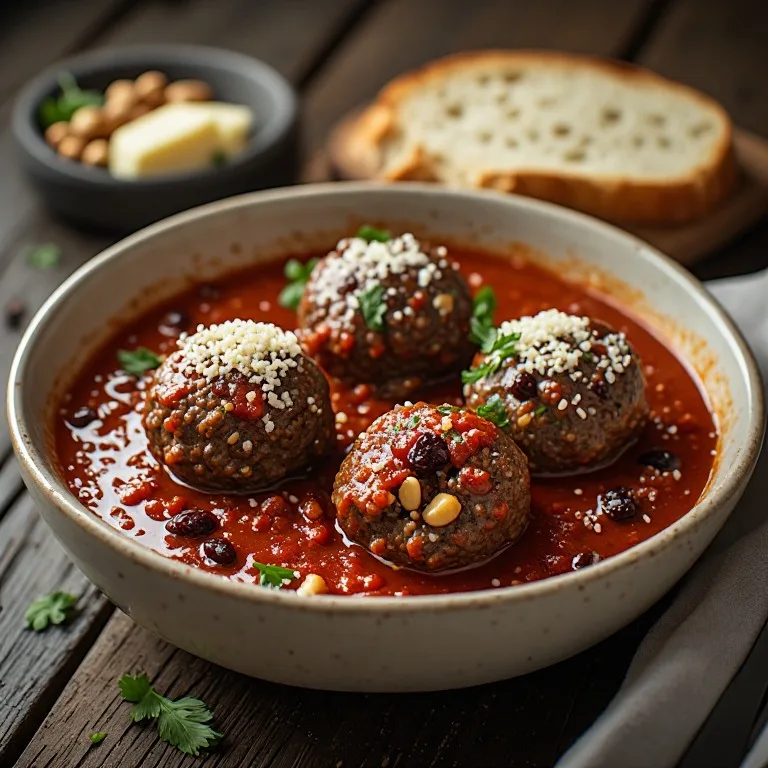
Rao’s reaches tenderness with water — as much as 2 cups worked into fresh breadcrumbs, then a hard fry in olive oil. Carbone reaches it with a milk-soaked toasted-bread panade and a gentler sear. Frankies is the most rustic of the three. All three are worth knowing, and none of them use pine nuts or raisins — that is a Sicilian tradition some home cooks graft on, but it is not what these three NYC rooms actually serve.

Building the San Marzano Sauce

The sauce Carbone uses is intentionally simple — a backdrop for the meatballs, not a competing dish. The essential components are San Marzano tomatoes, olive oil, garlic, basil, and salt. Nothing more. San Marzanos (DOP, grown in the volcanic soil near Naples) have a lower acidity and more natural sweetness than standard plum tomatoes; substituting standard canned tomatoes produces a sharper, more acidic sauce that competes with the meatball’s richness. Add a pinch of sugar if using standard tomatoes.

Cost Comparison: Home vs. Restaurant
CarboneHomemade
Per serving (3 meatballs)~$36—
Full batch (6 servings)~$216~$24–28
Per serving~$36~$4–5
Savings per serving—~$31

Ground veal is the premium ingredient — it typically runs $8 to $12 per pound depending on the market. The beef and sausage are standard. The whole batch costs under $28 with decent grocery store pricing.

Tips & Variations
  • Chill the formed meatballs before searing. Fifteen minutes on a sheet pan in the refrigerator firms the exterior slightly, making the meatballs easier to handle in the hot oil without deforming. Not essential, but it helps.
  • Do not skip the sear. The brown crust from searing is not just flavor — it is structural. The crust holds the meatball together during the simmering step. Meatballs that go directly into sauce without searing tend to disintegrate, especially with a panade binder (which is inherently softer than a dry breadcrumb binder).
  • The sauce should barely simmer. Aggressive simmering tears meatballs apart, especially panade-bound ones. Keep the heat low enough that the sauce has occasional lazy bubbles, not rolling movement.
  • Double the batch and freeze half. The meatball mixture freezes well before cooking. Roll them, set on a sheet pan, freeze until solid, then transfer to a bag. Cook from frozen by searing (still frozen, a few minutes longer) and simmering in sauce for 35 minutes instead of 25.
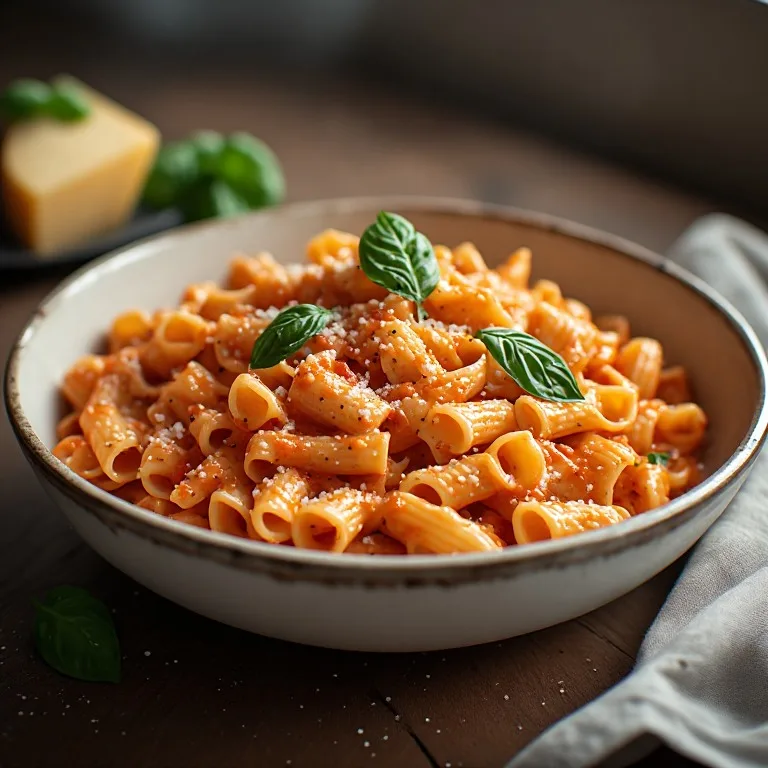
  • For pasta: Serve over rigatoni or spaghetti — the sauce is the right consistency for pasta. A single meatball torn over pasta with the sauce counts as a portion; three whole ones as a standalone appetizer is the Carbone presentation.
Storage & Reheating

Cooked meatballs in sauce keep for 4 days in the refrigerator or 3 months in the freezer. Reheat in a covered saucepan over low heat with a splash of water — 10 minutes for refrigerated, 25 minutes for frozen. Do not microwave; the uneven heat makes the exterior rubbery and the interior dense.

More NYC Italian-American Classics
🥗

Make It Healthier

Love Mario's Meatballs at Carbone (The Panade Technique, Made at Home) but want a lighter version? Try these simple swaps:

  • ✓Swap the ground beef for 90/10 lean ground beef and use turkey sausage instead of sweet Italian — reduces fat by roughly 12g per serving without affecting the panade technique or meatball texture.
  • ✓Use half the olive oil for searing (1.5 tbsp instead of 3) by starting the meatballs in a hot oven-safe pan, then finishing in a 400°F oven for 12 minutes — you get crust without the added oil.
  • ✓Skip the veal and use 1.5 lbs total of 90/10 beef — veal is the most expensive part of the blend; this cuts cost significantly with a modest texture tradeoff.
  • ✓Serve 2 meatballs instead of 3 per person and pair with a large green salad — drops the serving to roughly 390 calories while still delivering the full flavors of the dish.

Frequently Asked Questions

What is a panade and why does it make meatballs more tender?

A panade (or panada) is a paste made from bread soaked in liquid — milk, stock, or water. When folded into ground meat, the softened bread physically separates the muscle fibers, preventing them from bonding tightly during cooking. Dry breadcrumbs absorb moisture from the meat as they cook, which can tighten the texture. Milk-soaked bread already contains moisture, so it does not pull from the meat — instead, it contributes softness. The technique comes from classic European cooking and is also used in forcemeats like quenelles and pâtés. Carbone toasts the bread cubes first to add a slight nuttiness and give the bread more structure before soaking.

Why does Carbone use sweet Italian sausage instead of ground pork?

Sweet Italian sausage is seasoned ground pork — typically fennel seed, garlic, and sometimes sugar — which means it adds both fat content and built-in seasoning to the meatball blend. Ground pork is a blank ingredient; sausage is an already-flavored one. The fennel seed and garlic in the sausage contribute an unmistakably Italian-American character that would take multiple additional seasonings to replicate from plain ground pork. Mario Carbone's recipe specifically calls for sweet sausage (not hot) — the heat is mild and the fennel is present but not dominant.

How is the Carbone meatball different from Rao's?

Rao's famous meatball uses a beef, veal, and pork blend (1 lb beef to 1/2 lb each veal and pork) bound with fresh breadcrumbs and up to 2 cups of lukewarm water worked into the mix — that flood of water is the defining Rao's move, and it is what makes the meatball so tender despite its baseball size. Rao's also pan-fries hard in a cup of olive oil before braising. Carbone takes a different route to tenderness: a panade of toasted, milk-soaked bread instead of water-soaked fresh crumbs, sweet Italian sausage in place of plain ground pork, and a gentler sear rather than a deep fry. Both finish in a simple San Marzano sauce. Rao's is the old-school East Harlem meatball; Carbone is the fine-dining Italian-American one — same tradition, different execution.

Can I use a different meat blend?

You can substitute ground pork for the sausage — add 1/2 teaspoon fennel seed and a small pinch of garlic powder to compensate for the lost seasoning. Ground turkey can replace the veal if veal is unavailable, though the fat content is lower and the texture will be firmer; add an extra tablespoon of olive oil to compensate. Dropping the veal entirely and using only beef and sausage (in a 2:1 ratio) produces a perfectly good result — you will lose some of the silky texture that veal's fine-grained, low-fat protein contributes, but the meatballs will still be excellent.

Should I bake or fry the meatballs?

Carbone's technique calls for searing in a pan with olive oil, then finishing in the tomato sauce. Baking alone is convenient but produces a drier exterior with less flavor development — the Maillard reaction that builds the brown, savory crust happens much more effectively in a pan with hot oil than in dry oven heat. If you want a middle path, sear the meatballs in an oven-safe pan on the stovetop until browned on all sides, then finish them in the oven at 350°F for 15 to 20 minutes before transferring to the sauce. This reduces the monitoring required during the searing step.

How large should the meatballs be?

Carbone's meatballs are large — roughly 2.5 inches in diameter, about the size of a golf ball. This recipe makes approximately 18 meatballs from the given quantities, which works out to 3 per serving. Larger meatballs stay juicier in the center because less surface area is exposed to heat relative to volume. If you roll them smaller (1.5 to 2 inches), reduce the sauce-simmer time to 15 minutes and check for doneness at an internal temperature of 165°F.

Can I make these ahead?

Yes — and they improve with time in the sauce. You can form and refrigerate the raw meatball mixture for up to 12 hours before rolling and cooking. Fully cooked meatballs in sauce keep well in the refrigerator for 4 days and freeze for up to 3 months. Reheat gently in the sauce over low heat — do not microwave, which heats unevenly and can make the exterior rubbery.

Love this recipe? Share it!

Free PDF: our 12 most-wanted copycat recipes — instant download.

Made it? Buy us a coffee

Every recipe here is free, with no paywalls. If this one was a hit at your table, a small tip keeps new copycats coming.

$

Carbone is a trademark of its owner, used here only to describe the dish this recipe recreates. This is an independent copycat written in our own words — Copycat Spices is not affiliated with, endorsed by or sponsored by Carbone.

Ratings & Reviews

—
No ratings yet

Rate this recipe

Click a star to rate

Leave a Review

0/500

CS

Copycat Spices Editorial

Researched + fact-checked. Every recipe on Copycat Spices is built from published sources — official ingredient lists, brand-published recipes, interviews and food-science references — and fact-checked before it goes live, then written as clear, step-by-step instructions for home cooks of all skill levels.

Learn more about our mission →