


Copycat Gramercy Tavern Burger (NYC’s Iconic Tavern Burger, Made at Home)
Prep time: 20 min Cook time: 20 min Servings: 4
Gramercy Tavern opened in July 1994 at 42 East 20th Street in the Flatiron District, and it has spent the three decades since on nearly every serious list of the best restaurants in New York City. Danny Meyer opened it as a partnership between the formal and the relaxed — a back dining room doing seasonal prix fixe American cooking, and a front Tavern serving walk-in guests from an a la carte menu. The burger lives only in the Tavern.
The setup creates a useful split. If you want the full Michael Anthony tasting menu experience, you book months ahead and eat in the back. If you want to eat at one of the city’s great restaurants tonight, you walk in at 6pm, sit at the bar or at a small table, and order the burger. It costs around $28. The kitchen that built it is the same kitchen that has won the James Beard Award for Outstanding Restaurant more than once.
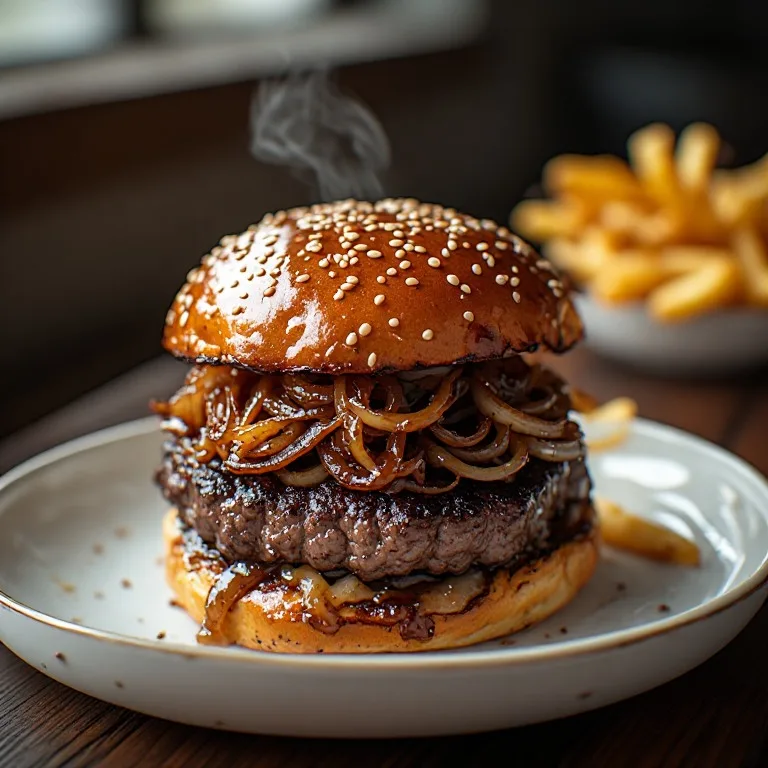
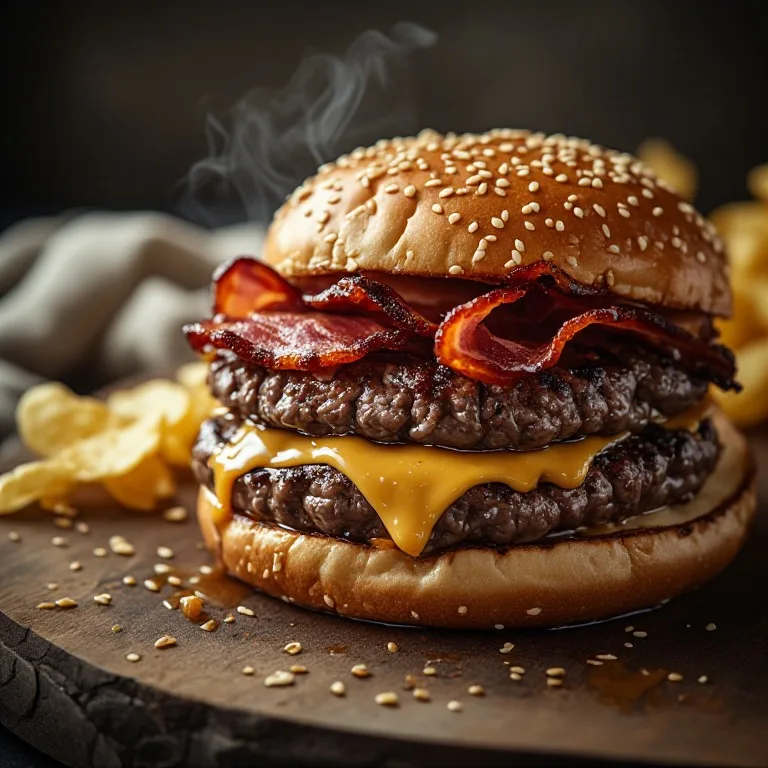
The burger is not trying to be the most extreme or the most celebrated in the city — that territory belongs to Minetta Tavern’s dry-aged Black Label. The Gramercy Tavern burger is precise and considered: a house-ground chuck-brisket blend from upstate New York and Vermont farms, a charred red onion aioli that Gramercy makes from scratch in-house, 1-year aged Shelburne Farms cheddar from Vermont sourced through Saxelby Cheese in the Essex Market, belly-cut smoked bacon, and a toasted sesame seed bun from Orwashers Bakery. Every element is from somewhere specific. None of it is off a truck.
The Charred Onion Aioli
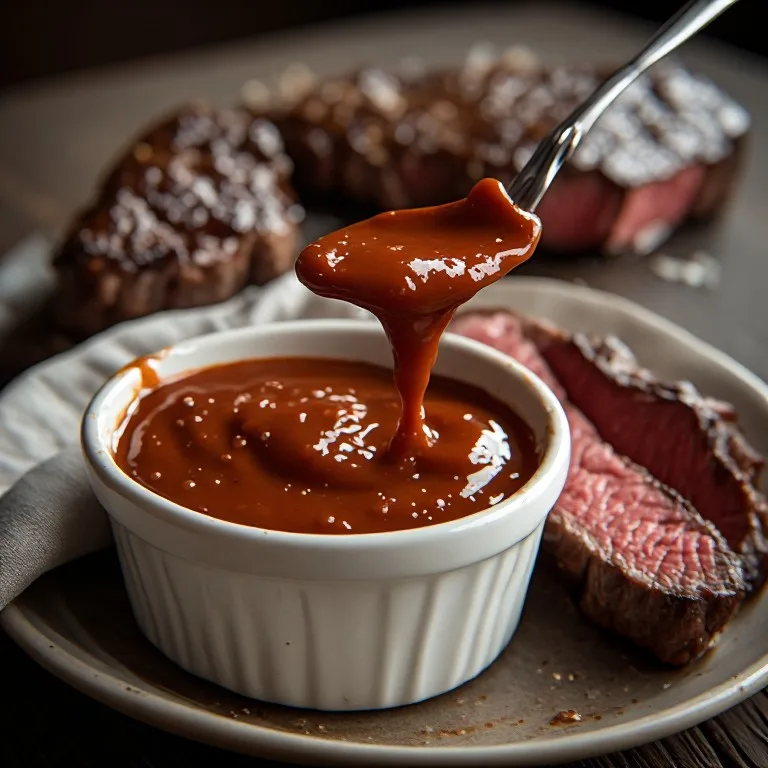
This is the element that will surprise people most when they taste it. The aioli is not a mayonnaise with some onion stirred in — it is a fully emulsified sauce built on charred red onions as the base, which means the onion’s smoky, sweet-bitter complexity runs through every molecule of the sauce.
The charring process is straightforward: onion rings directly over a gas burner, or under a broiler, until they are genuinely blackened on the surface and completely softened inside. That char is not a mistake or an overcooked onion — it is the ingredient. The blackened surface provides a smokiness that is different from liquid smoke, different from smoked salt, and different from any artificial shortcut. It is actual combustion chemistry, and it tastes like it.
The onions go into a blender with egg yolks, ketchup, cider vinegar, and honey, then oils are streamed in exactly as you would make aioli from scratch. The result is a thick, rust-colored sauce that smells smoky and sweet before you even taste it. On the burger, it functions simultaneously as a condiment, a sauce, and a flavor bridge between the beef and the bacon.
The Beef Blend and Why Brisket Matters
Gramercy Tavern chops its beef blend daily in-house from a collective of upstate New York and Vermont farms. The blend runs roughly 70 percent chuck to 30 percent brisket.
The chuck carries the fat that makes a burger juicy rather than dry — ground chuck lands around 20 percent fat on its own. The brisket provides something different: connective tissue that breaks down into gelatin as it cooks, giving the burger a particular yielding richness rather than the firmer, more iron-forward texture of all-chuck. Brisket is also a more intensely flavored cut — it is the cut used for long braises precisely because it has depth that other cuts lack at shorter cooking times.
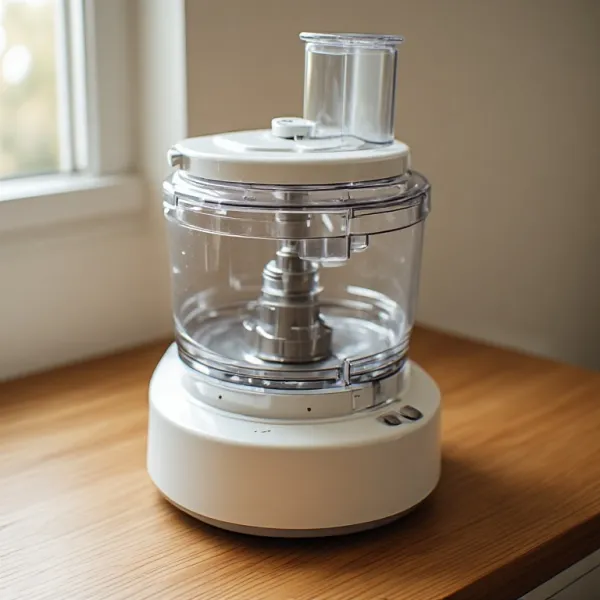
For home cooks, the easiest path is a butcher who will grind the blend to order. Call ahead, describe the ratio, and ask for it ground once through a coarse plate. If that is not available, see the FAQ for the food processor approach.
The Shelburne Farms Cheddar
Shelburne Farms is a real place — a 1,400-acre working farm on the shore of Lake Champlain in Shelburne, Vermont, that has been making farmhouse cheddar since the 1980s. The cheese is made from raw milk from Brown Swiss cows, and the flavor shifts with what the cows are grazing on season to season.
The 1-year aged version has a sharpness and grassiness that factory cheddar at the same age level does not have. When it melts on the burger under a lid, it pools into the crags of the seared crust rather than sitting on top like a processed slice. The flavor it adds is part of the burger’s identity — if you have access to Shelburne Farms cheese (Saxelby Cheese in Manhattan, Murray’s, or directly from the farm’s website), use it. If not, any good 1-year farmhouse cheddar from Vermont or Wisconsin does the job.
Building and Timing
The only real timing constraint is the aioli — it takes about 10 minutes and improves with an overnight rest. Everything else happens in under 20 minutes.
Cook the bacon first so it rests and crisps while the patties cook. Form the patties last, season them right before they go into the pan, and cook over high heat on a cast iron skillet. The cheddar goes on in the last 60 seconds under a lid. The buns toast in the rendered beef and bacon fat left in the pan.
Assembly order matters: aioli on the bottom bun, then the beef patty with melted cheese, then two strips of bacon, then more aioli on the top bun. The aioli on both sides of the bun means every bite has the smoky-sweet-tangy sauce cutting through the richness of the beef, cheese, and bacon.
The Gramercy Tavern charges $28 for this burger in the Tavern room. At home, with good sourced beef and Shelburne Farms cheddar, the cost is roughly $10 to $13 per burger. The walk-in Tavern is worth experiencing in person — but the home version is what you make on the other 364 nights of the year.