


Pin It

Peter Luger Steak Sauce (The Restaurant Secret Is Anchovies and Tamarind)

Peter Luger Steak Sauce (The Restaurant Secret Is Anchovies and Tamarind)
Jump to Recipe
Prep 10 min Cook 15 min Serves 12 (about 1.5 cups sauce)
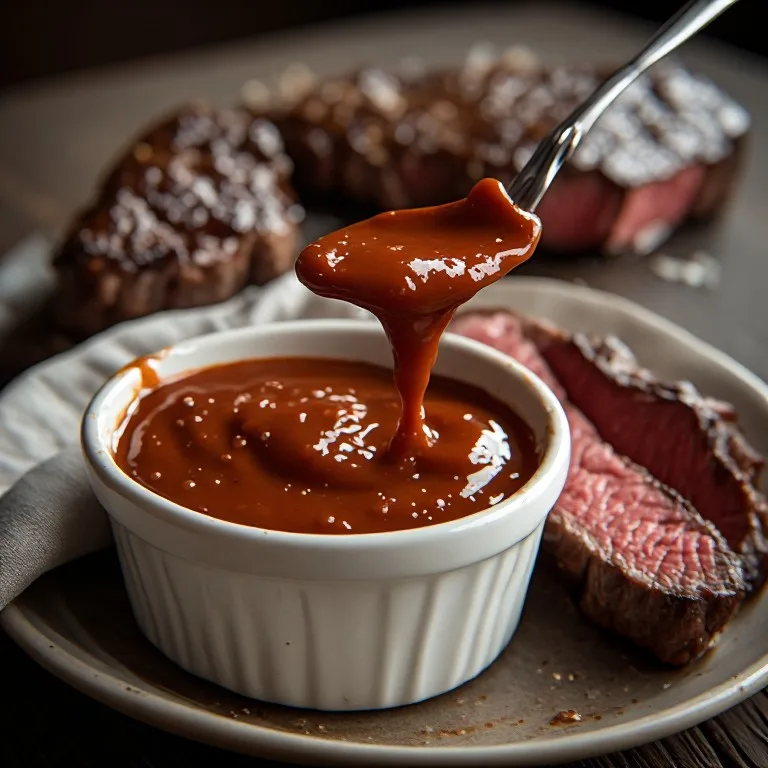
Quick answer: Combine 1 cup ketchup, 2 tablespoons Worcestershire sauce, 2 tablespoons white wine vinegar, 1 tablespoon cider vinegar, 2 tablespoons molasses, 1 tablespoon brown sugar, 2 tablespoons prepared horseradish, 1/2 teaspoon garlic powder, 1/2 teaspoon onion powder, 1/4 teaspoon hot sauce, 1/2 teaspoon anchovy paste, and 1/2 teaspoon tamarind concentrate in a small saucepan. Bring to a gentle simmer over medium-low heat, stirring constantly, then reduce heat to low and cook for 10 minutes until slightly thickened. Taste for salt and pepper. Cool to room temperature before serving. Refrigerates for up to 3 weeks. The sauce reads as tangy-sweet-fruity with a mild horseradish bite — like a sophisticated A.1. alternative. Most copycat recipes miss the anchovy paste and tamarind, which are listed on the actual bottled label and explain why homemade versions taste close but not quite right. The anchovy paste adds savory depth without any fishiness; the tamarind concentrate adds a fruity tartness that neither vinegar nor lemon juice can replicate.

Peter Luger Steak Sauce (The Restaurant Secret Is Anchovies and Tamarind)

The famous Peter Luger steak sauce, made at home: the real bottled label lists anchovies and tamarind — two ingredients most copycat versions skip entirely. Plus the reverse-sear porterhouse method for replicating the restaurant's extreme-heat broiler at home.

Easy Prep: 10 min Cook: 15 min Total: 25 min12 (about 1.5 cups sauce) servings ~$4.50/serving
Prep10 min
Cook15 min
Total25 min
Servings
12
At home~$4.50/serving
vs
Restaurant~$20.25/serving
You save ~78%

The Story Behind the Recipe

The famous Peter Luger steak sauce, made at home: the real bottled label lists anchovies and tamarind — two ingredients most copycat versions skip entirely. Plus the reverse-sear porterhouse method for replicating the restaurant's extreme-heat broiler at home.

Nutrition Facts

Per serving (12 (about 1.5 cups sauce) servings)
Calories35
Total Fat0g
Total Carbs8g
Dietary Fiber0g
Sugars7g
Protein1g
Sodium280mg

* Estimated values based on standard recipe preparation. Actual values may vary.

Ingredients

  • The Steak Sauce
  • Optional — For the Porterhouse at Home

Instructions

💡
Pro tip: This recipe tastes even better the next day. The flavors need time to meld together in the fridge.
❄️
Storage: Keeps in an airtight container in the fridge for up to 2 weeks. Freezer-friendly for up to 3 months.
🎃 Free Halloween cookbook — download now The Copycat Halloween Cookbook A ready-made, photo-illustrated PDF of our best halloween copycat recipes — free to download, no building required. Pay what you want to support if you love it.

Free PDF — instant download. We'll also send new seasonal copycat recipes now and then; unsubscribe anytime. Or just download it →

Copycat Peter Luger Steak Sauce (The Restaurant Secret Is Anchovies and Tamarind)

Prep time: 10 min Cook time: 15 min Yield: About 1.5 cups (serves 12)

TL;DR: The Peter Luger steak sauce recipe most people make online tastes close but not quite right — because they are missing two ingredients that appear on the actual bottled label: anchovy paste and tamarind concentrate. The anchovy adds savory depth without any fishiness. The tamarind adds a fruity tartness that vinegar alone cannot replicate. Combine both with ketchup, molasses, Worcestershire, horseradish, and vinegar, simmer for 10 minutes, and the result is nearly identical to what arrives at the table in a small ceramic dish. The sauce also unlocks the at-home porterhouse: dry-aged USDA Prime, reverse-seared to 120°F, then seared hard in cast iron with continuous butter basting — the closest home method to the restaurant’s extreme-heat salamander broiler.

Peter Luger opened in 1887 in Williamsburg, Brooklyn — originally as “Carl Luger’s Café, Billiards and Bowling Alley,” in a German immigrant neighborhood at 178 Broadway. By the mid-twentieth century it had become a cult destination built around a single proposition: hand-selected USDA Prime beef, dry-aged on the premises for approximately 28 days, cooked at extreme heat, and served with almost nothing else. The Michelin Guide held it as a starred restaurant for more than a decade before dropping the star in October 2022. The famous cash-only policy and brusque service are features, not bugs. A porterhouse for two runs roughly $120 to $160 depending on weight.

The steak sauce came as an afterthought and became a product. The bottled “Peter Luger Steak House Old Fashioned Sauce” is sold at Wegmans, Publix, Giant, and online. The real ingredient label reads: tomatoes, vinegars, sugar, high-fructose corn syrup, corn syrup, salt, grated horseradish roots, molasses, water, caramel color, onion, garlic, eschalots, spices, anchovies, natural flavor, and tamarind. Most home copycat versions — even well-reviewed ones — skip the anchovies and tamarind and end up with a competent steak sauce that tastes like a ketchup-horseradish blend. This recipe does not skip them.

The Two Secret Ingredients

Anchovy paste

Anchovies are 30 to 40 percent glutamates by weight — the compounds responsible for umami, the savory depth that makes food taste more like itself. At half a teaspoon, the anchovy paste in this recipe is well below the threshold where anyone tastes fish. What they taste instead is a sauce that seems rounder, more complete, and more savory than the same recipe without it. This is why anchovy paste appears in Worcestershire sauce, Caesar dressing, and here. You will not identify anchovies. You will notice the sauce has a quality you cannot attribute to the other ingredients. That is the anchovy.

Anchovy paste is sold in small tubes in the canned fish or condiment aisle of most grocery stores (Roland and Cento are common brands). One tube lasts months refrigerated. It is inexpensive and worth keeping permanently.

Tamarind concentrate

Tamarind is the dried fruit of the Tamarindus indica tree, used throughout Indian, Southeast Asian, and Mexican cooking for its distinctive fruity tartness — darker and more complex than citrus, with notes of dates, molasses, and mild stone fruit. In the Peter Luger sauce, it is present in small enough quantities that you will not taste “tamarind” — you will taste a fruity tartness that reads as more interesting than vinegar alone, and that is identifiably present in the bottled sauce.

Tamarind concentrate is widely available at Indian and Southeast Asian grocery stores and increasingly at Whole Foods (Tamicon is the most common U.S. brand). If you cannot find concentrate, buy a block of tamarind paste (seedless) and dissolve a small piece in warm water until you have a thick paste. Start with half a teaspoon and adjust.

IngredientWhat it adds
KetchupTomato base, sweetness, body
WorcestershireSavory depth, slight tang
Vinegar (white + cider)Bright acidity
MolassesDark sweetness, slight bitterness
Brown sugarClean sweetness, balance
Prepared horseradishHeat, bite
Anchovy pasteUmami depth, savory roundness
Tamarind concentrateFruity tartness, complexity
The At-Home Porterhouse Method

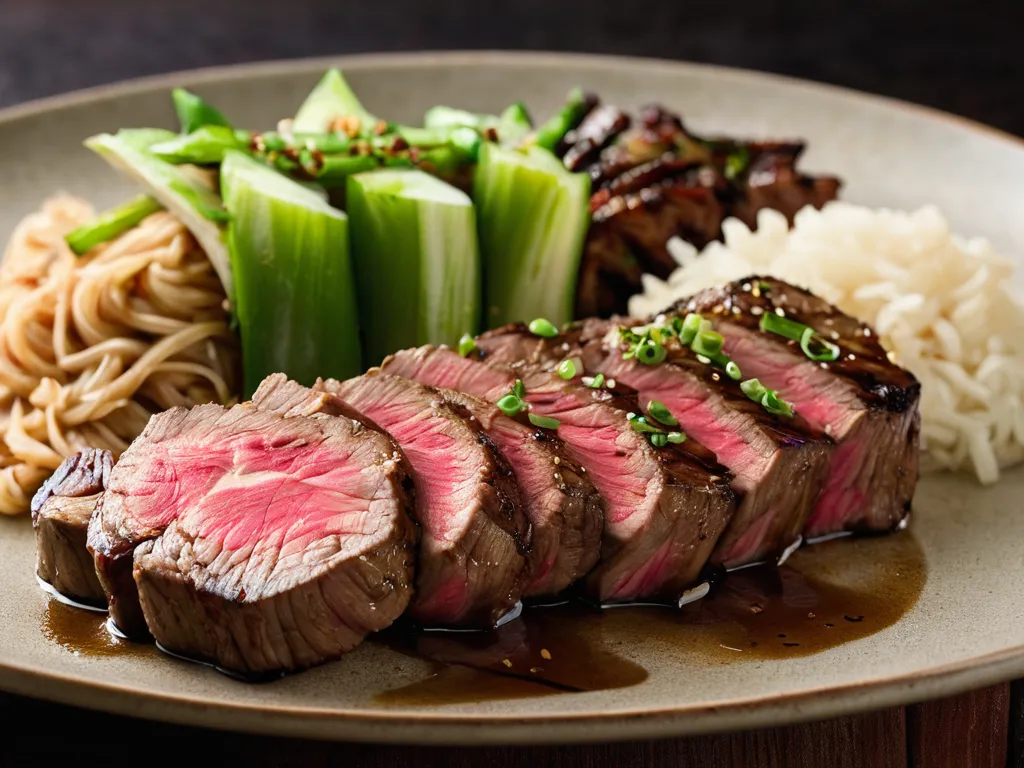
The restaurant runs a proprietary salamander broiler that reaches temperatures estimates place between 700°F and over 1,000°F. Home ovens top out at 550°F on broil. The gap is real, and there is no way to fully close it. The closest home technique is the reverse sear:

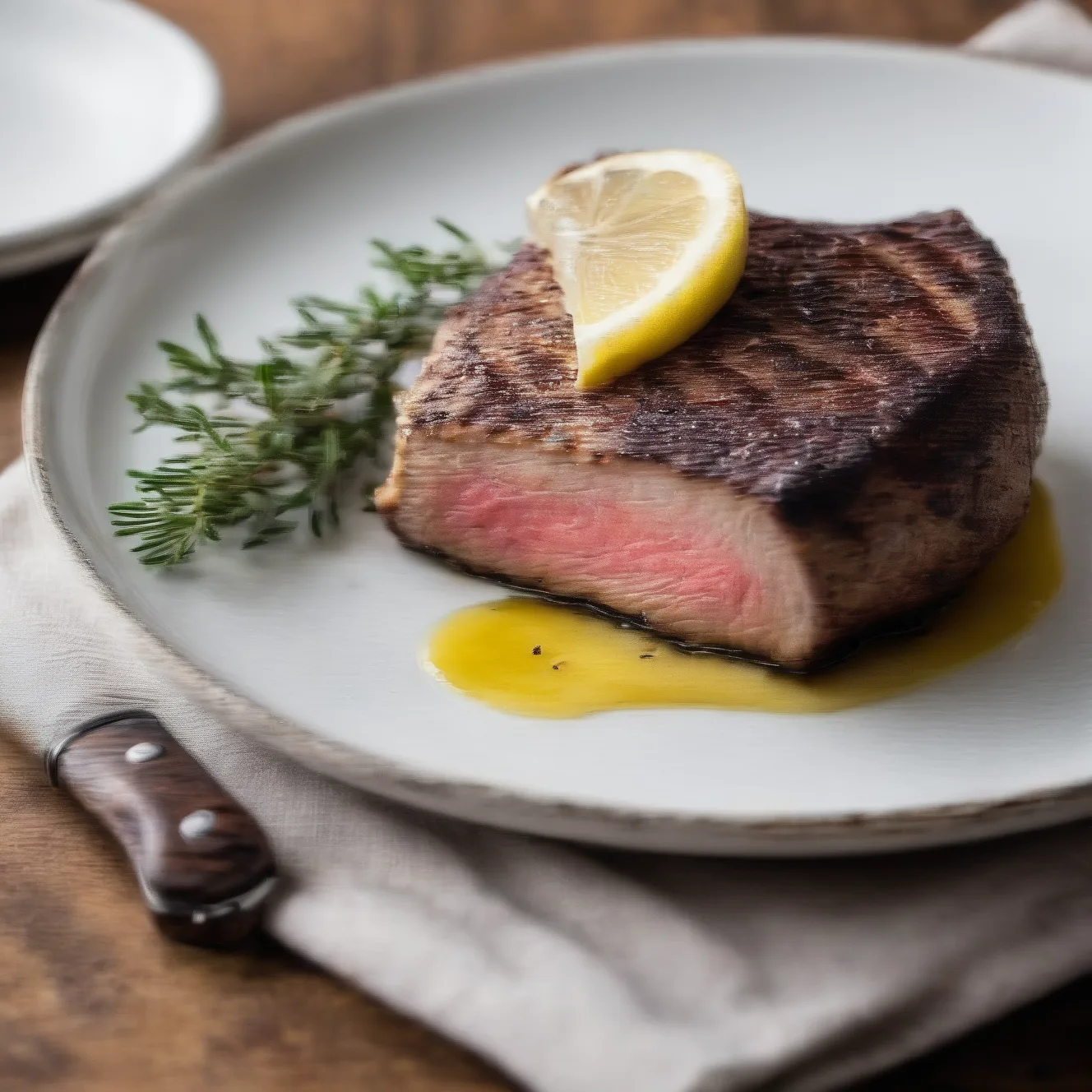
What the reverse sear does: A 2-inch-thick porterhouse cooked entirely in a cast-iron skillet (even very hot) will be gray and overcooked toward the exterior before the center reaches temperature. The reverse sear inverts this: a low oven (250°F) brings the entire steak gently to just below your target temperature, then a violent sear in a ripping-hot pan creates the crust in 90 seconds per side without cooking the interior further. The result is edge-to-edge even doneness with a hard crust — closer to the restaurant’s method than any other home technique.

The dry-aging question at home: Peter Luger dry-ages in controlled rooms for 28 days. Home dry-aging requires a dedicated refrigerator with controlled humidity and airflow — not practical for most people. The realistic alternative is to buy dry-aged beef from a good butcher shop. Dry-aged USDA Prime is noticeably better than wet-aged Choice in a comparison on this dish; it is worth the extra cost for a special-occasion porterhouse.

Butter basting during the sear: The restaurant bastes the steak with clarified butter throughout the cooking process. During the home sear, continuous spooning of the hot butter over the top surface of the steak while the bottom sears replicates part of this effect — it adds flavor, keeps the surface from drying, and helps brown the edges.

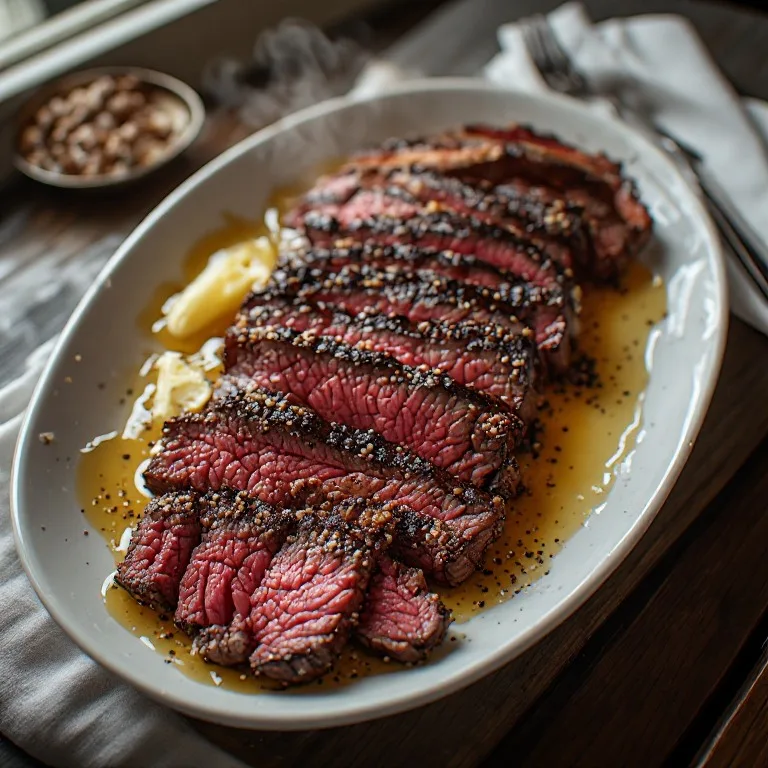
Pre-slicing before serving: Peter Luger slices the steak before it reaches the table. This is not just theater — pre-slicing on a cutting board lets you pour the collected juices over the pieces, arrange them on a warm platter, and serve every piece already buttered and juiced. At home, replicate this by warming your serving platter in the oven during the reverse sear phase, then laying the sliced pieces on the hot surface with the pan butter poured over.

Tips & Variations
  • Make the sauce at least a day ahead. The sauce is noticeably better after 24 hours in the refrigerator. The flavors integrate, the tamarind and anchovy recede into the background, and the sauce tastes like a cohesive condiment rather than a ketchup mixture. Making it the day before is easy and worth the small amount of planning.
  • The wedge salad pairing. Peter Luger serves a thick-sliced beefsteak tomato and raw onion salad with the steak sauce poured directly over it — a dish that costs almost nothing and tastes remarkable with a good sauce. At home, replicate with thick-sliced summer tomatoes, thinly sliced red onion, and a generous pour of this sauce over the top. Add a wedge of iceberg with blue cheese dressing and a secondary pour of the steak sauce mixed in.
  • On the burger. The Peter Luger burger (served only at lunch) is widely considered one of the best in New York City — a single-patty burger made from dry-aged beef trimmings from the porterhouse cuts, cooked in the same broiler. At home, make a smash burger from 80/20 ground beef and serve with this sauce. The sauce works better on the burger than standard ketchup in the same way it works better than A.1. on the steak: more interesting, without being complicated.
  • Thickness matters. Do not attempt the reverse sear on a steak under 1.5 inches thick — the oven phase will overshoot the target temperature before it evens out. A standard supermarket 1-inch porterhouse should go straight to a hot cast-iron sear without the oven step. Two inches is the sweet spot for the reverse-sear method.
  • Storing the sauce. This sauce keeps for up to 3 weeks in a sealed jar in the refrigerator. The anchovy paste is already cured; the acid from the vinegar and the sugar content keep the sauce shelf-stable under refrigeration. Bring to room temperature before serving — cold straight from the refrigerator, the flavors are muted.
Storage & Make-Ahead

The steak sauce stores in a sealed jar in the refrigerator for up to 3 weeks. It can be made up to a week in advance with no quality loss — the flavor actually improves through the first 48 hours. Bring to room temperature before serving; cold sauce on a hot steak is a waste of both.

The steak itself does not store well once cooked — a seared-then-refrigerated porterhouse is edible but loses most of what made it worth cooking. If you have leftover slices, use them cold in a steak sandwich with the sauce as a condiment.

More Restaurant-Famous Beef and Copycat Recipes
  • Copycat Benihana Hibachi Steak — the garlic butter and soy baste that makes the Benihana teppanyaki steak taste like it does, with the flat-top technique replicated on a home cast-iron pan
  • Copycat Longhorn Outlaw Ribeye — Longhorn’s signature butter-herb basted ribeye, with the specific seasoning blend from the restaurant’s rub
  • Copycat Carbone Spicy Rigatoni Vodka — the famous Greenwich Village pasta with the full tube of tomato paste cooked until brick-red, made for about $8 a plate
  • Copycat Rao’s Famous Meatballs — the most-requested item from the hardest reservation in New York, with the specific technique behind the light, tender texture
🥗

Make It Healthier

Love Peter Luger Steak Sauce (The Restaurant Secret Is Anchovies and Tamarind) but want a lighter version? Try these simple swaps:

  • ✓The sauce itself is already low-calorie per serving (about 2 tablespoons). The horseradish bite means a little goes a long way — most people use less than they would with a blander sauce.
  • ✓For a lower-sodium version, use low-sodium Worcestershire sauce and reduce the anchovy paste to 1/4 teaspoon. The flavor is slightly less complex but still excellent.
  • ✓To reduce the red-meat portion, the sauce is also excellent on thick-cut mushroom steaks: portobello caps seasoned with salt and pepper, seared in butter the same way, and sliced into strips before plating.

Frequently Asked Questions

What does Peter Luger steak sauce actually taste like?

The sauce is tangy-sweet-fruity with a mild horseradish bite and a savory depth that makes it addictive. It tastes like a more sophisticated, fruitier version of A.1. — the tomato base is prominent, the vinegar is bright, the molasses adds a dark sweetness, and there is a layered umami quality that most people cannot identify but always notice. The tamarind is responsible for the fruity tartness (closer to a mild date-tamarind than citrus), and the anchovies — present in quantities too small to taste as fish — add the glutamate depth that makes the sauce feel rounder and more complex than ketchup-based sauces typically do. It is served at the restaurant in small dishes alongside the porterhouse and is particularly good on the crispy, buttery bits at the edges of each slice.

Why do most Peter Luger copycat recipes taste close but not quite right?

Because most recipes are reverse-engineered from taste alone and miss the two non-obvious ingredients on the actual bottled label: anchovies and tamarind. These are not prominent flavors you can detect in a side-by-side comparison — they are supporting ingredients that make the sauce taste rounder, fruitier, and more complex than a standard ketchup-plus-horseradish base. Without anchovy paste, the sauce is missing savory backbone. Without tamarind concentrate, the tartness is one-dimensional (vinegar-sharp) instead of the slightly fruity, dark-edged tartness of the real sauce. Both ingredients are inexpensive and available in most grocery stores. Adding them does not make the sauce taste like anchovies or like Indian tamarind chutney — it makes it taste like the actual bottle.

What is the sauce served with at the restaurant besides steak?

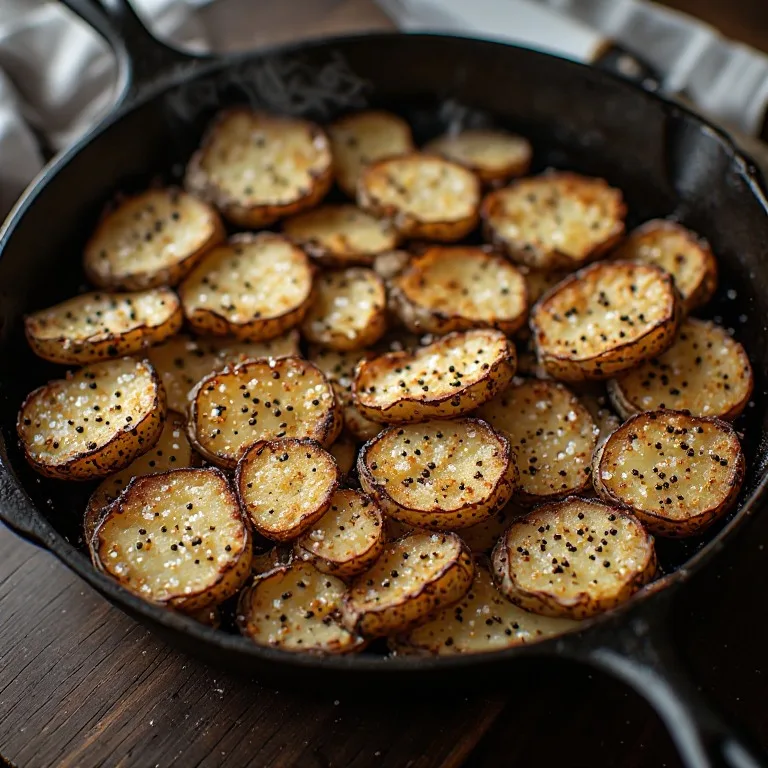
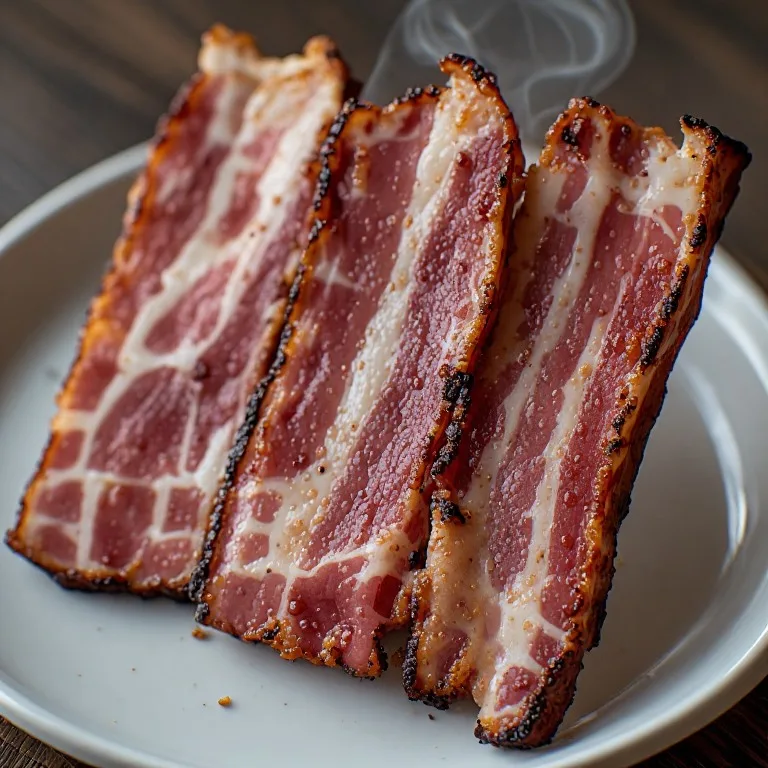
Peter Luger serves the sauce alongside the porterhouse and also offers it with the thick-cut bacon appetizer, the burger (at lunch), and the slab of fresh beefsteak tomato and onion salad. The tomato salad is a famous pairing — thick wedges of summer tomato and raw onion under a generous pour of the steak sauce. At home, the sauce works extremely well as a burger condiment, on a wedge salad (mix it 50/50 with blue cheese dressing), on roast beef sandwiches, or as a dipping sauce for roasted potatoes. The commercial bottle sells widely at Wegmans, Publix, and on Amazon.

How do I cook a porterhouse at home like Peter Luger?

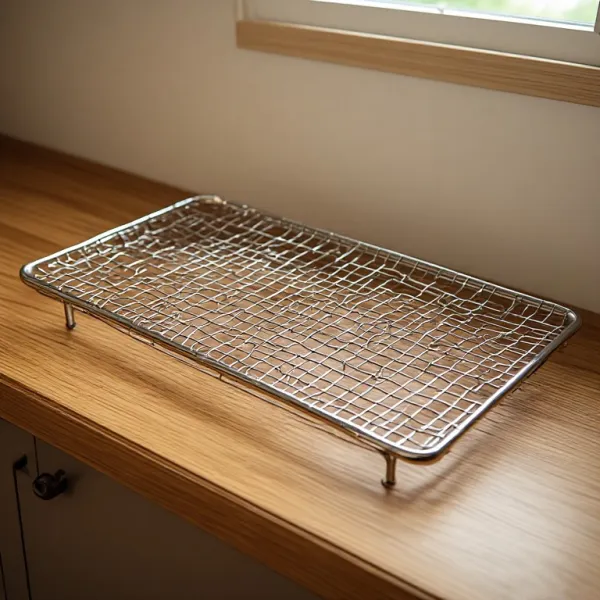
Peter Luger uses a proprietary high-heat salamander broiler that reaches temperatures many sources estimate in the 700°F to 1,800°F range — far beyond any home oven. The closest home method is the reverse sear with a cast-iron finish. Buy a 2-inch-thick USDA Prime or Choice porterhouse (2 to 2.5 lbs for two people). Salt it aggressively on both sides and the bone edge, ideally 12 to 24 hours ahead, and leave it uncovered in the refrigerator. The day of cooking: pull it out 45 minutes before you start. Heat the oven to 250°F. Place the steak on a wire rack over a sheet pan and cook until the internal temperature at the thickest part of the strip side reads 120°F — roughly 35 to 45 minutes. Then sear it in a screaming-hot cast-iron skillet with a tablespoon of clarified butter for 90 seconds per side, basting continuously. Slice off the strip and filet sections against the bone, then cut into 1-inch-thick pieces. Arrange on a warm platter and spoon over additional melted butter and the pan juices. Serve immediately with the steak sauce on the side.

What cut is the Peter Luger porterhouse and why does the restaurant only serve it?

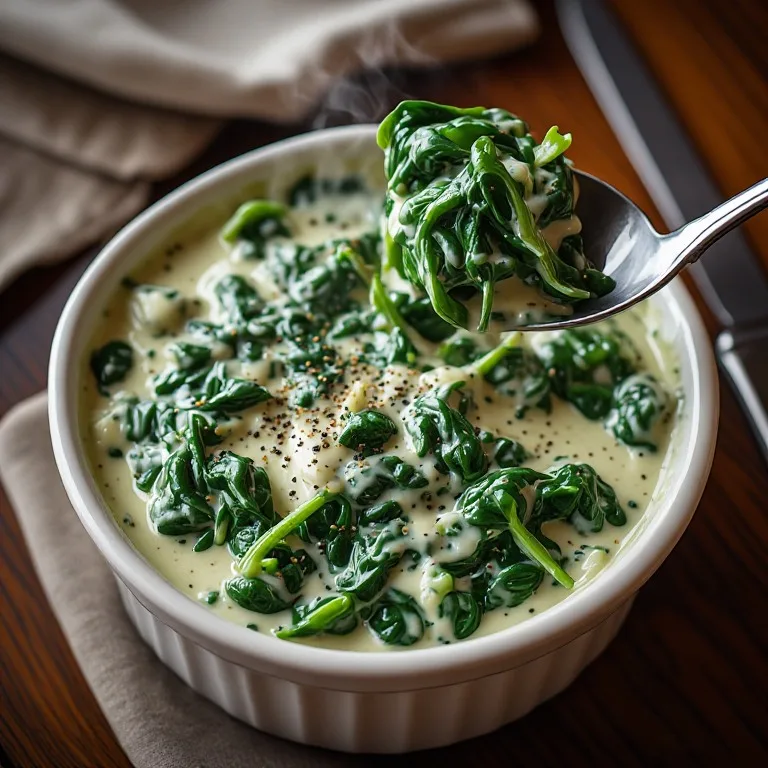
A porterhouse is cut from the rear end of the short loin and contains both the strip steak (larger portion, on the outside) and the filet (smaller, more tender, inside the T-bone junction). The filet section in a porterhouse is larger than in a T-bone — the USDA defines a porterhouse as requiring the filet portion to be at least 1.25 inches wide at its widest point. Peter Luger serves only the porterhouse (for two, three, or four) and the lunch burger because the restaurant's entire identity is built around this one cut. They hand-select USDA Prime beef from their own buyers, dry-age it for approximately 28 days in temperature- and humidity-controlled rooms on the premises, and then cook it to order. The side dishes (German potatoes, creamed spinach) are secondary. The simplicity is the point — the restaurant was founded in 1887 in a German neighborhood in Brooklyn where the model was straightforward: the best beef, cooked correctly.

What does dry-aging actually do to the steak?

Dry-aging does two things. First, moisture evaporates from the exterior — a 28-day dry-aged cut loses roughly 10 to 15 percent of its weight in water. This concentrates the beef flavor significantly, which is why a properly dry-aged steak tastes more intensely beefy than a wet-aged or fresh-cut steak of the same grade. Second, enzymes naturally present in the muscle tissue (primarily calpains and cathepsins) break down the connective fibers over time, tenderizing the meat from the inside. After 28 days, the texture is noticeably more tender than the same cut would be fresh. The exterior develops a dry crust (the 'bark') that is trimmed off before the steak goes to the kitchen. Most grocery store beef is wet-aged — stored in vacuum-sealed plastic with its own juices, which prevents the evaporation but also limits the enzymatic tenderizing. For a home version, buy dry-aged beef from a butcher when possible; it does make a measurable difference.

What happened to Peter Luger's Michelin star?

Peter Luger held a Michelin star for more than a decade — through the New York guide's early years — until the Michelin Guide dropped it from the starred list in October 2022 without comment. The removal was controversial — the restaurant's devotees argued that the star was never what made Peter Luger relevant, and the restaurant's reservation system remained as backed up after the loss as before it. The cash-only policy, the brusque service, the no-frills décor, and the singular focus on the porterhouse have always been features rather than bugs. The Michelin star is a reflection of one evaluation framework; the decades-long line to get in reflects something else.

Does the restaurant really only take cash?

Peter Luger has been famous for its cash-only policy for most of its modern history. The restaurant does accept a Peter Luger debit card and — since roughly 2020 — limited credit card options for regulars. But the default expectation is still cash or a Peter Luger house account. This is deliberately old-school: the restaurant has enough demand that it does not need to optimize for convenience. If you plan to go, bring cash. The current menu prices run approximately $65 per person at minimum for the full experience — porterhouse for two is in the $120 to $160 range depending on weight, plus sides, drinks, and the legendary tip.

Love this recipe? Share it!

Free PDF: our 12 most-wanted copycat recipes — instant download.

Made it? Buy us a coffee

Every recipe here is free, with no paywalls. If this one was a hit at your table, a small tip keeps new copycats coming.

$

Peter Luger is a trademark of its owner, used here only to describe the dish this recipe recreates. This is an independent copycat written in our own words — Copycat Spices is not affiliated with, endorsed by or sponsored by Peter Luger.

Ratings & Reviews

—
No ratings yet

Rate this recipe

Click a star to rate

Leave a Review

0/500

CS

Copycat Spices Editorial

Researched + fact-checked. Every recipe on Copycat Spices is built from published sources — official ingredient lists, brand-published recipes, interviews and food-science references — and fact-checked before it goes live, then written as clear, step-by-step instructions for home cooks of all skill levels.

Learn more about our mission →