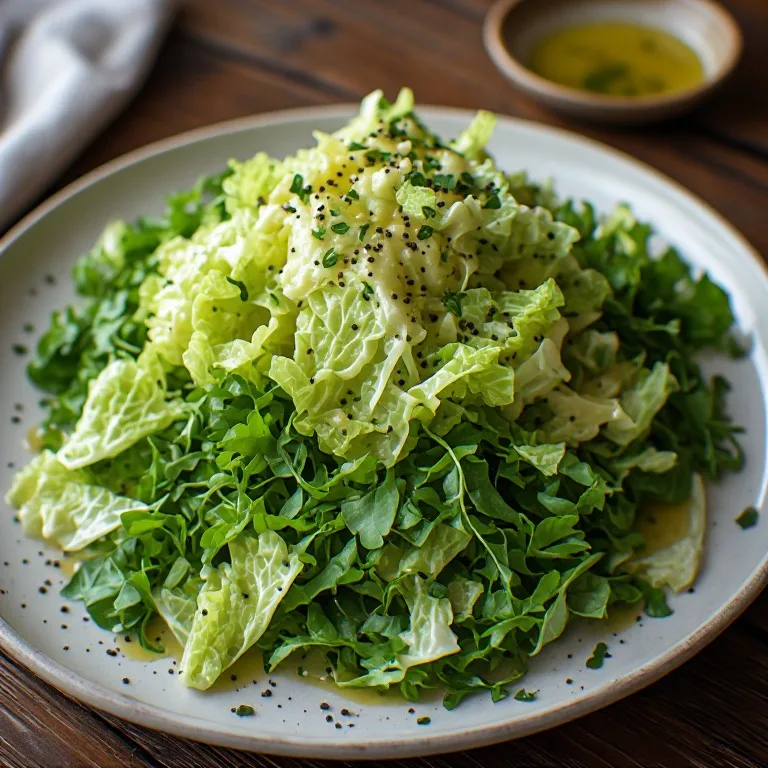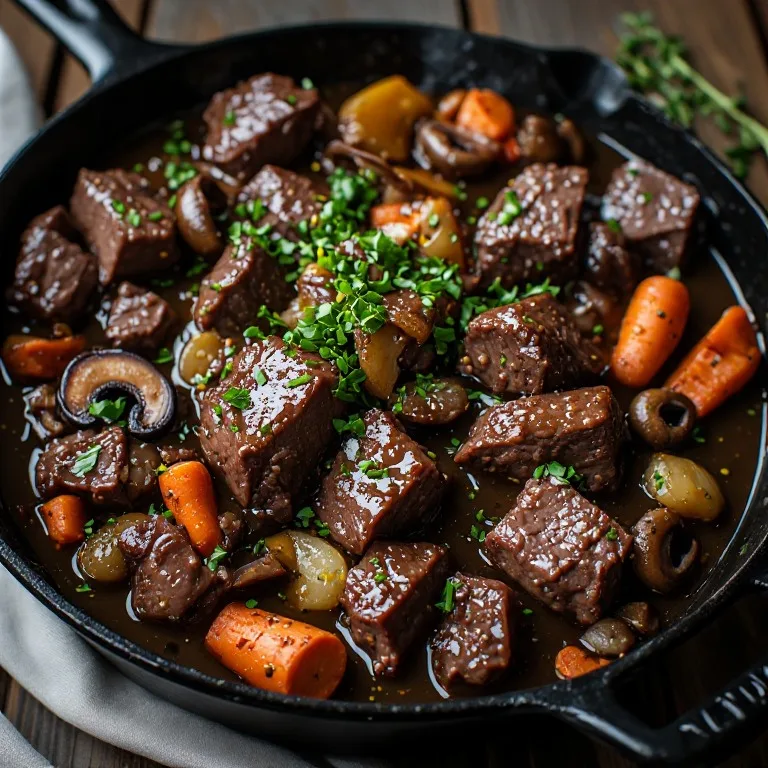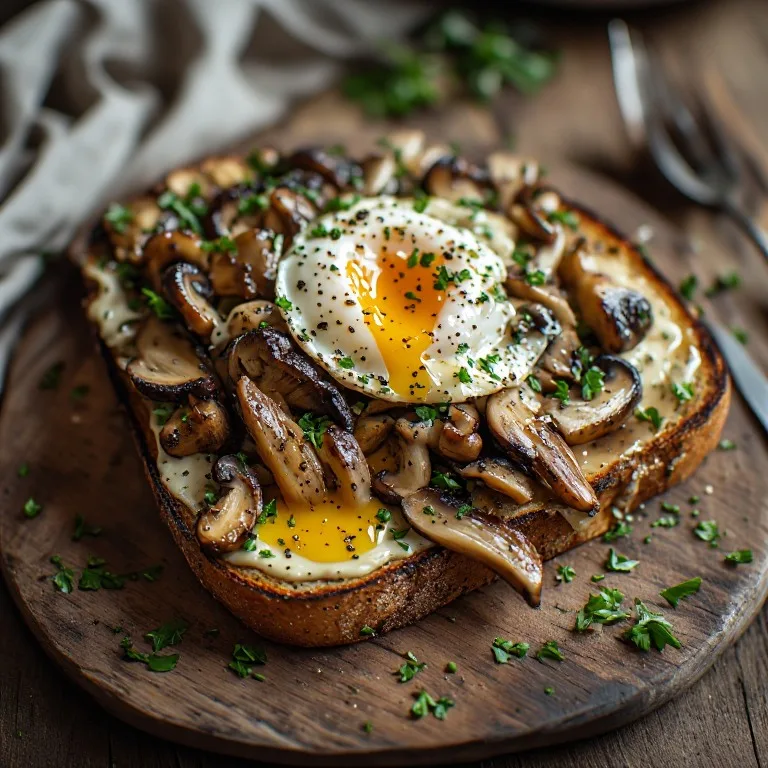



If you’ve sat at the long oak bar in the Tavern at Gramercy Tavern in October, you’ve probably eyed the mushroom tartine — earthy seared mushrooms piled on grilled sourdough with herb butter, a cold-weather fixture on their à la carte menu. This recipe takes that idea and dresses it up for a dinner table: the same deeply seared wild mushrooms, bound in a light tarragon cream, crowned with a barely-set poached egg and a scatter of shaved Parmigiano-Reggiano. It arrives looking almost absurdly generous — the kind of plate that makes you want a second before you’ve finished the first.
The whole thing hinges on two things: searing the mushrooms correctly (high heat, no stirring, small batches) and not over-reducing the cream.
The Halloween Angle
Dark-seared hen of the woods and wild chanterelles are some of the most visually dramatic food you can cook in October. Maitake mushrooms char to near-black at the edges with frilly, crinkled caps that look like something found at the forest floor. Golden chanterelles go deep amber when seared. Piled on grilled sourdough with a pale soft-cooked egg and a few thyme sprigs, the assembled toast looks genuinely Halloween-appropriate without any forced decoration. It’s one of the few dishes that belongs on a spooky October dinner table by virtue of what it actually is.
The Mushroom Sear
This is the one technique you must get right. Wild mushrooms are 85 to 92% water by weight. In a crowded or lukewarm pan, that water releases as steam, the temperature drops, and the mushrooms boil in their own liquid — producing gray, textureless results and a watery sauce. In a very hot pan with space, the surface water evaporates on contact and the mushroom cell walls make direct contact with hot metal, triggering the Maillard reaction within the first 30 seconds. The result is a deep mahogany crust, concentrated flavor, and a texture that’s firm enough to hold its shape under the cream.
The rule is simple: let them sit. Two full minutes without stirring, pan on maximum heat, mushrooms in a single layer with space between them. When you see the underside has developed a deep brown crust — not tan, not golden, but genuinely brown — that’s when you toss them once and give them one more minute. Any earlier and you tear the crust and release moisture.
The Cream Reduction
The cream in this dish is not a cream sauce — it’s a binder. Thirty seconds too long and it thickens into something that muffles the mushroom flavor rather than amplifying it. The correct endpoint is when the cream has reduced by half and just barely coats the back of a spoon while still flowing freely. At that point, pull the pan off the heat and stir in the tarragon and parsley, which wilt gently in the residual heat without losing their freshness.
The Egg
Poaching eggs at home intimidates people disproportionately to how difficult it actually is. The key is temperature: the water should be at a barely-visible simmer (small bubbles rising from the bottom, not a rolling boil). A gentle swirl before you slip the egg in helps the whites wrap around the yolk. Three minutes, not four. Four gives you a partially set yolk that no longer runs when cut. You want the yolk to break at the table, which it will, under the weight of the mushrooms.
If poaching feels stressful for a party, a soft-fried egg — butter in a nonstick pan over medium-low heat, covered, for 2.5 minutes — is an acceptable restaurant-quality substitute.