

Pin It

Joe's Stone Crab Hash Browns (The Greatest Hash Browns, Made at Home)

Joe's Stone Crab Hash Browns (The Greatest Hash Browns, Made at Home)
Jump to Recipe
Prep 20 min Cook 25 min Serves 4
Quick answer: Peel and grate 2 lbs russet potatoes on the large holes of a box grater. Gather into a kitchen towel, squeeze hard until no more water comes out — then season with 1 tsp kosher salt and ½ tsp pepper, wait 2 minutes, and squeeze again (the salt draws out a second round of moisture that most recipes skip). Heat a 10- to 12-inch cast iron skillet over medium-high with 2 tablespoons clarified butter and 1 tablespoon neutral oil until the fat shimmers and just begins to smoke. Add the potato mixture, flatten into an even layer, and press firmly with a wide spatula. Cook without touching for 8 to 10 minutes until the bottom is deeply golden — lift one edge to check before flipping. Slide the cake onto a plate, add the remaining 1 tablespoon clarified butter to the pan, then invert back into the skillet. Cook another 8 to 10 minutes. Slide onto a cutting board, season the top with the remaining ½ teaspoon salt, and cut into wedges. The two things most versions miss: (1) clarified butter — milk solids in whole butter burn before the crust has time to form; (2) the double-squeeze — soggy hash browns are almost always a moisture problem, not a heat problem.

Shop the tools

Gear matched to this recipe. These are Amazon affiliate links — we may earn a small commission if you buy, at no extra cost to you.

As an Amazon Associate, Copycat Spices earns from qualifying purchases. Product images are generic illustrations, not the exact item listed.

Joe's Stone Crab Hash Browns (The Greatest Hash Browns, Made at Home)

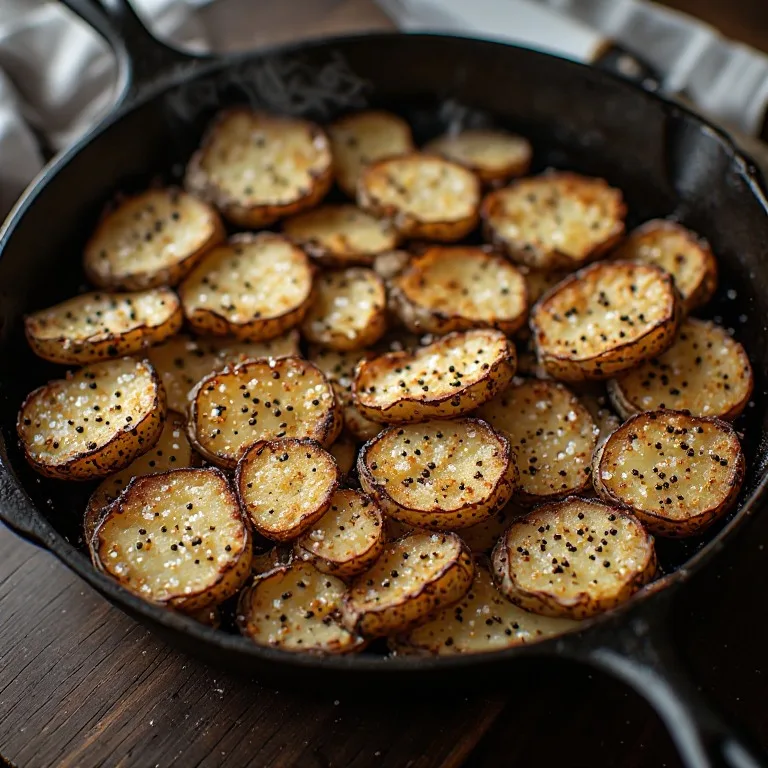
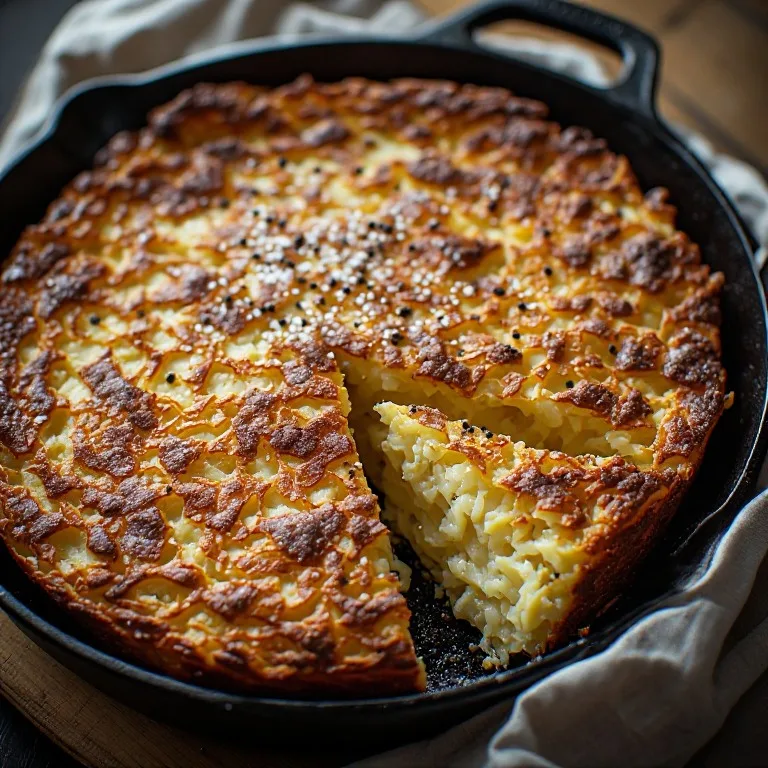
Joe's Stone Crab hash browns in a cast-iron skillet at home: two tricks most recipes miss — clarified butter (so the crust forms before the fat burns) and squeezing the grated potato completely dry twice. Crispy lacquered shell, tender interior, better than any diner.

Easy Prep: 20 min Cook: 25 min Total: 45 min4 servings ~$2.45/serving
Prep20 min
Cook25 min
Total45 min
Servings
4
At home~$2.45/serving
vs
Restaurant~$11.02/serving
You save ~78%

The Story Behind the Recipe

Joe Weiss, a Hungarian-born former waiter, came to Miami in 1913 on his doctor's advice for his asthma and started serving fish fries on the front porch of the family bungalow near the southern tip of Miami Beach — the lunch stand that grew into Joe's Stone Crab. Stone crab claws were not part of the original plan. The lore, repeated across the restaurant's own history and most accounts, is that around 1921 a Harvard ichthyologist (some versions credit a local aquarium owner) brought Joe a haul of stone crabs, a then-discarded catch, and suggested he try cooking them. Jennie Weiss, Joe's wife, ran the kitchen, and the sides she developed — the hash browns, creamed spinach, and coleslaw — became legends in their own right. Stone crab season opened October 15, 2026, and for the next six and a half months the restaurant will run two seatings a night with lines that make reservations effectively meaningless.

The hash browns have been on the menu long enough to qualify as institutional, and they're routinely singled out as some of the best in American restaurant dining — an endorsement the restaurant neither publicizes nor needs, because the dish has been on the menu for generations. A side order runs roughly $11 to $14 at current season prices. A dinner for two with medium stone crab claws and a round of sides runs well over $150 before drinks and tip. The hash browns at home cost a few dollars for the whole pan and take less than half an hour. The technique is the same one high-end steakhouses have used for decades: clarified butter (no milk solids to burn before the crust forms), as much moisture removed from the potato as physically possible, and patience — do not touch the pan for eight to ten minutes while the crust builds.

Nutrition Facts

Per serving (4 servings)
Calories275
Total Fat13g
Total Carbs38g
Dietary Fiber3g
Sugars2g
Protein4g
Sodium375mg

* Estimated values based on standard recipe preparation. Actual values may vary.

Ingredients

Instructions

💡
Pro tip: This recipe tastes even better the next day. The flavors need time to meld together in the fridge.
❄️
Storage: Keeps in an airtight container in the fridge for up to 2 weeks. Freezer-friendly for up to 3 months.
🦃 Free Thanksgiving cookbook — download now The Copycat Thanksgiving Cookbook A ready-made, photo-illustrated PDF of our best thanksgiving copycat recipes — free to download, no building required. Pay what you want to support if you love it.

Free PDF — instant download. We'll also send new seasonal copycat recipes now and then; unsubscribe anytime. Or just download it →

Joe’s Stone Crab Hash Browns (The Greatest Hash Browns, Made at Home)

Prep time: 20 min Cook time: 25 min Yield: 1 large hash brown cake, serves 4 as a side

TL;DR: Joe’s Stone Crab hash browns are a cast-iron potato cake with a crispy lacquered shell and a soft, tender interior — a side dish that’s been famous since long before stone crab claws became the headliner. The restaurant charges roughly $11–14 per side; the home version costs a few dollars. Two technique steps most recipes miss: (1) clarified butter, so the crust sets before the fat burns; (2) a double-squeeze of the shredded potato after seasoning with salt, which draws out a second round of moisture and is the difference between a crispy crust and a soggy one. Stone crab season opened October 15, 2026.

Joe’s Stone Crab traces back to 1913, and by any reasonable measure the hash browns have been on the menu long enough to qualify as institutional. They’re consistently named among the best hash browns in American restaurant dining — the kind of side dish regulars order even when the stone crab claws are the reason they came. The restaurant does not advertise the recipe. It does not have to.

The hash browns are a Jennie Weiss creation. Joe’s wife was the culinary force behind the restaurant — while Joe ran the floor, Jennie ran the kitchen, and the sides she developed (hash browns, creamed spinach, and coleslaw) have outlasted every trend the restaurant has navigated across four generations of family ownership.

What Makes the Restaurant Version Different

Two variables separate Joe’s hash browns from diner versions and most home recipes.

Clarified butter

Whole butter is roughly 80 percent fat, 15 to 20 percent water and milk solids. The milk solids — the proteins and sugars — begin to brown at around 300°F and burn above 350°F. A crispy steakhouse hash brown crust requires sustained high heat (400°F range) to lacquer the surface of the grated potato into a properly formed crust. At the temperatures needed, whole butter’s milk solids scorch before the crust has time to set.

Clarified butter (ghee) removes the milk solids and water. What remains is essentially pure butterfat, with a smoke point above 450°F. The result: you can maintain high heat long enough to form a properly golden crust that has actual crunch, not just softened brown potato.

FatSmoke pointResult
Whole butter~300°FBurns before crust forms; bitter flavor
Whole butter + neutral oil (50/50)~375°FWorks; acceptable but not optimal
Clarified butter / ghee~450°FCorrect; even golden crust without burning
Neutral oil alone~400–450°FCrispy but lacks richness; use if dairy-free

The double-squeeze

Russet potatoes are roughly 80 percent water. One hard squeeze in a kitchen towel removes a significant amount of that water, which is why most recipes include a squeeze step. What most recipes miss is that salt draws additional moisture out of the potato cells through osmosis — and there is always more moisture to remove than a single unsalted squeeze captures.

The sequence: squeeze, season with salt, wait 2 minutes, squeeze again. The second squeeze yields another notable wave of liquid. The potato mixture that goes into the pan after the double-squeeze is meaningfully drier than the single-squeeze version — and drier potato in a hot fat pan is the direct cause of a properly formed, stay-crispy crust.

The Hash Brown, at the Restaurant vs. at Home
Joe’s Stone CrabHome version
Cost per portion$11–14~$1 (a few dollars per pan)
TechniqueCast iron, clarified butter, pressed cakeSame
ServingSingle large cake cut at the tableSame, or individual 4-inch rounds
When availableStone crab season: Oct 15 – May 1Year-round
Wait timeLonger than the hash brownsAbout 25 minutes
Serving Notes

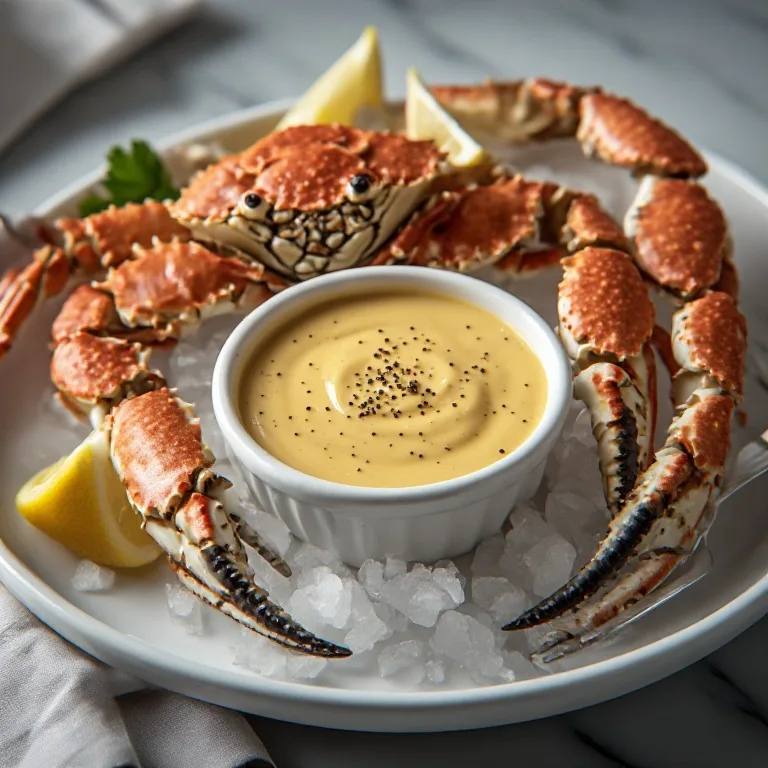
Joe’s serves the hash browns as a side alongside the stone crab claws, which arrive pre-cracked and chilled with ramekins of the cold mustard sauce. The hash browns bridge that temperature contrast: hot, crispy, slightly salted. At home, serve immediately — the crust softens within 5 to 10 minutes as internal steam continues to work on it, and no technique reverses that process once it starts.

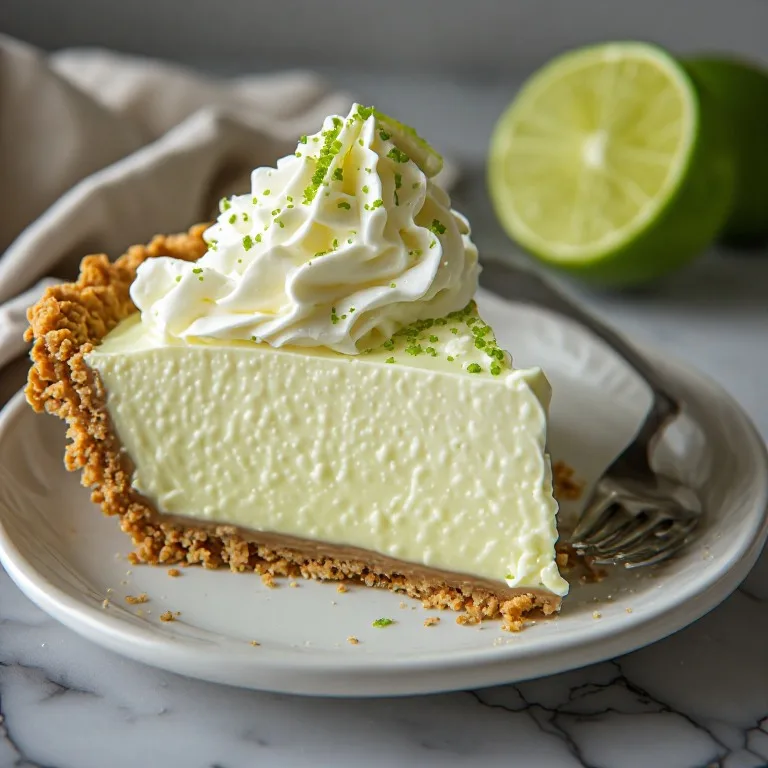
Pairing them with the Joe’s Stone Crab mustard sauce (the recipe is on this site) works better than it sounds: a crispy potato wedge dipped in cold, sharp mustard sauce is one of the classic Joe’s table combinations. The key lime pie closes the meal the way it has closed every meal at Joe’s since the 1920s.
🥗

Make It Healthier

Love Joe's Stone Crab Hash Browns (The Greatest Hash Browns, Made at Home) but want a lighter version? Try these simple swaps:

  • ✓Use 1½ tablespoons clarified butter and 1 tablespoon neutral oil instead of 3 tablespoons total fat — the crust still forms, but takes 2 to 3 minutes longer per side; cook on medium rather than medium-high to avoid burning with less fat.
  • ✓Yukon Gold potatoes have slightly fewer calories than russets (about 10% less per pound) and a natural buttery flavor that reduces the amount of fat needed to taste rich.
  • ✓Make individual 4-inch patties instead of one large cake — they cook through faster and require less time in the fat, slightly reducing overall fat absorption. Press each one firmly with the back of a spatula.
  • ✓The hash browns are naturally gluten-free and dairy-free if you substitute ghee (milk solids removed) with a neutral oil — the crust won't be quite as rich but is still crispy.

Frequently Asked Questions

Why use clarified butter instead of regular butter for hash browns?

Whole butter contains about 15 to 20 percent water and milk solids. At the high heat needed to form a crispy hash brown crust, the milk solids scorch and turn brown before the potato crust has time to properly set — giving the result a slightly bitter, burnt flavor and an uneven golden color. Clarified butter (also sold as ghee) has the milk solids removed, so the fat can be held at the higher temperature the crust requires without burning. You can substitute a 50/50 blend of whole butter and neutral oil (the oil raises the smoke point of the mixture), but pure clarified butter or ghee produces the most evenly golden, clean-tasting crust. It is available at most grocery stores in the dairy section or health food aisle.

Why are my hash browns soggy instead of crispy?

In almost every case, soggy hash browns are a moisture problem. Potatoes are roughly 80 percent water, and shredded potato releases a great deal of liquid as it sits. The squeeze step in this recipe is the most important technique step — you want to remove as much moisture as possible before the potato hits the pan. The standard single-squeeze in most recipes leaves more water in the potato than you realize. The double-squeeze (season with salt, wait 2 minutes, squeeze again) draws out a second, significant wave of moisture that the initial squeeze left behind. Beyond moisture, common causes of soggy hash browns: starting with a pan that isn't hot enough (fat should shimmer and just start to smoke before adding potato), lifting or moving the potato before the crust has set (the steam needs to escape upward, not sideways), and using waxy potatoes (Yukon Golds work, but their lower starch content produces a slightly less crispy crust than russets).

What kind of potatoes make the crispiest hash browns?

Russet potatoes (Idaho potatoes) are the standard for crispy hash browns because their high starch content helps the exterior lacquer into a crispy crust while the interior steams into a fluffy, tender texture. Yukon Golds have a slightly waxy texture and lower starch content — they produce good hash browns with a more buttery flavor, but the crust is not as dramatically crispy. Red and fingerling potatoes are too waxy for this technique and will not form a proper crust. For Joe's style, russets are the correct choice.

Can I add onion to the hash browns?

Yes. Many steakhouse-style hash browns include a small amount of finely grated or very finely diced white onion. Use about 2 tablespoons of grated onion per 2 pounds of potato — enough to add flavor without making the potato mixture wetter than it already is. Squeeze the grated onion separately in a clean towel to remove its liquid before mixing with the potato. Yellow or white onion works; red onion turns a slightly purple-pink color when cooked and is less traditional here. Shallot (about 1 large, finely grated) is a more elegant option that adds a mild allium note without the intensity of raw onion.

How do I know when the hash browns are ready to flip?

Gently lift one edge of the potato cake with a thin spatula and look at the underside. It should be deeply golden brown — not pale yellow, not dark brown, but the color of a well-toasted piece of bread. If it's releasing cleanly from the pan and the color is right, it's ready. If it's still sticking or pale, let it cook another 2 minutes before checking again. Resist the urge to press down repeatedly — pressing is useful once at the start to compact the cake, but repeated pressing through the cooking process forces moisture back out and can make the crust uneven. The 8 to 10 minute time range assumes medium-high heat on a well-seasoned cast iron skillet. On a stainless pan, use the same time range but watch carefully — heat distribution is different.

Can I make these hash browns ahead of time?

Hash browns are at their best immediately after cooking — the crust softens quickly as residual steam continues to work on it from inside. That said, you can prep the shredded potato up to 4 hours ahead: shred, squeeze dry, and store the dry shredded potato (not mixed with salt yet) in a bowl covered with plastic wrap pressed directly onto the potato surface to prevent oxidation. Season and do the second squeeze just before cooking. The cooked hash browns can be held in a 225°F oven on a wire rack for up to 20 minutes without significant loss of crispiness — a wire rack allows steam to escape from the bottom, which helps maintain the crust.

How much does it cost to eat at Joe's Stone Crab versus making the hash browns at home?

For the 2026–27 season, a side order of hash browns at Joe's runs roughly $11 to $14. Dinner for two with a standard order of medium stone crab claws, a couple of sides, and a dessert typically runs well over $150 before drinks and tip, and climbs quickly with larger claws. (The restaurant does not take reservations during peak season — the line is how you get in.) The hash browns at home cost a few dollars in ingredients for a whole pan that serves four to six. Stone crab claws, the star of the meal, can be ordered online from Florida stone crab distributors during the October 15 through May 1 season; retail prices in recent seasons have ranged from around $35 per pound for medium claws to $75 or more per pound for colossal. The claws are pre-cooked and chilled — they arrive ready to crack and dip.

What is the stone crab season and why is it limited?

Florida stone crab season runs from October 15 through May 1 each year. The season is regulated by the Florida Fish and Wildlife Conservation Commission to protect the crab population. The claw is removed from the live animal, which is then returned to the water — harvesters are encouraged to take only one claw so the crab can still feed and defend itself. A harvested claw regrows to harvestable size over roughly a year of molting, and a crab can regenerate a claw multiple times across its life. The closed summer season lets the population recover, part of why stone crab is often cited as one of the more sustainable commercially harvested seafoods. The large majority of the U.S. stone crab supply comes from Florida waters.

Love this recipe? Share it!

Free PDF: our 12 most-wanted copycat recipes — instant download.

Made it? Buy us a coffee

Every recipe here is free, with no paywalls. If this one was a hit at your table, a small tip keeps new copycats coming.

$

Joe's Stone Crab is a trademark of its owner, used here only to describe the dish this recipe recreates. This is an independent copycat written in our own words — Copycat Spices is not affiliated with, endorsed by or sponsored by Joe's Stone Crab.

Ratings & Reviews

—
No ratings yet

Rate this recipe

Click a star to rate

Leave a Review

0/500

CS

Copycat Spices Editorial

Researched + fact-checked. Every recipe on Copycat Spices is built from published sources — official ingredient lists, brand-published recipes, interviews and food-science references — and fact-checked before it goes live, then written as clear, step-by-step instructions for home cooks of all skill levels.

Learn more about our mission →