

Pin It

Joe's Stone Crab Mustard Sauce (Two Ingredients Most Recipes Skip)

Joe's Stone Crab Mustard Sauce (Two Ingredients Most Recipes Skip)
Jump to Recipe
Prep 5 min Cook 0 min Serves 8 (about 1 cup)
Quick answer: Whisk together 1 cup mayonnaise, 2 tablespoons half & half, 1 tablespoon plus 1 teaspoon Colman's dry mustard powder, 2 teaspoons Worcestershire sauce, and 1 teaspoon A.1. Steak Sauce in a small bowl. Season with a pinch of kosher salt and a few grinds of black pepper. Cover and refrigerate for at least 30 minutes before serving — the resting time is not optional; the dry mustard needs time to bloom in the fat of the mayonnaise and develop its full pungency. Serve cold alongside chilled, pre-cracked stone crab claws. The sauce keeps up to 5 days refrigerated. Most copycat versions miss two key ingredients: the dry mustard powder (Colman's English hot mustard, not prepared mustard — dry mustard blooms in fat with a sharp, clean heat that prepared mustard cannot replicate) and the A.1. Steak Sauce (one teaspoon adds a dark, savory-sweet background complexity that makes the sauce taste like more than mustard-plus-mayo). The half & half lightens the mayonnaise base just enough to make the sauce pourable and elegant. This is the entire sauce.

Shop the tools

Gear matched to this recipe. These are Amazon affiliate links — we may earn a small commission if you buy, at no extra cost to you.

As an Amazon Associate, Copycat Spices earns from qualifying purchases. Product images are generic illustrations, not the exact item listed.

Joe's Stone Crab Mustard Sauce (Two Ingredients Most Recipes Skip)

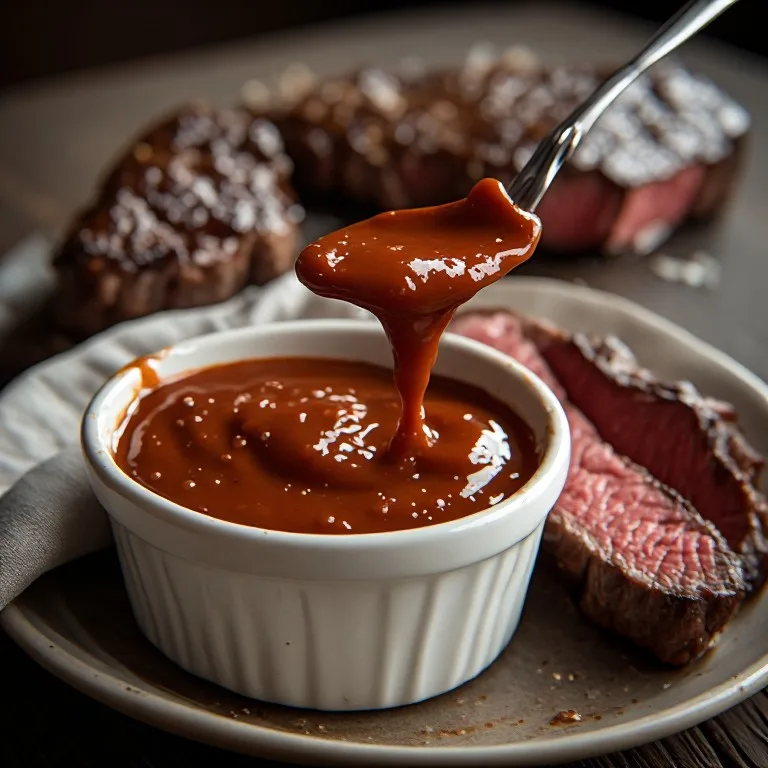
The famous Joe's Stone Crab mustard sauce, made at home: Colman's dry mustard powder (not prepared mustard) and A.1. Steak Sauce are the two ingredients most copycat versions skip. Five ingredients, five minutes, refrigerate before serving.

Easy Prep: 5 min Cook: 0 min Total: 5 min8 (about 1 cup) servings ~$2.45/serving
Prep5 min
Cook0 min
Total5 min
Servings
8
At home~$2.45/serving
vs
Restaurant~$11.02/serving
You save ~78%

The Story Behind the Recipe

The famous Joe's Stone Crab mustard sauce, made at home: Colman's dry mustard powder (not prepared mustard) and A.1. Steak Sauce are the two ingredients most copycat versions skip. Five ingredients, five minutes, refrigerate before serving.

Nutrition Facts

Per serving (8 (about 1 cup) servings)
Calories110
Total Fat12g
Total Carbs1g
Dietary Fiber0g
Sugars0g
Protein0g
Sodium190mg

* Estimated values based on standard recipe preparation. Actual values may vary.

Ingredients

Instructions

💡
Pro tip: This recipe tastes even better the next day. The flavors need time to meld together in the fridge.
❄️
Storage: Keeps in an airtight container in the fridge for up to 2 weeks. Freezer-friendly for up to 3 months.
🎃 Free Halloween cookbook — download now The Copycat Halloween Cookbook A ready-made, photo-illustrated PDF of our best halloween copycat recipes — free to download, no building required. Pay what you want to support if you love it.

Free PDF — instant download. We'll also send new seasonal copycat recipes now and then; unsubscribe anytime. Or just download it →

Copycat Joe’s Stone Crab Mustard Sauce (Two Ingredients Most Recipes Skip)

Prep time: 5 min Cook time: 0 min Yield: About 1 cup (serves 8)

TL;DR: Joe’s Stone Crab mustard sauce is five ingredients whisked together and refrigerated for 30 minutes. The two ingredients most copycat versions skip — Colman’s dry mustard powder (not prepared mustard) and A.1. Steak Sauce — are what make the restaurant version taste sharp, layered, and distinctly itself rather than like mustard-flavored mayo. Stone crab season opens October 15. The sauce takes five minutes and costs about $3 to make.

Joe’s Stone Crab opened in 1913 when Joe Weiss, a Hungarian-born former waiter from New York, moved to Miami Beach on doctor’s orders for his asthma. He and his wife Jennie set up seven or eight tables on the front porch of a rented bungalow on Biscayne Street. The restaurant is now a fourth-generation family operation at 11 Washington Ave, South Beach — more than a century in the same general location.

Stone crabs were not the original plan. An ichthyologist reportedly had to convince Joe to cook the claws at all; he thought no one would want them. He was wrong. Florida stone crab claws have become one of the most sought-after seasonal seafoods in the country, with the October 15 season opening treated in South Beach the way the Beaujolais nouveau release is treated in France. The 2026–27 season opens October 15, 2026.

The Sauce: Why the Restaurant Version Tastes Different

The sauce is not complicated. It is: mayonnaise, half & half, dry mustard powder, Worcestershire sauce, A.1. Five ingredients. The complexity comes from two of those five that most home versions omit.

Dry mustard powder

Prepared mustard — Dijon, yellow, whole grain — is already diluted. The manufacturing process adds vinegar, water, salt, and often emulsifiers before it reaches you in a jar. The result is a condiment with a fixed, rounded mustard flavor.

Dry mustard powder is pure. Ground mustard seeds with nothing added. When dry mustard powder sits in the fat of mayonnaise during refrigeration, the enzymes that were dormant in the dry state activate and develop the characteristic allyl isothiocyanate heat that gives English mustard its sharp, clean, penetrating bite. This cannot be replicated by prepared mustard at any ratio. The effect is closest to the difference between garlic powder added directly to a sauce versus garlic sautéed from raw — the aromatic compound, released into fat slowly over time, creates a different sensation than the pre-processed version.

Colman’s is the standard recommendation because its blend of white and brown mustard seeds produces the sharp, clean English-mustard heat. It is widely available in most grocery stores, typically in the condiment aisle or with dry spice blends.

A.1. Steak Sauce

The second thing most versions skip. A.1. contains tomato purée, malt vinegar, corn syrup, orange purée, raisins, and spices — a dark, slightly sweet, savory condiment that adds background complexity at one teaspoon in a one-cup batch. No one at the table will taste A.1. They will taste a sauce that seems to have more going on than mustard-plus-mayo, with a subtle dark sweetness they cannot attribute to a single ingredient. That is the A.1.

IngredientWhat it adds
MayonnaiseCreamy base, fat for the mustard to bloom in
Half & halfLightens the texture; makes it pourable, not thick
Dry mustard powderSharp, clean mustard heat — the defining flavor
Worcestershire sauceSavory depth, umami
A.1. Steak SauceDark sweetness and complexity; most copies miss this
The Stone Crab Itself

Florida stone crabs (Menippe mercenaria) are one of the few commercially harvested seafoods that genuinely regenerate faster than they are consumed. Only one claw is taken per crab — the claw is removed, and the crab is returned alive to the water. A harvested claw regrows to full size in approximately 8 months; the same crab can regenerate a claw up to three times across its lifespan.

Over 98 percent of the U.S. stone crab supply comes from Florida waters, operating under Florida Fish and Wildlife Conservation Commission regulations. The season runs from October 15 through May 1 — a four-and-a-half-month closure period each year allows the population to recover. Out-of-season harvesting is illegal.

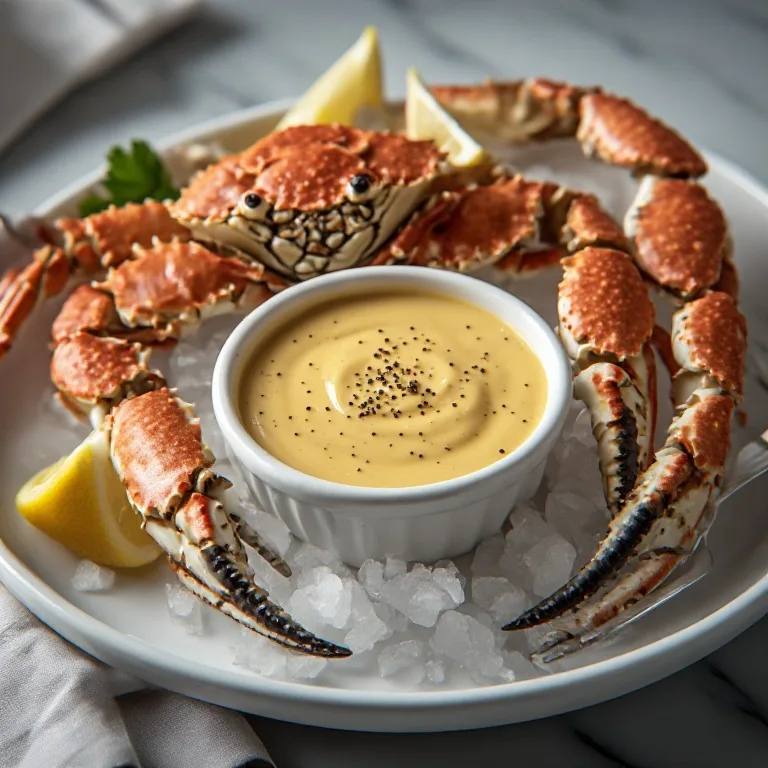
The claws arrive at the restaurant and at retail already cooked — Florida regulations require immediate cooking on the boat or on land after harvest. They are served cold, never hot. This is not laziness; heating the claws dries out the sweet, dense claw meat. Cold is correct.

At-home sourcing: Stone crab claws are increasingly available outside Florida through online seafood retailers, shipped overnight. Whole Foods, specialty seafood markets, and upscale grocery stores in major metro areas often carry them in season. Retail prices for the 2025–26 season ran roughly $35 per pound for medium claws to $75 per pound for colossal — record-high due to supply tightness and inflation. The 2026–27 season opens October 15.

How to crack them at home: Place the claw on a thick cutting board. Use a wooden mallet or the back of a heavy spoon. One firm, decisive strike at the thickest point of the claw is better than multiple light taps — a clean crack breaks the shell without driving it into the meat. Then grip the cracked shell and pull it away. At Joe’s, the kitchen pre-cracks the claws before they reach the table. Seafood scissors or a lobster cracker also work well at home.

Tips & Variations
  • Make it the night before. The 30-minute minimum is when the dry mustard blooms. Two to four hours is noticeably better. Overnight is best — the flavors integrate fully and the sauce tastes cohesive rather than freshly assembled. For a dinner party, make it the previous evening and store covered in the refrigerator.
  • Serve cold, always. Room-temperature sauce on cold claws is technically fine; warm sauce makes the mayo feel heavy. Serve directly from the refrigerator.
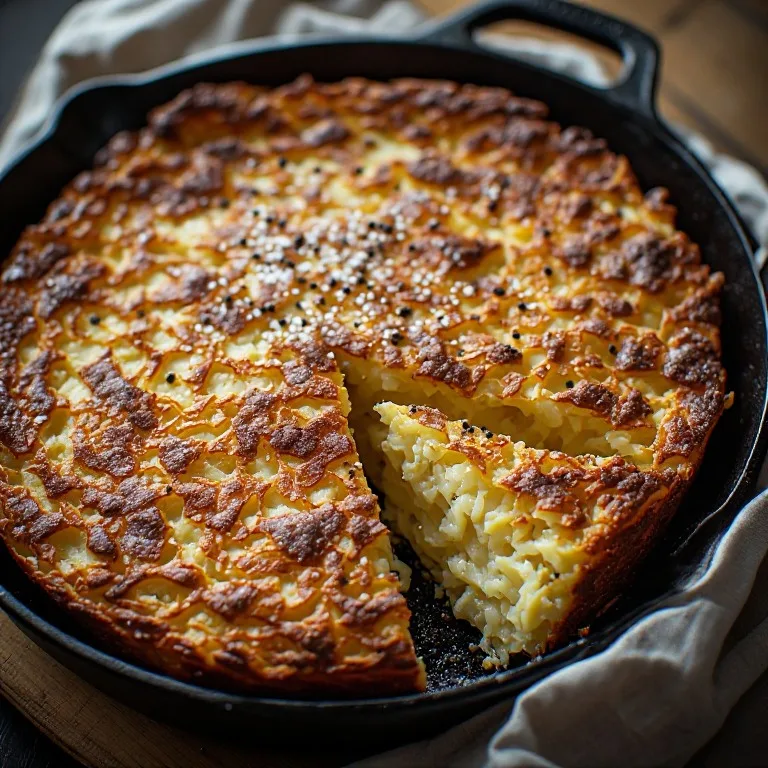
  • The hash browns pairing. Joe’s regulars have long dipped the restaurant’s legendary hash browns into the mustard sauce. At home, any crispy potato — hash browns, roasted wedges, home fries — served alongside the claws with this sauce as a dual-purpose dip is an excellent combination.
  • Beyond stone crab. The sauce works on any chilled boiled or steamed shellfish: shrimp cocktail, lobster tail, Dungeness crab, snow crab legs. The sharp mustard cuts through the sweet richness of shellfish generally.
  • Scale up easily. The recipe scales proportionally with no adjustments needed. Double or triple everything for a larger group — the ratios hold regardless of batch size.
About Joe’s Stone Crab

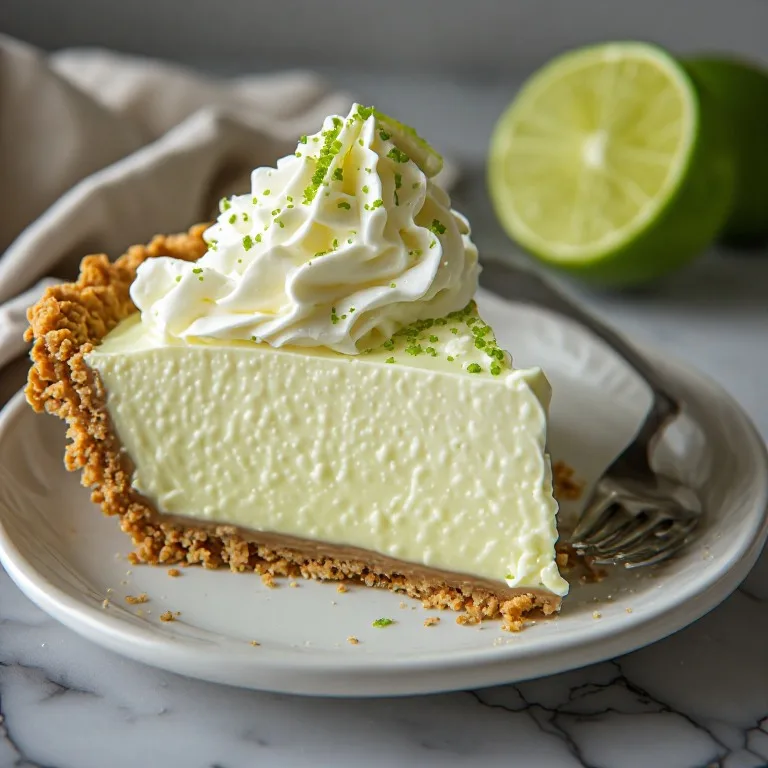
Joe’s is at 11 Washington Ave, Miami Beach, FL. It does not take general reservations for the main dining room during peak season; the line is a South Beach institution. Joe’s Take Away, at the same address, offers the same claws, the key lime pie (made in-house, properly tart), and most of the full menu without the wait.

Dinner for two with medium claws ran approximately $169 in the 2025–26 season; larger-claw orders ran $360 or more. The restaurant closes entirely during the off-season when no legal stone crab claws are available — it is specifically a seasonal institution. The October 15 opening is the event; the mustard sauce at home, at about $3 to make, is available any time.

More Fine-Dining Copycat Recipes
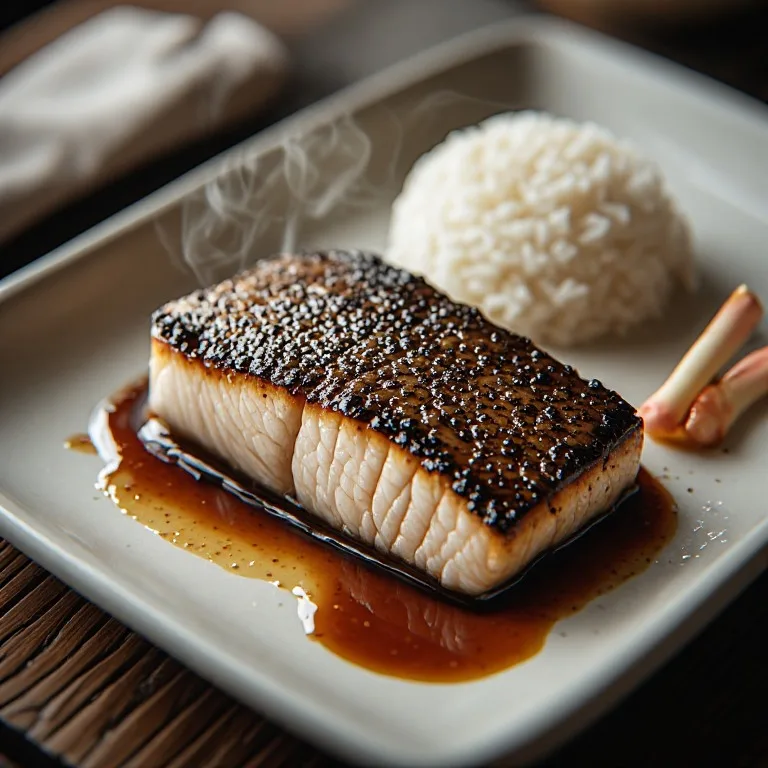
  • Copycat Nobu Black Cod Miso — the famous Nobu dish made at home: two to three days of miso marinade, a hard cast-iron sear, and a $12-per-plate result instead of $50 at the restaurant
  • Copycat Peter Luger Steak Sauce — the two ingredients most versions skip (anchovy paste and tamarind) are the difference between close and right; the reverse-sear porterhouse method included
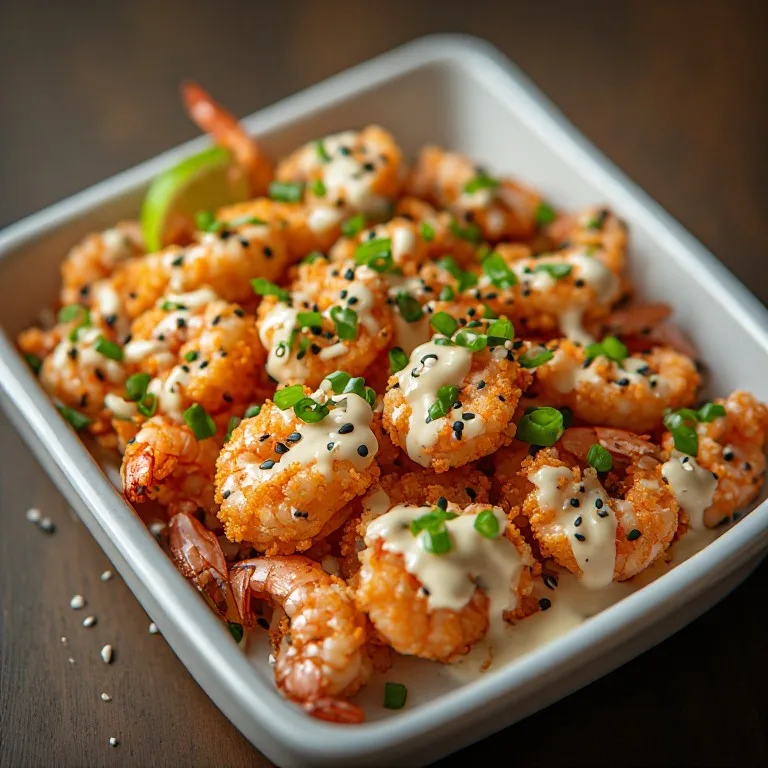
  • Copycat Bonefish Grill Bang Bang Shrimp — the original sweet-spicy mayonnaise shrimp that launched a thousand imitations, made at home with the correct sauce ratio
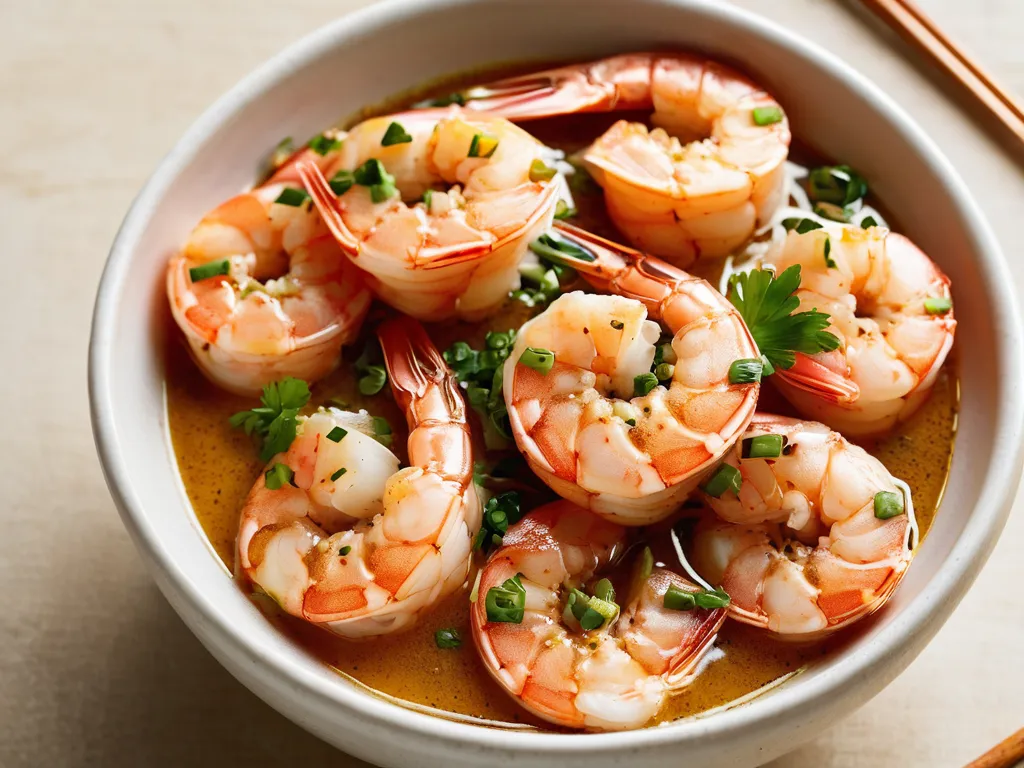
  • Copycat Benihana Garlic Butter Shrimp — the butter-garlic-soy teppanyaki shrimp replicated on a cast-iron griddle at home
🥗

Make It Healthier

Love Joe's Stone Crab Mustard Sauce (Two Ingredients Most Recipes Skip) but want a lighter version? Try these simple swaps:

  • ✓Swap half the mayonnaise for full-fat Greek yogurt (not low-fat, which turns the sauce watery) — the result is tangier and lighter, but the mustard flavor holds. Reduce the half & half to 1 tablespoon.
  • ✓Avocado-oil mayonnaise (Primal Kitchen and similar brands) works identically in this recipe and has a better fatty acid profile than standard soybean-oil mayo.
  • ✓Stone crab claw meat is a naturally lean, high-protein seafood — roughly 20g protein and under 2g fat per 3-ounce serving of meat. The sauce is where the calories concentrate; a tablespoon or two per claw is all you need.

Frequently Asked Questions

Why does Joe's mustard sauce taste different from regular mustard mayo?

Two reasons. First, dry mustard powder (Colman's English hot mustard) blooms in the fat of mayonnaise during refrigeration, developing a sharp, clean, intensely pungent heat that prepared mustard — already diluted with vinegar and water — cannot match. The dry powder creates a slow-build, penetrating mustard flavor rather than the immediate, one-dimensional tang of prepared mustard. Second, A.1. Steak Sauce adds a layer of complexity most recipes skip — a dark, savory-sweet note from A.1.'s tomato, malt vinegar, and raisin base that makes the sauce taste rounder and more interesting than mustard-plus-mayo alone. Together, these two ingredients are why the restaurant version tastes distinctive and why most home versions come close but not quite right.

Can I substitute prepared mustard for Colman's dry mustard powder?

You can, but the result is noticeably different. Prepared Dijon or yellow mustard contains vinegar, water, and often additional emulsifiers — it coats the mayo in a milder, wetter way with a fixed, rounded mustard flavor. Dry mustard powder is pure ground mustard seeds with nothing added. When it sits in the fat of mayonnaise for 30 minutes or more, it blooms and develops the characteristic English-mustard sharpness. If you must substitute: use roughly 2 tablespoons of Dijon for every 1 teaspoon of dry mustard, and taste before serving — the sauce will be significantly milder. Colman's is the standard recommendation because its blend of white and brown mustard seeds produces the characteristic sharp, clean English-mustard heat. It is widely available in grocery stores in the condiment aisle or with the dry spice blends.

What are stone crabs and why are they considered sustainable?

Florida stone crabs (Menippe mercenaria) are harvested for their claws only — the claw is removed from a live crab, and the crab is returned to the water. Stone crab claws regenerate: a claw can regrow to full size in approximately 8 months, and the same crab can regrow a claw up to three times. This makes stone crab one of the most sustainably harvested seafoods commercially available — over 98 percent of the U.S. stone crab supply comes from Florida waters under Florida Fish and Wildlife Conservation Commission oversight. The strict season (October 15 through May 1) provides a four-and-a-half-month recovery window each year. Out-of-season harvesting is illegal.

When is stone crab season and where can I buy the claws?

The Florida stone crab season runs from October 15 through May 1. The 2026–27 season opens October 15, 2026. Outside South Florida, the primary way to source stone crab claws is through online seafood retailers that ship them overnight, already cooked and chilled. Whole Foods, specialty seafood markets, and upscale grocery stores in major metro areas often carry them in season. At the 2025–26 season, retail prices ranged from approximately $35 per pound for medium claws to $75 per pound for colossal. The claws arrive already cooked — Florida regulations require immediate cooking after harvest.

How do I crack stone crab claws at home?

Place the claw on a thick cutting board. Use a wooden mallet or the back of a heavy spoon. One firm, decisive strike at the thickest part of the claw is better than multiple light taps — a clean single crack breaks the shell without pulverizing it into the meat. Then grip the cracked shell with both hands and pull it away from the exposed meat. At Joe's, the kitchen cracks the claws before they reach the table. At home, a pair of seafood scissors or a lobster cracker also works well. Serve immediately after cracking, alongside a cold ramekin of mustard sauce.

What does dinner at Joe's Stone Crab actually cost?

For the 2025–26 season, a dinner for two with medium claws started around $169 before drinks and tip; larger-claw orders ran $360 or more for two. The restaurant does not take general reservations during peak season — the line to get in is a South Beach institution. Joe's Take Away, at the same address at 11 Washington Ave, serves the same claws and the famous key lime pie without the wait. Joe's key lime pie is made in-house and is as much a reason to visit as the stone crab.

Can I make the mustard sauce ahead of time?

Yes — and it is better if you do. The 30-minute minimum is when the dry mustard blooms in the mayonnaise and develops its full pungency. After 2 to 4 hours the flavors integrate further and the sauce tastes more cohesive. Overnight is ideal. The sauce keeps up to 5 days refrigerated in a sealed container. Bring it to the table directly from the refrigerator — the sauce should be cold when it hits the chilled claws.

Love this recipe? Share it!

Free PDF: our 12 most-wanted copycat recipes — instant download.

Made it? Buy us a coffee

Every recipe here is free, with no paywalls. If this one was a hit at your table, a small tip keeps new copycats coming.

$

Joe's Stone Crab is a trademark of its owner, used here only to describe the dish this recipe recreates. This is an independent copycat written in our own words — Copycat Spices is not affiliated with, endorsed by or sponsored by Joe's Stone Crab.

Ratings & Reviews

—
No ratings yet

Rate this recipe

Click a star to rate

Leave a Review

0/500

CS

Copycat Spices Editorial

Researched + fact-checked. Every recipe on Copycat Spices is built from published sources — official ingredient lists, brand-published recipes, interviews and food-science references — and fact-checked before it goes live, then written as clear, step-by-step instructions for home cooks of all skill levels.

Learn more about our mission →