


Pin It

Peter Luger German Fried Potatoes (The Parboil Method That Makes Them Shatteringly Crispy)

Peter Luger German Fried Potatoes (The Parboil Method That Makes Them Shatteringly Crispy)
Jump to Recipe
Prep 15 min Cook 30 min Serves 4
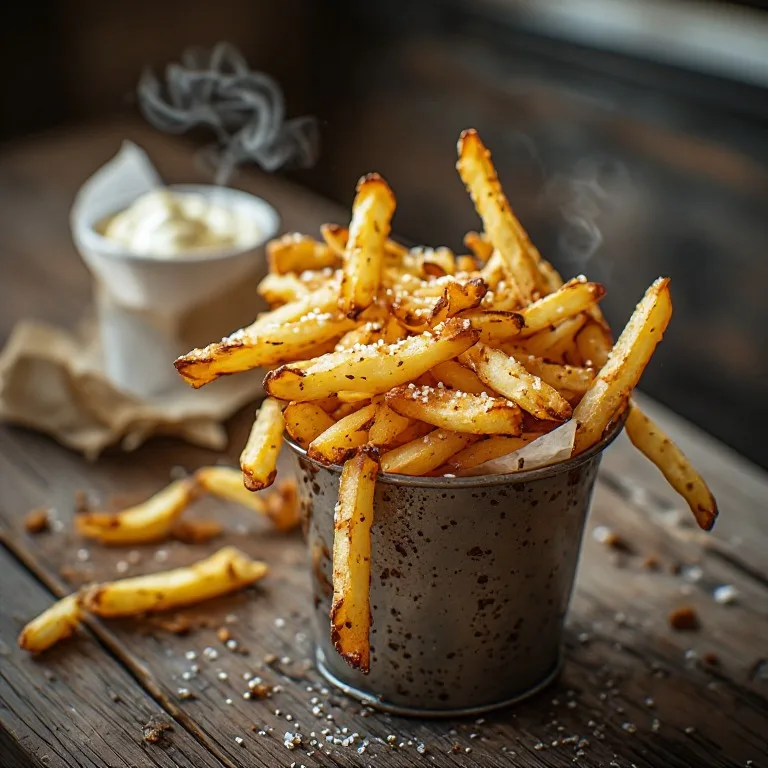
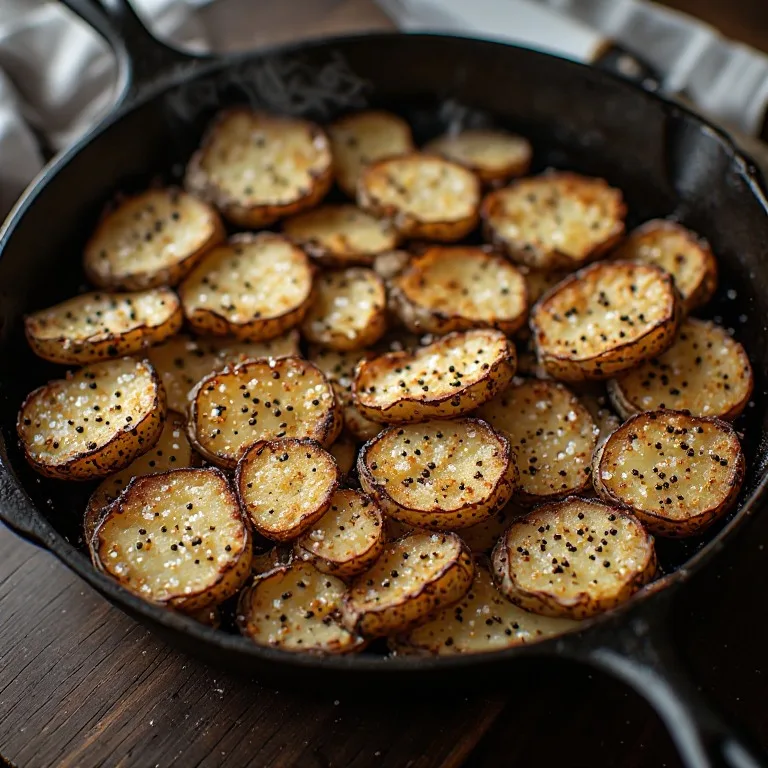
Quick answer: Boil 2 lbs of whole Russet potatoes in well-salted water (not peeled yet) until a knife just pierces with resistance — about 15 minutes from boiling; they should be firm, not fully tender. Drain and cool completely, at least 20 minutes, or refrigerate overnight. Slice into 1/4-to-3/8-inch rounds (peel if desired). Heat 3 tablespoons of beef tallow in a 12-inch cast-iron skillet over medium-high heat until shimmering and just beginning to smoke. Add potato slices in a single layer — work in batches to avoid crowding. Fry undisturbed for 3 to 4 minutes until the bottom is a deep mahogany gold. Flip once and fry another 3 to 4 minutes. Season generously with kosher salt and cracked black pepper. Serve immediately from the cast iron — these potatoes lose their shatter within 10 minutes of coming out of the pan.

Shop the tools

Gear matched to this recipe. These are Amazon affiliate links — we may earn a small commission if you buy, at no extra cost to you.

As an Amazon Associate, Copycat Spices earns from qualifying purchases. Product images are generic illustrations, not the exact item listed.

Peter Luger German Fried Potatoes (The Parboil Method That Makes Them Shatteringly Crispy)

Peter Luger's famous German Fried Potatoes at home: thick-sliced Russets parboiled until 75% done, then pan-fried in beef tallow in a screaming-hot cast iron until shattering-crispy outside and fluffy inside. The parboil is the step most homemade versions skip — and why they fail.

Easy Prep: 15 min Cook: 30 min Total: 45 min4 servings ~$3.50/serving
Prep15 min
Cook30 min
Total45 min
Servings
4
At home~$3.50/serving
vs
Restaurant~$15.75/serving
You save ~78%

The Story Behind the Recipe

Peter Luger opened in 1887 as a billiard hall in a German immigrant neighborhood in Williamsburg, Brooklyn. The neighborhood explains the potatoes: Bratkartoffeln — thick-sliced parboiled potatoes fried in rendered fat — is a staple of Central European home cooking that arrived in Williamsburg with the waves of German immigrants who settled there in the late 19th century. When Sol Forman bought the restaurant in 1950 and pivoted the menu around dry-aged prime beef, he kept the German sides intact. The potatoes stayed, swapping pork lard for the rendered beef fat coming off the same broilers that cook the porterhouse. Today, over 135 years later, they still arrive the same way: golden-crispy, glistening, in a cast-iron skillet beside the carved steak. A Porterhouse for two runs $150 to $180; the German Fried Potatoes are $25 for the table.

The technique that separates Luger's potatoes from a pan of sautéed coins is the parboil. Nearly every home cook who attempts these fails by starting with raw potatoes — the result is either a raw center or a burnt crust because both problems cannot be solved at once in the pan. Luger's kitchen parboils first: potatoes into well-salted boiling water until about 75% cooked, then drained, cooled, sliced, and dropped into screaming-hot beef tallow. The parboil means the interior is already cooked before the fat ever touches the potato — so the entire frying stage goes toward building the crust. Cold parboiled potatoes (refrigerated overnight) produce an even better result: the surface dries out, the starch sets, and the crust that forms in the tallow is genuinely shattering rather than merely golden.

Nutrition Facts

Per serving (4 servings)
Calories310
Total Fat16g
Total Carbs40g
Dietary Fiber3g
Sugars2g
Protein4g
Sodium590mg

* Estimated values based on standard recipe preparation. Actual values may vary.

Ingredients

  • Potatoes
  • For the fry
  • Optional (traditional German addition)
  • Optional garnish

Instructions

💡
Pro tip: This recipe tastes even better the next day. The flavors need time to meld together in the fridge.
❄️
Storage: Keeps in an airtight container in the fridge for up to 2 weeks. Freezer-friendly for up to 3 months.
🦃 Free Thanksgiving cookbook — download now The Copycat Thanksgiving Cookbook A ready-made, photo-illustrated PDF of our best thanksgiving copycat recipes — free to download, no building required. Pay what you want to support if you love it.

Free PDF — instant download. We'll also send new seasonal copycat recipes now and then; unsubscribe anytime. Or just download it →

Peter Luger German Fried Potatoes (The Parboil Method That Makes Them Shatteringly Crispy)

Prep time: 15 min | Cook time: 30 min (plus 20 min cooling, or overnight) | Serves: 4 as a side

Peter Luger’s German Fried Potatoes are one of the most ordered sides at the famous Brooklyn steakhouse — and one of the most misunderstood recipes to replicate at home. The technique is not difficult. The key step nearly every homemade version skips is the parboil.

Why Start with a Parboil (and Why Raw Potatoes Fail)

The pan-fried potato problem is simple: a raw Russet takes much longer to cook through the center than to brown on the outside. Start with raw potatoes in hot fat and you get a choice — raw interior or burnt exterior. There is no temperature that solves both at once.

The parboil solves it. Boil the potatoes to about 75% done — fork-tender outside, still firm in the dead center — then let them cool completely. Now when they hit the hot tallow, the interior is already cooked. The entire frying stage goes toward one thing: building crust.

Refrigerating parboiled potatoes overnight makes this even better. The surface dries out, the starch sets, and the crust that forms in the tallow is genuinely shattering — the kind that fractures when you bite rather than bends.

The Fat Matters: Why Beef Tallow

Peter Luger cooks in beef fat. The restaurant is a steakhouse — the tallow comes from trimming the same dry-aged prime beef that goes on the broiler. At home, purchased beef tallow is readily available from butchers and online. The flavor contribution is subtle but real: a beefy, savory depth in the background of every bite that vegetable oil cannot replicate.

Duck fat is the best substitute — it has a similar fat structure and produces a comparable crust with a slightly more refined flavor. Lard works. A butter-and-oil blend will produce a very good result but lacks the depth of the original.

Do not use olive oil. Its flavor profile works against the dish.

What Peter Luger’s Table Looks Like

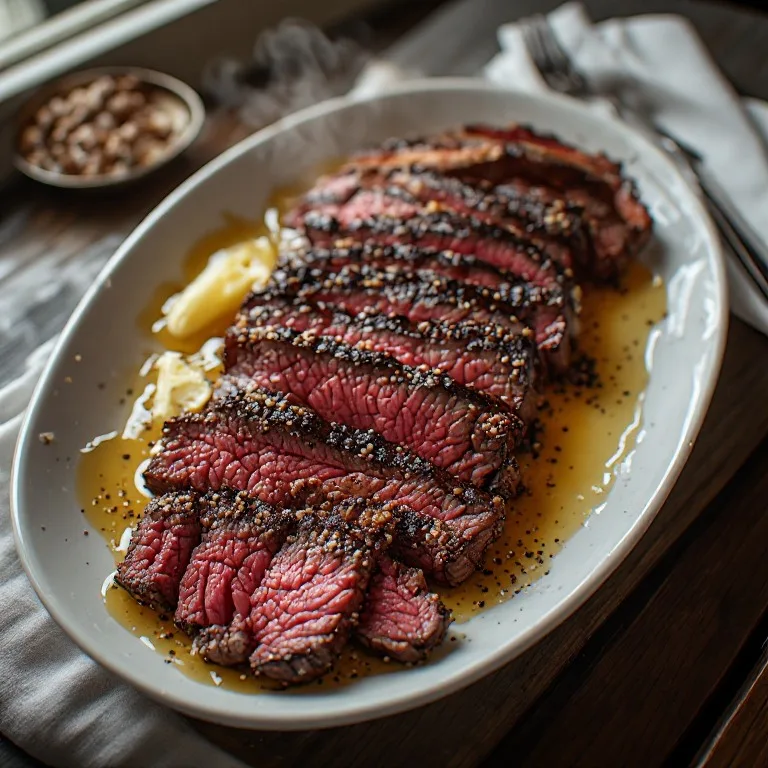
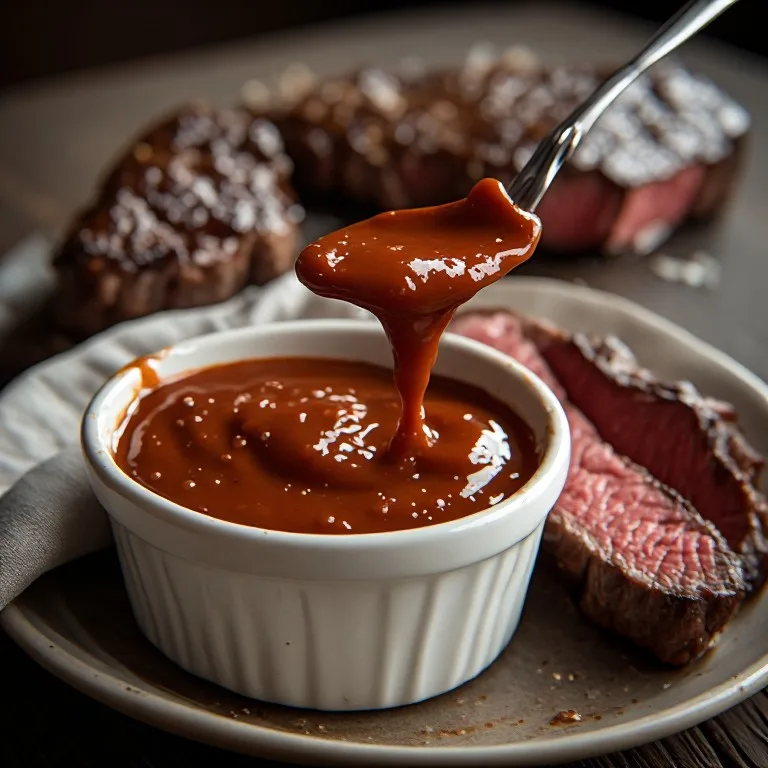
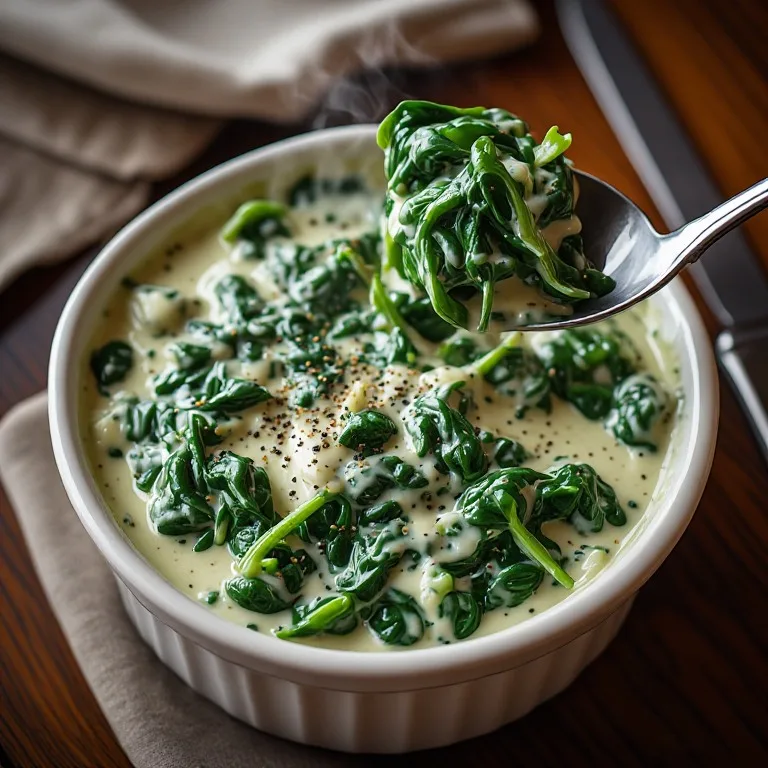
The complete steakhouse experience at home is three items: the porterhouse, the steak sauce, and these potatoes. Add a thick-sliced beefsteak tomato with raw onion rings drizzled in the steak sauce (their famous tomato-and-onion appetizer — no cooking required) and you have everything on their table. Creamed spinach is the fourth side if you want to go further.

Both the Peter Luger porterhouse and steak sauce recipes are on this site. The potatoes are what most home cooks skip — don’t.

More Peter Luger & Steakhouse Side Recipes
🥗

Make It Healthier

Love Peter Luger German Fried Potatoes (The Parboil Method That Makes Them Shatteringly Crispy) but want a lighter version? Try these simple swaps:

  • ✓Use 1.5 tablespoons of tallow instead of 3 — the crust will be slightly less substantial but still genuinely crispy from the parboil technique; add a splash of water to the pan and cover briefly after flipping to help the center stay fluffy with less fat
  • ✓Duck fat is a meaningful upgrade over vegetable oil and has a better fat profile than beef tallow — it delivers an almost identical crust with a more refined flavor and is the traditional substitute when beef fat isn't available
  • ✓Leave the skins on — they crisp up beautifully and add fiber and resistant starch (the parboiling process itself increases resistant starch, which has a lower glycemic impact than regular cooked potato starch)
  • ✓Serve as a shared side for the whole table rather than an individual portion — the cast-iron presentation makes this natural, and sharing cuts the effective calories per person

Frequently Asked Questions

What actually makes Peter Luger's German Fried Potatoes different from regular pan-fried potatoes?

Three things: parboiling, beef tallow, and thickness. Most home versions start with raw potatoes, which means the exterior turns golden before the interior is cooked — so you're choosing between a raw center or a burnt crust. Parboiling to about 75% doneness solves this completely: the interior is already cooked before the fat even touches the potato, so the entire frying stage goes toward building crust. Beef tallow adds a subtle, beefy richness that vegetable oil and butter cannot replicate — this is the background flavor you're tasting when you eat these in Williamsburg and can't quite identify. The thick cut (1/4 to 3/8 inch rather than thin-sliced) gives you a genuinely fluffy interior with a shattering exterior, rather than all-crispy-no-interior chips.

Where do I get beef tallow, and what is the closest substitute?

Butcher shops are the best source for freshly rendered tallow; national online brands include Fat Works and Epic Provisions (both shelf-stable). Some Walmart and Whole Foods stores carry rendered beef tallow in the cooking fat section. If you cannot find beef tallow: duck fat is the best substitute — it has a similar fat structure and gives you comparable richness with a slightly more refined flavor (Peter Luger's recipe depends on animal fat; duck fat honors that spirit). Lard works as a second substitute. A 50/50 blend of neutral vegetable oil and unsalted butter will produce a very good result but lacks the beefy depth of the original.

Can I make these ahead for a dinner party or Thanksgiving?

Partially, and this actually improves them. Parboil the potatoes whole up to 2 days ahead and refrigerate uncovered — cold parboiled potatoes slice more cleanly and fry more crisply than warm ones (the surface dries out in the refrigerator, which helps the crust form faster). But once fried, serve immediately. Fried potatoes do not reheat well — they lose their shatter within 10 minutes and turn greasy in the refrigerator. The workflow for a dinner party: parboil and refrigerate up to 2 days ahead, fry in the cast iron in the last 8 minutes before the meal goes to the table.

Why are they called German fried potatoes?

The name comes from Bratkartoffeln — the Central European technique of pan-frying thick-sliced parboiled potatoes in rendered fat, typically with onion and bacon lard. Peter Luger opened in 1887 in a German immigrant neighborhood in Williamsburg, Brooklyn, and the menu reflected the community it served. The dish has been on the menu for over 135 years, outlasting the neighborhood's German identity by nearly a century. At Luger's, the lard was replaced by the rendered beef fat from the same dry-aged steaks coming off the broiler — which is how the potatoes ended up tasting of beef rather than pork.

Should I peel the potatoes or leave the skins on?

Peter Luger peels theirs. At home, leaving the skin on is acceptable and produces a rustically textured result — the skin crisps beautifully in the tallow and adds a satisfying chewiness. Peeling before parboiling is the more accurate recreation. An efficient compromise: parboil with skins on, then peel when still warm just before slicing — the skins pull off cleanly in large pieces with almost no effort when the potato has just been boiled.

When should I add onions, and do they go in with the potatoes?

Onions are traditional in German fried potatoes and are correct for Luger's version. Use one medium yellow onion, halved and thinly sliced. Do not add them at the same time as the potatoes — the onion will burn before the potatoes finish. Add them when the potatoes are on their second side (about 3 to 4 minutes before done), push the potatoes to the perimeter of the pan, add the onion slices to the hot fat in the center, and cook until softened and beginning to caramelize, about 3 minutes. Then toss everything together for the final minute. Season the whole pan together before serving.

What else should I make from Peter Luger for a steakhouse dinner at home?

The three-item Luger meal is the porterhouse, the steak sauce, and these potatoes. If you want the full table: a thick-sliced beefsteak tomato with raw onion rings drizzled generously in the steak sauce is their tomato-and-onion appetizer — no cooking required, just the sauce. Creamed spinach rounds out the fourth side dish. The Peter Luger porterhouse and steak sauce recipes are both on this site and were written to be made together.

Love this recipe? Share it!

Free PDF: our 12 most-wanted copycat recipes — instant download.

Made it? Buy us a coffee

Every recipe here is free, with no paywalls. If this one was a hit at your table, a small tip keeps new copycats coming.

$

Peter Luger is a trademark of its owner, used here only to describe the dish this recipe recreates. This is an independent copycat written in our own words — Copycat Spices is not affiliated with, endorsed by or sponsored by Peter Luger.

Ratings & Reviews

—
No ratings yet

Rate this recipe

Click a star to rate

Leave a Review

0/500

CS

Copycat Spices Editorial

Researched + fact-checked. Every recipe on Copycat Spices is built from published sources — official ingredient lists, brand-published recipes, interviews and food-science references — and fact-checked before it goes live, then written as clear, step-by-step instructions for home cooks of all skill levels.

Learn more about our mission →