Pin It

Copycat LongHorn Steakhouse Honey Wheat Bread

Copycat LongHorn Steakhouse Honey Wheat Bread
Jump to Recipe
Prep 20 min Cook 28 min Serves 1 loaf (about 12 slices)
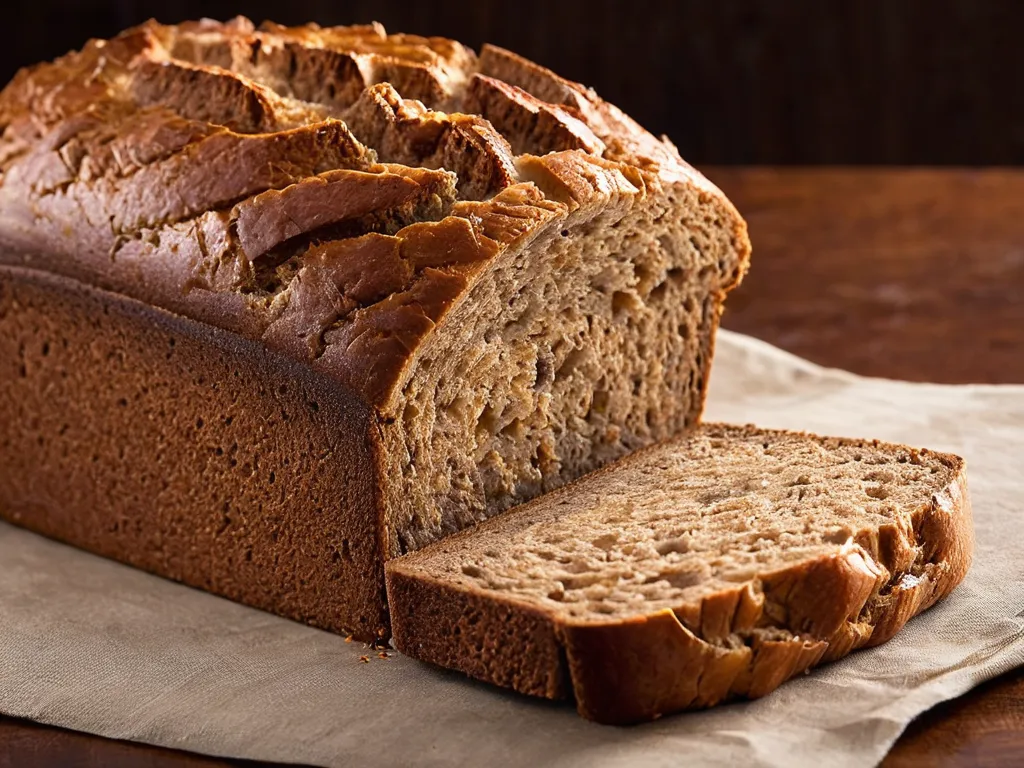
Quick answer: LongHorn Steakhouse's complimentary bread is a honey wheat loaf with a slightly sweet, tender crumb and a crackly oat-topped crust. The dark mahogany color comes from molasses and a small amount of unsweetened cocoa powder — neither adds a detectable flavor, both replicate the color. Buttermilk replaces water for a noticeably softer crumb. The formula: bloom yeast in warm buttermilk, combine with whole wheat flour, all-purpose flour, honey, molasses, cocoa, and butter, rise twice, press rolled oats into the top, and bake at 375°F for 25–28 minutes. Each slice runs about 140 calories; the recipe makes one loaf of roughly 12 slices. A loaf costs under $3 at home versus a restaurant meal where the bread is free but the entrees average $30.

Copycat LongHorn Steakhouse Honey Wheat Bread

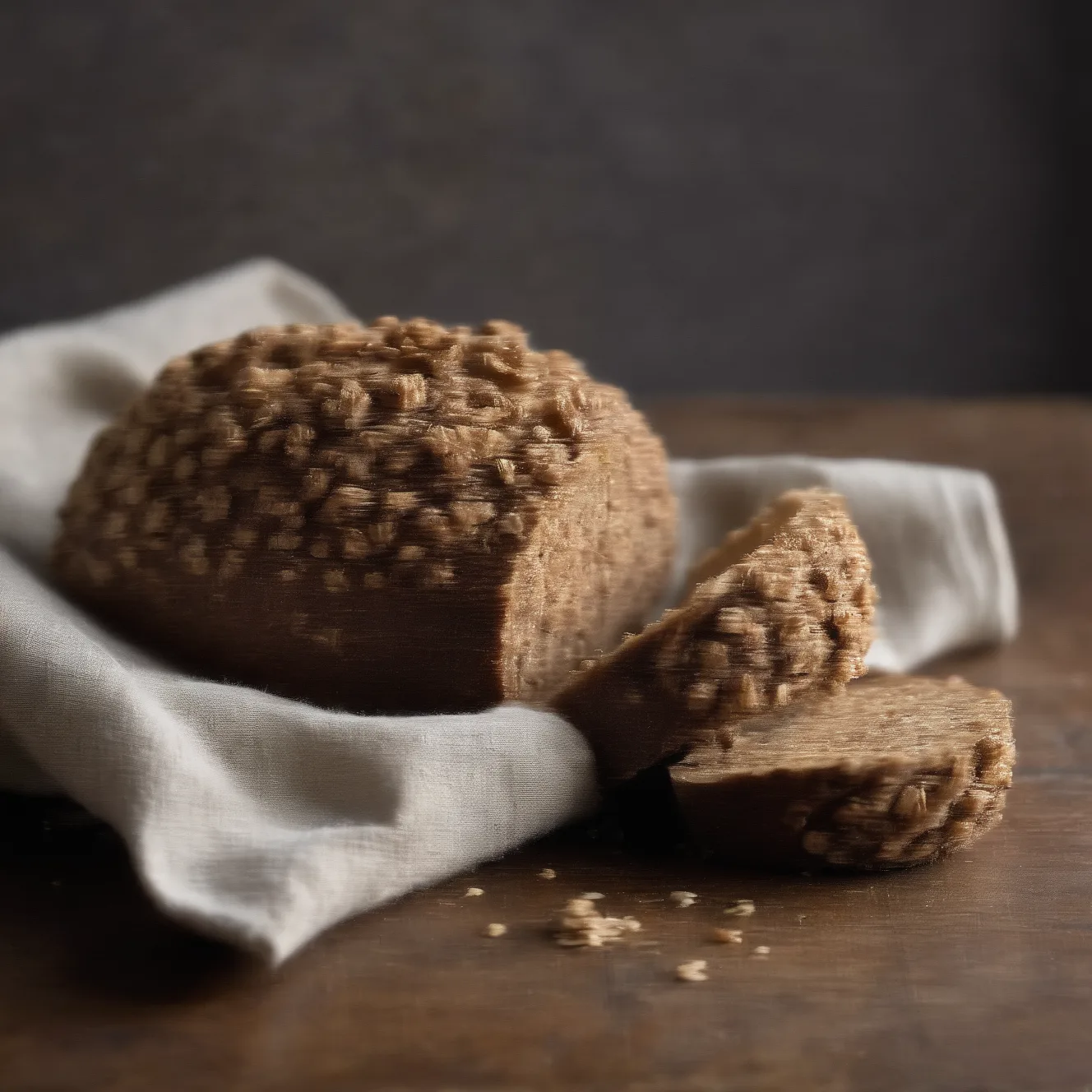
LongHorn's complimentary honey wheat bread at home — a soft, slightly sweet dark brown loaf with a rolled-oat crust. The dark color comes from molasses and a half-teaspoon of cocoa; the tender crumb from buttermilk and a dual-flour ratio. About 140 calories per slice; makes one loaf, about 12 slices.

Medium Prep: 20 min Cook: 28 min Total: 48 min1 loaf (about 12 slices) servings ~$3.50/serving
Prep20 min
Cook28 min
Total48 min
Servings
1
At home~$3.50/serving
vs
Restaurant~$15.75/serving
You save ~78%

Ingredients

Instructions

💡
Pro tip: This recipe tastes even better the next day. The flavors need time to meld together in the fridge.
❄️
Storage: Keeps in an airtight container in the fridge for up to 2 weeks. Freezer-friendly for up to 3 months.
~350-550 cal/serving · Rich & Indulgent🔥

The Story Behind the Recipe

Copycat LongHorn Steakhouse Honey Wheat Bread

Prep: 20 min active + 90 min rise time Servings: 1 loaf (about 12 slices) Cost at home: under $3 vs. a complimentary table bread that otherwise requires a $30 entree to access

LongHorn Steakhouse serves this bread the moment you sit down — warm, dark brown, slightly sweet, with a crackly oat-topped crust and a tender crumb. It disappears before the entrees arrive. Two details separate this bread from a generic honey-wheat loaf: the color and the texture.

The color problem is one most home bakers don’t know they have. Whole wheat flour alone turns bread tan. To get the deep mahogany brown of LongHorn’s loaf, you need molasses — not just honey — and a half-teaspoon of unsweetened cocoa powder. The cocoa doesn’t make it taste like chocolate; it deepens the color in the same way it works in Outback Steakhouse’s Bushman Bread, the other famous dark restaurant loaf. Skip the molasses and you get a pale bread that tastes fine but looks nothing like the original.

The texture problem is the flour-and-liquid combination. 100% whole wheat flour makes a dense, bitter loaf. This recipe uses a dual-flour ratio — more whole wheat for flavor and color, but enough all-purpose to keep the crumb light. Buttermilk instead of water further softens the gluten. The result is a loaf with the faint nuttiness of wheat bread but the pillow-soft crumb of a good dinner roll.

The Molasses-Cocoa Color Secret

Most honey wheat bread recipes produce a pale, beige loaf. LongHorn’s bread is dark — almost like a pumpernickel in color contrast, though the flavor is nothing like pumpernickel. Two ingredients produce that color:

Molasses is the primary driver. Even 2 tablespoons turns the dough a deep amber that intensifies during baking. It also adds flavor — an undercurrent of bittersweet caramel that prevents the bread from tasting one-dimensionally sweet. This is why honey alone isn’t enough: honey sweetens but doesn’t color or add complexity.

Cocoa powder (half a teaspoon) is a finishing colorant. At this quantity it does not make the bread taste like chocolate — you cannot detect it. It functions the same way in Outback’s Bushman Bread, which uses both cocoa and instant coffee for a slightly darker, more earthy color. LongHorn’s bread skips the coffee and uses molasses more heavily, giving a different flavor profile while hitting a similar visual target.

Why Buttermilk Matters

Every substitution you can make in this recipe — using water, using regular milk, using oil instead of butter — produces bread that’s technically fine but measurably inferior.

Buttermilk does something water and milk can’t: its acidity attacks and weakens gluten strands during mixing, producing a crumb that’s significantly softer and more tender. This is why Texas Roadhouse rolls use milk and eggs for enrichment — the fat and protein in dairy produce a different softness than lean water-based bread. LongHorn’s bread is leaner than Texas Roadhouse rolls but achieves comparable tenderness through buttermilk’s acidity.

If you’re out of buttermilk: add 1 tablespoon of white vinegar to 3/4 cup of whole milk, stir, and let it sit for 5 minutes. The milk will curdle slightly. This mimics buttermilk’s acidity well enough to produce the right crumb.

The Oat Topping — How to Make It Stick

The rolled oats on the exterior give the loaf its character. Pressed into the surface before the second rise, they bake into the crust and become slightly chewy — not crunchy, not loose. They should not fall off when you slice the bread.

The technique matters:

  1. The top of the loaf needs to be slightly moist when you apply the oats — that moisture is the adhesive
  2. Press firmly with the flat of your palm, not your fingertips — fingertips leave gaps; your palm applies even pressure across the whole surface
  3. Quick oats are too fine and disappear into the crust; old-fashioned rolled oats keep their shape

If oats keep falling off after baking, you either pressed them onto a dry surface or used a egg wash that had already dried before you applied the oats. Work fast: brush, then immediately press.

Related Recipes

Nutrition Facts

Per serving (1 loaf (about 12 slices) servings)
Calories140
Total Fat2g
Total Carbs27g
Dietary Fiber2g
Sugars5g
Protein4g
Sodium200mg

* Estimated values based on standard recipe preparation. Actual values may vary.

🥗

Make It Healthier

Love LongHorn Steakhouse Honey Wheat Bread but want a lighter version? Try these simple swaps:

  • The loaf is already relatively lean — the main fat is from 2 tablespoons of butter across the whole loaf. Swapping to 1 tablespoon saves about 100 calories total across the loaf — under 10 per slice, not enough to change the texture noticeably.
  • Increase the whole wheat flour ratio up to 1 1/2 cups whole wheat and 3/4 cup all-purpose for more fiber and a slightly denser loaf.
  • Reduce the honey glaze after baking to just butter (no honey) to cut about 5 calories per slice if you're watching added sugar.

Equipment You'll Need

Instant-read thermometer

Check internal temperature at 190–200°F for doneness — more reliable than the tap test on a dark loaf where visual cues are harder to read

Stand mixer with dough hook (optional)

Makes kneading easier; can knead by hand in 8–10 minutes instead

Parchment-lined baking sheet

Place the loaf directly on parchment — no pan needed for a free-form loaf

Pastry brush

For the honey-butter glaze immediately out of the oven

Bread lame or sharp serrated knife

For the pre-bake scoring cuts that allow the loaf to expand properly

Frequently Asked Questions

What makes LongHorn's bread dark brown if it's a wheat bread?

Two things the flour alone cannot do: molasses and unsweetened cocoa powder. Whole wheat flour turns a loaf tan, not mahogany brown. Molasses adds dark amber color and a deep caramel undertone. The cocoa powder (just half a teaspoon) deepens the color further without any chocolate flavor — it functions purely as a natural colorant, the same way it works in Outback's Bushman Bread. Together they produce the signature dark-brown crust that looks nothing like a typical homemade wheat loaf.

Why buttermilk instead of water or regular milk?

Buttermilk does three things water can't: the acidity tenderizes gluten strands, producing a softer, more pillowy crumb; the slight tang balances the sweetness from honey and molasses; and the fat content adds richness without making the dough heavy. Recipes that use water instead of buttermilk consistently end up with a chewier, thinner-crumbed loaf. If you're out of buttermilk, add 1 tablespoon of white vinegar or lemon juice to 3/4 cup of whole milk, stir, and let sit 5 minutes — it works as a substitute.

Do I need both honey and molasses? Can I use just one?

They do different jobs and you need both. Honey provides a bright, floral sweetness and — critically — it's hygroscopic, meaning it absorbs moisture from the air and keeps the bread soft for days after baking. Molasses adds color and a deeper, slightly bitter caramel complexity that cuts through the sweetness and prevents the bread from tasting cloying. Using only honey gives you a pale, one-dimensional loaf. Using only molasses gives you something too dark and bitter. The combination produces the exact balance LongHorn's bread has.

What's the oat topping for and how do I get it to stick?

The rolled oats give the crust its signature texture — crackly, slightly rough, visually distinct from a plain loaf. They go on the outside of the shaped loaf, not in the dough. The technique: after the second rise, very lightly mist the top of the loaf with water (or brush with a wet pastry brush), then immediately press a generous handful of rolled oats into the surface with the flat of your hand. The moisture is the adhesive — oats pressed onto a dry surface fall off during baking. Old-fashioned rolled oats work best; quick oats are too fine and don't give the visual texture.

How is this different from Outback Steakhouse Bushman Bread?

The two are similar — both are dark honey-wheat loaves — but the techniques and textures are distinct. Outback's bread uses instant coffee powder (in addition to cocoa) for a slightly more complex, earthy darkness; LongHorn's relies on molasses and cocoa only. Outback uses water in the dough and is dusted with cornmeal on the exterior; LongHorn uses buttermilk for a softer crumb and has rolled oats pressed on top (not cornmeal). The result: Outback's bread is slightly denser and more rustic; LongHorn's is softer and more sandwich-loaf in texture. Both are excellent and intentionally different.

Can I make this ahead of time?

Yes — two methods. First option: complete the recipe through the first rise, punch down the dough, shape it into the loaf, then cover and refrigerate overnight (up to 16 hours). The next day, pull it out 30–45 minutes before you want to bake it, let it come to temperature and complete the second rise until puffy, then bake as directed. The cold retard actually improves flavor. Second option: bake fully, let cool completely, wrap tightly in plastic wrap, and store at room temperature up to 3 days or freeze up to 2 months. Reheat a whole loaf at 300°F for 10 minutes, or individual slices in a toaster oven.

My loaf came out pale, not dark brown. What went wrong?

Almost certainly the molasses was left out, used in too small a quantity, or was swapped with a lighter syrup like light corn syrup. Blackstrap molasses can also cause problems in the opposite direction — it's very bitter and more intensely dark than regular unsulphured molasses. Use regular (unsulphured) molasses and measure it accurately. The cocoa powder matters too — don't skip it. A full tablespoon of honey also contributes golden color. If you followed the recipe exactly and still got a pale loaf, check that your molasses hasn't sat in the pantry past its best date — old molasses loses intensity.

Does LongHorn make their bread in-house?

No. LongHorn's bread is made by Epi Breads, a commercial bakery with facilities in Georgia and Michigan that supplies the restaurant chain. The loaves arrive par-baked and are finished in-restaurant. This is why the bread is remarkably consistent across all LongHorn locations. It also means there is no single secret house recipe leaked by a LongHorn employee — the actual formula is Epi Breads' proprietary commercial formula. The copycat versions (including this one) reverse-engineer the flavor and texture profile from the ingredients and technique that produce the same results at home.

Love this recipe? Share it!

Free PDF: our 12 most-wanted copycat recipes — instant download.

Ratings & Reviews

No ratings yet

Rate this recipe

Click a star to rate

Leave a Review

0/500

CS

Copycat Spices Test Kitchen

Every recipe on Copycat Spices is developed and tested in our home test kitchen. We reverse-engineer beloved restaurant dishes and refine each one until the flavors and the instructions work reliably for home cooks of all skill levels.

Learn more about our mission →