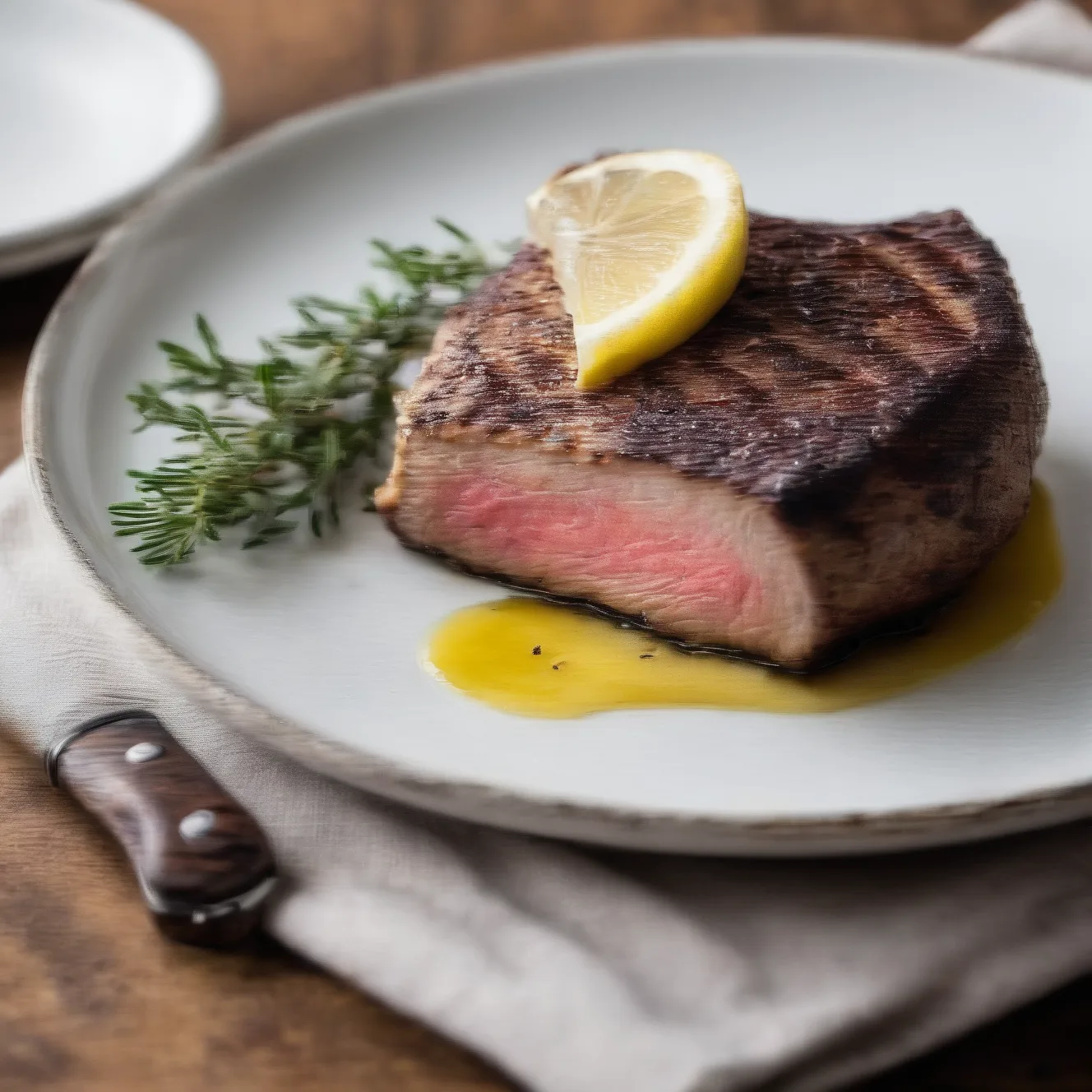
Copycat LongHorn Outlaw Ribeye
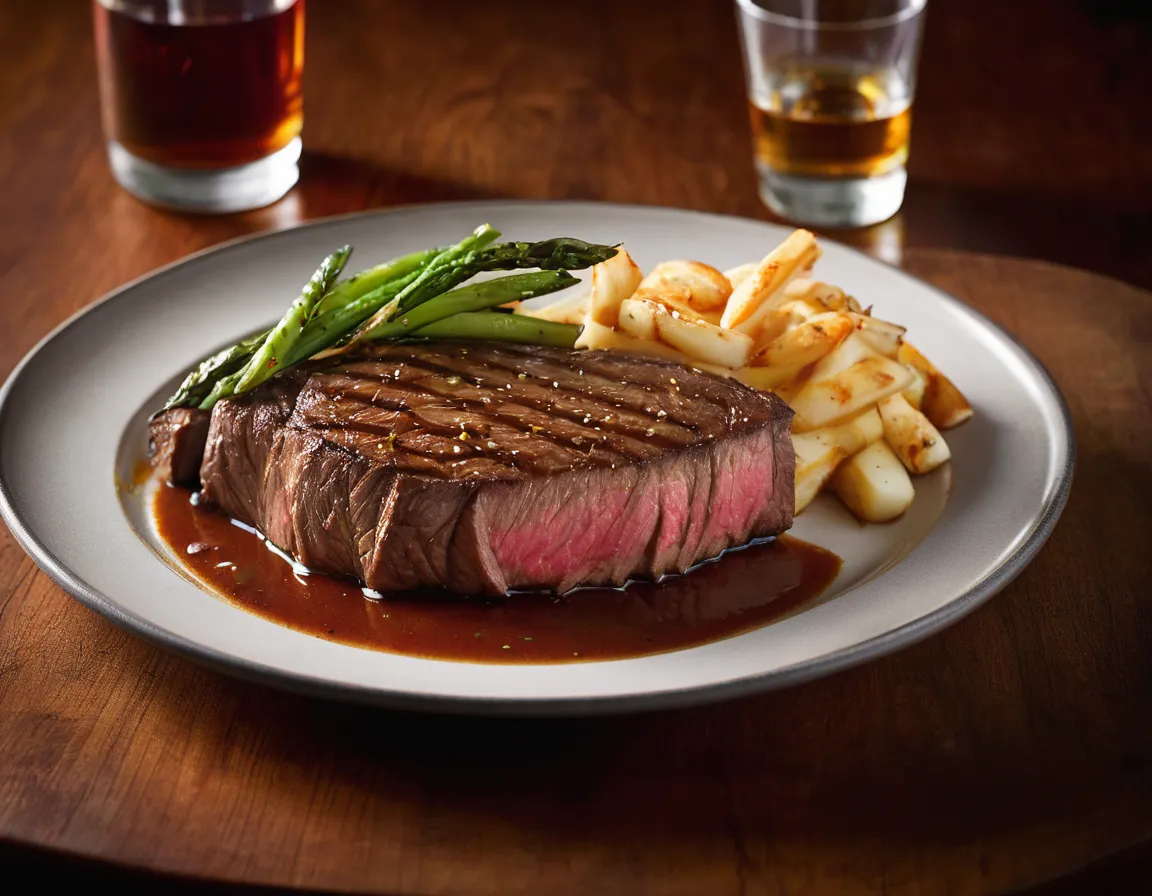
LongHorn Steakhouse’s Outlaw Ribeye is the benchmark steak on their menu — a 20-oz bone-in ribeye they describe as “seasoned edge-to-edge with our proprietary char seasoning” and grilled at high heat until the crust caramelizes into something genuinely distinct from a salted steak.
The gap between the restaurant version and most copycat attempts comes down to one word in that description: char. LongHorn uses a chile-heavy seasoning specifically designed for marbled, high-heat cuts. It includes brown sugar, which caramelizes against the 550°F commercial grill surface and produces the dark, crackled crust that makes the Outlaw look and taste different from a home-grilled ribeye. Most copycat recipes use the retail LongHorn Grill Seasoning from grocery stores — a simpler formula meant for leaner cuts that doesn’t produce the same crust on a ribeye.
For the full LongHorn Steakhouse menu, see Parmesan Crusted Chicken and Mac & Cheese.
LongHorn’s Three Seasoning Blends
Most copycat guides treat LongHorn as having one universal seasoning. They actually use three distinct blends, cut-matched:
| Seasoning | Used On | Key Profile |
|---|---|---|
| Char Seasoning | Outlaw Ribeye, T-bone, bone-in marbled cuts (also their grilled wings) | Chile-heavy, contains sugar — designed to char at high heat |
| Grill Seasoning | Flo’s Filet, lean flat-top cuts | Simpler: salt, garlic, paprika, onion powder |
| Prairie Dust | Grilled sirloin | Black pepper, cayenne, coriander, paprika, turmeric |
The retail “LongHorn Steakhouse Grill Seasoning” sold at Kroger is the Grill Seasoning formula, not the Char Seasoning. Using it on a ribeye produces a different flavor and crust — specifically, it lacks the chile component and the sugar that enables caramelization.
For this recipe, we’re making the Char Seasoning that actually goes on the Outlaw Ribeye.
The Char Seasoning Breakdown
LongHorn hasn’t published the formula, but the reverse-engineered copycat consensus (synthesized across multiple sources) converges on eight components:
| Ingredient | Amount (per 20-oz steak) | Why it’s there |
|---|---|---|
| Kosher salt | 1½ tsp | Foundation seasoning; applied generously to penetrate a thick cut |
| Coarse black pepper | 1 tsp | Textural contrast — fine pepper coats, coarse pepper creates a bite |
| Garlic powder | 1 tsp | Maillard browning and savory depth |
| Chili powder | ½ tsp | The chile-heavy character that sets Char Seasoning apart |
| Smoked paprika | ½ tsp | Color and background smoke note |
| Onion powder | ½ tsp | Rounds out the garlic-chile base |
| Cayenne | ¼ tsp | Background heat — present but not the primary note |
| Brown sugar | ¼ tsp | Caramelization enabler — the single most-missed copycat ingredient |
The brown sugar is worth dwelling on. At LongHorn’s 550°F commercial grill, the sugar in the Char Seasoning reaches caramelization temperature (~320°F) on the surface within seconds, which contributes to the dark char crust alongside the Maillard browning. It’s only ¼ tsp per steak — less than one calorie of sugar per serving — but its chemical role is structural, not sweet. Without it, the crust is seasoned; with it, the crust chars.
Apply the seasoning 45 minutes before cooking. Salt applied 45+ minutes ahead draws surface moisture out (via osmosis), which then re-absorbs, carrying the salt and other seasonings into the surface layer of the meat. Salt applied 5–30 minutes before cooking leaves that drawn-out liquid on the surface, which steams the crust instead of searing it. Season, rest on a rack, and proceed when the surface looks dry.
Why Bone-In
The Outlaw Ribeye is specifically bone-in — the rib bone attached, not trimmed off. This isn’t just presentation:
Heat distribution. Bone conducts heat more slowly than muscle, which means the meat immediately adjacent to the bone cooks slightly slower. In a 20-oz steak, this creates a gradient of doneness from the outer edge (target temp) to the bone-side (slightly rarer). For two people sharing a steak with different doneness preferences, that gradient is useful.
The cap muscle. The spinalis dorsi — the fatty crescent that wraps around the top of a ribeye — is intact on a properly trimmed bone-in cut. It’s the most heavily marbled muscle in the cut and the richest-tasting part of the steak. Some boneless ribeyes trim it to reduce weight; a full bone-in Outlaw Ribeye has it fully attached.
Presentation. The Outlaw Ribeye is a plate steak — it’s served on an oval platter with the bone as the visual anchor. The bone-in format is part of the product identity.
Reverse Sear: The Right Technique for 1.5 Inches
LongHorn’s commercial grill runs at approximately 550°F — above what most home gas grills reach at the surface (typically 450–500°F max). At 550°F, the exterior chars in 4–5 minutes per side without overcooking a 20-oz steak. At home grill temperatures, the same timing leaves the center raw.
The reverse sear addresses this:
1. Preheat oven to 250°F. Set the seasoned steak on a wire rack over a rimmed baking sheet. The rack lets air circulate under the steak; setting it directly on the pan produces uneven cooking on the underside.
2. Cook until 115°F internal (for medium-rare) or 125°F (for medium). This takes 25–40 minutes at 250°F depending on thickness. The steak will look pale and unseared — that’s correct. No crust yet.
3. Rest while the pan heats. Transfer the steak from the oven to a plate and let it sit while you heat a 12-inch cast iron skillet over maximum heat for 5 full minutes. The skillet needs to reach 500°F+ surface temperature — it should be visibly smoking when you add oil.
4. Dry and sear. Pat the steak surface completely dry with paper towels (any residual moisture creates steam and prevents browning). Add 1 tablespoon of neutral oil to the pan — it should smoke immediately. Place the steak in the pan without pressing down. Do not move it. Sear for 2 minutes per side. Then stand the steak on its fat cap edge and sear for 1 minute to render and char the fat.
5. Rest 8–10 minutes. Transfer to a cutting board. Carryover cooking will raise the internal temperature 5–8°F during the rest. A steak pulled at 115°F will arrive at 125–130°F (medium-rare). Do not cut before the rest is complete.
Doneness Guide
| Target | Pull from oven at | Final temp after rest |
|---|---|---|
| Rare | 105°F | 120°F |
| Medium-rare | 115°F | 128–130°F |
| Medium | 125°F | 138–140°F |
| Medium-well | 135°F | 148–150°F |
LongHorn defaults to medium-rare for ribeyes absent other instructions. At this thickness, medium-well produces noticeably drier meat — the intramuscular fat renders fully and doesn’t compensate for moisture loss the way it does below 140°F.
Home Grill Option
If you prefer grilling over cast iron:
- Two-zone fire: one side on maximum heat, one side on low.
- Cook the seasoned steak over the low side, covered, until 115°F internal (same oven target).
- Move to the high side and sear 2 minutes per side, uncovered.
- Rest 8–10 minutes.
This produces the same result as the reverse sear with added smoke and char from the grill grates. Cast iron typically produces a more even, darker crust; the grill adds a smoke dimension. Both are accurate to the LongHorn result depending on their equipment on a given day.
Why LongHorn’s Crust Looks Different
The char crust on the restaurant version is dark — almost black in places — without being burnt. Three factors enable this:
Commercial grill at 550°F. Surface temperatures at that level create Maillard browning and caramelization simultaneously in a short window. At home temperatures (450–500°F), the same depth of crust takes longer, which risks overcooking the interior before the exterior is done.
The sugar in the Char Seasoning. Sugar caramelizes at 320°F — well below the grill temperature — which means it starts browning immediately on contact. This accelerates the visual darkening of the crust.
“Edge-to-edge” seasoning. LongHorn seasons the full exterior of the steak, including the sides and fat cap. A steak seasoned only on the top and bottom faces develops pale sides; full edge-to-edge coverage means every surface that contacts heat has the caramelizing seasoning layer.
The Smoky Garlic Outlaw Ribeye Variation
LongHorn has promoted a “Smoky Garlic Outlaw Ribeye” as a menu variation. The steak is prepared the same way (Char Seasoning, fire-grilled), then topped at service with: roasted grape tomatoes, capers, shallots, minced garlic, fresh parsley, red wine vinegar, and paprika-infused olive oil — all combined and left to infuse for an hour before service.
To replicate it: while the steak rests, sauté halved grape tomatoes and minced shallots in olive oil for 3 minutes, add a tablespoon of capers, a splash of red wine vinegar, minced garlic, a pinch of smoked paprika, and fresh parsley. Spoon over the sliced steak. The vinaigrette cuts through the fat of the ribeye and gives the dish a distinctly different character from the plain version.
Cost Comparison
| Per serving | Notes | |
|---|---|---|
| LongHorn Outlaw Ribeye (restaurant) | $33–39 + sides | Two-side entrée (≈$36 at most locations, 2026) |
| USDA Choice bone-in ribeye, warehouse club | $18–26 per steak | Serves 2 comfortably |
| USDA Prime bone-in ribeye, butcher | $28–40 per steak | Heavier marbling, wider cook window |
A single restaurant steak feeds one at LongHorn; a 20-oz bone-in ribeye at home comfortably serves two with sides. The per-person cost at home is substantially lower even at Prime pricing.
Selecting the Steak
Grade. USDA Prime bone-in ribeyes have heavier marbling — more intramuscular fat, more flavor, and a wider margin for error because fat acts as insulation. Choice works well but rewards precise temperature control. The Char Seasoning and reverse-sear technique help regardless of grade, but Prime shows the seasoning’s chile-char profile most clearly.
What to look for. The spinalis cap muscle (the dark, fatty crescent) should be intact and attached. Eye muscle should show visible marbling. The rib bone should be trimmed clean (not ragged). Thickness should be at least 1.25 inches; 1.5 inches is the Outlaw standard.
Where to buy. Warehouse clubs (Costco in particular) sell bone-in ribeyes in USDA Choice and occasionally Prime at substantially lower per-pound pricing than standard grocery stores. Full-service butchers can custom-cut to the exact 20-oz / 1.5-inch specification. The standard supermarket meat case rarely stocks bone-in ribeyes this thick — call ahead.
LongHorn vs. Texas Roadhouse Seasoning
Both chains are known for their steak seasoning. The functional difference:
- Texas Roadhouse steak seasoning is garlic-forward with oregano — a classic American steakhouse blend without the chile profile.
- LongHorn Char Seasoning is chile-forward with brown sugar — built for caramelization at high heat.
For a bone-in ribeye at 500°F+, the chile-and-sugar Char Seasoning produces a darker, more distinct crust. The Texas Roadhouse blend produces a cleaner, more herb-forward result. Both are accurate to their chains and both work on ribeye; the choice is a matter of which flavor profile you’re after.
Also see: Garlic Butter Steak Bites for a quicker weeknight steak preparation using similar cast iron technique.