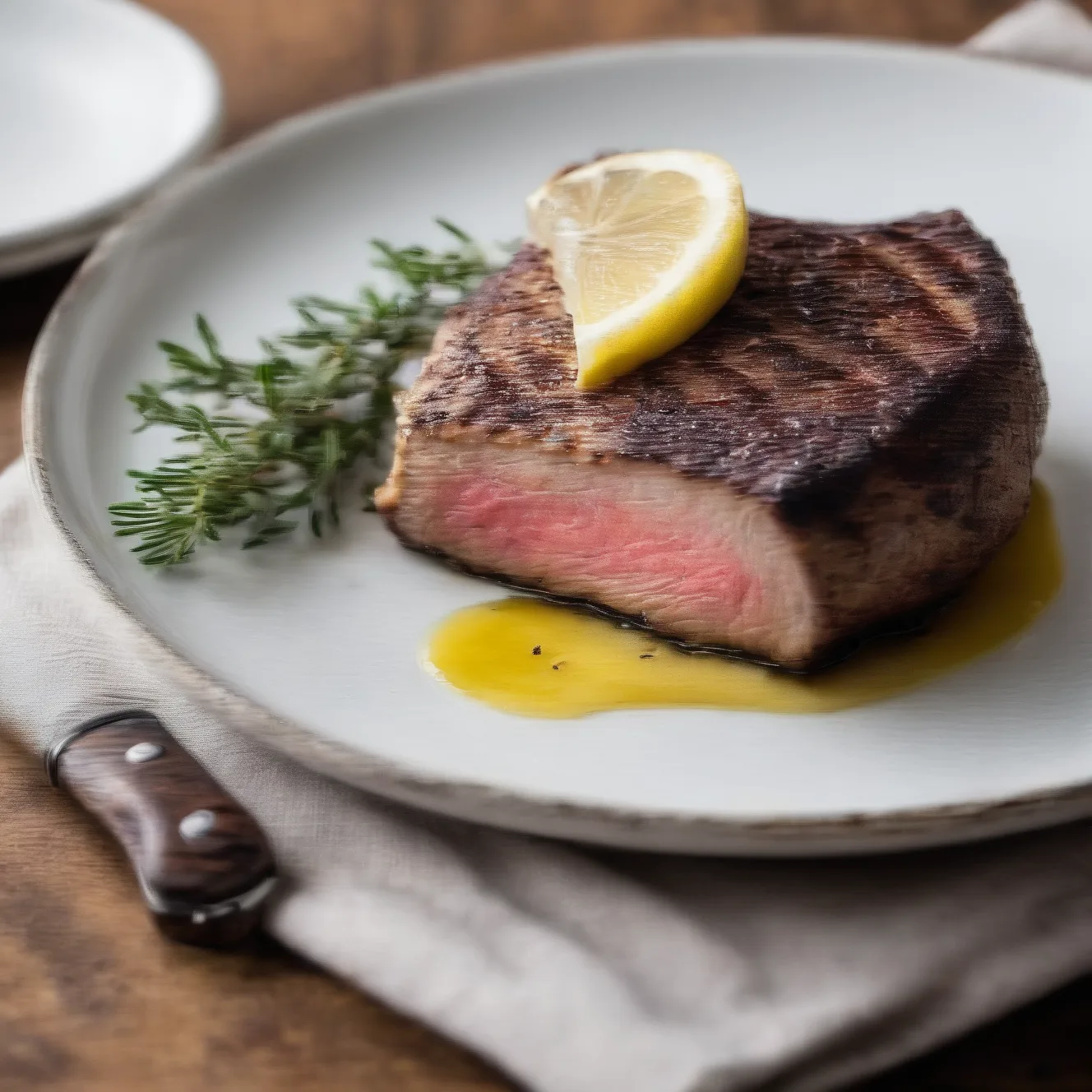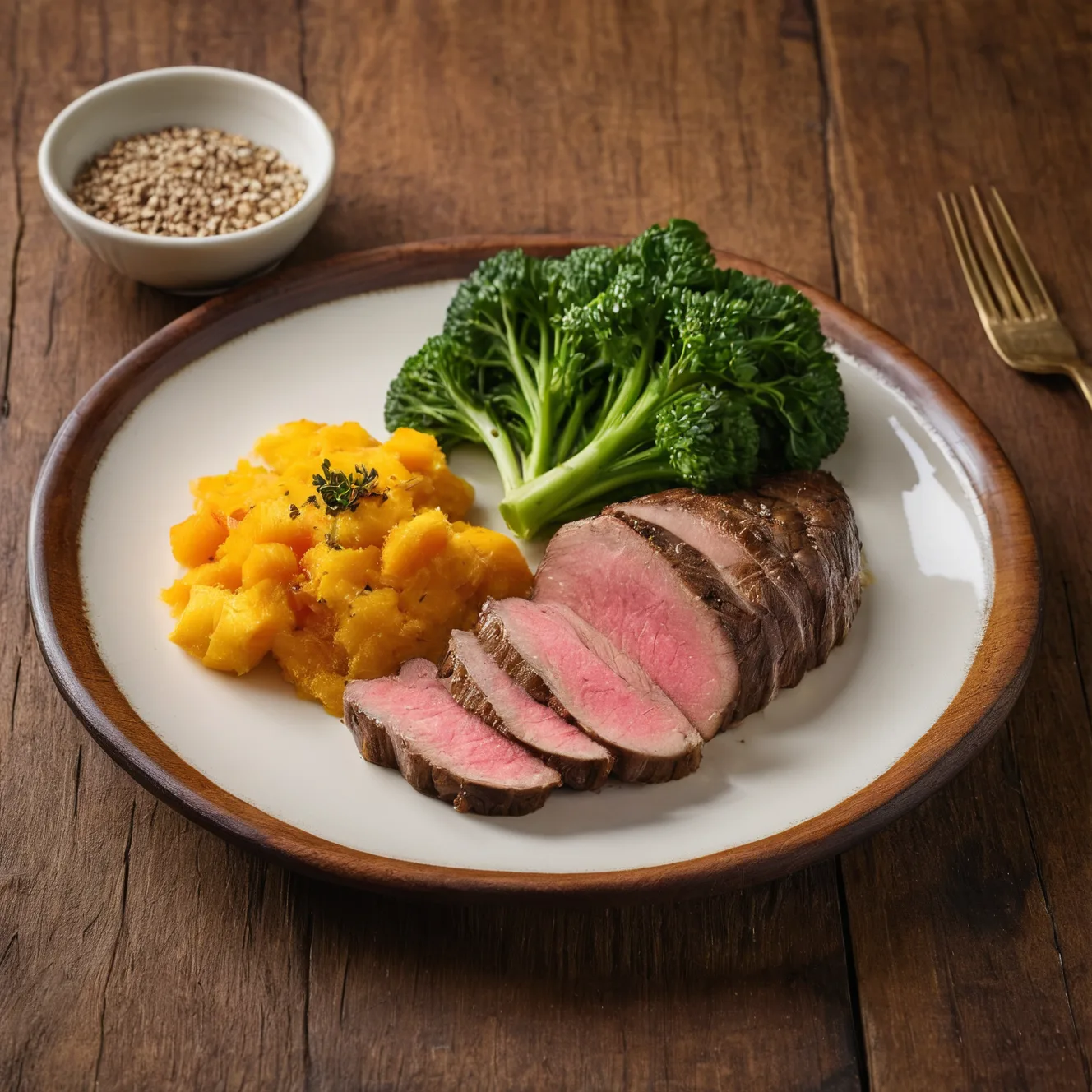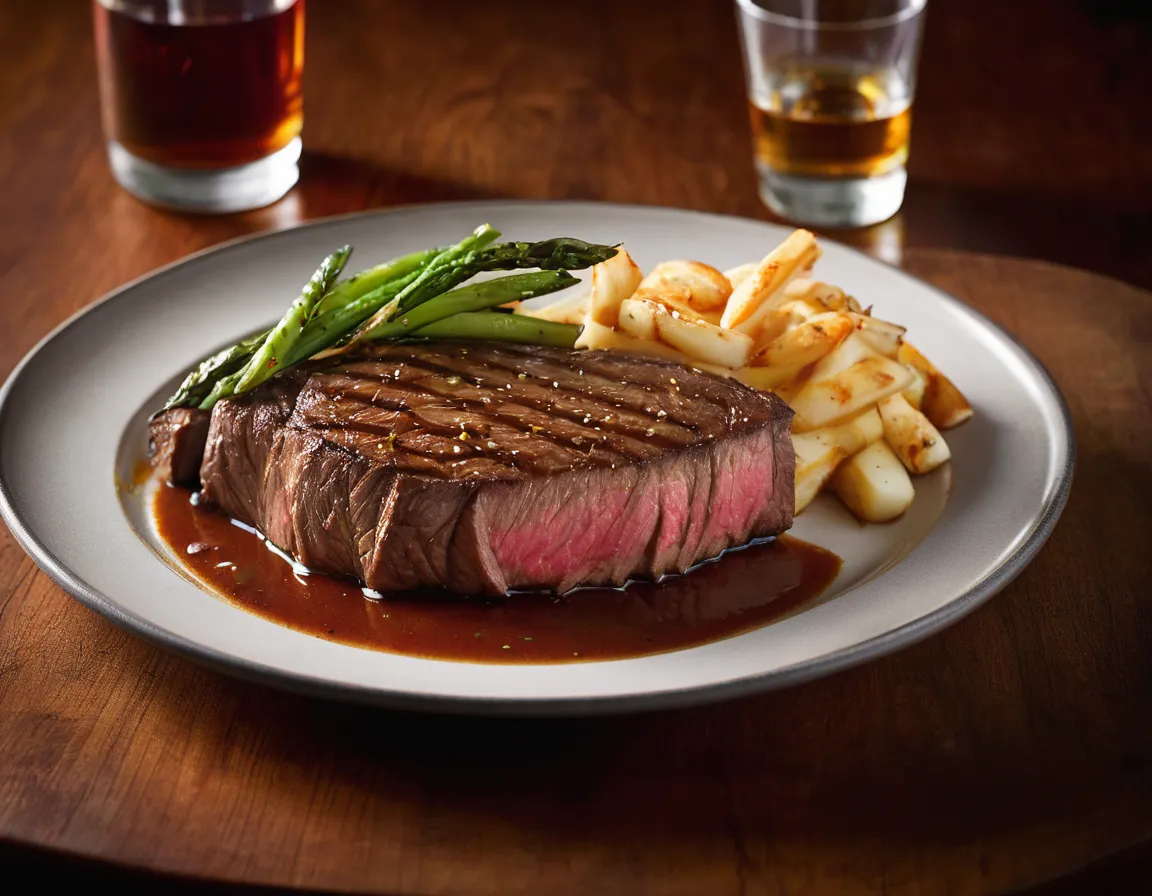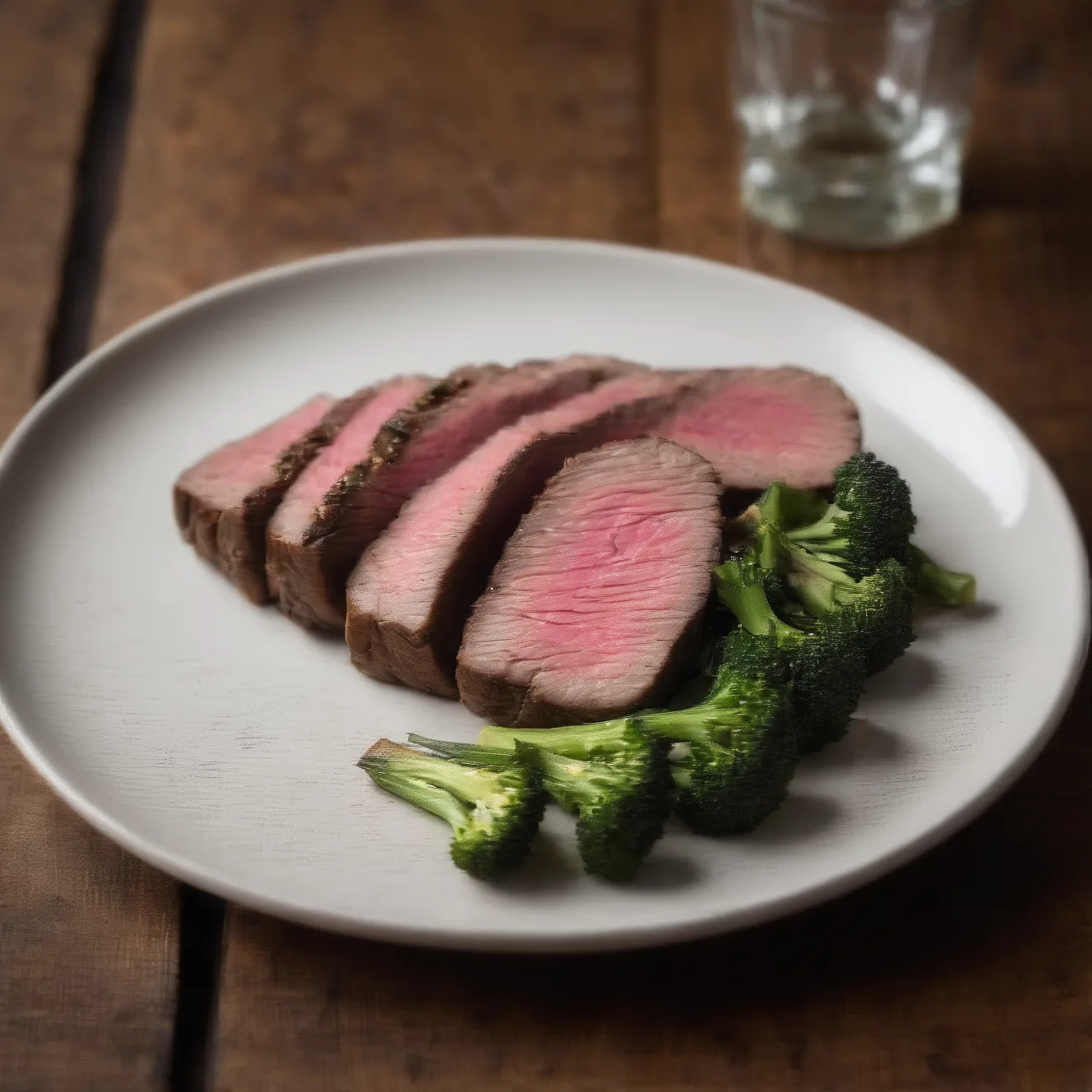
Copycat LongHorn Renegade Sirloin
LongHorn Steakhouse’s Renegade Sirloin is their weeknight steak — an 8-oz top sirloin that’s leaner, tighter, and seasoned completely differently from the Outlaw Ribeye. Most copycat attempts get two things wrong: they use the wrong seasoning blend, and they cook the sirloin to the same temperature they’d use on a ribeye. Both mistakes produce a different steak than what LongHorn serves.
The fix is Prairie Dust, and it starts with understanding why sirloin needs its own approach.
For the full LongHorn Steakhouse copycat collection, see Parmesan Crusted Chicken and LongHorn Mac and Cheese.
LongHorn’s Three Seasoning Blends
LongHorn uses three distinct proprietary blends, matched to cut type:
| Seasoning | Used On | Key Profile |
|---|---|---|
| Char Seasoning | Outlaw Ribeye, T-bone, bone-in marbled cuts | Chile-heavy, brown sugar — designed to char at 550°F |
| Grill Seasoning | Flo’s Filet, lean flat-top cuts | Simpler salt-garlic-paprika blend |
| Prairie Dust | Renegade Sirloin, grilled sirloin cuts | Black pepper forward, coriander, turmeric — no sugar |
The retail “LongHorn Steakhouse Grill Seasoning” at grocery stores is the Grill Seasoning formula. Using it on the Renegade Sirloin produces a Flo’s Filet result, not the Renegade’s peppery-earthy character.
For the Renegade Sirloin, you need Prairie Dust.
Prairie Dust: Ingredient by Ingredient
LongHorn hasn’t published the Prairie Dust formula. The copycat consensus across multiple sources converges on these eight components:
| Ingredient | Amount (per 8-oz steak) | Role |
|---|---|---|
| Kosher salt | ¾ tsp | Foundation seasoning (scaled for leaner, thinner-than-ribeye cut) |
| Smoked paprika | ½ tsp | Equal billing with black pepper — don’t treat paprika as a bit part |
| Coarse black pepper | ½ tsp | Equal billing with paprika; use a mill on coarse setting |
| Garlic powder | ⅛ tsp | Maillard browning and savory base |
| Onion powder | ⅛ tsp | Rounds the garlic |
| Ground coriander | ⅛ tsp | Citrusy-floral background; the ingredient most copycat recipes omit |
| Ground turmeric | ⅛ tsp | Prairie Dust signature: golden color on the crust, earthy warmth |
| Cayenne | ⅛ tsp | Background heat, present but not dominant |
On paprika and pepper being equal. LongHorn keeps the exact Prairie Dust ratios secret, but the most convincing copycats give paprika equal billing with the black pepper rather than treating it as a minor coloring agent. That balance is what produces Prairie Dust’s specific golden-rust color and a layered savory quality rather than a purely peppery one. If you scale paprika down to a pinch, you lose the color and the blend collapses into a generic pepper rub.
On the turmeric. It’s the most surprising Prairie Dust ingredient — turmeric is not a typical steak seasoning component. At ⅛ tsp per 8-oz steak, it does two things: the curcumin pigment produces a golden-ochre tint on the seared crust that you don’t get from paprika or pepper alone, and it adds a faint earthy warmth in the background without tasting medicinal. Don’t double it — at higher quantities, turmeric dominates and the steak tastes like a curry component. At ⅛ tsp per steak, it registers as a subtle warm-earthy note underneath the paprika and coriander.
On the coriander. Ground coriander has a citrusy-floral quality that gives Prairie Dust its slightly different character from a standard steakhouse seasoning. It’s what makes the Renegade’s flavor profile slightly more complex than a simple salt-pepper-garlic blend. Without it, the seasoning tastes like a generic steakhouse rub. With it, it tastes specifically like Prairie Dust.
No sugar. Unlike Char Seasoning (which has brown sugar to accelerate caramelization and create a char-dark crust), Prairie Dust has no sugar. The crust on the Renegade Sirloin is peppery and textured, not dark and lacquered. That’s correct — you’re not trying to replicate the Outlaw Ribeye’s visual. A well-seared Prairie Dust sirloin should look like a properly seared top sirloin: golden-brown with visible pepper and a warm color tint from the turmeric.
The Cut: Top Sirloin
The Renegade Sirloin is a top sirloin — specifically the gluteus medius and adjacent muscles, cut from the hip/loin area. This matters for technique:
- Lean. Top sirloin has minimal intramuscular fat. There’s no fat network to melt and baste the fibers from within as the steak cooks. What you see is what you get — and once the protein fibers tighten past 140°F, there’s nothing to compensate.
- Tight grain. Sirloin has a denser fiber structure than ribeye. When you slice across the grain, the texture is firm and slightly chewy (in a good way at medium-rare) rather than the soft, almost buttery texture of a well-marbled ribeye.
- Not sirloin tip. Sirloin tip (also called round tip or ball tip) is a different muscle from the round, closer to the knee — it’s tougher and needs longer cooking. Top sirloin is the correct cut for this recipe. Ask the butcher specifically for “top sirloin steak” or look for USDA top sirloin labeled as such.
An 8-oz top sirloin at approximately 1 inch thick is ideal for this preparation. Thinner cuts cook through before developing a proper crust; much thicker cuts benefit from the reverse-sear approach described below.
Cooking Technique
The 6-oz and 8-oz: Direct High-Heat Sear
Unlike the Outlaw Ribeye (a 20-oz bone-in steak that benefits from a reverse sear), the standard Renegade Sirloin at 6 or 8 oz cooks through efficiently with a direct high-heat sear. No oven phase needed.
Apply Prairie Dust to the full exterior of the steak (top, bottom, sides). Rest 30 minutes at room temperature — the salt draws surface moisture, which then re-absorbs carrying the seasoning with it.
- Pat the surface completely dry with paper towels. Surface moisture is the enemy of crust on a lean steak — there’s no intramuscular fat to compensate if the surface steams.
- Heat a 12-inch cast iron skillet over maximum heat for 4–5 minutes until visibly smoking.
- Add 1 tablespoon neutral oil. It should smoke immediately on contact.
- Place the steak in the pan. Do not press down or move it for 3–4 minutes (3 min for 6 oz at ¾ inch; 4 min for 8 oz at 1 inch).
- Flip once. Sear for another 2–3 minutes.
- Check internal temperature. For medium-rare, pull at 125°F; for medium, pull at 130°F.
- Rest 5 minutes on a cutting board. Carryover heat raises temperature 5–8°F.
Use your thermometer — timing varies based on starting temperature of the steak and exact thickness. The 3-4 minute first side is a guide, not a guarantee.
The 11-oz: Reverse Sear Helps
The 11-oz Renegade Sirloin at approximately 1.25 inches benefits from an oven phase first:
- Preheat oven to 250°F. Season and rest the steak on a wire rack over a rimmed baking sheet.
- Cook until 115°F internal. This takes 20–30 minutes.
- Rest while heating the cast iron. Sear 2 minutes per side.
- Rest 5 minutes and serve.
The pull temperature for sirloin in the oven phase (115°F) is the same target as the ribeye, but the reasoning matters: the leaner sirloin has less fat to insulate the carry-over period, so pulling at 115°F and resting to 125–130°F is the correct arc.
Doneness Guide
| Target | Pull from heat at | After 5-min rest | Notes |
|---|---|---|---|
| Rare | 110°F | 120°F | Correct for this cut if preferred, but soft texture |
| Medium-rare | 125°F | 130–135°F | LongHorn default; peak texture for top sirloin |
| Medium | 130°F | 138–142°F | Acceptable; begins to firm noticeably |
| Medium-well | 140°F | 148–152°F | Not recommended for top sirloin — fibers tighten significantly |
Do not cook top sirloin to medium-well. Above 145°F, the protein fibers contract enough that the texture becomes noticeably chewy and dry — there’s no intramuscular fat to compensate. If dining with someone who insists on well-done beef, ribeye handles it far better than sirloin.
Cost Comparison
| Per serving | Notes | |
|---|---|---|
| LongHorn Renegade Sirloin 6 oz (restaurant) | ~$15 | Plus sides (most locations, 2026) |
| LongHorn Renegade Sirloin 8 oz (restaurant) | ~$18 | Standard size; most popular |
| LongHorn Renegade Sirloin 11 oz (restaurant) | ~$20–22 | Premium weekend option |
| USDA Choice top sirloin, grocery store | $5–9 per 8-oz steak | Widely available portioned or sliced from a larger cut |
| USDA Prime top sirloin, butcher | $9–14 per steak | Slightly better texture; still leaner than ribeye |
The Renegade Sirloin is one of LongHorn’s most accessible price points. At home, the Prairie Dust spices cost under $1 per steak at standard grocery prices, and a Choice top sirloin from a warehouse club runs $4–6 per 8-oz portion.
Grain Direction and Slicing
Top sirloin’s tight grain makes slicing direction matter more than with ribeye. The muscle fibers run roughly lengthwise on a typical top sirloin steak. Slice across the grain at a slight angle — perpendicular to the fiber direction — for the most tender result. Slicing with the grain produces longer fibers and a chewier bite. Look at the cut end to identify which direction the fibers run before you slice.
LongHorn vs. Texas Roadhouse Sirloin
Both chains serve a straightforward sirloin, and the seasoning difference is real:
- Texas Roadhouse steak seasoning is garlic-and-herb forward — a cleaner, more herbal profile without the coriander-turmeric character of Prairie Dust.
- LongHorn Prairie Dust is pepper-forward with aromatic notes (coriander) and a distinctive golden color (turmeric). It’s less herbal and more complex in the background notes.
If you’re after a quick weeknight steak with different prep, see Garlic Butter Steak Bites — same cast iron technique, smaller pieces, faster cook.