

Copycat Mastro’s Butter Cake (The Famous Warm One, Made at Home)
Prep time: 20 min Cook time: 22 min Servings: 3 individual cakes
Mastro’s Steakhouse opened its first location in Scottsdale, Arizona in 1999. It has since expanded to Beverly Hills, Chicago, New York, Houston, Washington DC, and several other cities. The restaurants are expensive, they are loud in the specific way expensive steakhouses are loud, and they serve perfectly good steaks. None of that is why people remember Mastro’s.
People remember Mastro’s because of the butter cake.
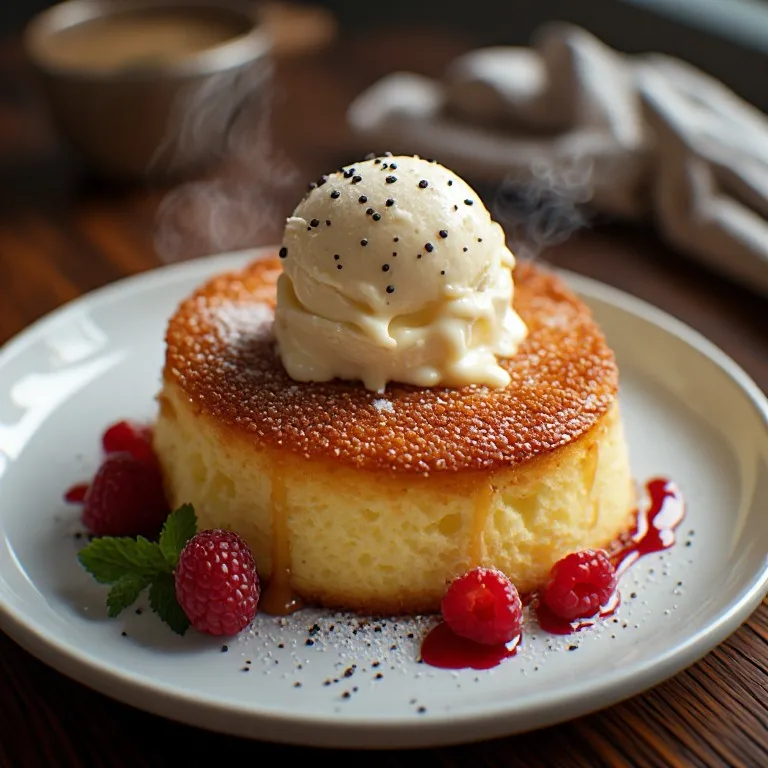
It arrives at the table warm in an individual ceramic mold, already inverted onto the plate so the caramelized turbinado crust faces outward. A scoop of vanilla bean ice cream sits on top, already beginning to melt at the edges from the heat radiating off the cake. By the time you take the first bite — hot, gooey cake meeting cold melting ice cream — the steak is a supporting character in the memory.
The home version requires about 20 minutes of active time and a 22-minute bake. The restaurant version runs approximately $18 to $22 per order. The batter for three individual cakes costs about $3.
A word on richness: this is a genuine steakhouse dessert. Each cake carries the better part of a stick of butter, two ounces of cream cheese, and a heavy dose of sugar before the ice cream ever lands on top — roughly 1,370 calories per cake on its own. At Mastro’s the butter cake is frequently split, and it holds up perfectly to two forks. Treat this recipe as three generous cakes to share, not three light single servings, and it lands exactly where it should.
What This Actually Is (and Why Most Copycats Miss It)
Mastro’s Butter Cake is not a traditional pound cake. It is not a molten chocolate lava cake. It occupies a specific middle ground, and the reason most copycat recipes produce something merely good rather than genuinely accurate comes down to one step that many of them omit: the cream cheese topping.
The architecture of the cake is a two-layer system. The main batter — butter, cream cheese, sugar, eggs, flour — goes into the ramekin first, filling it about two-thirds. Then a separate cream cheese mixture (cream cheese, egg, sugar, vanilla, beaten smooth) is dolloped onto the center of the batter. It is not swirled in or spread. It sits as a mound on the surface. During baking, the topping sinks into the center of the cake as the surrounding batter rises around it, creating a pocket of cream cheese-enriched filling at the core that never fully sets the way the surrounding batter does.
This pocket is the gooey center. It is not created by under-baking. It is engineered. The surrounding batter can be properly cooked — edges pulled away, top golden — and the center is still gooey because the cream cheese topping has different proteins and a different fat-to-liquid ratio than the batter, so it sets at a different temperature and retains its soft, silky quality. When you cut into a properly made Mastro’s butter cake, you get a yielding, almost custard-like interior surrounded by fully baked golden cake. That is the cream cheese topping doing its work.
Copycat recipes that skip the topping and rely purely on under-baking to create gooeyness produce a cake that is dense and moist throughout — closer to a Basque cheesecake texture than the Mastro’s experience. Good, but not the same thing.
The Four Things That Actually Matter
1. The cream cheese topping — do not skip or stir it in
Dollop it onto the center of each filled ramekin and leave it as a mound. Do not marble it in, do not smooth it to the edges, do not distribute it evenly. The goal is a concentrated pocket of cream cheese in the center of each cake. If you spread it or stir it into the batter, it distributes through the cake and the gooey center effect is lost — you get a cream cheese–flavored batter throughout instead of a distinct gooey core.
2. Turbinado sugar on the ramekins — not granulated
Turbinado (raw) sugar has crystals large enough to caramelize individually against the hot ceramic wall during baking, creating a crackly amber crust on the outside of each cake. Granulated sugar has crystals too fine to produce this — they dissolve into the batter and disappear. The distinct exterior crunch of Mastro’s Butter Cake is the turbinado crust. It is non-negotiable. Demerara sugar is an identical substitute; granulated sugar is not.
3. Room temperature ingredients throughout
Butter, cream cheese (in both the batter and the topping), and all the eggs need to be at genuine room temperature — not slightly cool. Cold cream cheese forms lumps that no amount of beating will fully smooth out. Those lumps bake into dense spots. Cold eggs can break the batter. Set everything out 1 to 2 hours before baking. If rushed: cut the cream cheese into 1-inch cubes and rest on the counter 30 minutes; warm the eggs in a bowl of warm tap water for 2 minutes.
4. Serve within 2 minutes of plating
The hot-cold contrast between a 160°F cake interior and frozen vanilla ice cream is not decoration — it is the mechanism of the dessert. Within the first 2 minutes, the ice cream is in two states simultaneously: frozen solid at the top of the scoop, actively melting at the contact point with the cake. That differential is what makes the dish memorable. After 5 minutes, the temperature equalizes and you have warm cake with soft ice cream. Still good; not the same experience. Plate, walk to the table, eat.
How the Restaurant Actually Does It
Mastro’s bakes the butter cakes in advance — typically the beginning of each service — then refrigerates them. When a table orders dessert, a cold cake goes into the microwave for roughly 60 to 90 seconds to reheat the interior. If the restaurant has torching equipment, the turbinado crust gets a quick pass with a kitchen torch to re-caramelize the exterior. A scoop of ice cream goes on top, raspberry sauce drizzled around the plate, and it arrives at the table within 2 minutes of the order.
At home: make the cakes fresh (the 22-minute bake happens while you clear the dinner dishes) or bake them earlier in the day and reheat at 325°F for 8 to 10 minutes. The fresh-baked version produces a slightly better gooey center; the reheated version is still excellent and requires no timing coordination with the rest of the meal.
Mastro’s vs. The Home Version
| Mastro’s | Home | |
|---|---|---|
| Per order | ~$20 | ~$3 in ingredients |
| Bake method | Made ahead, reheated to order | Fresh in 22 min or made ahead |
| Ice cream | House-quality vanilla bean | Depends on what you buy |
| The crust | Turbinado, sometimes torched | Turbinado, same result without torch |
| Reservation | Required | Not applicable |
The home version is not a compromise — it is the same dish at a different price point. Made for a dinner party, the moment of inverting warm ramekins at the table and adding ice cream while people watch carries genuine theatricality. What you cannot replicate is the Mastro’s room. What you can replicate, almost exactly, is the cake.
Vessels and Variations
Standard 6-ounce ceramic ramekins: The closest home equivalent to the restaurant’s individual molds and the recommended vessel for this recipe. Three at two-thirds full exactly fits this recipe.
Cast-iron skillet (6-inch): The best crust of any vessel — direct-contact heat caramelizes the turbinado more aggressively than ceramic. Coat and sugar the skillet the same way, pour in the full batter, add the cream cheese topping dollop, bake 24 to 28 minutes, and serve from the skillet at the table. Serves 2 to 3.
8-inch round cake pan: For a single large shareable cake to slice at the table. Adjust baking time to 30 to 38 minutes; the cream cheese topping will spread more widely through the larger cake, distributing the gooey center across a broader area rather than a concentrated pocket. Still excellent.
Muffin tin: Fills about 9 to 10 wells at two-thirds full. Add a small dollop of topping to each. Bake 13 to 16 minutes. Useful for parties; each guest gets an individual cake. The smaller volume reduces the gooey-center effect since the cream cheese topping pocket has less surrounding batter to hold it concentrated.
The Raspberry Sauce: Why It Is Worth Making
The acidity of raspberry sauce — tartness from the berries, sharpness from the lemon juice — cuts directly through the richness of butter, cream cheese, and vanilla ice cream. Without it, the dessert is one long note of sweetness and richness. With it, there is contrast that makes each element taste more distinctly like itself.
The sauce takes 8 minutes to make and keeps refrigerated for a week. Drizzle it around the plate (under and around the cake, not over the ice cream) so the hot cake surface absorbs it on contact.
Quick stovetop raspberry sauce: 1 cup fresh or frozen raspberries + 2 tablespoons sugar + 1 tablespoon lemon juice. Simmer 8 minutes, mashing as it cooks. Strain through a fine-mesh sieve. Done.
Storing and Reheating
The assembled (batter plus topping, unbaked) ramekins can be covered and refrigerated up to 24 hours. Let them come to room temperature 30 to 45 minutes before baking.
Baked cakes keep covered at room temperature for up to 2 hours, or refrigerated up to 2 days. Reheat at 325°F for 8 to 10 minutes. The cream cheese center will be slightly less gooey (the first bake already set it partway), but the turbinado crust, the butter flavor, and the overall texture are all intact.
Do not microwave unless you are comfortable watching carefully: 45 seconds on medium power, check, add 15 seconds if still cold in the center. Full-power microwave for more than 30 seconds makes the interior rubbery.
More Steakhouse and Warm Dessert Recipes
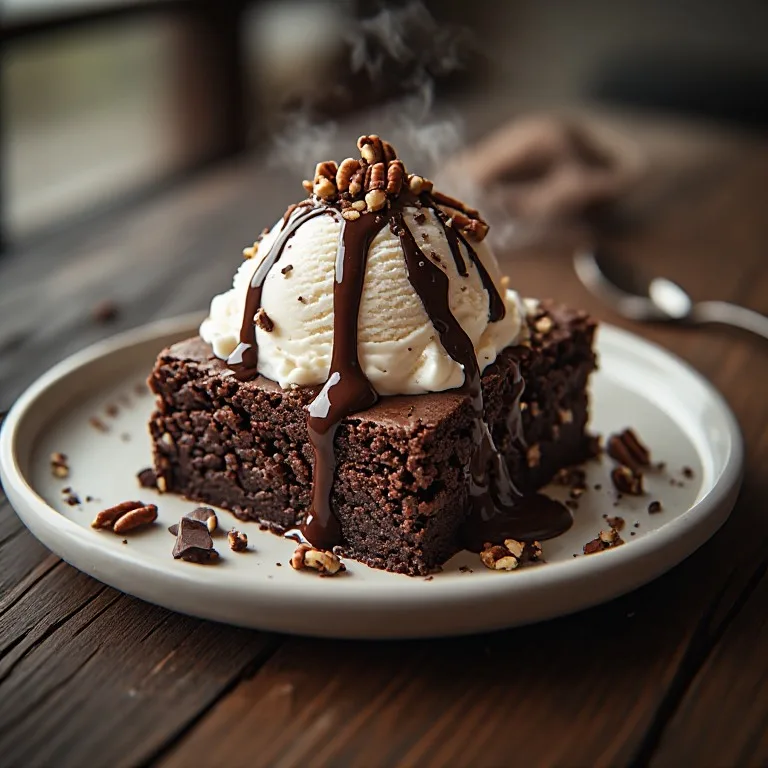
- Copycat Outback Chocolate Thunder from Down Under — Outback’s warm brownie dessert with ice cream, hot fudge, and pecans: a different category of warm steakhouse dessert, and one of the most precisely documented copycats in this genre
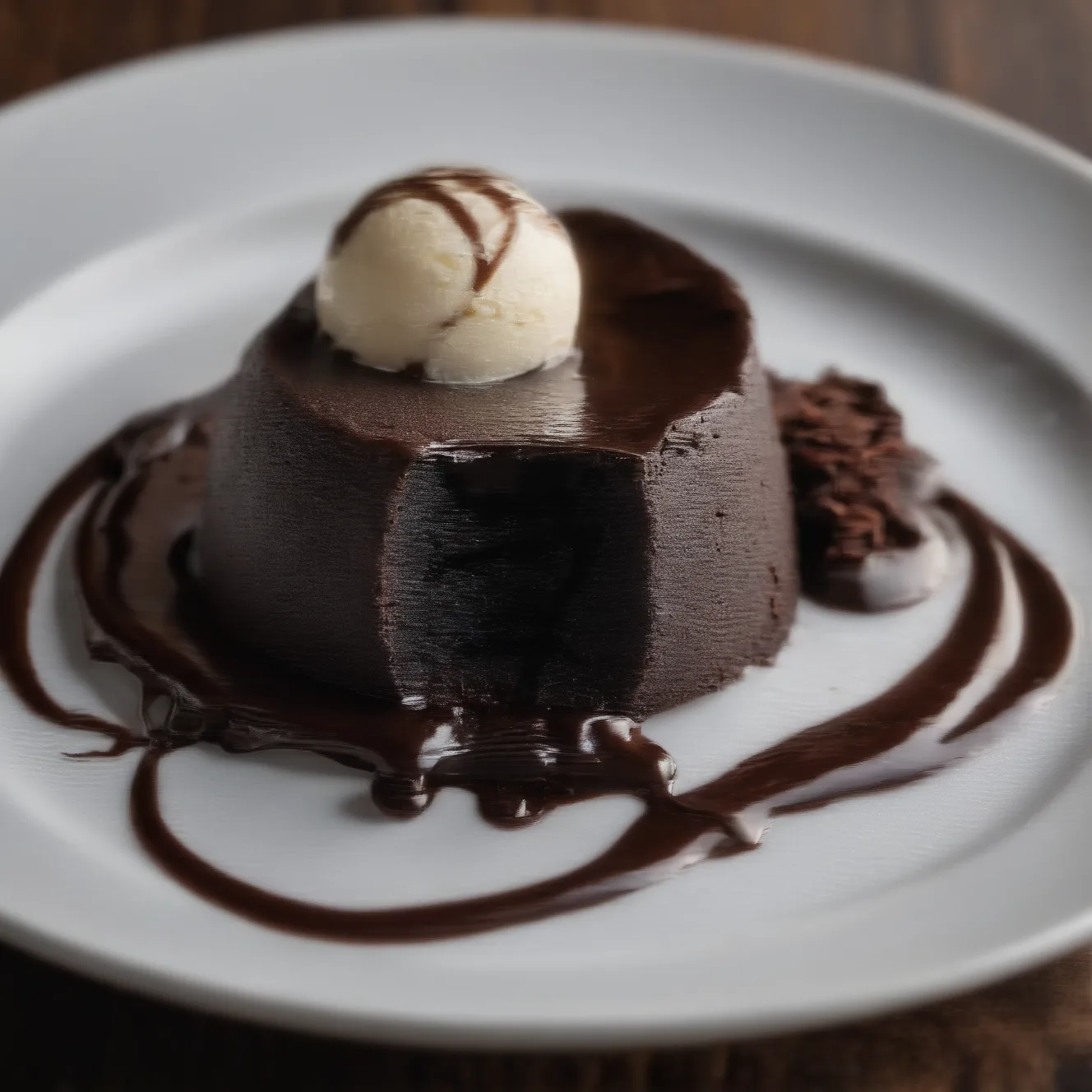
- Copycat Chili’s Molten Lava Cake — the original restaurant lava cake: how the ganache liquid center actually works, and why it is a different technique than the cream cheese topping method here
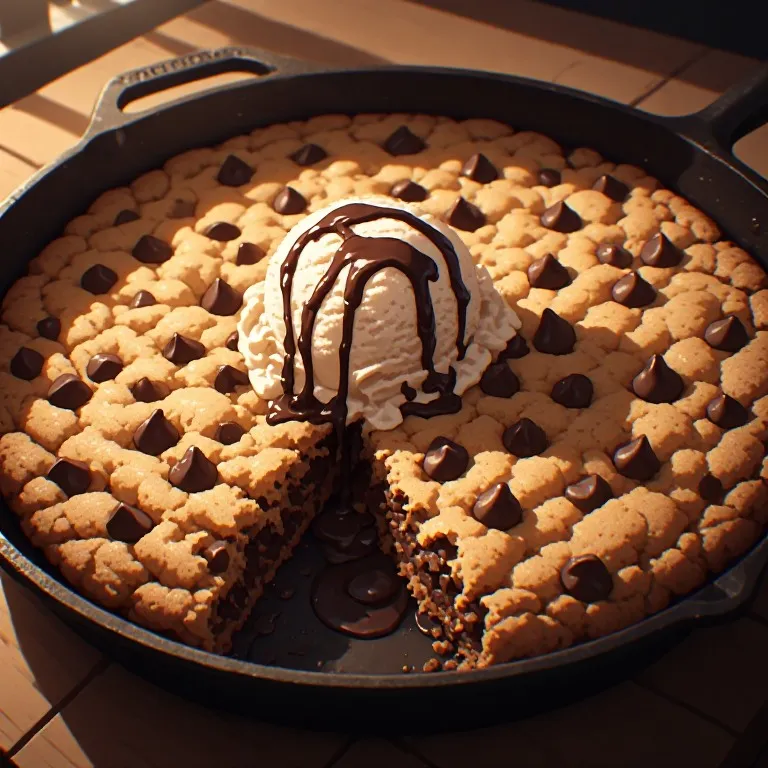
- Viral TikTok Chocolate Chip Cookie Skillet — same format of warm dessert plus cold ice cream, different base: an intentionally underdone cast-iron cookie that shares the structural logic of warm-gooey-plus-cold-scoop
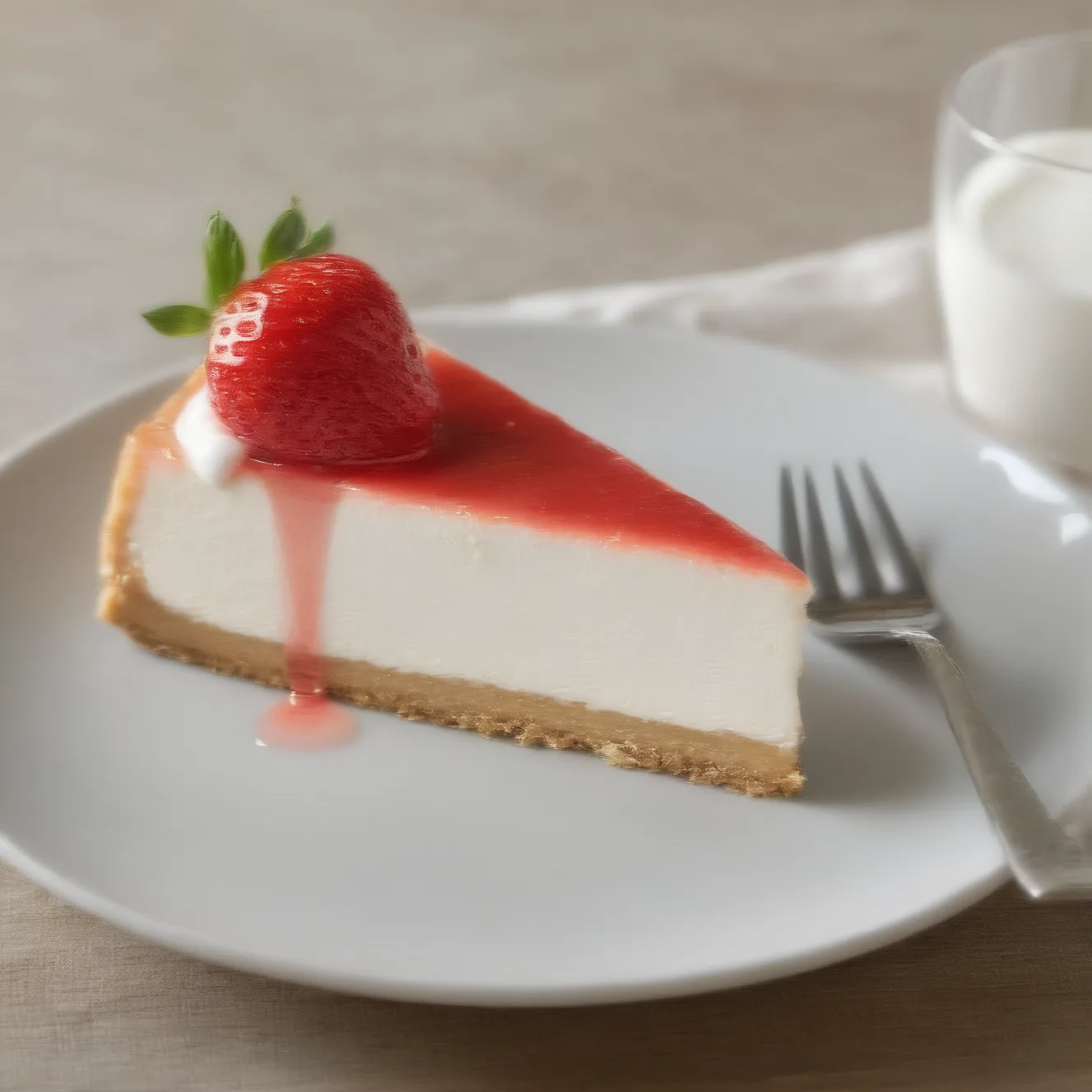
- Copycat Cheesecake Factory Original Cheesecake — the closest flavor relative to Mastro’s butter cake in the broader steakhouse dessert category: cream cheese as the central ingredient, dense and rich, made to the same New York standard
- Copycat Peter Luger Porterhouse — if building a full steakhouse dinner at home, start here: the USDA dry-aged porterhouse technique and the broiler-versus-grill debate that Peter Luger settled for New York in 1950