
Copycat Momofuku Milk Bar Birthday Cake (The Famous 6-Inch Sprinkle Cake, Made at Home)
Prep time: 1 hr 30 min active (plus 12-hr freeze) Cook time: 50 min total (crumbs + sheet cake) Servings: 8–10 slices
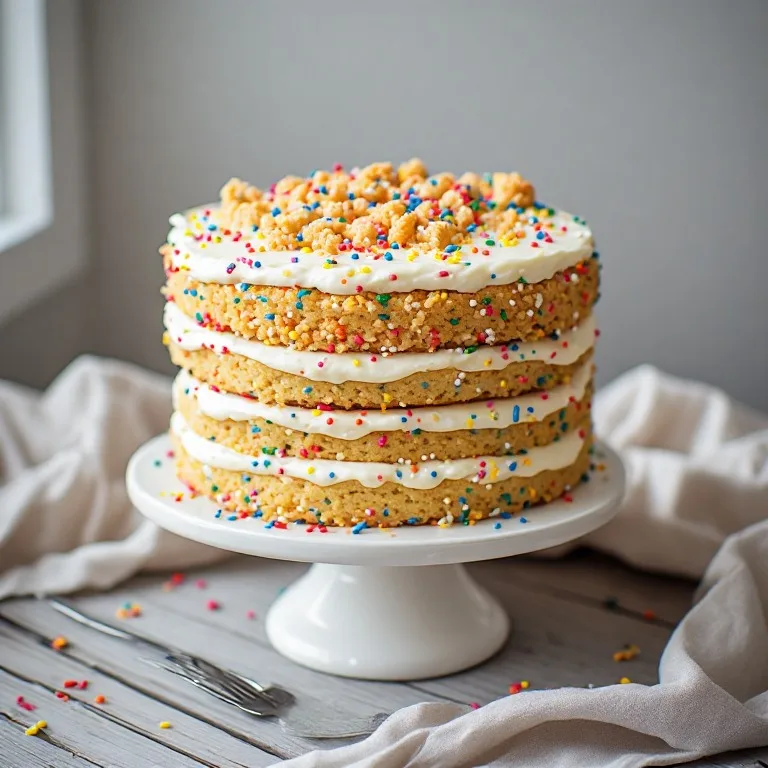
There is a Milk Bar store in Manhattan on Columbus Avenue. There is one in the West Village. One in Brooklyn, one at JFK. At any of them you can watch the person behind the counter open a white cake box and slide out a 6-inch white cylinder, its sides perfectly smooth, rainbow-studded crumbs visible between every layer when it catches the light. The cake costs $80 to $90 for the whole thing, or about $12 for a single slice. People pay it without much deliberation.
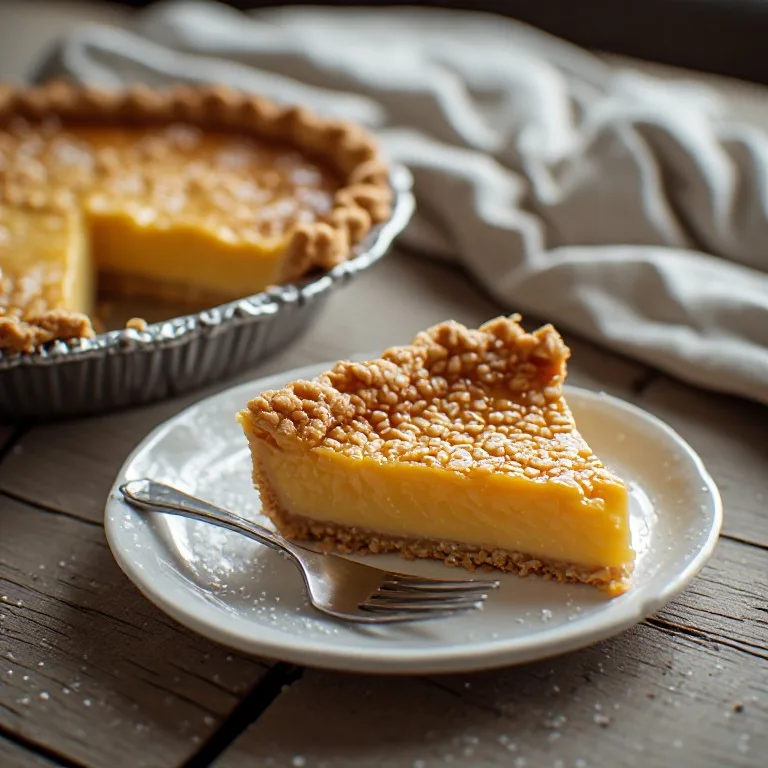
Christina Tosi opened Milk Bar inside Momofuku in 2008 as the pastry program for David Chang’s restaurant group. She created the Birthday Cake as a deliberate act of nostalgia — not a sophisticated pastry chef’s reconstruction of childhood, but a precise replication of the thing itself: the flavor of boxed Funfetti mix, canned frosting, and rainbow sprinkles from the grocery store birthday parties of the 1980s and 1990s. She used two years of testing to get it right. The result became Milk Bar’s signature item and, alongside the crack pie (now Milk Bar Pie), one of the desserts most associated with the New York restaurant scene of the 2010s.
The home version is labor-intensive in terms of components — there are five of them — but none is technically difficult. It is a project cake, not a skill cake.
The Five Components (and Why Each One Matters)
Most layer cakes have two components: cake and frosting. The Milk Bar Birthday Cake has five, and each one does a specific job that the others cannot.
The birthday cake is a funfetti sheet cake baked flat in a quarter-sheet pan and cut into rounds using the ring as a cutter. Baking in a sheet pan instead of round cake pans produces thinner layers with a consistent crumb and a higher ratio of cut surface area to total cake — this matters because the soak works on those cut surfaces, and the crumbs-to-cake ratio per bite is part of what makes the cake distinctive.
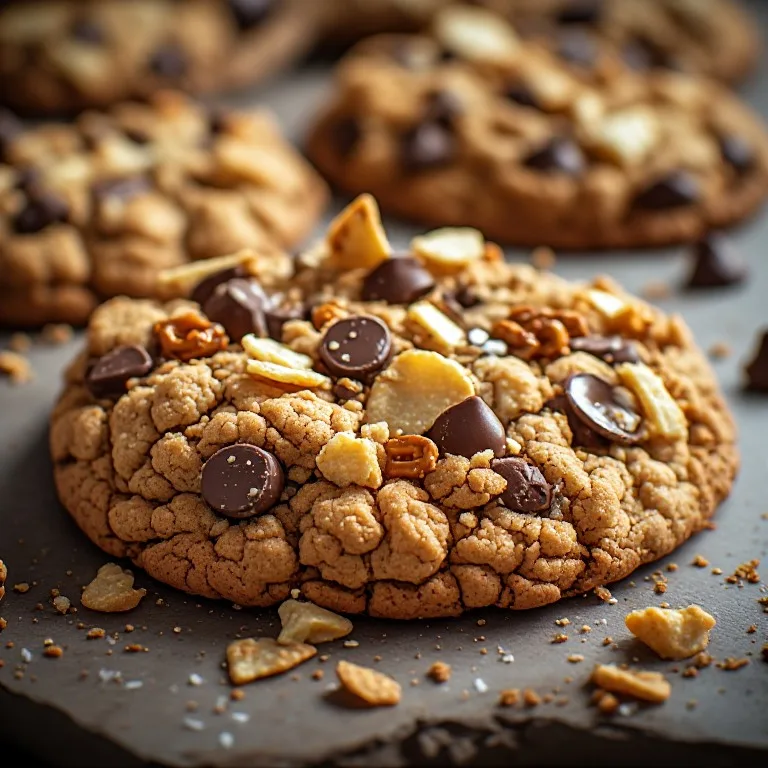
The birthday cake crumbs are the secret weapon. They are not a topping — they are an internal layer, baked between the cake layers at every level of the cake. The recipe is essentially a streusel: cake flour, sugar, baking powder, salt, and rainbow jimmies bound with neutral oil and vanilla, baked at 300°F until they form crunchy golden clusters. Every bite of the finished cake has soft cake, creamy frosting, and crunchy crumbs. The textural contrast is what makes it impossible to stop eating.
The birthday cake soak is milk and clear vanilla brushed directly onto each layer before frosting. Sheet cake layers have a drier surface than round-pan layers (more baked exterior per unit of cake), and the soak rehydrates them and adds vanilla flavor all the way through the slice.
The birthday cake frosting is the visual and flavor center of the cake. It uses clear imitation vanilla — not real vanilla — which serves two purposes: it keeps the frosting pure white (real vanilla is brown and tints the frosting ivory), and it delivers the specific artificial birthday-cake-mix flavor that is the entire nostalgic premise of the cake. The frosting also uses liquid glucose or corn syrup to prevent graininess and citric acid to cut through the sweetness. It is not a subtle frosting. It is exactly what it is supposed to be.
The freeze is not a step; it is a condition. The assembled cake must be frozen for 12 hours minimum before unmolding, which is what produces the perfectly clean vertical sides and distinct visible layers. A refrigerated-only cake will not unmold cleanly.
The Clear Vanilla Question
The most-asked question about this recipe is whether you can substitute real vanilla for the clear imitation vanilla.
For the cake batter: yes. Real vanilla works fine in the cake itself — the batter is dark enough from the eggs and brown sugar that the tint of real vanilla is barely perceptible, and the flavor difference is modest.
For the frosting: no, for two reasons. Real vanilla is amber-brown and will tint the frosting away from the pure white that is visually essential to the Milk Bar cake. More importantly: the clear imitation vanilla in the frosting IS the flavor. It is not a cheap shortcut around real vanilla. Tosi deliberately chose it because the artificial vanillin note IS the birthday-cake-mix flavor she was engineering. A frosting made with real vanilla is a very good vanilla cream cheese frosting. A frosting made with clear vanilla is a Milk Bar birthday cake frosting. They taste like different things.
Clear imitation vanilla is $3 at every grocery store, right next to the real vanilla on the shelf. Buy it.
The Acetate Ring: What It Is and Why You Need It
The 6-inch cake ring is used twice. First, as a cutter: you press it into the cooled sheet cake to punch out three uniform rounds (two clean cuts plus one assembled from scraps). This is how every layer ends up exactly the same diameter.
Second, as the assembly mold: the ring sits on a parchment-lined baking sheet and is lined with two overlapping acetate strips to create a tall, smooth inner wall. The cake is built inside this cylinder — layers added, crumbs scattered, frosting spread — and then the entire thing goes into the freezer. When you pull it frozen, the acetate peels away cleanly from the frozen frosting, leaving perfectly smooth sides with the crumbs visible inside. The ring lifts straight off.
This technique — borrowed directly from professional pastry production — is what makes the Milk Bar cake look the way it does. It is not decoration. It is structure. Order a cake ring and acetate strips; they ship cheaply and you will use them repeatedly once you have them.
The Crumbs Are Not Optional
Some copycat recipes simplify the Birthday Cake down to: funfetti sheet cake + vanilla cream cheese frosting + sprinkles on top. The result is a fine cake. It is not a Milk Bar cake.
The birthday cake crumbs, baked inside every layer, are what distinguishes the eating experience. They add crunch where everything else is soft. They add a toasted, slightly grainy texture that interrupts the richness of the frosting. They carry additional birthday-cake-mix flavor (they are baked with the same clear vanilla as everything else). Skipping them in favor of a simpler assembly produces a cake that tastes sweet and pleasant. Including them produces a cake where the texture is the point.
Make the crumbs. They take 20 minutes and keep for a week.
What the Cake Actually Tastes Like
It tastes like a very specific memory. If you grew up eating boxed birthday cake in America — Funfetti from Pillsbury, Betty Crocker rainbow chip, whatever came out of the grocery store cake mix section — the Milk Bar Birthday Cake tastes like that, made by someone who understood exactly what was good about it and eliminated everything that wasn’t.
The cake layers are soft and slightly dense, not fluffy — they are engineered for slice structure, not height. The frosting is sweet and tangy in a way that cream cheese frosting always is, but the clear vanilla pushes it toward artificial birthday flavor rather than cheesecake. The crumbs crunch and then dissolve. The whole thing is cold and slightly firm at the center for the first few bites, which is correct — this is a frozen-and-thawed cake, and the residual cold is part of the experience.
At $80 to $90 per cake from the shop, the home math is significant. The ingredient cost for the home version runs about $20 to $25 for a cake that serves 8 to 10 generously. The project requires roughly three hours of active time spread across two to three days. For a special birthday, that is an extremely good return.
Timeline for a Birthday Dinner
Two or more days before: Make the birthday cake crumbs. Store airtight at room temperature.
One to two days before: Make the birthday cake frosting. Refrigerate.
One day before: Bake the sheet cake. Let cool completely. Make the soak. Pull the frosting from the refrigerator 30 minutes before assembly. Assemble the full cake in the ring. Freeze overnight.
Day of: Remove the cake from the freezer and unmold. Refrigerate uncovered for up to 2 hours before serving — it will soften to the ideal serving temperature. Do not leave at room temperature longer than 30 minutes or the frosting will begin to soften too much.
More Famous Bakery and Restaurant Desserts Made at Home
- Copycat Junior’s Cheesecake — the sponge cake crust and no-sour-cream formula that defines the Brooklyn original since 1950
- Copycat Levain Chocolate Chip Walnut Cookie — the thick, near-half-pound cookie from the West 74th Street shop, with the cold-butter technique that produces the fudgy center
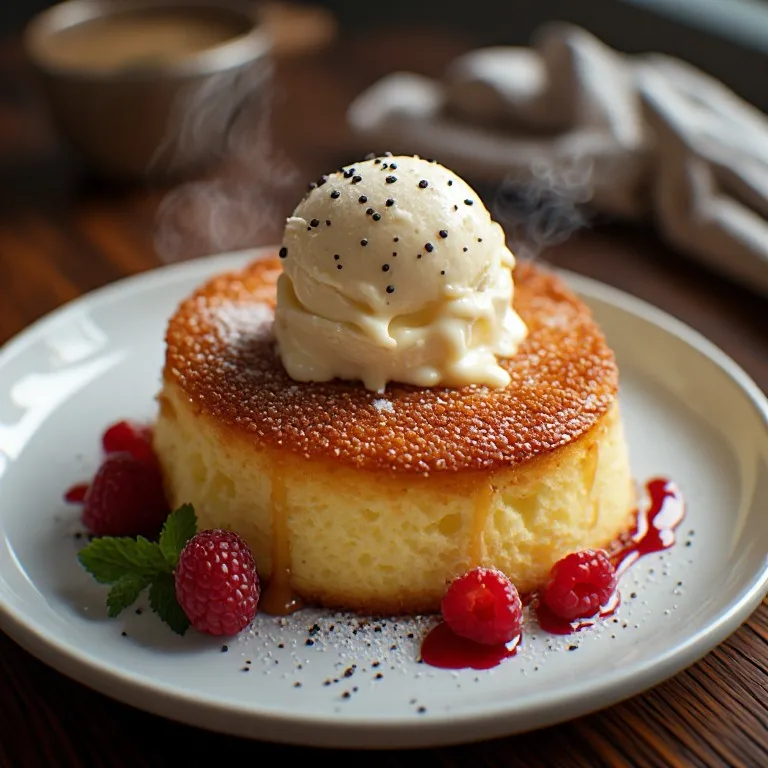
- Copycat Mastro’s Butter Cake — the warm, dense individual skillet cake served at Mastro’s steakhouses, finished with a scoop of vanilla ice cream that melts into the hot cake
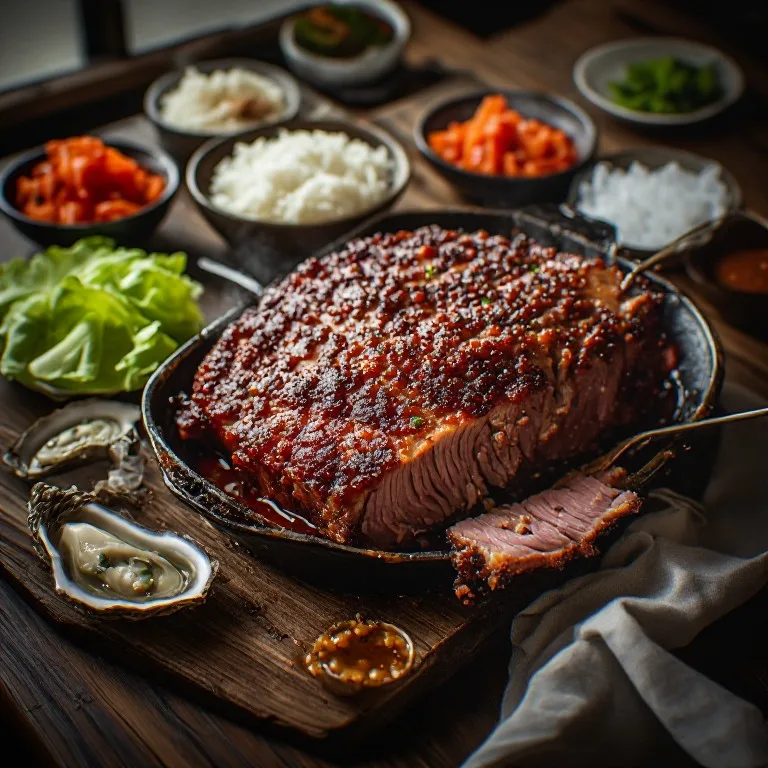
- Copycat Momofuku Bo Ssam — the full pork shoulder feast from the Momofuku menu: overnight salt-sugar cure, slow roast, served family-style with ssam jang and raw oysters
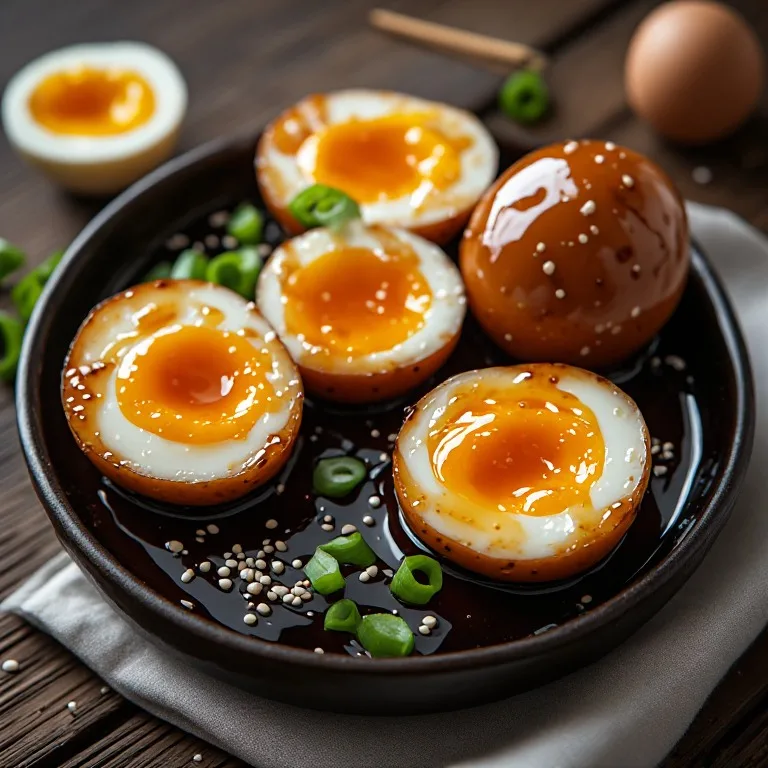
- Copycat Momofuku Soy Sauce Eggs — the deeply savory marinated soft-boiled eggs from the Momofuku ramen bowl, ready in 4 hours and infinitely better than the plain soft-boiled version