

Pin It

Morton's Legendary Hot Chocolate Cake

Morton's Legendary Hot Chocolate Cake
Jump to Recipe
Prep 20 min Cook 20 min Serves 6
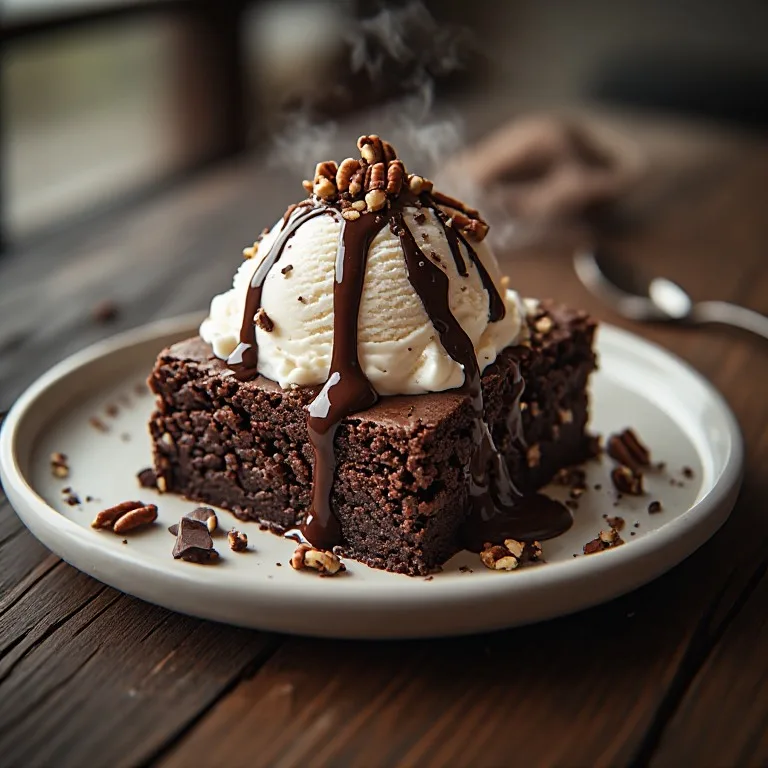
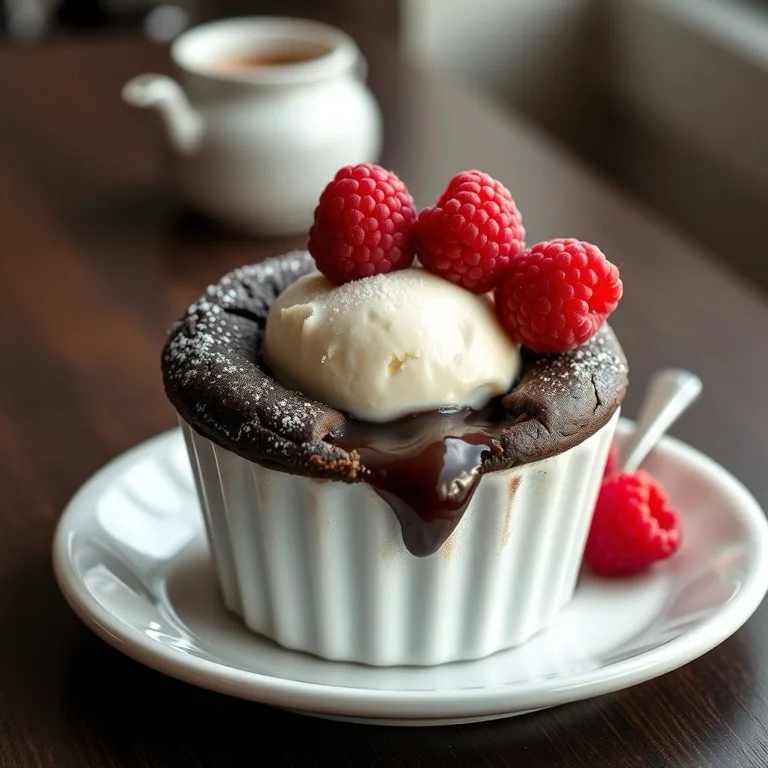
Quick answer: Morton's Legendary Hot Chocolate Cake is a soufflé-style individual molten chocolate dessert that has anchored the steakhouse's menu since it opened in Chicago in 1978. The batter is egg-rich — five whole eggs plus five yolks — melted with a full cup of butter and eight ounces of semisweet chocolate, sweetened with confectioners' sugar, and finished with a half-teaspoon of Godiva chocolate liqueur. Baked in six-ounce souffle cups at 350°F for 18–20 minutes, the cakes puff about one inch above the rim, with edges set and a warm, molten center. They're served in the ramekin, topped with vanilla ice cream and three fresh raspberries — not unmolded onto a plate like most lava cakes. Morton's charges approximately $17–19 per serving; this recipe makes six for about $21 total, or $3.50 each.

Shop the tools

Gear matched to this recipe. These are Amazon affiliate links — we may earn a small commission if you buy, at no extra cost to you.

As an Amazon Associate, Copycat Spices earns from qualifying purchases. Product images are generic illustrations, not the exact item listed.

Morton's Legendary Hot Chocolate Cake

Make Morton's Legendary Hot Chocolate Cake at home — the iconic soufflé-style molten chocolate dessert that has never left the menu since 1978. Five eggs, double-boiler chocolate, and exact timing. ~$3.50 per serving vs. $18 at the steakhouse.

Medium Prep: 20 min Cook: 20 min Total: 40 min6 servings ~$3.50/serving
Prep20 min
Cook20 min
Total40 min
Servings
6
At home~$3.50/serving
vs
Restaurant~$15.75/serving
You save ~78%

The Story Behind the Recipe

Morton's The Steakhouse opened on State Street in Chicago in 1978, founded by Arnie Morton and his business partner Klaus Fritsch. The Hot Chocolate Cake was on the menu from the beginning — not a trendy add-on, but a house signature that has never been rotated off. Fritsch later published the recipe in Morton's Steak Bible, making it one of the rare restaurant dessert recipes that's genuinely official. The original calls for Godiva chocolate liqueur, which Arnie Morton insisted on; even a small amount lifts the chocolate flavor without making the dessert taste boozy. At the restaurant today, one serving runs $17–19 depending on city, served in the ramekin with a scoop of premium vanilla ice cream and three raspberries arranged on top.

The technique is different from the 1990s-era lava cake trend: Morton's version is closer to a hot soufflé than a molten cake. The unusually high egg count — five whole eggs AND five yolks — gives the batter a richness and lift that produces a puffed, set exterior and a flowing, pudding-like center rather than the fully liquid chocolate pool you get from Chili's or Domino's version. The double-boiler method (not the microwave) is non-negotiable; it melts the chocolate and butter without overheating either, so the chocolate stays glossy and the batter comes together smoothly. The home version matches the restaurant's in one key way: the only real technique is timing. At 18 minutes the center flows. At 22 minutes it sets. The gap is narrow — use a timer.

Nutrition Facts

Per serving (6 servings)
Calories835
Total Fat52g
Total Carbs82g
Dietary Fiber3g
Sugars66g
Protein10g
Sodium265mg

* Estimated values based on standard recipe preparation. Actual values may vary.

Ingredients

Instructions

💡
Pro tip: This recipe tastes even better the next day. The flavors need time to meld together in the fridge.
❄️
Storage: Keeps in an airtight container in the fridge for up to 2 weeks. Freezer-friendly for up to 3 months.
🎃 Free Halloween cookbook — download now The Copycat Halloween Cookbook A ready-made, photo-illustrated PDF of our best halloween copycat recipes — free to download, no building required. Pay what you want to support if you love it.

Free PDF — instant download. We'll also send new seasonal copycat recipes now and then; unsubscribe anytime. Or just download it →

Copycat Morton’s Legendary Hot Chocolate Cake

Morton’s Legendary Hot Chocolate Cake has been on the menu since the steakhouse opened in Chicago in 1978. That longevity is unusual for a dessert: most steakhouse menus rotate seasonal specials and rotate them out. Morton’s never did with this one.

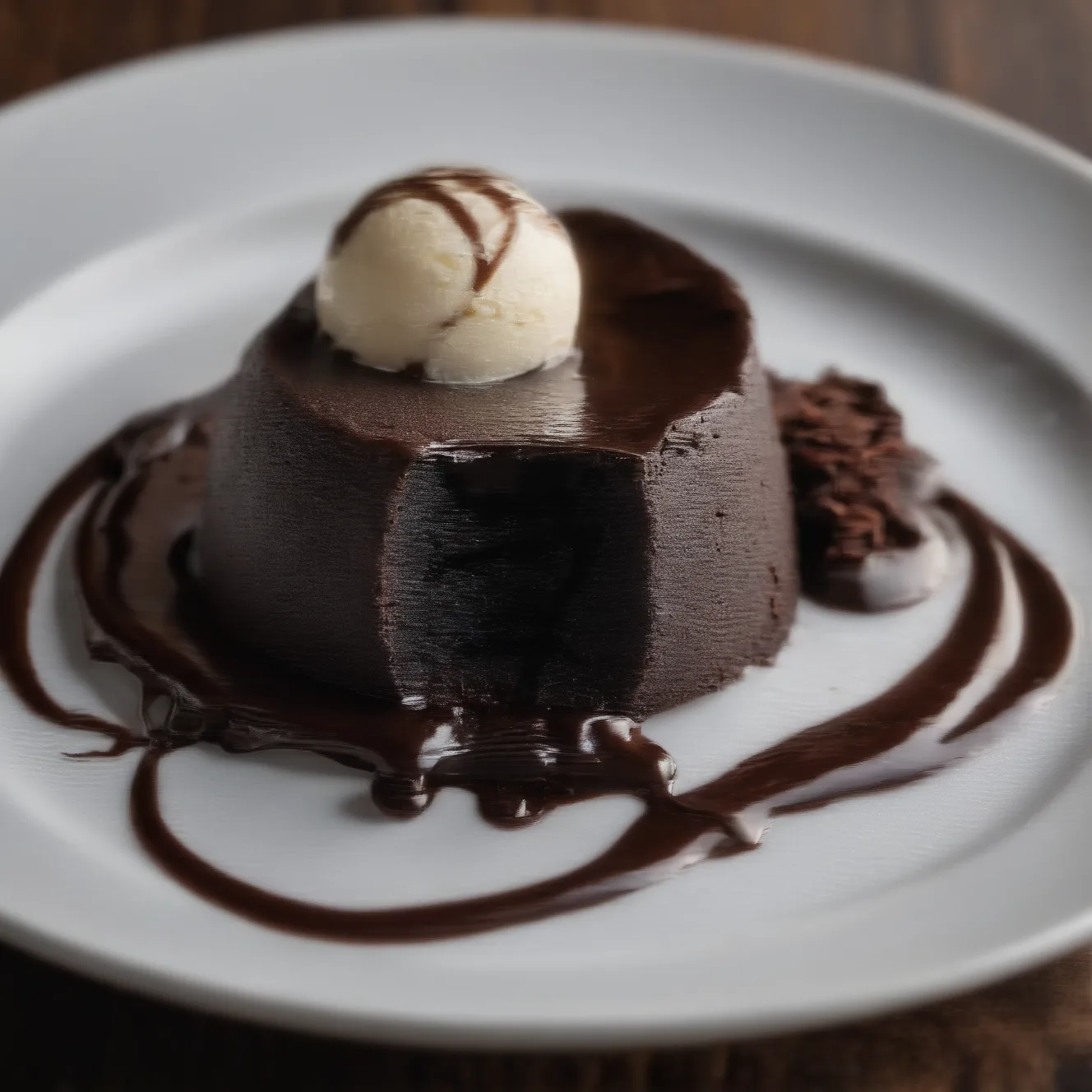
The dish looks like a lava cake but behaves differently. Where most molten chocolate cakes are designed to invert onto a plate — a thin-walled chocolate shell releasing a liquid center — Morton’s version is baked and served in the soufflé cup. The batter is built around ten eggs (five whole, five yolks) and eight ounces of chocolate melted with a full cup of butter. At the restaurant’s price of roughly $18, that’s a straightforward trade of labor and ingredients for the experience of having it arrive tableside. At home, six servings cost about $21 total.

The key technique note: Morton’s uses a double boiler, not the microwave. Slow, gentle melting over barely simmering water produces a smoother emulsion with butter and a batter that cooperates when the eggs go in. Once the batter is made, it fills six buttered, sugar-coated ramekins and goes into a 350°F oven. The goal is 18–20 minutes: puffed above the rim, edges set, center still flowing. Every oven varies — use a timer and start checking at 18. The difference between molten and fully baked is about two minutes.

What Makes It a Morton’s Signature

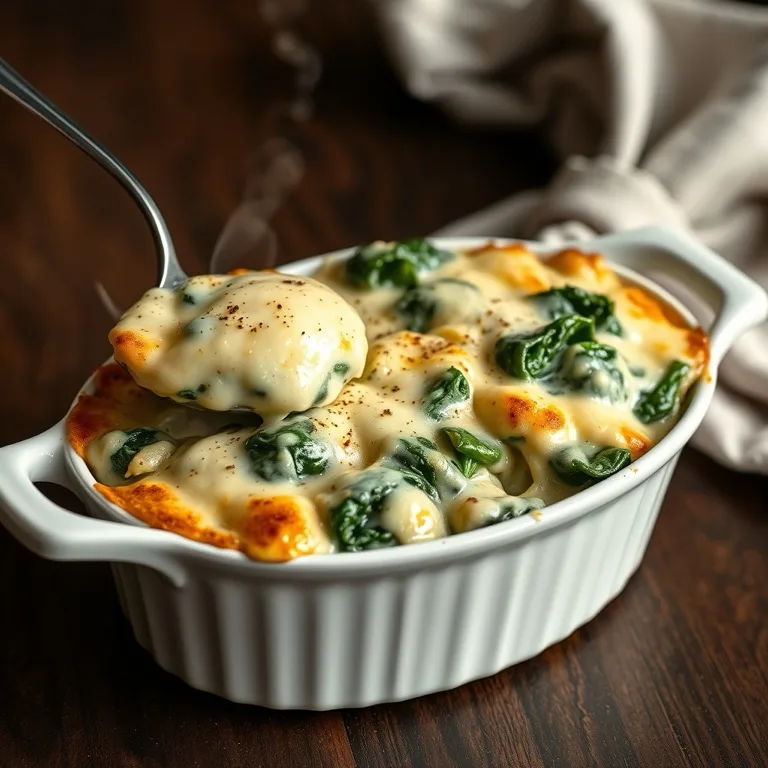
The recipe comes from Klaus Fritsch, Morton’s co-founder, who included it in their published cookbook — the same source that documents their other never-off-the-menu classic, the three-cheese creamed spinach. Three details set the cake apart from generic molten cakes:

The egg ratio. Most restaurant lava cakes use roughly two whole eggs and two yolks for four servings. Morton’s uses five of each for six — about 1.5x more egg than a standard recipe. The extra yolks add richness; the extra whites provide the lift that makes the surface puff like a soufflé rather than just swell. The interior becomes more pudding-like and less raw.

Served in the ramekin. No inverting, no dramatic reveal of chocolate flowing across the plate. The ramekin goes from oven to service plate; the ice cream and raspberries go on top. It’s a more contained, less theatrical presentation — which is, oddly, part of the appeal for a restaurant that built its brand on substance over style.

Godiva chocolate liqueur. Half a teaspoon across six servings is barely detectable as alcohol. What it does is add a concentrated cocoa-extract note that makes the chocolate flavor rounder. Vanilla extract is a fine substitute if you don’t have it.

The Timing Window

At Morton’s, the line cooks have made this dessert thousands of times and know their oven exactly. At home, your first batch is calibration. A 350°F oven (verified with a thermometer) should produce a molten center at 18–20 minutes. At 18 minutes, tap the side of one ramekin: the edges should be completely still; the center inch should quiver like set gelatin. If the whole surface quivers, give it 2 more minutes. If there’s no quiver anywhere, the center has set — you have a very good chocolate cake, just not a molten one.

Once you know your oven’s number, you can make this ahead: fill the ramekins, cover with plastic wrap, refrigerate for up to 24 hours, and bake cold — adding 3–4 minutes to the time. This is how to handle a dinner party of six without hovering over the oven during dessert.
🥗

Make It Healthier

Love Morton's Legendary Hot Chocolate Cake but want a lighter version? Try these simple swaps:

  • ✓Use 70% cacao chocolate instead of semisweet: more cocoa solids, less sugar per ounce, and the bitterness means you can reduce the confectioners' sugar to 1 1/2 cups without noticing.
  • ✓Serve with a tablespoon of crème fraîche or a few raspberries instead of ice cream — saves 150–200 calories per serving while keeping the temperature contrast.
  • ✓Reduce butter to 3/4 cup; the batter will be slightly less rich but the high egg count still delivers the right texture.

Frequently Asked Questions

What makes Morton's Hot Chocolate Cake different from other molten lava cakes?

Three things. First, the egg count: Morton's uses five whole eggs AND five yolks for six servings — most lava cakes use two of each for four servings. That roughly 2x egg ratio gives the batter a richer, soufflé-like quality: the exterior puffs and sets rather than just crisping, and the interior is more like warm chocolate pudding than raw batter. Second, it's served in the ramekin, not inverted — which means the presentation is a puffed chocolate dome rather than an erupting cake. Third, the Godiva chocolate liqueur: even at half a teaspoon per six cakes, it concentrates the chocolate flavor in a way that straight vanilla doesn't replicate, though vanilla is a workable substitute.

Can I make Morton's Hot Chocolate Cake ahead of time?

Yes. Prepare the batter and fill the ramekins up to 24 hours ahead. Cover each with plastic wrap and refrigerate. Bake straight from the refrigerator without bringing them to room temperature first — add 3–4 extra minutes to the baking time (21–24 minutes instead of 18–20). Cold batter actually extends your window slightly, since the center takes longer to heat through; this makes it more forgiving for dinner parties. Do not bake ahead and reheat — a baked lava cake does not reheat with a molten center.

What chocolate does Morton's use?

The original recipe specifies semisweet chocolate at 60–65% cacao. This is the sweet spot: enough cocoa solid for deep chocolate flavor, enough sugar to balance the bitterness, and a melting profile that produces a glossy, smooth batter. Chocolate at 70%+ works well and produces a more intense, less sweet result — a good choice if you prefer dark chocolate. Milk chocolate is too sweet and produces a cloying batter; bittersweet above 72% can curdle slightly when combined with the warm eggs if not mixed carefully. Never use chocolate chips — stabilizers in chips prevent them from melting as smoothly.

Do I need Godiva chocolate liqueur or can I substitute?

Pure vanilla extract (1 teaspoon) is the standard substitute and works well. Other options: 1/2 teaspoon of a good dark rum or bourbon (barely perceptible in the finished cake but adds depth), or a half teaspoon of espresso powder dissolved in a few drops of warm water (intensifies chocolate flavor without alcohol). The liqueur is worth buying if you make this regularly — a small bottle lasts a long time and the flavor difference, while subtle, is real.

My cakes puffed but the centers were fully set — what happened?

The cakes baked too long or your oven runs hot. A fully puffed top is the visual cue that the batter has risen from steam, but it doesn't tell you about the center. At 18 minutes, gently tap the side of one ramekin — the center inch should quiver. If the whole surface moves as a unit (no soft spot), it's done. If there's no movement at all, it's overbaked. Check your oven with a thermometer; ovens commonly run 25–50°F hotter than the dial indicates, which can cut 2–3 minutes off the baking window.

How much does Morton's Hot Chocolate Cake cost at the restaurant?

At most Morton's locations, the Hot Chocolate Cake is listed at $17–19 depending on the city and time of year. The home version — eight ounces of quality chocolate, two sticks of butter, ten eggs, and pantry staples — costs approximately $20–22 total for six servings, or $3.50–3.75 each, including the raspberries.

Love this recipe? Share it!

Free PDF: our 12 most-wanted copycat recipes — instant download.

Made it? Buy us a coffee

Every recipe here is free, with no paywalls. If this one was a hit at your table, a small tip keeps new copycats coming.

$

Morton's The Steakhouse is a trademark of its owner, used here only to describe the dish this recipe recreates. This is an independent copycat written in our own words — Copycat Spices is not affiliated with, endorsed by or sponsored by Morton's The Steakhouse.

Ratings & Reviews

—
No ratings yet

Rate this recipe

Click a star to rate

Leave a Review

0/500

CS

Copycat Spices Editorial

Researched + fact-checked. Every recipe on Copycat Spices is built from published sources — official ingredient lists, brand-published recipes, interviews and food-science references — and fact-checked before it goes live, then written as clear, step-by-step instructions for home cooks of all skill levels.

Learn more about our mission →