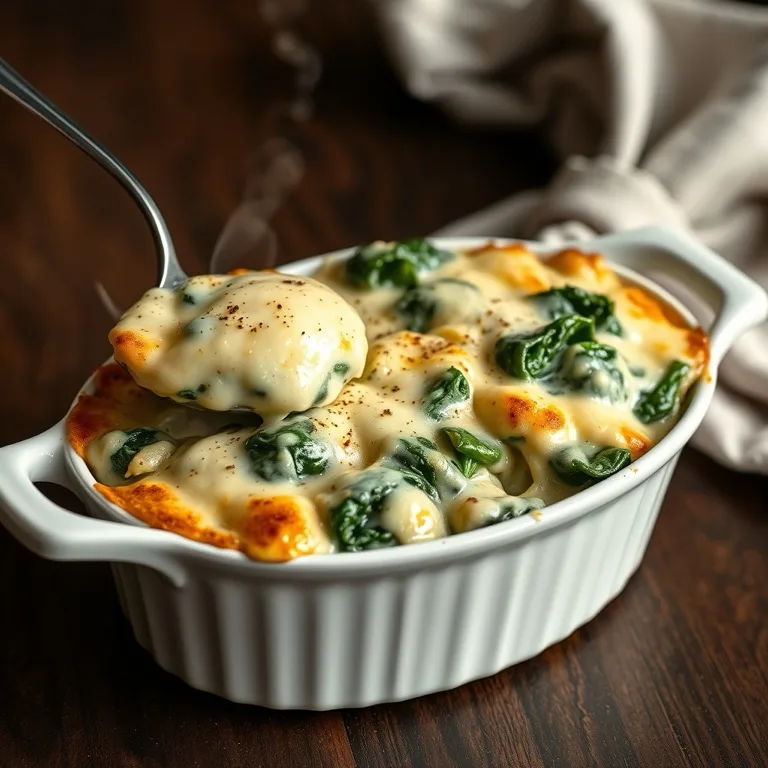



Copycat Morton’s Steakhouse Creamed Spinach (The Famous Three-Cheese Version)
Prep time: 10 min Cook time: 25 min Servings: 6 (as a side)
Morton’s The Steakhouse opened at 1050 North State Street in Chicago in 1978. Arnie Morton and Klaus Fritsch had spent their careers in the restaurant business — Morton running the Playboy Club’s restaurant operations, Fritsch as its food-and-beverage director. When the Playboy Club business contracted, they used what they’d learned about large-volume, high-end dining to build the kind of old-school American steakhouse that had started disappearing from American cities.
The menu on opening night was essentially the menu you can order today: USDA prime dry-aged steaks, sides served family-style, serious wine, a room that felt removed from any particular decade. The concept spread: Morton’s grew to over 70 locations across 28 states and internationally. A dinner for two — steaks, two sides, a bottle of wine — typically runs $200 to $250. The side dishes, sized for sharing, run $16 to $22 each.
The creamed spinach has been on the menu since opening day and has never been replaced.
Why Three Cheeses
Standard steakhouse creamed spinach is a béchamel: butter, flour, cream, salt, nutmeg. It’s good. It coats the spinach and adds richness. Morton’s version does something different.
The first addition is cream cheese, which does two things that plain béchamel doesn’t. It thickens the sauce well beyond what the flour does alone, creating a texture that holds together on the plate rather than pooling. And it adds a mild tang — you don’t taste it as “cream cheese,” but it prevents the sauce from being purely one-note rich. The sauce has more dimension.
The second cheese is mozzarella, both stirred into the hot sauce and scattered across the top. In the sauce, it adds pull — the dish has a texture when you scoop it. On top, under the broiler, it browns into spotted, slightly crisp patches that contrast with the soft spinach below.
The third is Parmesan, which provides the sharp, salty depth that neither cream cheese nor mozzarella carries.
Remove any one of the three and you have a different dish. All three together produce the version people are looking for when they search for the Morton’s recipe.
The Squeeze Step Is Not Optional
Spinach is 90% water by weight. When you heat it, that water comes out. If it goes into the cream sauce still wet, the water dilutes the sauce, breaks the emulsion, and you end up with green cream soup instead of thick, coating creamed spinach.
The fix is aggressive squeezing. After wilting (or thawing frozen spinach), let it sit in a colander for a few minutes until cool enough to handle. Then press it hard — use your hands, a clean kitchen towel, the back of a wooden spoon against the colander wall. The water that comes out will be bright green. Keep squeezing until no more liquid drips. The squeezed spinach should form compact, almost-dry clumps.
Frozen spinach releases more water than fresh during the thaw, so squeeze it even more thoroughly.
The Broil Finish
At Morton’s, the creamed spinach comes in a small, very hot cast-iron casserole dish, bubbling at the edges, with a browned crust on top. You can reproduce this at home with a standard 3 to 4 minutes under a high broiler, with the rack 4 to 5 inches from the element.
Watch it: broilers vary significantly. The goal is bubbling sauce and golden-spotted cheese, not blackened. Check at 3 minutes and add time in 30-second increments if needed.
Cost Comparison
| Morton’s | Homemade | |
|---|---|---|
| Creamed spinach (side, serves 2-3) | $16–22 per portion | serves 6 for ~$8 total |
| Per-serving cost | $5–11 | ~$1.35 |
| Dinner total per person | $80–120 | just the side |
The ingredient cost is low — spinach, cream, three cheeses. The technique is easy. What you’re paying for at Morton’s is the USDA prime steak, the tableside cart, and the 1978 Chicago room. The creamed spinach can come home with you.
Tips & Variations
- Fresh vs. frozen. Both work well. Fresh spinach wilts faster and has a slightly brighter flavor; frozen is more convenient and requires no wilting step, just thorough squeezing. The finished dish is very similar either way.
- Wilting in batches is necessary. Two pounds of fresh spinach looks like a huge pile but collapses to about 2 cups when wilted. A 12-inch skillet can usually handle it in 2 to 3 batches; don’t try to cram it all in at once or it steams rather than sautés.
- Softened cream cheese melts faster. Pull it from the refrigerator 30 minutes before cooking. Cold cream cheese takes longer to incorporate and is more likely to leave lumps in the hot sauce.
- White pepper vs. black. Morton’s classic steakhouse food tends to lean on white pepper for cream sauces — it provides the heat without visible black specks. Use black if that’s what you have; the flavor is similar.
- Cast iron for serving. If you have a small cast-iron skillet or casserole, preheat it in the oven and transfer the creamed spinach into it before broiling — it heats through faster and stays hot longer at the table, which is closer to the Morton’s experience.
- Nutmeg is mandatory. A quarter teaspoon of freshly grated nutmeg is the traditional addition to cream sauce for spinach (and to béchamel generally). Ground nutmeg from a jar works. Skip it and the sauce tastes flat.
Storage & Reheating
Store leftovers in an airtight container in the refrigerator for up to 3 days. To reheat: spread in an oven-safe dish, cover loosely with foil, and bake at 325°F for 15 minutes until heated through. Uncover and broil for 2 minutes to refresh the top. Alternatively, reheat in a small saucepan over medium-low heat with a splash of cream, stirring gently until hot. Do not microwave — it heats unevenly and can cause the sauce to break.
More Famous Steakhouse Sides Made at Home
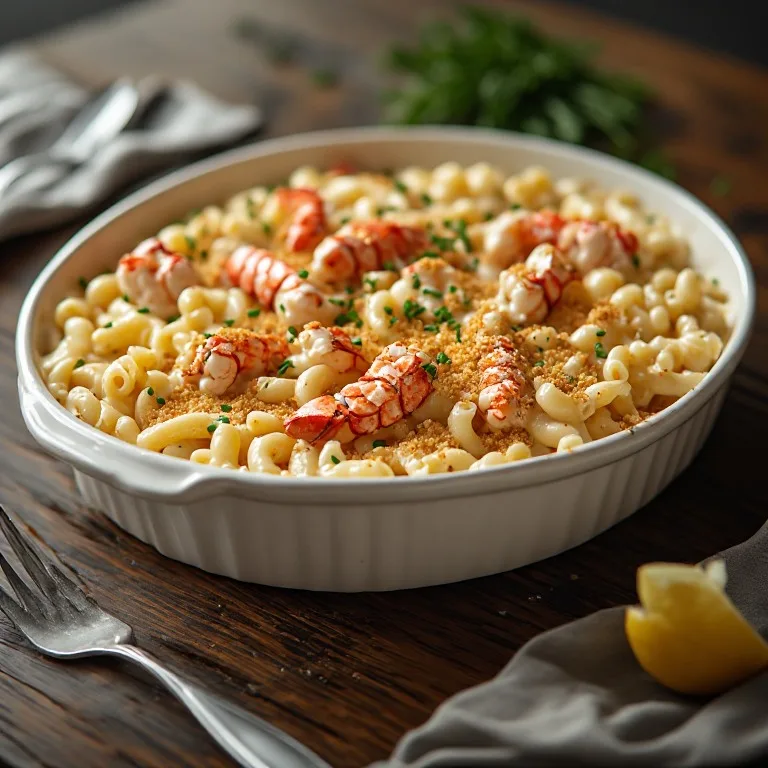
- Copycat Capital Grille Lobster Mac and Cheese — truffle oil, lobster chunks, and a sharp white cheddar sauce from the Capital Grille’s most-ordered side
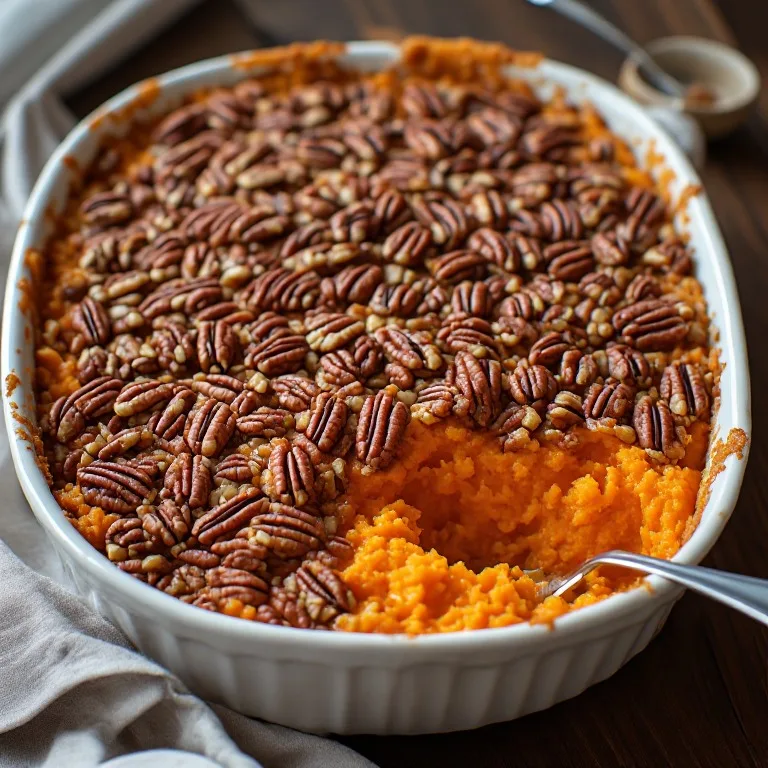
- Copycat Ruth’s Chris Sweet Potato Casserole — the brown-sugar and pecan crunch topping on the mashed sweet potato base that has been on the menu since 1965
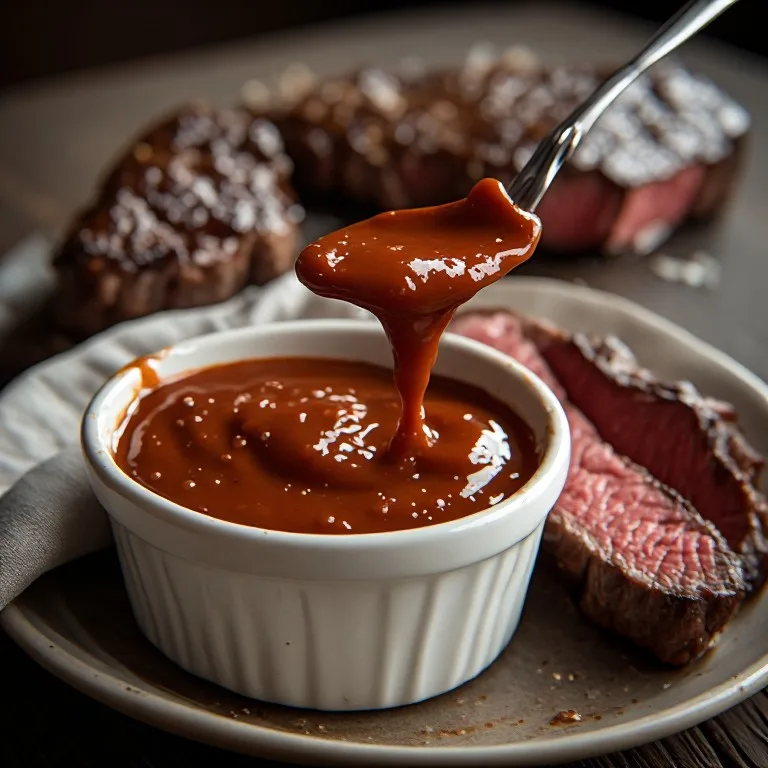
- Copycat Peter Luger Steak Sauce — anchovy, tomato, tamarind, and Worcestershire, the sauce that made a Brooklyn steakhouse famous since 1887
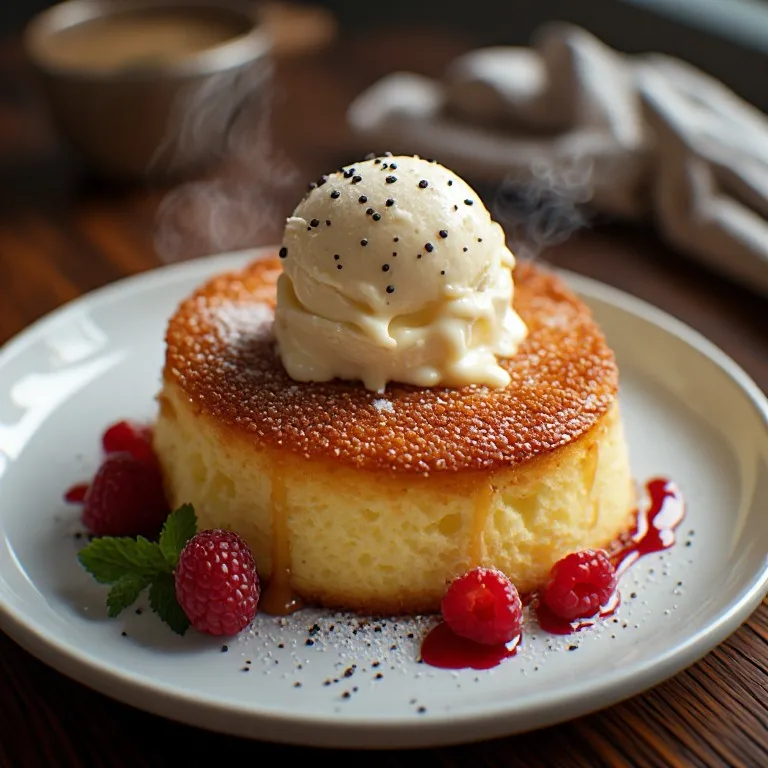
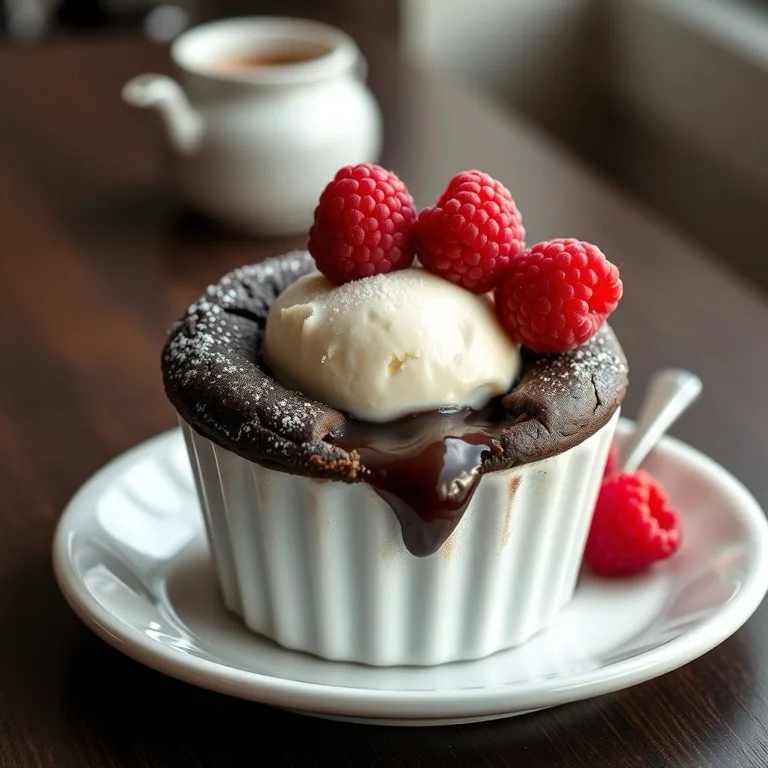
- Copycat Mastro’s Warm Butter Cake — the glossy, over-the-top skillet dessert that made Mastro’s go from steakhouse to cultural moment