

Copycat Nobu Yellowtail Jalapeño (The Cold Sashimi Classic, Made at Home)
Prep time: 15 min (no cooking) Servings: 2 (appetizer)
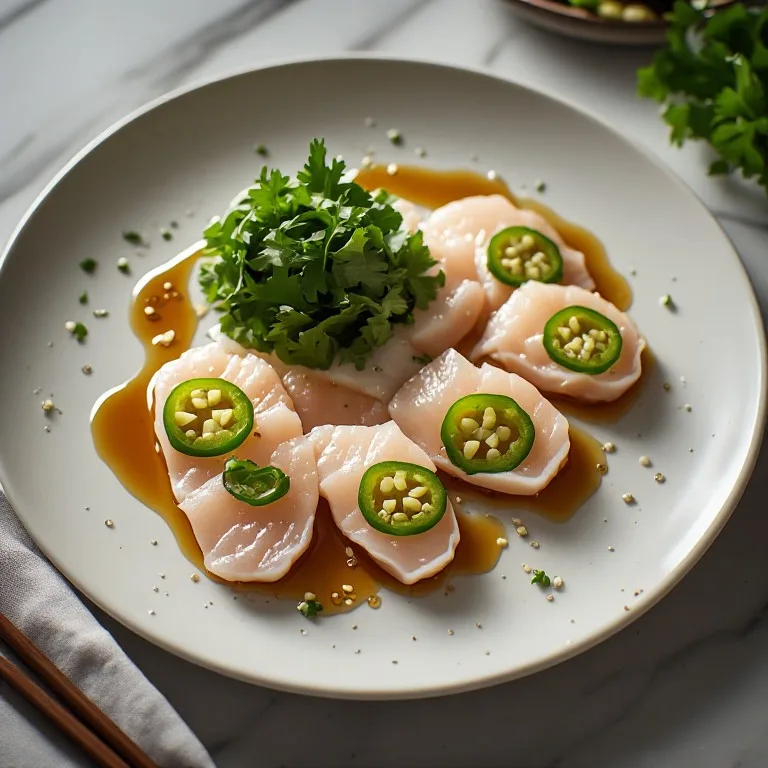
Walk into any Nobu — Tribeca, Malibu, London, anywhere in the roughly 50-restaurant empire — and the yellowtail jalapeño will be on the menu, usually among the first things a regular orders. It is a plate of raw hamachi with a slice of jalapeño on each piece, a whisper of garlic, a single cilantro leaf, and yuzu soy spooned over the top. That is the entire dish. It is also one of the most-copied restaurant appetizers in the world, and the reason is simple: it looks effortless, it tastes precise, and once you have good fish it takes about fifteen minutes.
The dish belongs to Nobu Matsuhisa, who opened his first restaurant, Matsuhisa, in Beverly Hills in 1987 and then Nobu in Tribeca with Robert De Niro in 1994. The style behind the yellowtail jalapeño comes from the years Matsuhisa spent cooking in Lima, Peru, in the 1970s, where he adapted Japanese sashimi discipline to Peruvian ingredients — ají chiles, citrus, cilantro. That fusion is the DNA of the whole Nobu menu, and the yellowtail jalapeño is its cleanest expression: Japanese fish, Peruvian brightness and heat, nothing wasted.
The Mistake Almost Every Home Version Makes
Search “Nobu yellowtail jalapeño” and you will find recipes that tell you to heat oil until it smokes and drizzle it sizzling over the fish. That is the wrong dish.
The sizzling hot-oil technique is real and it is Nobu’s — but it belongs to a different creation called New Style Sashimi. Matsuhisa invented New Style Sashimi for a guest who was uneasy about eating fully raw fish: thin slices of fish topped with julienned ginger and fine scallion, over which smoking-hot oil (a blend of olive and sesame) is poured tableside so it lightly sears just the surface while the inside stays raw and cold. It is a great dish and the sizzle is genuinely part of it.
The yellowtail jalapeño is not that. It is served cold, uncooked, start to finish. No oil is heated, nothing is seared. If you pour hot oil over it, you have made a competent New Style Sashimi and called it by the wrong name — and you have muddied the two flavors Nobu built the yellowtail jalapeño around: clean raw hamachi and sharp, citrusy yuzu soy. Keep it cold. That is the dish.
What Actually Makes It Work
There are only four flavors on the plate, so each one has to be right.
The fish is 80% of it
This dish hides nothing. There is no sear, no marinade, no sauce thick enough to cover a mistake. If the hamachi is anything less than clean, fresh, and genuinely sashimi-grade, you will taste it immediately. Spend your money and attention here (see sourcing below) and the rest is assembly.
Garlic is a whisper, not a layer
Nobu lightly dips one side of each slice in a fine garlic purée. The point is a faint savory hum underneath the citrus — something you feel more than taste. Grate one small clove to a smooth paste and touch the fish to it so only a faint film transfers. Raw garlic is loud and gets louder on the plate; a single clove across all the slices is plenty, and less is fine. Over-garlic this and it stops tasting like Nobu and starts tasting like a marinade.
Yuzu soy, spooned around — not over
The dressing is yuzu soy: yuzu juice and soy sauce, roughly 2 parts yuzu to 3 parts soy. It should read bright and citrus-forward with a salty backbone. Spoon it so it pools on the plate and the fish sits glistening in it, not swimming. Drown the slices and the soy takes over; the fish should still be the loudest thing in each bite.
The jalapeño gives heat, the cilantro gives lift
One thin round per slice, seeds in for the intended heat. A single cilantro leaf per piece — fresh, herbal, and cooling against the chile. That is the whole aromatic structure.
Sourcing Sashimi-Grade Yellowtail
Since the fish is the dish, this is where to be careful:
- Best sources: Japanese and Asian grocers (Mitsuwa, Marukai, H Mart), fishmongers that supply sushi restaurants, and reputable online shippers (True World Foods, Catalina Offshore Products).
- General fish counter: Ask directly whether the yellowtail is sold for raw/sashimi use. If yes, and it smells clean, it is usually fine.
- Trust your nose above labels. Fresh hamachi smells faintly of clean ocean. Sour, strongly fishy, or ammonia notes mean it has aged past safe raw eating — cook it or skip it.
- Keep it cold the whole time. Buy it last, get it home fast, and keep it refrigerated (ideally over ice) until the moment you slice. Raw fish should stay below 40°F until it’s eaten.
Yellowtail Jalapeño vs. New Style Sashimi, Side by Side
| Yellowtail Jalapeño | New Style Sashimi | |
|---|---|---|
| Temperature | Cold, fully raw | Cold interior, surface flash-seared |
| Hot oil? | No | Yes — smoking oil poured tableside |
| Aromatics | Garlic, jalapeño, cilantro | Ginger, scallion |
| Sauce | Yuzu soy | Yuzu soy + nikiri (sweet soy) |
| The point | Clean raw fish + citrus + heat | The sizzle and the cooked-raw contrast |
Both are Nobu signatures. If you want the dramatic tableside sizzle, make New Style Sashimi and know that’s what you’re making. For the yellowtail jalapeño, keep everything cold.
Cost: Homemade vs. Nobu
| Nobu (per order) | Homemade (2 appetizer portions) | |
|---|---|---|
| Price | ~$29–34 | ~$20–25 total |
| Fish | 8–10 small slices | 6 oz hamachi (~$12–20) |
| Reservation | Hard to get | Your kitchen, tonight |
The savings are real but modest — the point of making it at home isn’t cheaper, it’s available. Good hamachi plus fifteen minutes gets you a plate that stands next to the restaurant’s, because the restaurant’s version is itself just excellent fish handled simply.
A Few Technique Points
Slice against the grain, on a diagonal
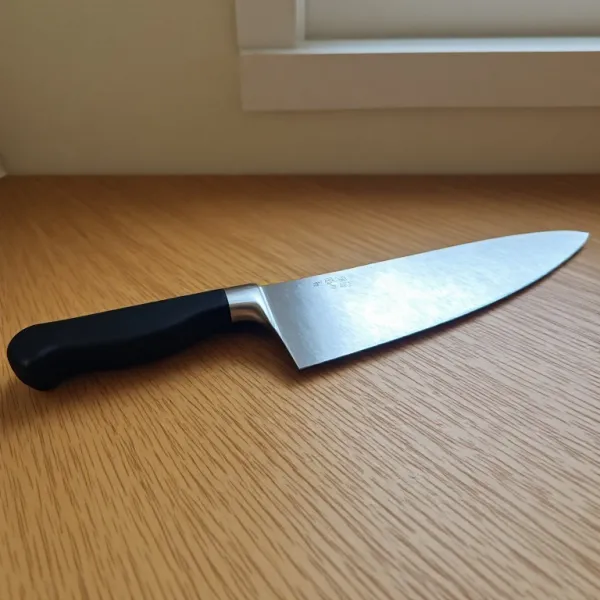
Look at the fish and find the direction the muscle fibers run. Cut across them, not along them, at about a 30-degree diagonal. Against-the-grain slicing gives clean, tender bites; the diagonal gives a larger, more elegant slice face. A truly sharp knife matters more than an expensive one — a dull blade drags and shreds sashimi.
Keep everything cold
Chill the plates, keep the fish over ice if your kitchen is warm, and plate at the last minute. This is a food-safety point as much as a flavor one, and it keeps the fish firm and glossy rather than soft and dull.
Dress last, serve immediately
Add the yuzu soy right before serving and bring it to the table straight away. Sitting fish weeps and the acid in the yuzu soy will start to lightly cure (and slightly firm) the surface if it sits too long — which is fine to eat but no longer the clean raw texture you’re after.
Variations
- Serrano in place of jalapeño for a noticeably hotter version; Fresno for milder, fruitier heat and a pretty red edge against the pale fish.
- Bottled yuzu ponzu instead of homemade yuzu soy — a touch sweeter and more rounded, and perfectly authentic to the Nobu style.
- A few drops of chili oil or a pinch of togarashi if you want more heat without changing the fresh, cold character of the dish.
- Fluke, snapper, or salmon as the fish if hamachi isn’t available — leaner or bolder, but the same method applies.
Storage
This is a same-day, eat-it-now dish. Raw fish should be sliced and served the day you buy it and not held once dressed. Any unused, un-sliced sashimi-grade fish can stay tightly wrapped over ice in the coldest part of the fridge for up to 24 hours, but the texture is always best the day of purchase. Do not save dressed leftovers.
More Famous Restaurant Dishes Made at Home
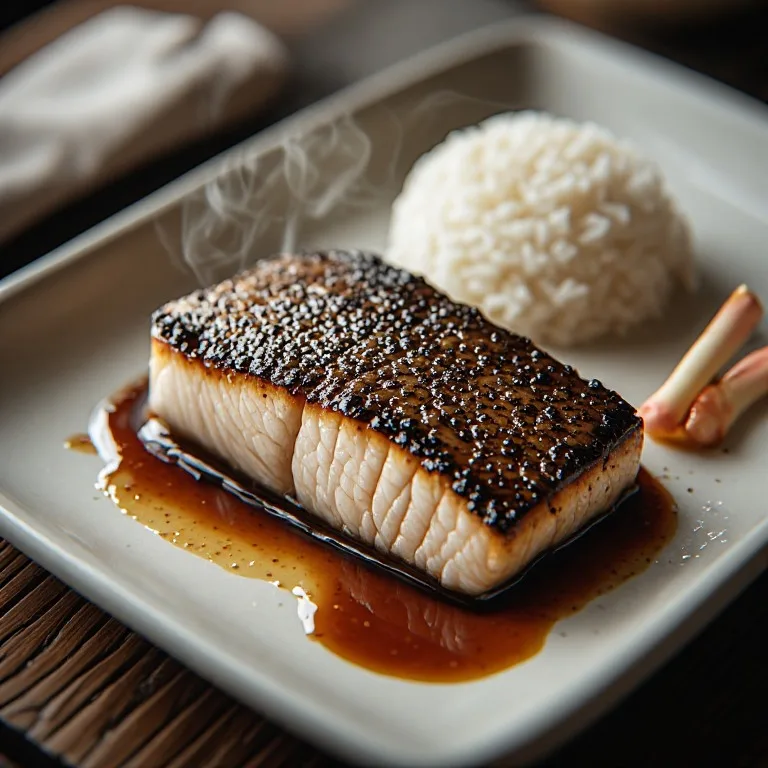
- Copycat Nobu Black Cod Miso — Nobu’s other signature: the sweet-savory miso-marinated black cod, and the three-day marinade that makes it work
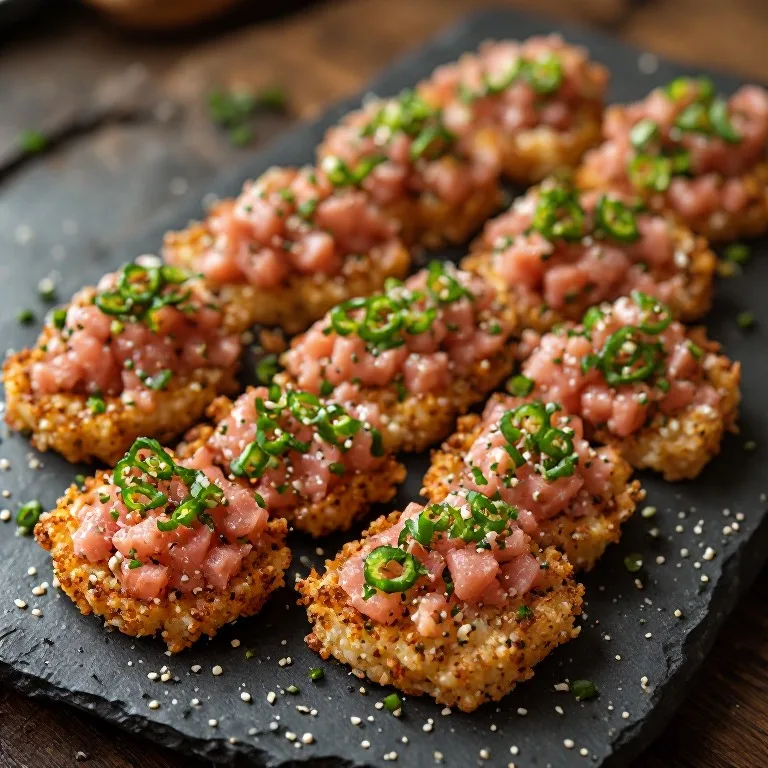
- Viral TikTok Spicy Tuna Crispy Rice — the crunchy fried-rice-and-raw-tuna bite that took over #FoodTok, and how to get the rice crisp without a deep fryer
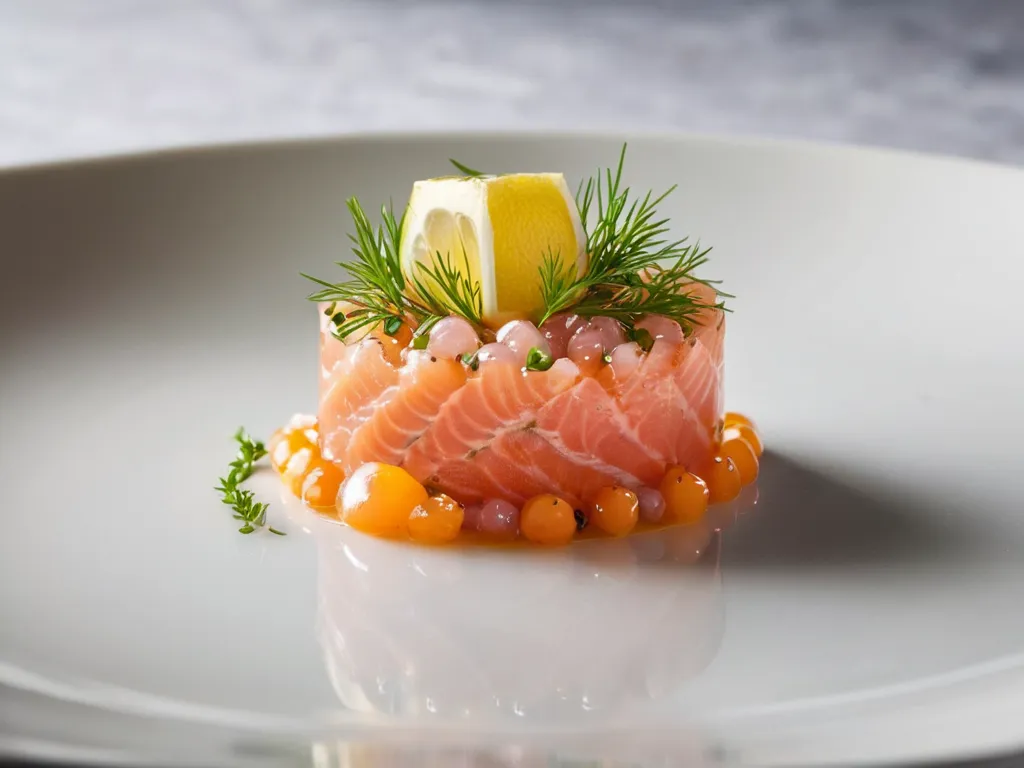
- Viral TikTok Salmon Tartare — a bright, no-cook raw salmon dish built on the same buy-great-fish-and-keep-it-simple logic
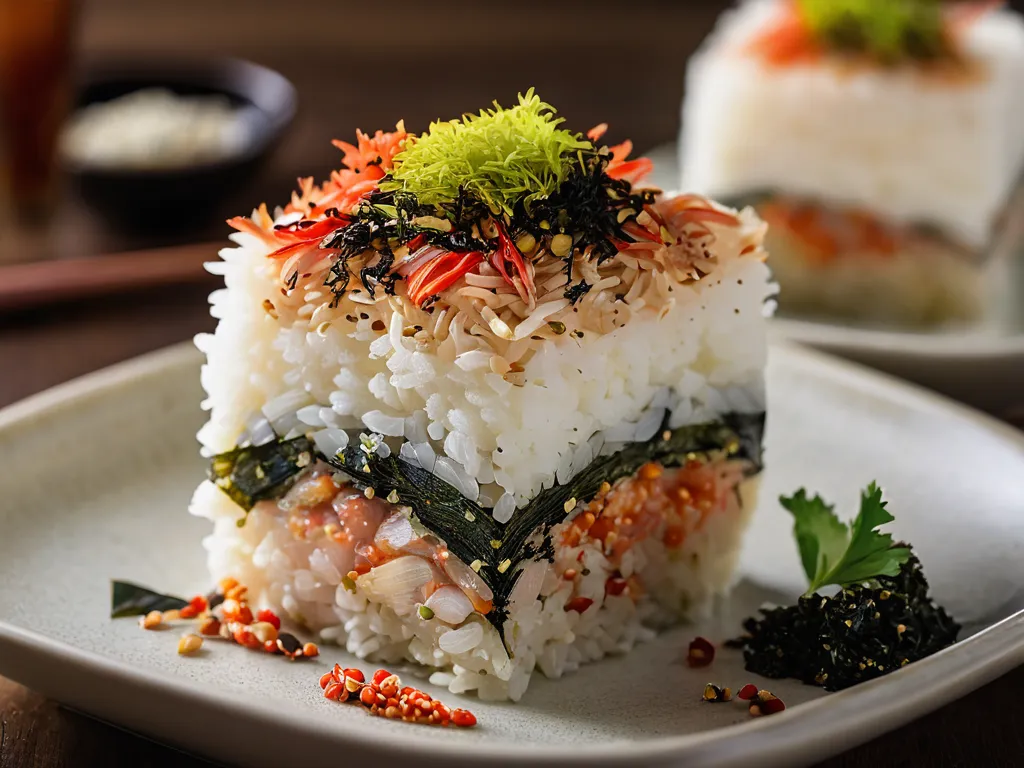
- Viral TikTok Sushi Bake — the warm, scoopable deconstructed-sushi casserole for people who love the flavors but not the knife work
- Copycat Benihana Ginger Dipping Sauce — the bright, garlicky ginger sauce from the teppanyaki chain, useful far beyond hibachi night