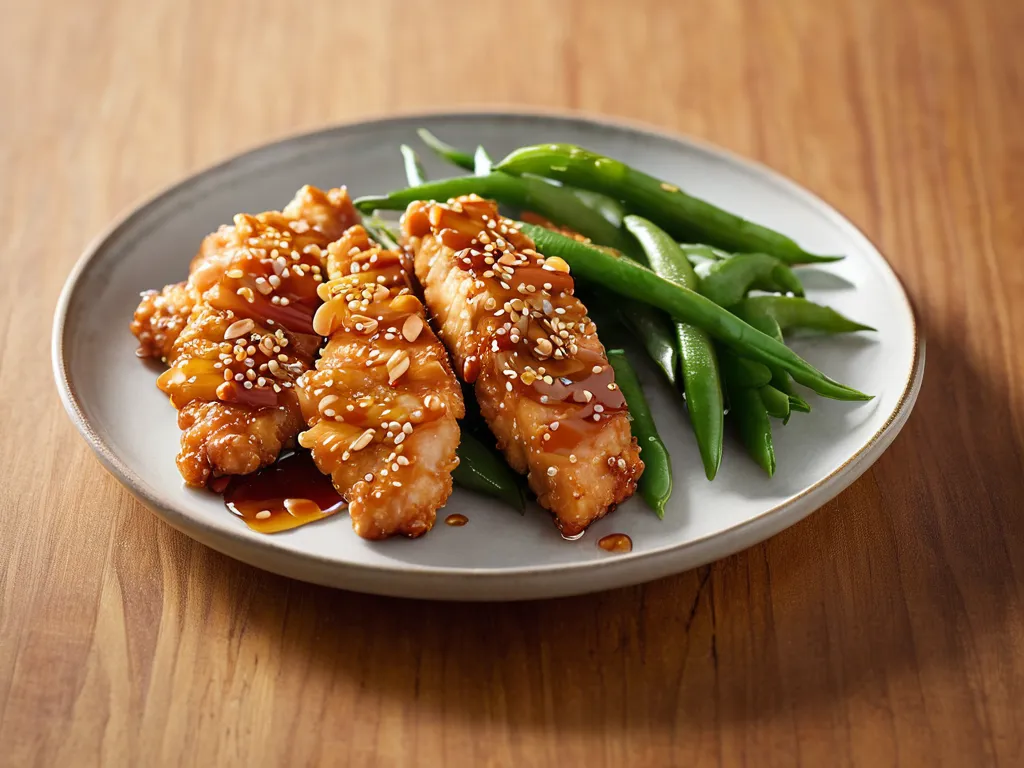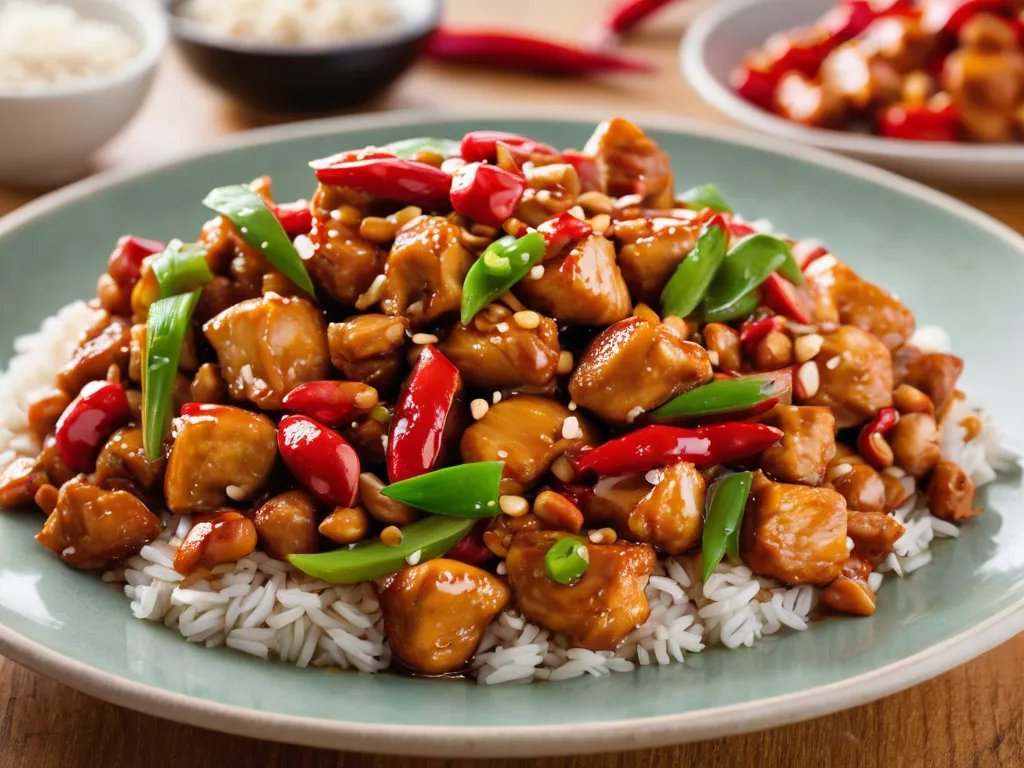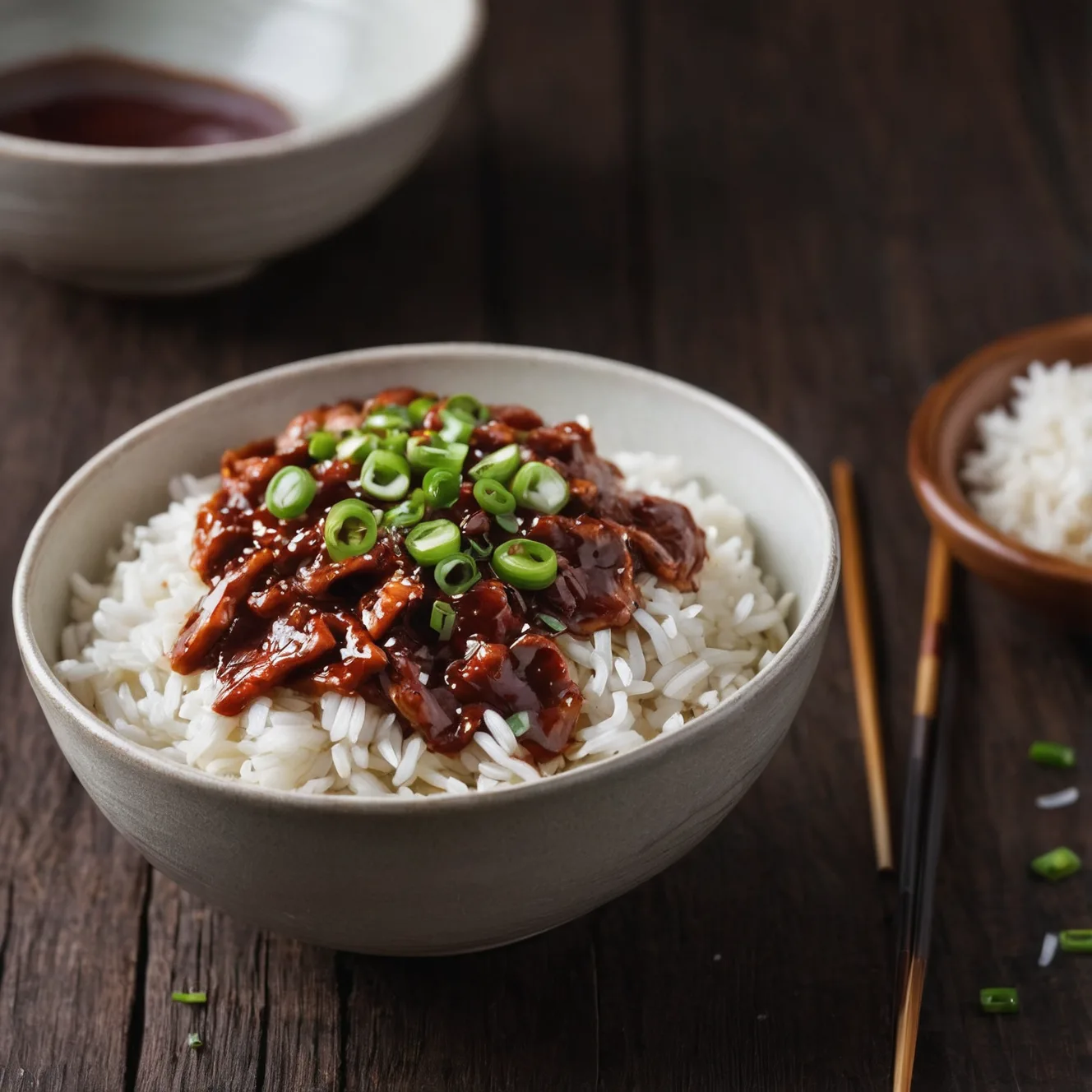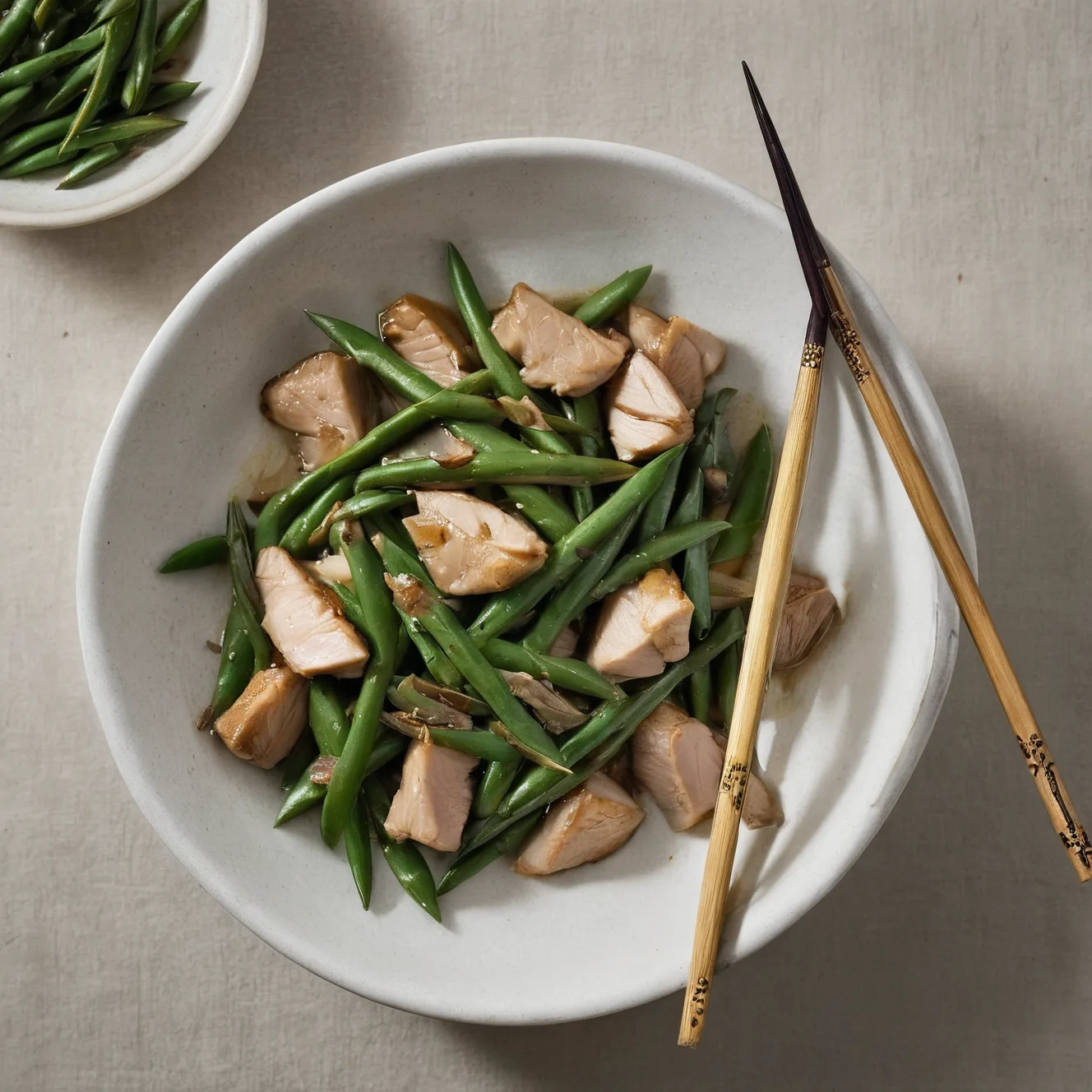
Copycat Panda Express String Bean Chicken Breast
String Bean Chicken Breast is the most underrated item at Panda Express. Orange Chicken gets all the attention, but this dish — lean chicken breast, crisp-tender green beans and onion, a clean garlic-ginger sauce — is what Panda’s kitchens are actually good at: fast, high-heat wok cooking that keeps vegetables bright and proteins tender. At 190 calories per medium serving, it is one of the few fast-food stir-fry dishes you can eat regularly without restructuring your diet around it.
The problem with making it at home is that chicken breast in a hot wok usually goes one of two ways: rubbery if rushed, or pale and soft if you back off the heat. This recipe solves that with a technique borrowed from Chinese restaurant kitchens called velveting — a 15-minute marinade with cornstarch and a small amount of baking soda that forms a protective layer around each piece of chicken, keeping it tender and moist regardless of how hot the pan gets. It is the single technique that explains why restaurant stir-fried chicken breast is silky and tender while most home attempts are not.
What Is in Panda Express String Bean Chicken Breast
The official Panda Express ingredient list is straightforward: chicken breast, green beans, onion, soybean oil, dehydrated garlic, soy sauce, sesame oil, rice wine, brown sugar, corn starch, and natural flavor. No zucchini — a detail that surprises many, since zucchini is so common in copycat versions and in Chinese-American stir-fry generally. The restaurant version keeps the vegetable profile simple: string beans and onion are the only vegetables, which keeps each serving’s calorie count low and lets the string beans be the clear flavor lead.
The chicken is thinly sliced rather than cubed, which helps it cook quickly and stay tender in a steam-tray environment. At home, cutting the breast against the grain into strips slightly thinner than a pencil is the right approach. The sauce is deliberately understated — soy-garlic-ginger-sesame without the sweetness of orange chicken or the chili heat of Kung Pao. This recipe adds oyster sauce (not in the original) for extra depth, and notes where to substitute if you want to stay close to the Panda Express flavor exactly.
If you want a more vegetable-forward version, zucchini is an excellent optional addition — slice into half-moons and add in the final 90 seconds of cooking. It fits the flavor profile well even if it is not authentic.
Why Chicken Breast (Not Thigh) Matters Here
The name is not marketing — using chicken breast instead of thigh is what keeps this dish at 190 calories per medium entree at Panda Express, with 14 grams of protein and under 600mg of sodium. Breast has roughly 165 calories and 3 grams of fat per 6 ounces of cooked meat; thigh is closer to 250 calories and 13 grams of fat. The tradeoff is that breast meat has less internal fat to protect it from heat, which is why the velveting step in this recipe is essential rather than optional.
If you prefer dark meat, chicken thighs work well in this dish — they are more forgiving, richer in flavor, and will not dry out if slightly overcooked. You can skip the baking soda in the marinade. The calorie count increases but the dish will still taste excellent.
The String Bean Technique: Blanch, Then Wok
String beans are trickier to stir-fry than most vegetables because they need meaningful heat exposure to cook through but will go limp and dull-green if they steam instead of sear. At Panda Express, their string beans are cooked in large commercial woks with dramatic BTU burners that force-dry and char vegetables in seconds. A home burner at 8,000–15,000 BTUs cannot replicate that directly.
The workaround is a 90-second blanch before the wok: drop the string beans into boiling salted water, cook for exactly 90 seconds, drain and run cold water over them immediately. This accomplishes two things — the beans turn bright green (a color they will hold through the rest of cooking rather than going army-drab) and they are about 70% of the way through cooking. When they hit the hot wok with the other ingredients, they only need 2 more minutes to reach crisp-tender without overcooking.
If you skip blanching, the string beans need about 4 minutes of direct wok contact before they are ready — which means the chicken will either overcook while you wait, or you need to cook the beans separately and combine everything at the end. Both approaches work; the blanch-first method is more reliable.
How This Compares to Other Panda Entrees
String Bean Chicken Breast at 190 calories per medium serving is one of the lowest-calorie entrees at Panda Express. For comparison: Kung Pao Chicken runs about 290 calories per medium serving; Beijing Beef is 470 calories; Honey Sesame Chicken Breast is 420 calories. Broccoli Beef is slightly lower at 150 calories per serving, but String Bean Chicken has more protein (14g vs. 9g) for the modest extra 40 calories.
The home version, with more generous chicken portions (6 ounces per person rather than the 3–4 ounces in a restaurant single-serve), lands closer to 30–32 grams of protein per plate at roughly 280 calories — a genuinely strong protein-to-calorie ratio for a stir-fry that does not feel like “diet food.”
What to Serve With It
String Bean Chicken Breast pairs naturally with Panda Express Fried Rice or Chow Mein for a full Panda-style plate. Because the dish is mild and savory, it handles a well-seasoned fried rice well without either component fighting the other. If you are watching calories, steamed white rice at home adds roughly 200 calories per cup versus the fried rice at 530 per medium serving.
For a lighter option, serve alongside Walnut Shrimp for a contrasting sweet-and-crunchy counterpoint to the savory, lean String Bean Chicken. Or pair with Orange Chicken if someone at the table wants something more indulgent — the two dishes balance each other on the same plate.
Common Mistakes to Avoid
Skipping the velvet marinade. Chicken breast stir-fried without velveting will be dry and slightly chewy by the time it is cooked through. The baking soda and cornstarch take 15 minutes and cost nothing. Do not skip it.
Overcrowding the wok. If the chicken overlaps in the pan, it releases steam and braising liquid instead of searing. Cook in two batches rather than one large one — the difference in texture is noticeable.
Adding garlic and ginger too early. Both aromatics burn quickly at wok temperatures. They should go in after the onion has gotten a minute of head start, and they should cook for no more than 30 seconds of constant stirring before the next ingredient goes in.
Adding the sauce too early. Pour the sauce in only after all vegetables are in the wok and at least partially cooked. Adding liquid too early drops the pan temperature below searing threshold and everything starts steaming instead of frying.