


Pappadeaux Pasta Mardi Gras (The Famous Copycat, Made at Home)
Prep time: 15 min Cook time: 30 min Servings: 4
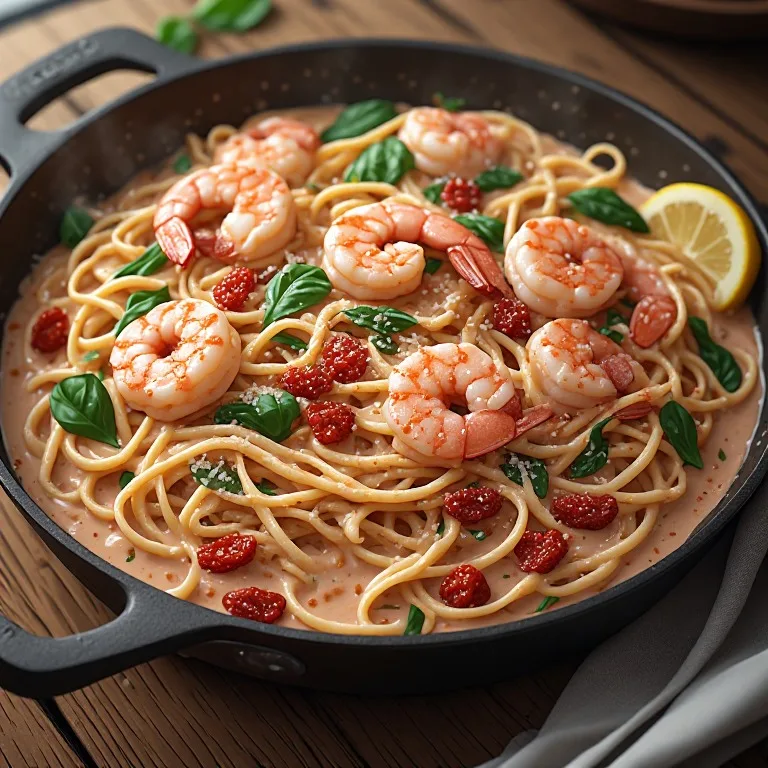
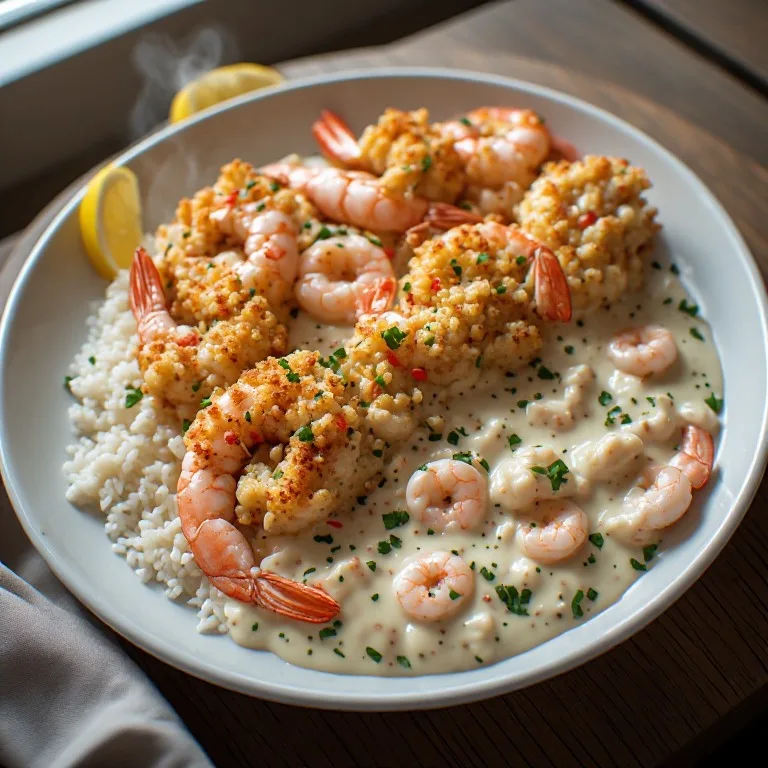
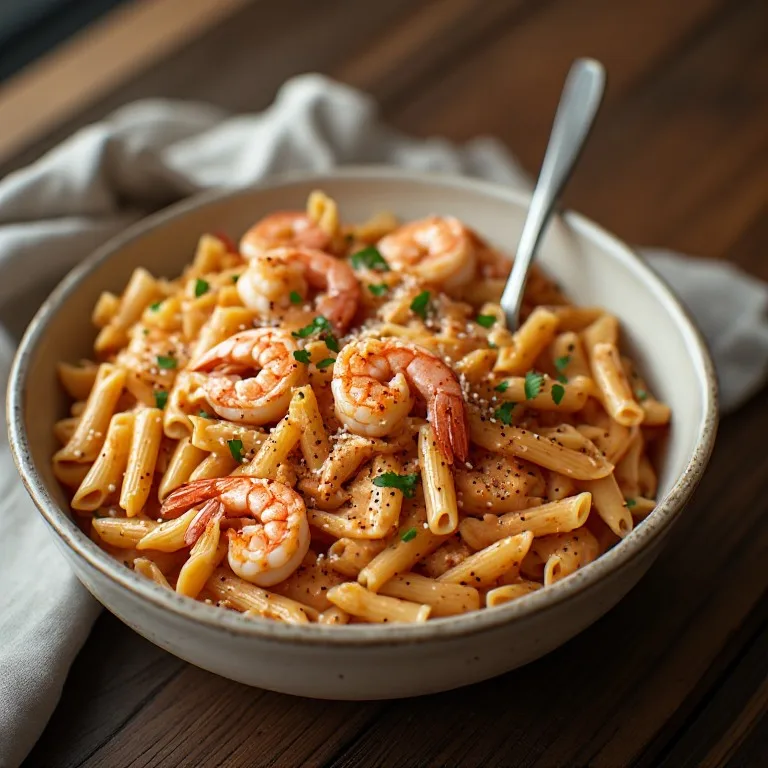
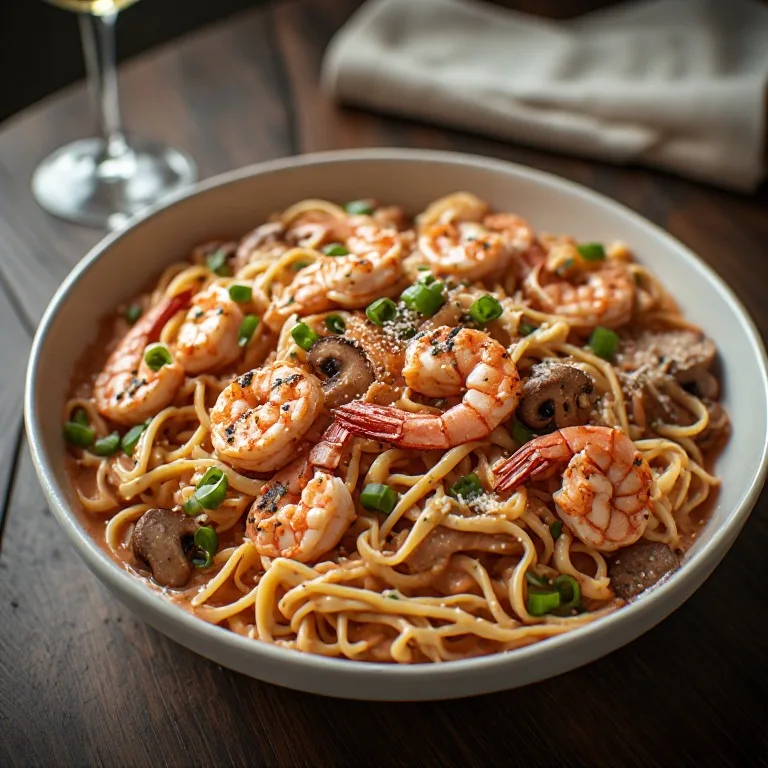
Pasta Mardi Gras is the dish Pappadeaux Seafood Kitchen is most famous for outside Texas. The combination of Gulf shrimp, Louisiana crawfish tails, and andouille sausage in a spicy Cajun cream-marinara sauce over linguine is the dish everyone who has been to a Pappadeaux wants to make at home. The key is a two-part sauce — cream AND marinara together, not one or the other — which gives the sauce its signature orange-pink color and the richness-brightness balance the restaurant version has.
The crawfish tails are non-negotiable. They have a sweet, earthy, distinctly Cajun character that shrimp alone cannot replicate. Louisiana crawfish tail meat is sold frozen in most Southern supermarkets and is easy to find on Amazon from brands like Atchafalaya — order it in advance so it is on hand. Everything else in this dish is a grocery store run.
What Makes This Different from a Generic Cajun Shrimp Pasta
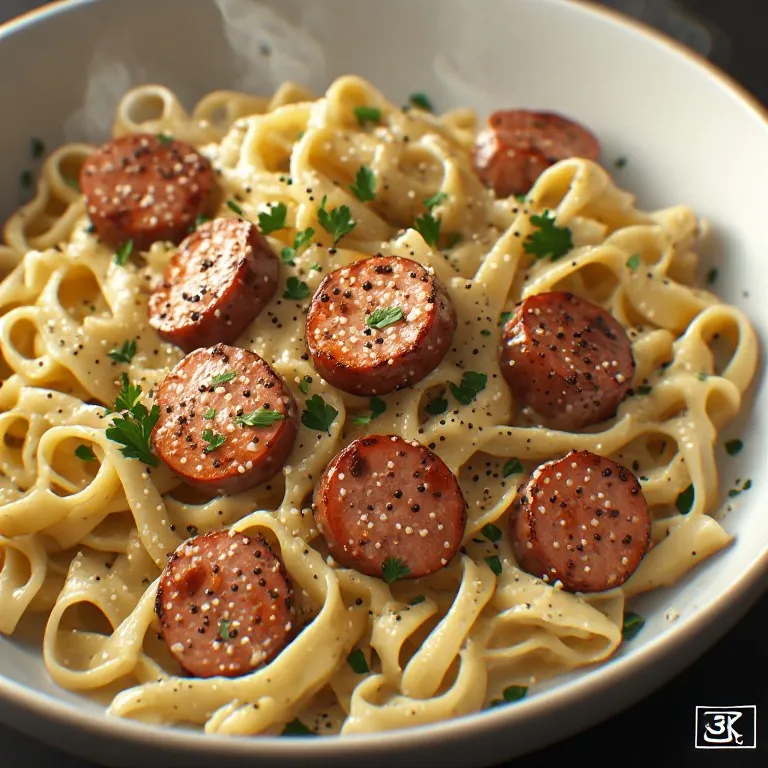
Most home versions of this dish make one of two mistakes: they use only cream (producing a Cajun Alfredo) or only tomato (producing a spiced marinara with shrimp). The Pappadeaux version does neither. The half-and-half of cream and marinara is what makes the sauce taste like the restaurant’s — rich and bright at the same time. The andouille sausage, browned hard in its own fat before anything else goes into the pan, coats the pan with seasoned rendered fat that flavors every subsequent step. Do not skip the browning or substitute smoked sausage — andouille’s garlic-and-heat profile is the backbone of the whole dish.
Tips for Perfect Results
Brown the proteins first, in order. Andouille goes in dry — the fat it renders is your cooking medium for the shrimp and then the vegetables. Pull the shrimp when they are just opaque — they will heat through again in the sauce, and a shrimp that goes into the final toss already overcooked is a rubbery shrimp.
Season in layers, not all at once. Add about 1 teaspoon of Cajun seasoning to the sauce and taste before adding the remaining 1/2 teaspoon. Both Tony Chachere’s and Slap Ya Mama are salt-forward, and the andouille and Parmesan both add sodium. The dish should taste bold but not salty.
Reserve a full cup of pasta water. The pasta finishes in the sauce, and the starch in the reserved water is what makes the cream-marinara cling to every strand of linguine rather than pooling at the bottom of the bowl. Add it in small splashes — not all at once.
What to Serve With It
At the restaurant this comes as a rich one-plate meal, so keep the sides simple and acidic to cut the cream. A crusty baguette or garlic bread is the classic move for mopping up sauce. A sharp green salad with a lemon or red-wine vinaigrette balances the richness better than anything creamy. If you want to lean into the Louisiana theme, a simple side of sautéed green beans or blistered okra works. Skip a second starch — the dish is already pasta-and-sausage heavy.
Make-Ahead and Storage
Pasta Mardi Gras is best eaten the moment it’s tossed, because cream-marinara sauces tighten and the pasta keeps drinking sauce as it sits. If you need to get ahead, make the sauce base through the cream-marinara step and refrigerate it up to 2 days; cook the pasta and sear the seafood fresh, then reheat the sauce gently and combine. Leftovers keep 3 days in the fridge. Reheat in a skillet over low heat with a splash of milk or cream and a spoon of water, stirring constantly — microwaving splits the sauce and turns the shrimp rubbery. Do not freeze; cream sauces separate and seafood goes mealy on thawing.