Pin It

Copycat Red Robin Banzai Burger

Copycat Red Robin Banzai Burger
Jump to Recipe
Prep 20 min Cook 15 min Serves 4
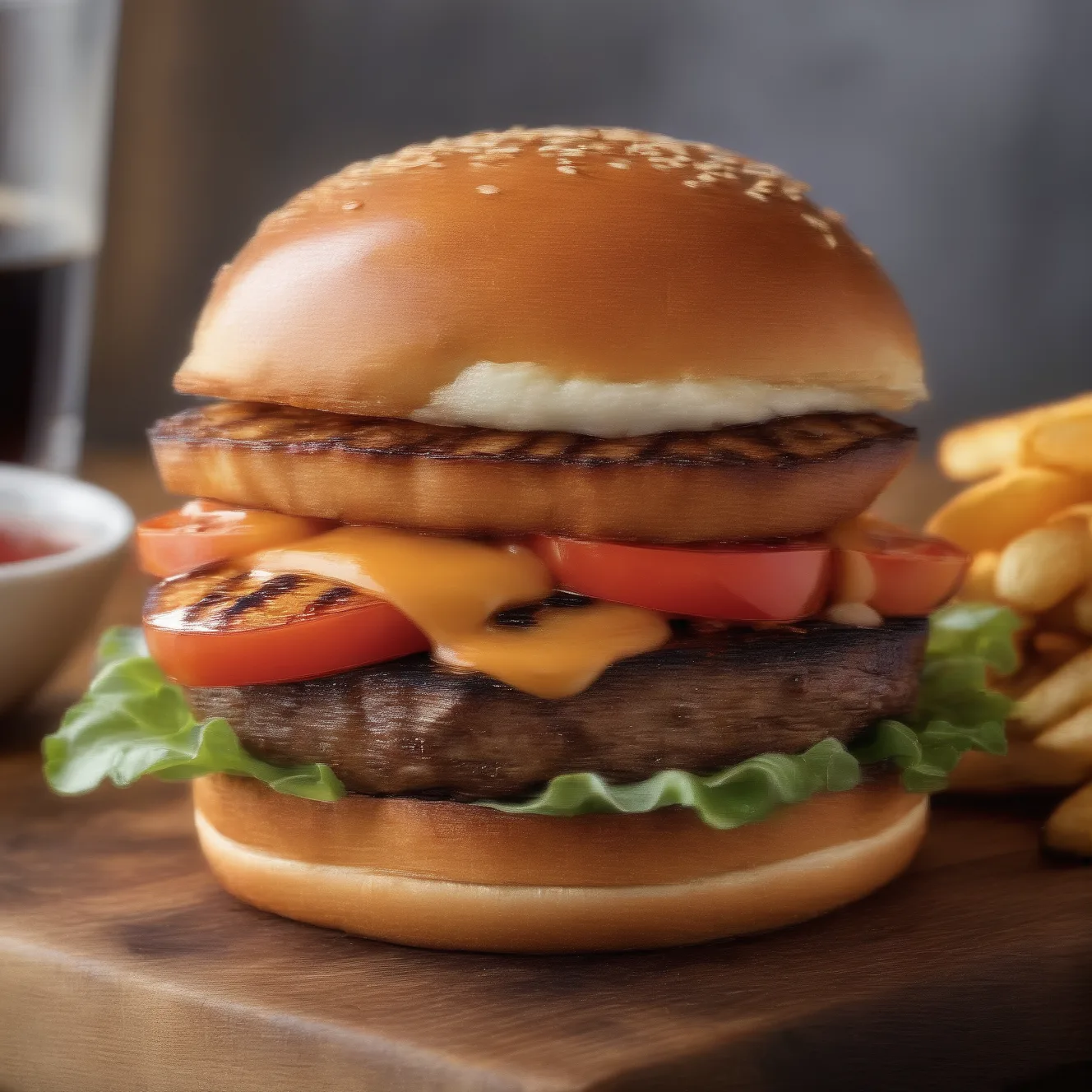
Quick answer: Red Robin's Banzai Burger is a fresh 1/3-lb beef patty glazed with teriyaki during cooking, two thick grilled pineapple rings, melted cheddar cheese, lettuce, tomato, and mayo on a toasted brioche bun. The key that most copycat recipes miss: the teriyaki isn't a condiment — it's brushed directly onto the patty while it cooks, caramelizing into a sticky glaze. The pineapple is fresh and grilled (not canned, not raw), cut 3/4 inch thick so it chars without disintegrating. The restaurant uses two rings per burger, stacked on top of the patty — not hidden underneath it. Restaurant price approximately $15 (includes bottomless fries); home version costs about $4–5 per burger.

Copycat Red Robin Banzai Burger

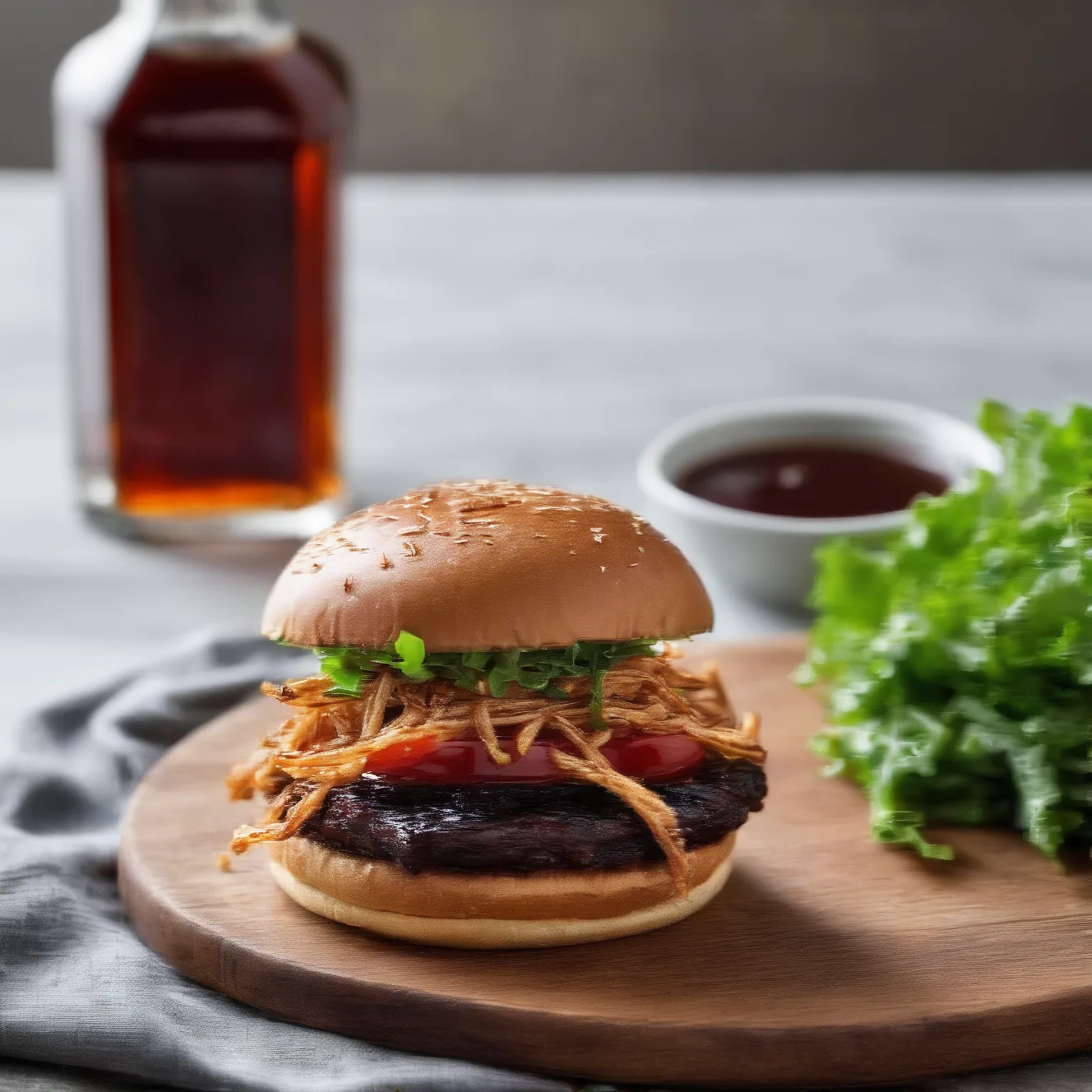
Red Robin's Banzai Burger at home: a fresh 1/3-lb beef patty glazed with teriyaki during cooking, thick-cut grilled pineapple, melted cheddar, lettuce, tomato, and mayo on a toasted bun. Most copycats get the teriyaki wrong — here's what the restaurant actually does.

Easy Prep: 20 min Cook: 15 min Total: 35 min4 servings ~$4.50/serving
Prep20 min
Cook15 min
Total35 min
Servings
4
At home~$4.50/serving
vs
Restaurant~$20.25/serving
You save ~78%

Ingredients

Instructions

💡
Pro tip: This recipe tastes even better the next day. The flavors need time to meld together in the fridge.
❄️
Storage: Keeps in an airtight container in the fridge for up to 2 weeks. Freezer-friendly for up to 3 months.
~350-550 cal/serving · Rich & Indulgent🔥

The Story Behind the Recipe

Red Robin has served the Banzai Burger on its menu for decades — through multiple rebrands and menu contractions — because the combination of teriyaki glaze, grilled pineapple, and a fresh beef patty genuinely works. It’s the one burger on their menu that doesn’t taste like a variation of the American BBQ formula.

Getting it right at home comes down to one technique that most copycat recipes miss entirely: the teriyaki is not a sauce you add at the end. It’s a glaze you apply to the patty while it cooks on a hot pan, letting it caramelize into a lacquered, slightly charred crust. That caramelized surface is why the restaurant burger tastes different from a burger with teriyaki sauce poured over it.

What Most Copycat Recipes Get Wrong

The teriyaki is treated as a condiment. Most recipes make a teriyaki sauce and spoon it over a cooked patty. The restaurant applies it during cooking — twice, in fact: once as a marinade before cooking, and once as a glaze brushed on during the last 2 minutes on the heat. The sugars caramelize against the hot cast iron and create a sticky, lacquered exterior that’s fundamentally different from wet sauce on cooked meat.

The pineapple is canned. Canned pineapple rings are water-packed and pre-cooked — they can’t develop char marks, and they steam the pan when you try. Fresh pineapple, cut 3/4 inch thick and placed on a screaming-hot cast iron with nothing else in the pan, will develop real char marks in 2–3 minutes. Those char marks — slight bitterness from the caramelized sugars — are what makes the pineapple interesting rather than just sweet.

The cheese is Swiss. Swiss cheese on a teriyaki burger makes intuitive sense, but Red Robin actually uses cheddar on the Banzai. The sharpness of cheddar pushes back against the teriyaki sweetness; Swiss’s mild nuttiness gets lost.

The glaze isn’t thickened. A thin, watery teriyaki sauce runs off the patty as soon as you flip it. A proper glaze — thickened with a small cornstarch slurry — clings to the beef and stays there to caramelize. One teaspoon of cornstarch is the difference between a wet patty and a lacquered one.

The Teriyaki Glaze

This recipe makes a proper thickened glaze: soy sauce, brown sugar, mirin, rice vinegar, sesame oil, fresh ginger, garlic, and a cornstarch slurry cooked until it coats a spoon. Mirin is the key ingredient that most scratch teriyaki recipes either leave out or substitute with white wine — mirin has a lower alcohol content and higher sugar content than sake or dry sherry, which means it caramelizes at lower heat and contributes a distinctive sweetness that’s different from plain sugar or honey. Find it at any Asian grocery store or in the international aisle of most large supermarkets. It keeps for months in the fridge.

Reserve half the glaze for serving on the side. Use the rest for marinating and glazing during cooking.

The Pineapple

Three rules:

  1. Fresh only. See above — canned won’t work.
  2. 3/4 inch thick. Thinner rings go limp before they char; thicker rings take too long and cool the pan. Three-quarters of an inch holds its structure through 2–3 minutes of high heat and comes out with firm edges and a caramelized surface.
  3. Dry pan, screaming hot. No oil. The pineapple’s natural sugars caramelize on contact with a dry, very hot cast iron surface. Oil would lower the caramelization temperature and give you stewed pineapple instead of charred pineapple.
How It Compares to the Other Red Robin Burgers

The Banzai sits apart from the rest of the Red Robin lineup. The Whiskey River BBQ Burger and Campfire Sauce recipes are both American-style — sweet BBQ, smoky mayo, fried onion straws. The Banzai draws from Japanese and Hawaiian traditions: a soy-ginger-mirin glaze, fresh grilled pineapple, clean build without fried elements. It’s lighter and more acidic than the BBQ burgers. If you want Red Robin’s Bottomless Fries on the side, the teriyaki glaze makes an excellent dipping sauce alongside the standard ketchup.

For the teriyaki technique itself, the same glaze-during-cooking principle applies to chicken: if you’ve made Subway’s Chicken Teriyaki, you’ll recognize the approach — the key is always applying heat before the glaze goes inert, not after.
Nutrition Facts

Per serving (4 servings)
Calories1020
Total Fat65g
Total Carbs66g
Dietary Fiber3g
Sugars30g
Protein39g
Sodium1980mg

* Estimated values based on standard recipe preparation. Actual values may vary.

🥗

Make It Healthier

Love Red Robin Banzai Burger but want a lighter version? Try these simple swaps:

  • Use 90/10 ground beef instead of 80/20 to cut about 100 calories and 10g fat per patty — the teriyaki glaze keeps the leaner patty from tasting dry.
  • Swap the brioche bun for a whole wheat bun to add 3–4g fiber and reduce refined carbs.
  • Use reduced-sodium soy sauce (already called for) and cut the brown sugar to 2 tablespoons — you'll still get a proper glaze with about 200mg less sodium per serving.
  • The burger is roughly 780 calories without the bun if you're tracking carbs closely — the pineapple, glaze, and cheese stay, which keeps the flavor intact.

Equipment You'll Need

Cast iron skillet or heavy grill pan

Gets hot enough to char the pineapple properly and build a caramelized crust on the teriyaki-glazed patty — non-stick won't reach the temperature needed

Instant-read thermometer

For confirming patty doneness (155–160°F for medium); the teriyaki glaze darkens the exterior quickly and can make the patty look more cooked than it is

Small saucepan

For simmering the teriyaki glaze and incorporating the cornstarch thickener

Pastry brush or basting brush

For applying the glaze to patties and pineapple during cooking — a spoon works but makes it harder to control

Frequently Asked Questions

Why does the recipe use a glaze during cooking instead of just adding teriyaki sauce at the end?

This is the most important distinction between the restaurant burger and a home copycat. Red Robin's kitchen applies teriyaki to the patty during cooking, not just as a condiment. When teriyaki glaze hits a hot griddle or cast iron surface, the sugars caramelize — the Maillard reaction creates a dark, sticky, slightly charred crust on the beef that tastes different from teriyaki sauce spooned over a cooked patty. If you just add the sauce at the end, it stays wet and raw-tasting on top of cooked meat. Applying it during cooking and letting it caramelize is what makes the burger taste like the restaurant version.

Can I use canned pineapple instead of fresh?

Not recommended. Canned pineapple rings are water-packed and have already been heat-processed, which means two problems: they're too wet (the moisture steams the pan and prevents char marks from forming), and they're uniformly sweet without the acidity and subtle bitterness that makes fresh pineapple interesting on a burger. Fresh pineapple cut to 3/4 inch thickness holds up to high heat, develops genuine char marks, and has enough acidity to cut through the teriyaki's sweetness. If you genuinely can't find fresh pineapple, drain canned rings very thoroughly, pat completely dry, and cook in a screaming-hot pan — you'll get some color but not true char.

What cheese does Red Robin use on the Banzai Burger?

Cheddar — specifically a mild-to-medium cheddar. The menu description confirms cheddar, not Swiss (which many copycat recipes suggest because Swiss is a common teriyaki-burger pairing). Cheddar's sharpness gives the burger a slightly more savory edge against the sweet teriyaki and pineapple. Sharp cheddar works particularly well here.

Does Red Robin use fresh or frozen beef?

Red Robin uses fresh, never-frozen beef and prominently markets this as a brand differentiator. For this copycat, buy fresh 80/20 ground chuck and use it the same day — the teriyaki marinade is acidic (soy sauce, rice vinegar) which starts to chemically 'cook' the exterior of the meat over time, so don't marinate for more than 2 hours or the texture changes.

What bun does Red Robin actually use for the Banzai Burger?

Red Robin's current menu builds the Banzai on a toasted brioche bun. Brioche's egg-and-butter richness toasts to a caramelized layer that holds up well against the wet teriyaki glaze, which is exactly why it works here. Older versions of the burger used a sesame-seed bun, and that still tastes right if you prefer it; a soft potato bun (Martin's brand) is a good third option.

How is the Banzai Burger different from Red Robin's other burgers?

The Banzai is the Pacific Rim outlier in a menu of mostly American-style burgers. While the Whiskey River BBQ Burger and Campfire Burger are built around American BBQ and smoky flavors, the Banzai uses a soy-ginger-mirin teriyaki profile and fresh grilled pineapple — flavors that draw from Japanese and Hawaiian cooking traditions. It's lighter and brighter than the BBQ burgers, with the pineapple providing a tropical sweetness and acidity that the cheese-heavy burgers don't have.

Love this recipe? Share it!

Shop the tools

Gear matched to this recipe's equipment list. We may earn a small commission if you buy through these links — at no extra cost to you.

As an Amazon Associate, Copycat Spices earns from qualifying purchases.

Free PDF: our 12 most-wanted copycat recipes — instant download.

Ratings & Reviews

No ratings yet

Rate this recipe

Click a star to rate

Leave a Review

0/500

CS

Copycat Spices Test Kitchen

Every recipe on Copycat Spices is developed and tested in our home test kitchen. We reverse-engineer beloved restaurant dishes and refine each one until the flavors and the instructions work reliably for home cooks of all skill levels.

Learn more about our mission →