
Sadelle’s Bagel Tower (The $125 NYC Brunch, Made at Home)
Prep time: 30 min active (24–48 hr cure) Cook time: 10 min Servings: 4
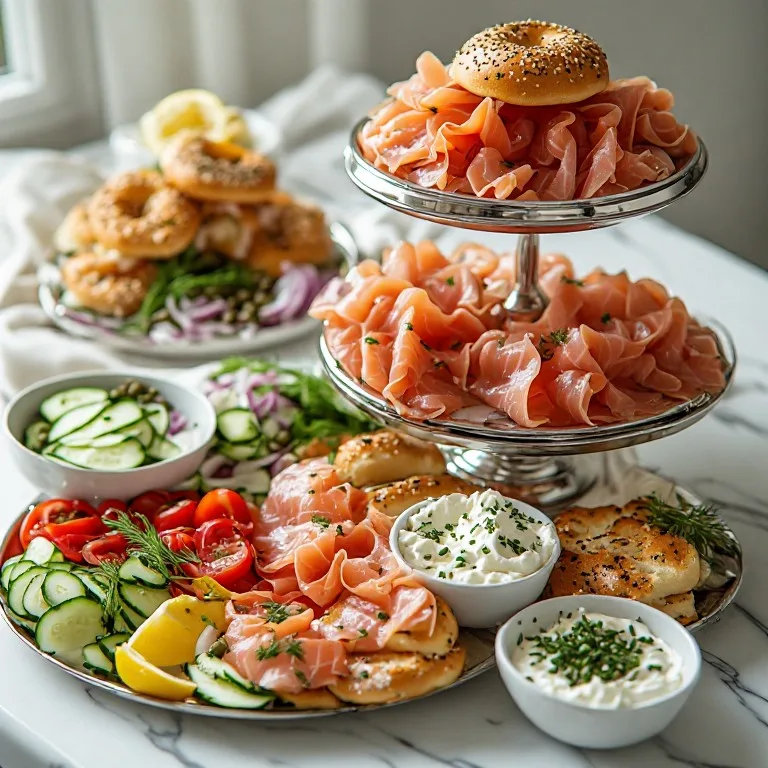
Sadelle’s Celebration Bagel Tower costs $125 in SoHo — a shared centerpiece built to feed a table of three to four, and one of the most photographed brunch orders in New York City. The chrome three-tier stand arrives with house-cured salmon, smoked Scottish salmon, sable, two cream cheese schmears, whitefish salad, and a full assortment of bagels and toppings. Add coffee, tax, and tip for a table and the brunch clears $200.
The at-home version covers the same four servings for under $40. The single technique that makes it worth doing: cure the salmon yourself.
Why the House-Cured Salmon Is the Whole Recipe
Sadelle’s is a Major Food Group restaurant — the same people behind Carbone. When they opened in SoHo in 2016, they set out to do to the Jewish appetizing store what Carbone had done to the mid-century Italian-American restaurant: take a New York tradition, apply fine-dining craft, and charge accordingly.
The centerpiece of the tower — the component that sets Sadelle’s apart from any deli counter — is the house-cured salmon. They cure it in-house using a gravlax method: fresh salmon, salt, sugar, and dill, weighted and refrigerated for 24 to 48 hours. No smoking, no special equipment. The technique is ancient (Scandinavian fishermen originally packed salmon with salt in the ground to cure it — the word “gravlax” comes from the Swedish for “grave salmon”) and produces a texture that no packaged product can replicate: silky, melting, deeply flavored, with a translucency that makes it look almost like sashimi.
Cold-smoked salmon from a vacuum pack is good. House-gravlax is different — a texture and freshness that reminds you why the New York appetizing tradition existed in the first place.
Cost Comparison: Sadelle’s vs. Home
| Sadelle’s | Homemade | |
|---|---|---|
| The tower (serves ~4) | $125 | ~$38 |
| Per serving | ~$31 | ~$9.50 |
| Savings | — | ~$87 per tower |
Both numbers are for the same shared spread that feeds about four. The fresh salmon fillet is the largest ingredient cost at home — about $18 to $22 per pound for wild salmon, though farmed Atlantic works for this cure. Everything else — cream cheese, dill, a cucumber, capers, red onion, bagels — is standard grocery territory. (Fill in sable and whitefish salad to match the restaurant’s full tower and the home cost rises to roughly $55, still less than half the restaurant price.)
The Three Things That Make This Work
1. Start the salmon 24 to 48 hours before you want to serve it
The gravlax cure is entirely passive once you’ve wrapped and weighted the salmon — you put it in the refrigerator and ignore it. The mistake most people make is starting it the morning of and trying to serve it at dinner after only 8 hours. At 8 hours, the cure has barely penetrated the flesh. At 24 hours, the salmon has taken on the cure throughout; at 36 hours, it is ideal; at 48 hours, it is slightly firmer and more pronounced. Start the day before.
2. Freeze before slicing — it makes thin slices achievable
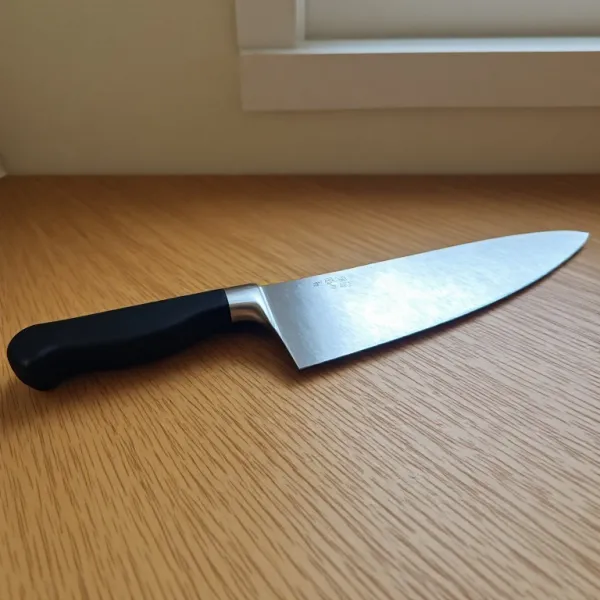
Gravlax and smoked salmon alike are much easier to slice thin when they’re very cold and firm. Twenty minutes in the freezer before you cut means the difference between slices that look like the restaurant and slices that are ragged and uneven. Use a long, thin knife and draw it in one smooth stroke rather than sawing.
3. Whip the cream cheese — do not just spread it cold from the block
Sadelle’s schmears are noticeably fluffy, not dense. Leaving block cream cheese at room temperature for 30 minutes and then beating it with a fork or mixer for 2 minutes changes the texture completely — it becomes lighter, more spreadable, and holds flavor additions (chives, lemon zest) more evenly. Cold-from-the-fridge cream cheese spread directly onto a bagel is edible; whipped room-temperature cream cheese tastes like what you get at a restaurant.
Building the Tower at Home
You do not need a chrome tiered stand, though they are inexpensive on Amazon and genuinely improve the presentation. A large wooden board achieves the same function — pile the salmon in the center in overlapping waves, flank it with the two schmear bowls, and arrange the vegetables, capers, and dill in clusters around the perimeter. The bagels should arrive warm in a basket, separate from the board, so they stay hot.
The most underrated component: the capers. At Sadelle’s, the capers are drained and patted dry so they don’t puddle brine onto everything around them. Take 30 seconds to do the same. The difference between wet capers and dry capers on a board is the difference between a neat presentation and a soggy one.
Sourcing Notes
Salmon: Any fresh, skin-on center-cut salmon fillet works. Wild king or sockeye salmon has more flavor; farmed Atlantic is fine and less expensive. The center cut matters — it has a more uniform thickness, which means the cure penetrates evenly. Avoid the tail portion, which is thin and cures too quickly.
Smoked sable (optional): Sable — smoked black cod — is one of the signature items on the Sadelle’s tower and harder to find than smoked salmon. It is rich, buttery, and intensely flavored; a small amount goes a long way. Look for it at Whole Foods (occasionally), specialty fish markets, or Russ & Daughters by mail order. If you cannot find it, the tower is excellent without it.
Bagels: The everything bagel is the one to use — the seed crust (sesame, poppy, onion, garlic, salt) provides texture and flavor contrast against the fatty salmon and cream cheese. Freshly baked bagels from a bakery that water-boils them (the New York method — boiled in malt-barley water before baking) have a chewier crust and a denser crumb than supermarket bagels. If you live somewhere without a good bagel bakery, any quality grocery bagel works; just toast it until the surface has some structure.
Tips and Variations
- Add a smoked sturgeon accent. Sadelle’s includes sturgeon on their premium towers — it is the richest, most intensely flavored smoked fish on the board, and a small amount transforms the experience. Smoked sturgeon is available from Acme Smoked Fish (widely distributed) and by mail from Russ & Daughters.
- Make the whitefish salad. See FAQ — it takes 5 minutes from a package of smoked whitefish and is the component most people overlook. It completes the board.
- Pickled red onion instead of raw. Combine 1 thinly sliced red onion with 1/4 cup white wine vinegar, 1 tablespoon sugar, 1 teaspoon salt, and enough water to cover. Let sit for at least 30 minutes. The quick-pickled onion is milder and prettier — the color turns a vivid pink — and it does not overwhelm the delicate salmon the way raw onion can.
- Everything bagel seasoning on the schmear. Press everything bagel seasoning onto the surface of the plain cream cheese bowl before serving — it adds crunch and mirrors the everything bagel seeds without requiring the full bagel.
- Scales for a party. The gravlax recipe scales linearly — 2 pounds of salmon, doubled salt-sugar mixture — and the assembly is just a larger board. For a brunch gathering of 8 to 10, a 2-pound cure plus two purchased packages of smoked salmon gives you enough variety and volume without requiring you to slice all morning.
See also: Carbone Spicy Rigatoni — another Major Food Group signature, decoded at home; Torrisi Tortellini in Pomodoro — Rich Torrisi’s egg-yolk-rich pasta, the bowl that made critics rethink tomato sauce; Locanda Verde Whipped Ricotta — Andrew Carmellini’s famous whipped ricotta with truffle honey, the other great NYC brunch dish worth recreating; Balthazar Brioche French Toast — the Keith McNally classic for a full SoHo brunch at home.