

Pin It

Sunday in Brooklyn Pancakes (The Malted, Oven-Finished Pancake with Hazelnut Maple Praline)

Sunday in Brooklyn Pancakes (The Malted, Oven-Finished Pancake with Hazelnut Maple Praline)
Jump to Recipe
Prep 20 min Cook 25 min Serves 3–4 large pancakes (serves 2–3)
Quick answer: Whisk together 1¼ cups all-purpose flour, ¼ cup sugar, 2 tablespoons malted milk powder, 1 tablespoon baking powder, 1 teaspoon baking soda, and 1 teaspoon kosher salt. In a separate bowl, whisk 1½ cups buttermilk, 2 large eggs, and 3 tablespoons melted unsalted butter. Combine wet into dry and stir with a spatula until just incorporated — the batter should be lumpy; do not smooth it out. Preheat your oven to 375°F. Heat an oven-safe skillet (cast iron or heavy nonstick) over medium heat. Add ½ tablespoon neutral oil and ½ tablespoon butter. When the butter foams and clears, ladle in enough batter to nearly fill the pan. Cook until the edges look set and bubbles break across the entire surface, about 3 to 4 minutes. Transfer the pan directly to the oven for 5 minutes — this is the defining step that gives these pancakes their uniform, custard-like interior. Remove, flip onto a plate. For the hazelnut maple praline: toast ¾ cup hazelnuts, then blend with ⅓ cup maple syrup and a pinch of salt until smooth. To finish, cook 2 tablespoons butter in a small pan over medium heat until it turns golden brown and smells nutty, about 4 minutes. Drizzle the brown butter and hazelnut maple praline over each pancake.

Shop the tools

Gear matched to this recipe. These are Amazon affiliate links — we may earn a small commission if you buy, at no extra cost to you.

As an Amazon Associate, Copycat Spices earns from qualifying purchases. Product images are generic illustrations, not the exact item listed.

Sunday in Brooklyn Pancakes (The Malted, Oven-Finished Pancake with Hazelnut Maple Praline)

Make Sunday in Brooklyn's legendary Williamsburg brunch pancakes at home: malted milk powder in the batter, the cast-iron oven-finish technique for an impossibly fluffy interior, brown butter on top, and hazelnut maple praline syrup from scratch.

Intermediate Prep: 20 min Cook: 25 min Total: 45 min3–4 large pancakes (serves 2–3) servings ~$4.50/serving
Prep20 min
Cook25 min
Total45 min
Servings
3
At home~$4.50/serving
vs
Restaurant~$20.25/serving
You save ~78%

The Story Behind the Recipe

Make Sunday in Brooklyn's legendary Williamsburg brunch pancakes at home: malted milk powder in the batter, the cast-iron oven-finish technique for an impossibly fluffy interior, brown butter on top, and hazelnut maple praline syrup from scratch.

Nutrition Facts

Per serving (3–4 large pancakes (serves 2–3) servings)
Calories540
Total Fat24g
Total Carbs67g
Dietary Fiber2g
Sugars28g
Protein13g
Sodium680mg

* Estimated values based on standard recipe preparation. Actual values may vary.

Ingredients

  • Malted pancake batter (makes 3 large or 6 medium pancakes)
  • Hazelnut maple praline (makes about ¾ cup — enough for 4 to 6 servings)
  • Brown butter finish (per batch)

Instructions

💡
Pro tip: This recipe tastes even better the next day. The flavors need time to meld together in the fridge.
❄️
Storage: Keeps in an airtight container in the fridge for up to 2 weeks. Freezer-friendly for up to 3 months.
🎃 Free Halloween cookbook — download now The Copycat Halloween Cookbook A ready-made, photo-illustrated PDF of our best halloween copycat recipes — free to download, no building required. Pay what you want to support if you love it.

Free PDF — instant download. We'll also send new seasonal copycat recipes now and then; unsubscribe anytime. Or just download it →

There is a brunch spot in Williamsburg that people fly into New York specifically to eat at. Not for the setting — it is a casual room on Wythe Avenue — and not for the price. For a pancake.

Sunday in Brooklyn’s malted pancake has been one of the city’s most written-about brunch dishes since the restaurant opened in 2016. The Michelin Guide has recognized the restaurant. Timeout, PureWow, and every food-obsessed New York blog has dissected it. Weekend reservations vanish on Resy within hours of release, and walk-in waits routinely hit 90 minutes on Saturday mornings.

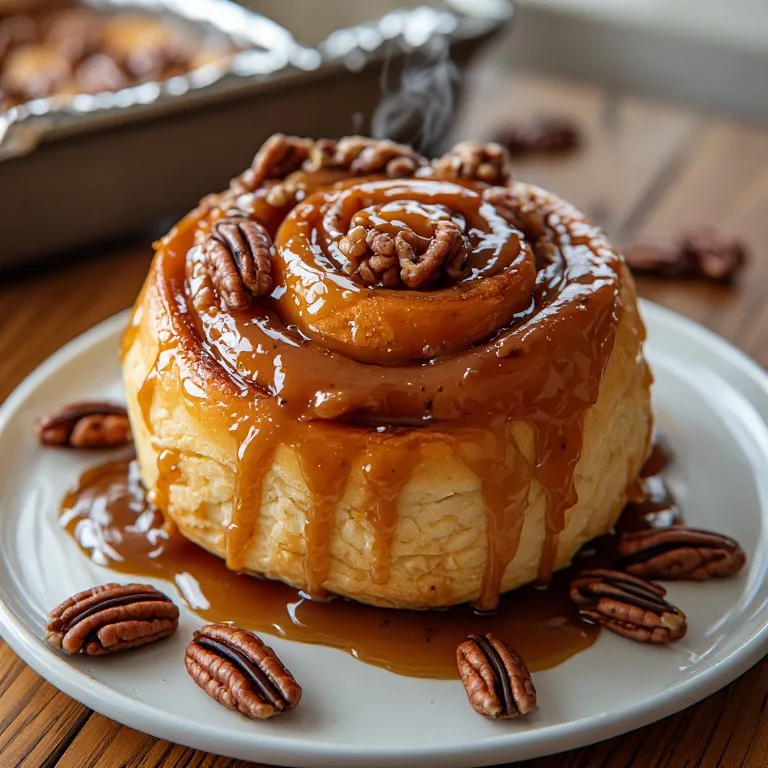
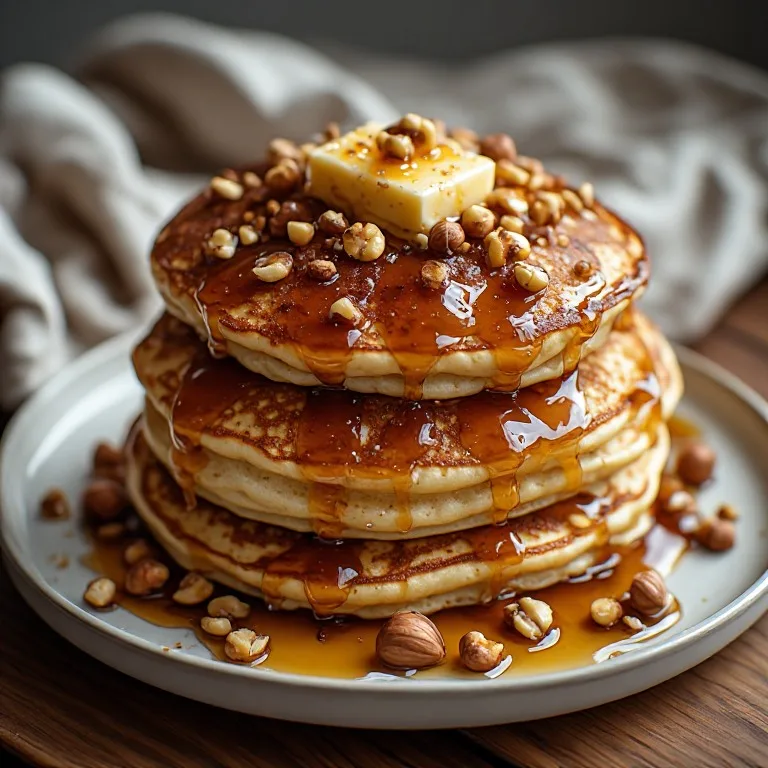
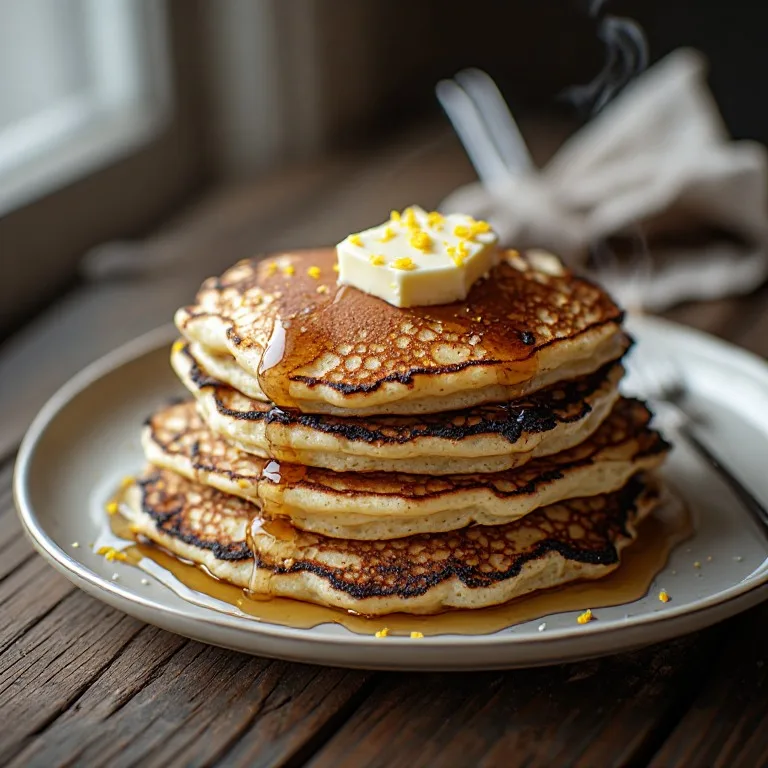
The pancake itself is the size of a dinner plate, golden-brown with a mottled surface, and sliced open reveals an interior that is closer to a set custard than a conventional flapjack. It comes draped in hazelnut maple praline and brown butter.

Two techniques make it what it is: malted milk powder in the batter, and finishing the pancake in the oven instead of flipping it on the stovetop. Together they produce something no griddle-only method can match.

What Makes It Different

Most pancakes cook entirely on a flat surface. You heat one side, flip, heat the other. The interior cooks by conduction from two directions, and large pancakes almost always have a raw, gummy center by the time the outside is browned enough to flip.

Sunday in Brooklyn uses a cast-iron skillet, stovetop heat to set the bottom and edges, and then the oven to finish. The result is a pancake where the heat reaches the interior evenly from all sides — the bottom continues to sear against the cast iron, while the top and sides are surrounded by 375°F convection air. The pancake puffs. It sets uniformly. The interior is custardy and soft without being raw.

The malted milk powder adds two things: a fast, even Maillard browning from the sugars the malt enzymes liberate from starch, and a subtly nutty, sweet background flavor that makes the pancake taste richer without any additional sugar.

The hazelnut maple praline is not garnish. It is a fundamental component — thick, pourable, and toasty in a way that ordinary maple syrup cannot match. Make it. It keeps for two weeks in the refrigerator.

The Batter Rules

Two rules matter more than any specific measurement:

Do not overmix. Stir until no dry flour streaks remain, then stop. The batter should be visibly lumpy. Overmixing develops gluten, which makes pancakes dense and chewy instead of light.

Do not rush the pan signals. The pancake tells you when it is ready for the oven: edges go matte and set, bubbles break across the entire top surface and stay open. If you move the pan too early, the batter is not stable enough to hold its structure in the oven and the pancake collapses.

Comparing Other Pancake Recipes
Sunday in BrooklynIHOP ButtermilkCracker Barrel
Secret ingredientMalted milk powderExtra baking powderBrown sugar
Cooking methodSkillet + oven finishFlat griddle, flip onlyFlat griddle, flip only
Interior textureCustardy, soufflé-likeFluffy, conventionalDense, biscuit-adjacent
SyrupHazelnut maple pralineStandard mapleStandard maple
Restaurant wait60–90 min weekendNone20–30 min

If you want to explore the stovetop-only fluffy pancake style, the Japanese soufflé pancakes achieve a similar custard-like interior through a different method — beaten egg whites — that requires a ring mold and a lid. The Sunday in Brooklyn method is more forgiving and produces a more substantial result. For classic American buttermilk pancakes, IHOP’s buttermilk pancake recipe is the benchmark for the griddle method.

Make the Praline in Advance

The hazelnut maple praline is the one component that genuinely benefits from being made ahead. Freshly made praline is warm and loose and pours easily; refrigerated overnight it thickens slightly but loosens again when spooned over a hot pancake. Make a batch on Friday and you have both weekend brunches covered. The praline also works on waffles — the Waffle House pecan waffle gets a meaningful upgrade from this syrup in place of standard maple.

The Brown Butter

Do not skip the brown butter. It takes five minutes and a single small pan, and it changes the pancake. Plain melted butter is fat and little else; brown butter has nutty, toasty compounds from the Maillard browning of the milk solids that carry flavor in a way no other fat does. The brown butter and the hazelnut praline are separately subtle — together they create the layered, complex sweetness that makes the Sunday in Brooklyn version taste like more than the sum of its parts.

Watch it closely: the butter will foam, the foam will recede, and you will see small golden flecks appear in the bottom of the pan. That is the moment. Pour it off the heat immediately — it goes from golden to burned in under a minute once those solids start browning.

Scaling Notes

The recipe as written makes three large restaurant-style pancakes. For two people who are genuinely hungry, that is enough. For a table of four, double the batter (and the praline if yours is already used up). The batter can sit up to 30 minutes before cooking without losing lift; refrigerating overnight causes it to deflate and is not recommended.

If you want smaller, more manageable pancakes rather than the dinner-plate versions, use a ½-cup ladle per pancake and adjust the oven time down to 3 to 4 minutes rather than 5. Smaller pancakes do not need the oven finish as desperately — a careful stovetop flip on a lower heat achieves a similar result — but the oven method still produces a better interior texture at any size.
🥗

Make It Healthier

Love Sunday in Brooklyn Pancakes (The Malted, Oven-Finished Pancake with Hazelnut Maple Praline) but want a lighter version? Try these simple swaps:

  • ✓The hazelnut maple praline is the highest-calorie component per tablespoon. Use one tablespoon instead of two to three, and rely on more of the brown butter — which has a more concentrated flavor per calorie — to finish the pancake.
  • ✓Swap 2 tablespoons of the all-purpose flour for whole wheat flour for a slight fiber uptick without changing the flavor. More than that and the pancake gets noticeably denser.

Frequently Asked Questions

What does malted milk powder do in pancakes?

Malted milk powder (the Carnation or King Arthur variety, not the Ovaltine chocolate-malt type) contributes on two fronts. First, diastatic enzymes in the malt break down some of the starch in the batter into simpler sugars, which accelerates the Maillard browning reaction — that is why the exterior of a malted pancake turns a deeper, richer golden-brown faster and more evenly than a plain batter would. Second, the malted barley adds a lightly sweet, slightly nutty flavor that reinforces the batter without tasting distinctly 'malt-y' in a milkshake sense. Two tablespoons per 1¼ cups of flour is enough to notice both effects without making the pancake taste like a diner malted. King Arthur Flour sells an unhopped malt powder that is excellent for baking; Carnation malted milk powder, sold near the cocoa section, also works.

Why finish pancakes in the oven instead of just flipping them?

The oven-finish is the single technique that separates Sunday in Brooklyn's pancakes from every standard short-order version. When you cook a large pancake entirely on the stovetop and flip it, you have two sources of direct heat (the pan surface before and after the flip) but nothing heating the interior gently from all sides. Large, thick pancakes cooked this way are often unevenly done — gummy in the center, overbrowned on the exterior. Moving the pan to a 375°F oven after the top surface has set means the pancake finishes cooking by convection heat from all directions. The interior reaches temperature slowly and evenly, producing a custardy, soufflé-like texture that holds even as the pancake cools slightly. The exterior stays golden rather than darkening further. You still flip at the end — just onto the plate, not back into the pan — which is why the oven-finished side (the top) is the prettier, more evenly browned face.

What is hazelnut maple praline and how is it different from regular maple syrup?

Sunday in Brooklyn serves their pancakes with a house-made hazelnut maple praline — not a drizzle of plain maple syrup. The difference is pronounced. Regular maple syrup is thin and runs quickly off a pancake. The hazelnut version is thicker, with a toasty, nutty depth from the hazelnuts and a slightly grainy texture that clings to the surface of the pancake rather than pooling on the plate. At the restaurant, the praline is rich enough that a small amount goes a long way. To make it at home: toast raw hazelnuts in a dry skillet or 350°F oven for 8 to 10 minutes until fragrant and the skins begin to crack. Wrap in a kitchen towel and rub vigorously to remove most of the papery skins (it is fine if some remain). Let cool. Blend the toasted hazelnuts with maple syrup and a pinch of salt in a high-speed blender for 2 to 3 minutes until very smooth. It will keep refrigerated for two weeks.

How do you get the pancakes that fluffy without using baking powder alone?

Three things work together. First, both baking powder and baking soda are used — baking soda reacts immediately with the buttermilk's acidity to produce lift from the moment the batter hits the hot pan, while baking powder (which is double-acting) produces a second lift when heated in the oven. Second, the buttermilk itself adds body and tang while keeping the gluten relaxed — buttermilk pancakes are noticeably more tender than those made with regular milk. Third, and critically, the batter must not be overmixed. Stir only until no dry streaks of flour remain; a lumpy batter is correct. Overmixed batter develops gluten strands that make pancakes dense and rubbery. The oven finish then allows the steam inside the set batter to expand fully without the constraint of direct pan heat on both sides simultaneously.

Can I use a regular nonstick pan instead of cast iron?

Yes, but cast iron is strongly preferred for one specific reason: it holds enough thermal mass to survive the trip to the oven without losing heat rapidly. A standard nonstick pan with a thin aluminum base will cool off quickly in the oven, and the bottom of the pancake will stop browning as aggressively. Cast iron stays hot, continues to sear the bottom gently through the oven phase, and produces the mottled golden-brown bottom that the restaurant version has. If you only have a nonstick pan, preheat the oven to 400°F instead of 375°F to compensate slightly. One hard constraint: make sure your pan is oven-safe to at least 375°F. Many nonstick pans have plastic handles that cannot go in the oven at all; wrap those handles in foil or use a separate oven-safe dish.

How do you make brown butter?

Brown butter (beurre noisette) is butter cooked past melting until the milk solids in the butter turn golden brown and develop a nutty, caramel-like aroma. The step that matters: use a light-colored or stainless pan so you can see the color of the solids clearly. Melt 2 tablespoons of unsalted butter over medium heat. As it melts, it will foam. Swirl the pan occasionally. After 3 to 5 minutes the foam will subside, and small brown specks will appear on the bottom of the pan — these are the milk solids browning. The color goes from yellow to gold to amber. When the solids are golden brown and the butter smells like toasted hazelnuts or toffee, immediately pour it off the heat into a bowl (the hot pan will keep cooking it otherwise). A pinch of salt in the brown butter is traditional and amplifies the flavor. Drizzle it over the pancakes right before serving — it hardens as it cools.

What does Sunday in Brooklyn cost and how hard is it to get a table?

Sunday in Brooklyn is at 348 Wythe Avenue in Williamsburg, Brooklyn. Weekend brunch reservations are notoriously difficult — the restaurant typically books out weeks in advance on Resy, and walk-in waits on weekend mornings regularly run 60 to 90 minutes. Weekday brunch is considerably easier. The malted pancakes are on the brunch menu and are the restaurant's signature dish; they cost around $16 to $22 depending on the current menu. The restaurant is Michelin Guide recognized, and the pancakes specifically have been featured in Timeout, PureWow, and numerous food-media features as one of the definitive brunches in Brooklyn.

Love this recipe? Share it!

Free PDF: our 12 most-wanted copycat recipes — instant download.

Made it? Buy us a coffee

Every recipe here is free, with no paywalls. If this one was a hit at your table, a small tip keeps new copycats coming.

$

Sunday in Brooklyn is a trademark of its owner, used here only to describe the dish this recipe recreates. This is an independent copycat written in our own words — Copycat Spices is not affiliated with, endorsed by or sponsored by Sunday in Brooklyn.

Ratings & Reviews

—
No ratings yet

Rate this recipe

Click a star to rate

Leave a Review

0/500

CS

Copycat Spices Editorial

Researched + fact-checked. Every recipe on Copycat Spices is built from published sources — official ingredient lists, brand-published recipes, interviews and food-science references — and fact-checked before it goes live, then written as clear, step-by-step instructions for home cooks of all skill levels.

Learn more about our mission →