


Pin It

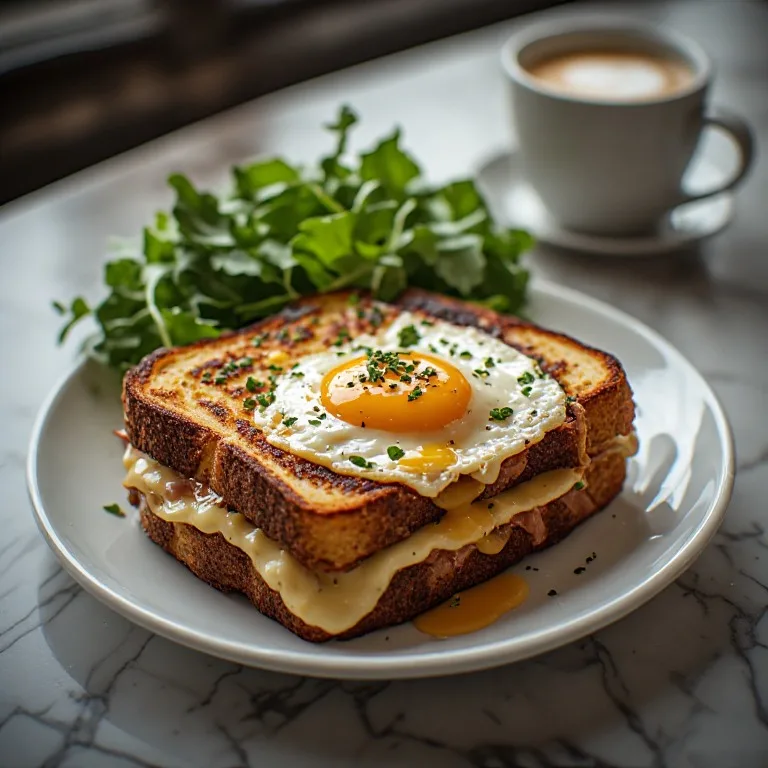
Buvette Croque Madame (New York's Most Iconic Bistro Sandwich, Made at Home)

Buvette Croque Madame (New York's Most Iconic Bistro Sandwich, Made at Home)
Jump to Recipe
Prep 15 min Cook 20 min Serves 2
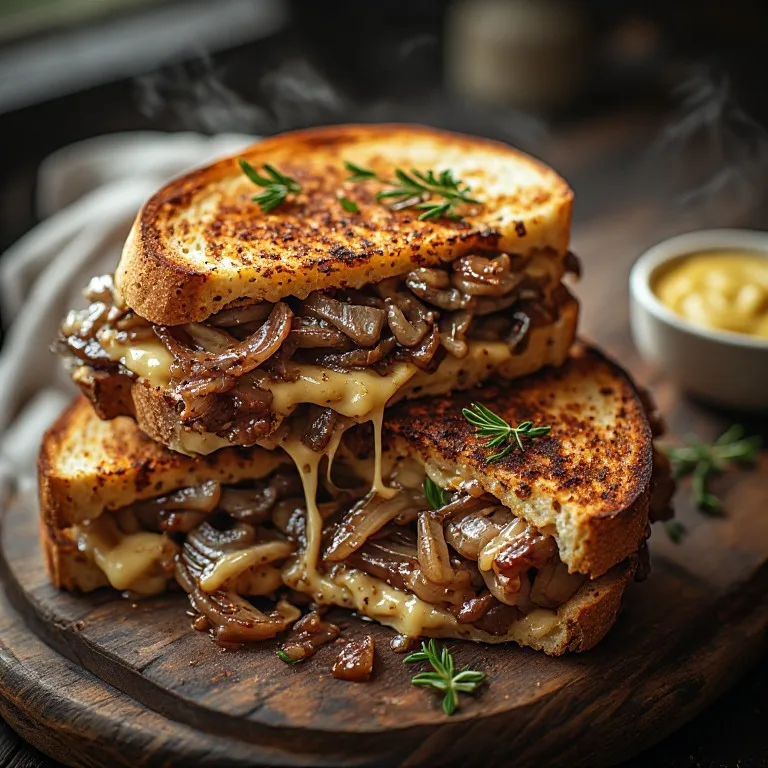
Quick answer: Make the béchamel first: melt 1.5 tablespoons of unsalted butter in a small saucepan over medium heat, whisk in 2 tablespoons of all-purpose flour and a pinch of nutmeg, and cook stirring for 3 to 4 minutes until the roux smells faintly nutty. Gradually whisk in 3/4 cup of whole milk, then stir constantly over medium heat for 3 to 4 more minutes until the sauce is thick — pudding consistency, pulling away from the pan edges. Remove from heat and stir in 1 teaspoon of Dijon mustard and 1 teaspoon of whole-grain mustard. Season with salt and white pepper. Heat the oven to 400°F. Lightly toast 4 slices of pain de mie (Pullman) bread, then spread a thin smear of Dijon on one side of each slice. On 2 of the slices, lay 2 thin slices of prosciutto and a generous covering of hand-grated Gruyère. Press the top slices on, Dijon-side down. Place the sandwiches on a sheet pan. Spoon the béchamel thickly over the top of each sandwich — about 3 tablespoons, covering the whole surface. Top the béchamel with a mix of grated Gruyère and finely grated Parmesan, then a small pinch of herbes de Provence on each. Bake for 10 minutes, then broil on high for 2 to 3 minutes until deeply golden and bubbling. While the sandwiches are under the broiler, cook 2 over-easy eggs in butter — whites fully set, yolk still liquid, flipped once briefly. Slide one egg onto each finished sandwich and serve immediately with a sharp-dressed green salad alongside.

Buvette Croque Madame (New York's Most Iconic Bistro Sandwich, Made at Home)

Buvette in the West Village serves one of New York's most beloved croque madames: thick-cut pain de mie, prosciutto, a Gruyère béchamel spiked with both Dijon and whole-grain mustard, Parmesan broiled golden on top, and an over-easy egg. This is the full recipe from Jody Williams' cookbook, including the double-mustard béchamel and herbes de Provence details that most copies miss.

Medium Prep: 15 min Cook: 20 min Total: 35 min2 servings ~$4.50/serving
Prep15 min
Cook20 min
Total35 min
Servings
2
At home~$4.50/serving
vs
Restaurant~$20.25/serving
You save ~78%

The Story Behind the Recipe

Buvette in the West Village serves one of New York's most beloved croque madames: thick-cut pain de mie, prosciutto, a Gruyère béchamel spiked with both Dijon and whole-grain mustard, Parmesan broiled golden on top, and an over-easy egg. This is the full recipe from Jody Williams' cookbook, including the double-mustard béchamel and herbes de Provence details that most copies miss.

Nutrition Facts

Per serving (2 servings)
Calories610
Total Fat36g
Total Carbs36g
Dietary Fiber2g
Sugars5g
Protein36g
Sodium1050mg

* Estimated values based on standard recipe preparation. Actual values may vary.

Ingredients

  • For the béchamel

Instructions

💡
Pro tip: This recipe tastes even better the next day. The flavors need time to meld together in the fridge.
❄️
Storage: Keeps in an airtight container in the fridge for up to 2 weeks. Freezer-friendly for up to 3 months.
🎃 Free Halloween cookbook — download now The Copycat Halloween Cookbook A ready-made, photo-illustrated PDF of our best halloween copycat recipes — free to download, no building required. Pay what you want to support if you love it.

Free PDF — instant download. We'll also send new seasonal copycat recipes now and then; unsubscribe anytime. Or just download it →

Copycat Buvette Croque Madame (New York’s Most Iconic Bistro Sandwich, Made at Home)

Prep time: 15 min Cook time: 20 min Servings: 2

Buvette is a gastrotheque — Jody Williams’ word for her West Village restaurant — at 42 Grove Street in Manhattan. It opened around 2011 and became one of New York’s most beloved neighborhood spots immediately: a small, warm room that feels like a Parisian bistro that’s been there for decades, serving food from early morning through late at night. Williams published a cookbook, Buvette: The Pleasure of Good Food, in 2014; a Paris location followed in the 9th arrondissement, then Tokyo.

The croque madame has been on the menu since day one and is regularly cited as the best in New York. TripAdvisor, The Infatuation, and Yelp reviewers reference it specifically by name when describing why they go. It’s a classic French brasserie sandwich — not a Buvette invention — but Williams makes it with the same care she brings to everything on the menu: prosciutto sliced in-house, a béchamel spiked with both Dijon and whole-grain mustard, Gruyère and Parmesan broiled into a golden crust, and an over-easy egg. The recipe is in the cookbook.

This is that recipe, including the double-mustard béchamel and the herbes de Provence detail that most copies miss.

The Béchamel Is What Makes This a Croque

A croque without béchamel is just a toasted ham-and-cheese sandwich. The sauce — spooned thickly over the top before broiling — is what makes it a croque, and Buvette’s version is specifically different from a standard bistro béchamel in two ways.

First: both Dijon and whole-grain mustard are whisked into the finished sauce, not just spread on the bread inside. This distributes the mustard flavor throughout the entire topping layer, not only at the interior contact point. The béchamel tastes like something — sharp, slightly pungent, specifically French — rather than just rich and creamy. Second: the roux is cooked for 3 to 4 minutes before the milk goes in, which is longer than most béchamel recipes call for. That extra cook time eliminates the raw-flour taste that makes standard béchamel taste flat or pasty.

The thickness matters too. Jody Williams’ ratio — 1.5 tablespoons of butter, 2 tablespoons of flour, only 3/4 cup of milk — produces a sauce thick enough to sit on the bread while it bakes instead of running down the sides. The target is pudding consistency: the sauce should pull away from the pan edges when it’s ready and hold its shape when spooned. If it’s thin, keep stirring over medium heat until it thickens.

The Prosciutto Detail

Most croque madame recipes call for jambon de Paris — mild French cooked ham — and that is the classic. Buvette uses prosciutto. This is a meaningful difference: prosciutto is fattier, saltier, and more complex than boiled ham. Its fat renders slightly under the heat of the oven, seasoning the inside of the sandwich from the inside. The salt level is higher, which the sweetness of the béchamel balances against. Its dry-cured texture holds up better against the mustard and bread than watery cooked ham.

Two thin slices per sandwich is right. More than that and the inside becomes assertively salty; less and the prosciutto gets lost. If you want to stay with jambon de Paris or a high-quality mild cooked ham, the sandwich is still good — the flavor is milder and more neutral, which is a valid choice if you want the béchamel to lead. Avoid smoked ham (too much competition with the mustard) and honey ham (too sweet against Gruyère).

The Top Is a Three-Layer Crust

Buvette finishes the top of each sandwich with Gruyère mixed with finely grated Parmesan, then a small pinch of herbes de Provence before it goes in the oven. These are small details, but they matter.

The Parmesan adds a nutty, crystalline quality that Gruyère alone doesn’t have — when it caramelizes under the broiler, it forms a slightly crispier, more deeply flavored crust than straight Gruyère. The herbes de Provence (thyme, rosemary, oregano, savory) is the detail most home copies miss. The quantity is tiny — a pinch per sandwich — but it’s what makes the finished crust taste like something you’d get in a French bistro rather than just melted cheese. McCormick sells it at most grocery stores.

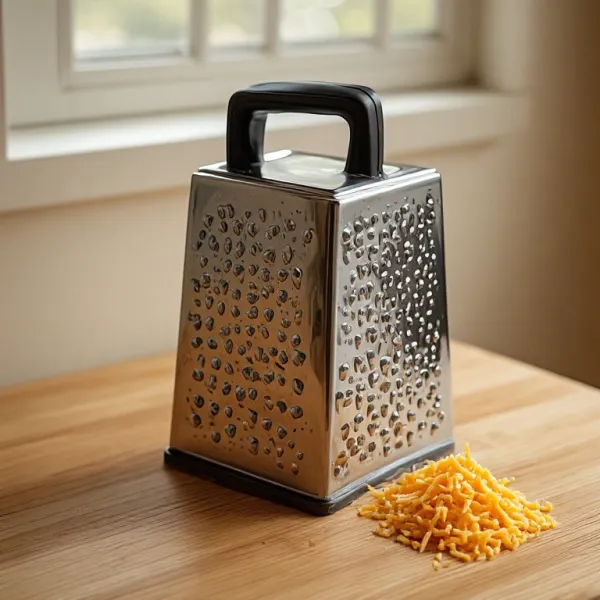
Grate the cheeses yourself. Pre-shredded Gruyère has anti-caking agents that prevent proper melting; the crust stays grainy. A box grater for the bulk of the Gruyère, and a fine Microplane for the Parmesan so it distributes evenly and melts into the Gruyère layer during broiling.

The Broiler Is What Finishes It

You cannot replicate the top of a Buvette croque madame in a pan or at standard oven temperature. The broiler is what blisters the béchamel and cheese into a deeply golden, caramelized crust — spotted dark brown in places, still slightly soft and yielding in others. That combination of textures is the whole point of the top layer.

Rack in the upper third, broil on high, and watch it the whole time. The difference between perfectly blistered and burnt is under a minute at full broiler temperature. The signal to pull: real spots of dark brown on the Parmesan, the Gruyère bubbling and caramelized at the edges, the bread crisping visibly around the perimeter. The béchamel under the crust should still be soft and yielding — not dried out.

The Egg Is Over-Easy, Not Sunny Side Up

Jody Williams describes the egg as resting “like a good hat, leaning just so.” It’s over-easy — flipped once, briefly, so the very top of the white is set while the yolk stays liquid. The distinction from sunny side up: the top surface of the white is cooked through instead of translucent and slightly gelatinous, which gives the egg more structural stability on top of the hot sandwich. The yolk is still fully liquid either way; that’s the point.

Cook it in butter over medium-low heat. The moment the white is fully set underneath, flip once and cook for exactly 10 seconds — enough for the top of the white, not enough to start cooking the yolk. Slide onto a plate to rest while the sandwiches come out from the broiler. Place it on the sandwich immediately before serving; the egg and the béchamel should be at the same temperature when you eat.

Why the Salad Matters

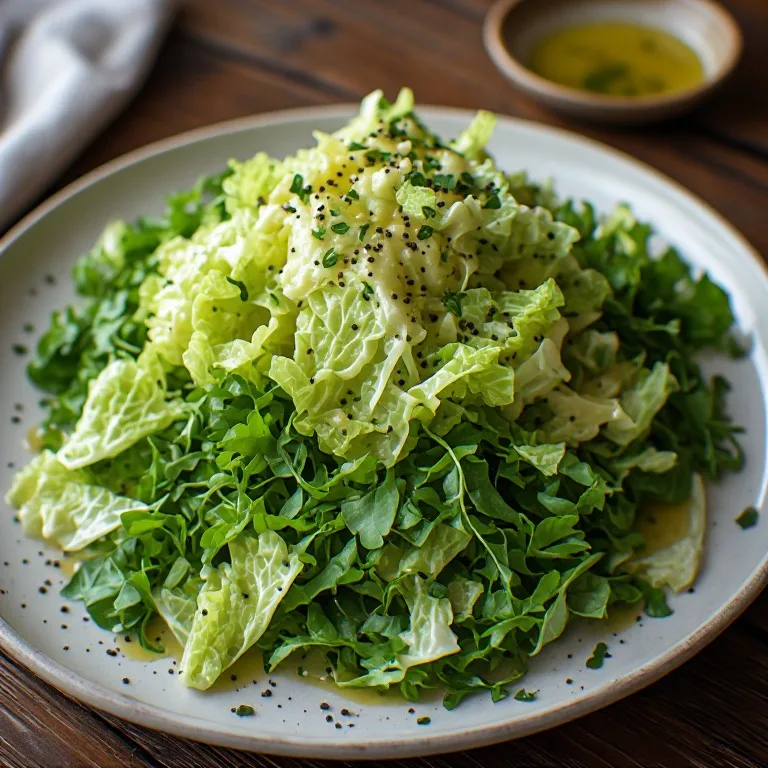
At Buvette, the croque madame comes with dressed greens — frisée or mâche in a sharp vinaigrette — and the salad is not decorative. The bitterness of frisée and the acid of the vinaigrette cut through the fat of the béchamel and egg yolk, cleaning the palate between bites and making the second half of the sandwich taste as good as the first.

A simple Dijon vinaigrette takes two minutes: 1 tablespoon Dijon, 1 tablespoon lemon juice or white wine vinegar, 3 tablespoons olive oil, a pinch of salt, whisked together. The insalata verde served a few blocks away at Via Carota — Jody Williams’ other West Village restaurant — is the model here: cold, crisp greens in a sharp, mustard-forward dressing, nothing more. If you’d rather skip the salad, cornichons on the side serve the same purpose — the brine and crunch are a natural foil for the richness.

Scaling and Making Ahead

The béchamel keeps for 3 days in the refrigerator, covered with plastic pressed directly on the surface to prevent a skin. Reheat over low heat with a splash of milk, stirring, before using. The sandwiches themselves should be assembled and broiled fresh — bread that sits assembled softens. With the béchamel pre-made, the active work is 15 minutes from start to plate: toast, build, broil, fry, serve.

To make croque monsieur instead of madame: follow the recipe exactly and stop before the egg step. Everything else — the béchamel, the prosciutto, the Parmesan-Gruyère crust, the herbes de Provence — is identical. The monsieur is lighter and faster; the madame is the Buvette dish.
🥗

Make It Healthier

Love Buvette Croque Madame (New York's Most Iconic Bistro Sandwich, Made at Home) but want a lighter version? Try these simple swaps:

  • ✓Use 1 tablespoon each of butter and flour to 1/2 cup milk for a lighter béchamel — you lose some thickness but the mustard flavor and cheese still carry the topping, saving about 60 calories per sandwich.
  • ✓Use one egg shared between both sandwiches by slicing the over-easy egg in half and placing a half on each — the yolk richness still comes through and you cut the cholesterol load significantly.
  • ✓Skip the Parmesan on top and double the herbes de Provence pinch — the herb note stays prominent and you lose about 30 calories without noticing any absence in the flavor.

Frequently Asked Questions

What is Buvette and why is their croque madame famous?

Buvette is a gastrotheque — Jody Williams' word for it — at 42 Grove Street in the West Village, Manhattan. It opened around 2011 and quickly became one of New York's most beloved all-day restaurants: tiny, warm, perpetually packed for brunch, with a menu of French and Italian small plates served from early morning into the night. Jody Williams spent years cooking in Italy before opening Buvette, and the sensibility of the restaurant reflects that — very good ingredients, precise technique, no showiness. The croque madame has been on the menu since the beginning. TripAdvisor and The Infatuation regularly cite it as the best croque madame in New York City. Williams published a cookbook, 'Buvette: The Pleasure of Good Food,' in 2014 (Grand Central Life & Style), and the croque recipe is in it — with the double-mustard béchamel that makes the restaurant's version taste different from standard versions. Buvette has since expanded to Paris (9th arrondissement) and Tokyo.

Why does Buvette use prosciutto instead of regular ham?

Prosciutto is fattier, saltier, and more complex than cooked deli ham, and it behaves differently inside a croque madame. Jambon de Paris (French boiled ham) is the bistro classic, but Buvette uses prosciutto sliced in-house — its fat content seasons the inside of the sandwich as the heat renders it, the salt level plays against the sweetness of the béchamel, and its silkier texture holds up better against the mustard and bread than watery deli ham. If you want to stay classic, jambon de Paris or a high-quality mild cooked ham works; the flavor will be milder but still correct. Avoid honey ham (too sweet), Black Forest (too smoky — fights the mustard), or thick-cut deli ham (wrong texture).

What makes Buvette's béchamel different from a standard one?

Two things. First, Jody Williams adds both Dijon mustard and whole-grain mustard to the finished sauce — not just spread on the bread inside, but actually whisked into the béchamel itself. This builds the mustard flavor into the sauce throughout the topping rather than only where the bread meets the ham. Second, the roux is cooked for 3 to 4 minutes before the milk is added — longer than most béchamel recipes call for — which develops a faintly nutty depth and fully eliminates any raw-flour taste. The sauce is also kept thick: 1.5 tablespoons of butter and 2 tablespoons of flour to only 3/4 cup of milk, so it reaches pudding consistency and stays on top of the sandwich while baking rather than running off the sides.

What is the difference between a croque monsieur and a croque madame?

A croque monsieur is a hot French ham-and-cheese sandwich — pain de mie bread, ham, Gruyère, béchamel, broiled until the top bubbles and browns. A croque madame is the exact same sandwich with a fried egg placed on top. The name is a gentle joke: the egg on top resembles a hat, and 'madame' implies the hat-wearing figure of a woman. In practice, the egg changes the dish considerably — the yolk runs into the béchamel and bread when you cut in, adding another layer of richness and making the whole thing more like a composed brunch plate than a sandwich. Jody Williams describes the egg as resting 'like a good hat, leaning just so.' At Buvette, the madame is the standard version.

How do you keep the béchamel from being lumpy or tasting like flour?

Two steps prevent both problems. First, cook the roux — the butter, flour, and nutmeg mixture — for a full 3 to 4 minutes over medium heat, stirring constantly, before adding any milk. This is longer than most recipes call for, but it's what cooks out the raw-flour flavor and develops the nutty base of the sauce. Second, add the milk in a thin, steady stream while whisking constantly, or in small increments whisked smooth before adding more. Once all the milk is in, stir continuously over medium heat for another 3 to 4 minutes until thick. The target is pudding consistency — the sauce should pull away from the pan edges and hold its shape when spooned. Stir in the mustards off the heat at the end to preserve their sharpness.

Can you make the béchamel ahead of time?

Yes — it keeps in the refrigerator for up to 3 days, with a piece of plastic wrap pressed directly on the surface to prevent a skin forming. Reheat over low heat, stirring, with a splash of milk if it's become too thick; it should spoon slowly off a spatula. Pre-made béchamel is what makes this sandwich realistic for a weekday or weekend brunch: make the sauce the night before, build and broil in 15 minutes the next day. The sandwiches themselves should always be assembled and broiled fresh — bread softens if it sits assembled with the béchamel on it.

What bread should I use if I can't find pain de mie?

Pain de mie (Pullman bread) is the right choice: fine-grained, dense, and square. Its tight crumb absorbs the béchamel without collapsing, and it toasts to a firm edge while staying slightly soft in the center. If you can't find it: a thick-cut brioche loaf (not individual rolls) is an excellent substitute, slightly richer. Avoid soft American sandwich bread (too airy — soaks and collapses under the sauce), sourdough (the tang fights the mustard and the crust interferes), and ciabatta (holes let the béchamel fall through). Cut the bread yourself at 3/4 inch if you have an unsliced loaf; pre-sliced bread is usually too thin.

Why over-easy instead of sunny side up?

Jody Williams specifically uses over-easy — flipped briefly so the very top of the white sets while the yolk stays completely runny. The difference from sunny side up is that the top surface of the white is cooked through instead of translucent, which gives the egg more structural stability when it sits on top of the hot sandwich. The yolk is still fully liquid either way — that's the whole point. Cook it in butter over medium-low heat, flip once for about 10 seconds, and slide it onto the broiled sandwich immediately.

What should I serve alongside a croque madame?

At Buvette, the croque madame comes with dressed greens — frisée or mâche in a sharp vinaigrette. The bitterness and acidity cut the richness of the béchamel and egg yolk and make the second half of the sandwich taste as good as the first. A simple Dijon vinaigrette (1 tablespoon Dijon, 1 tablespoon lemon juice, 3 tablespoons olive oil, salt and pepper, whisked together) takes two minutes. Cornichons on the side serve the same purpose if you'd rather not do the salad — the brine and pickle crunch are a natural foil for the fat-heavy sandwich. A café au lait or a small glass of Chablis are the Buvette drinks alongside it.

What is herbes de Provence and can I leave it out?

Herbes de Provence is a dried herb blend from the Provence region of France, typically containing thyme, rosemary, oregano, savory, and sometimes lavender. Buvette sprinkles a small pinch over the Gruyère-and-Parmesan topping before baking. The quantity is small enough that it reads as a background note rather than a dominant flavor — it's the detail that makes the topping taste unmistakably French rather than just like melted cheese. You can leave it out and the sandwich is still very good; you'll just lose that faintly aromatic, herbed quality on the crust. McCormick and most grocery stores carry herbes de Provence; it keeps for a year in a sealed jar.

Love this recipe? Share it!

Free PDF: our 12 most-wanted copycat recipes — instant download.

Made it? Buy us a coffee

Every recipe here is free, with no paywalls. If this one was a hit at your table, a small tip keeps new copycats coming.

$

Buvette is a trademark of its owner, used here only to describe the dish this recipe recreates. This is an independent copycat written in our own words — Copycat Spices is not affiliated with, endorsed by or sponsored by Buvette.

Ratings & Reviews

—
No ratings yet

Rate this recipe

Click a star to rate

Leave a Review

0/500

CS

Copycat Spices Editorial

Researched + fact-checked. Every recipe on Copycat Spices is built from published sources — official ingredient lists, brand-published recipes, interviews and food-science references — and fact-checked before it goes live, then written as clear, step-by-step instructions for home cooks of all skill levels.

Learn more about our mission →