


Pin It

Flour Bakery Sticky Sticky Buns

Flour Bakery Sticky Sticky Buns
Jump to Recipe
Prep 45 min active (plus 6-hr overnight proof + 2-hr pan rise) Cook 40 min Serves 8
Quick answer: Make a brioche dough: mix both flours, yeast, sugar, salt, water, and 6 eggs in a stand mixer on low until combined, then add room-temperature butter piece by piece on medium speed until the dough is smooth and glossy. Refrigerate overnight. Make the goo by cooking butter, brown sugar, honey, heavy cream, water, and salt in a saucepan until just combined; pour into a 9×13 baking pan. Roll the cold dough to a 12×16-inch rectangle, sprinkle with the brown-sugar-cinnamon filling and half the toasted pecans, roll up tightly from the long side, cut into 8 even rounds, and place cut-side down in the goo. Scatter remaining pecans around the buns. Let rise at room temperature for 2 hours until the buns fill the pan and touch each other. Bake at 350°F for 35–40 minutes until deep golden brown. Immediately invert the pan — while the caramel is still liquid — onto a foil-lined baking sheet so the goo cascades down over each bun. At Flour Bakery in Boston, one sticky bun costs $5; a full batch of eight costs about $10 at home.

Shop the tools

Gear matched to this recipe. These are Amazon affiliate links — we may earn a small commission if you buy, at no extra cost to you.

As an Amazon Associate, Copycat Spices earns from qualifying purchases. Product images are generic illustrations, not the exact item listed.

Flour Bakery Sticky Sticky Buns

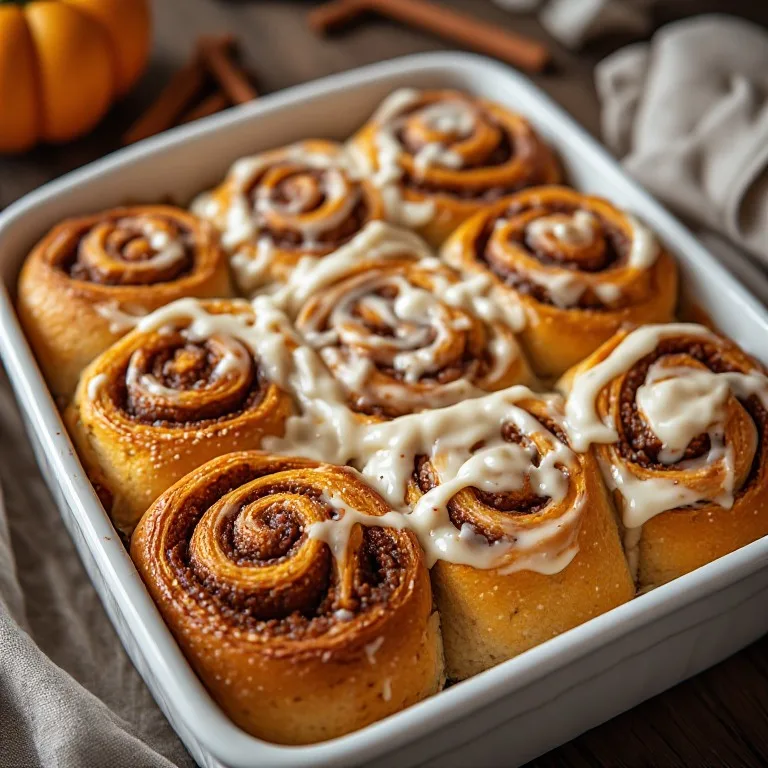
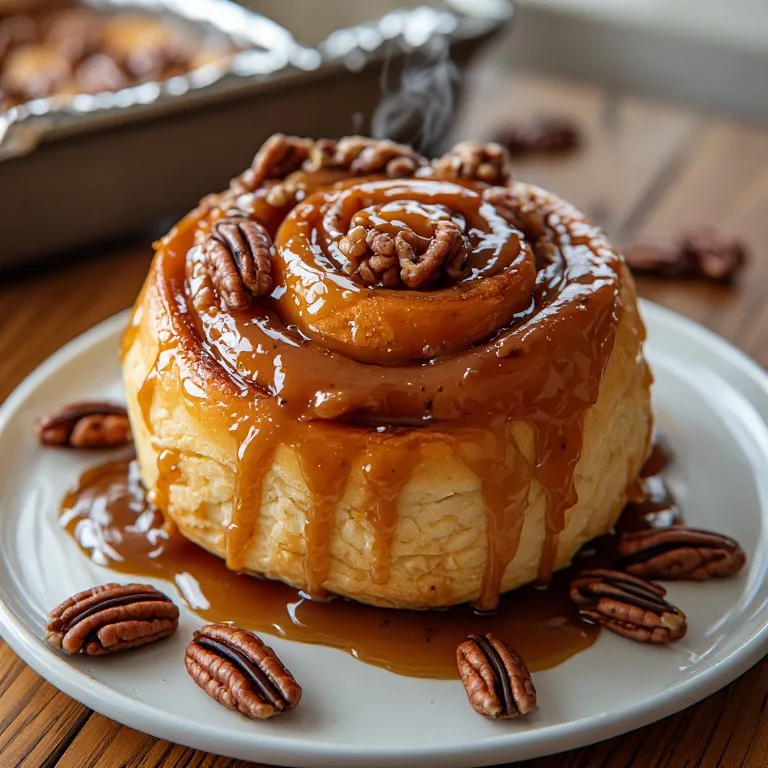
Joanne Chang's Flour Bakery sticky buns at home: brioche dough, honey-forward caramel goo, and the pan-flip technique that made her famous after beating Bobby Flay on Food Network. $5 a bun in Boston; a batch of 8 costs about $10 at home.

Hard Prep: 45 min active (plus 6-hr overnight proof + 2-hr pan rise) Cook: 40 min Total: 1h 25m8 servings ~$4.50/serving
Prep45 min active (plus 6-hr overnight proof + 2-hr pan rise)
Cook40 min
Total1h 25m
Servings
8
At home~$4.50/serving
vs
Restaurant~$20.25/serving
You save ~78%

The Story Behind the Recipe

Joanne Chang opened Flour Bakery & Café in Boston's South End in 2000, trading a Harvard mathematics degree and a consulting career at McKinsey for pastry work she'd been doing on the side for years. The sticky buns were on the menu from day one — a brioche-based, honey-forward recipe she'd developed that differs from the American standard in almost every way: no frosting, no plain white icing, no spongy supermarket dough. The national turning point came in 2007, when Food Network's *Throwdown with Bobby Flay* filmed a competition at the bakery and Chang won. After the episode aired, the line at Flour stretched around the block for months. Bon Appétit named them the best sticky bun in America that same year. A single bun costs $5 at the bakery; a batch of eight costs roughly $10 to make at home.

The technique that separates these from everything else is the inversion: the caramel goo goes into the bottom of the pan before the buns go in, so the buns bake sitting on top of the caramel. When you pull the pan from the oven and flip it — immediately, while the goo is still molten — the caramel cascades down over each bun like a glaze rather than solidifying in a sticky slab. The brioche dough requires a stand mixer and a cold overnight proof, both non-negotiable: the cold ferment develops the yeasty depth that same-day doughs lack, and the mixer is the only practical way to incorporate nearly three sticks of butter into a stiff dough without overworking it. The cinnamon in the filling is deliberately modest — just a whisper — because Chang wants the caramel, honey, and buttery brioche to lead.

Nutrition Facts

Per serving (8 servings)
Calories750
Total Fat40g
Total Carbs86g
Dietary Fiber2g
Sugars46g
Protein9g
Sodium420mg

* Estimated values based on standard recipe preparation. Actual values may vary.

Ingredients

  • Brioche Dough
  • The Goo (caramel topping)
  • Filling

Instructions

💡
Pro tip: This recipe tastes even better the next day. The flavors need time to meld together in the fridge.
❄️
Storage: Keeps in an airtight container in the fridge for up to 2 weeks. Freezer-friendly for up to 3 months.
🎃 Free Halloween cookbook — download now The Copycat Halloween Cookbook A ready-made, photo-illustrated PDF of our best halloween copycat recipes — free to download, no building required. Pay what you want to support if you love it.

Free PDF — instant download. We'll also send new seasonal copycat recipes now and then; unsubscribe anytime. Or just download it →

If you have ever stood in line at Flour Bakery’s South End location and watched someone emerge from the door carrying a paper bag with caramel seeping through the bottom, you know exactly why these buns have their reputation.

What Makes Flour Bakery’s Sticky Buns Famous

Most sticky buns sold in bakeries and grocery stores use a soft, enriched yeast dough — closer to a hamburger bun than a pastry. Joanne Chang uses brioche: a dough with nearly three sticks of butter and six eggs, mixed until the fat is fully incorporated and the dough practically shines. The crumb is tighter, slightly chewy, and markedly richer than a standard cinnamon roll. It holds the caramel without going soggy.

The goo — Chang’s word for the caramel topping — is also unusual. Most sticky bun caramel is primarily butter and brown sugar. Chang adds honey and heavy cream, which lower the caramel’s set temperature and give it a looser, more flowing texture when hot. When you flip the pan immediately after baking, it runs down over each bun in a thin, lacquered coat rather than sitting in a thick slab.

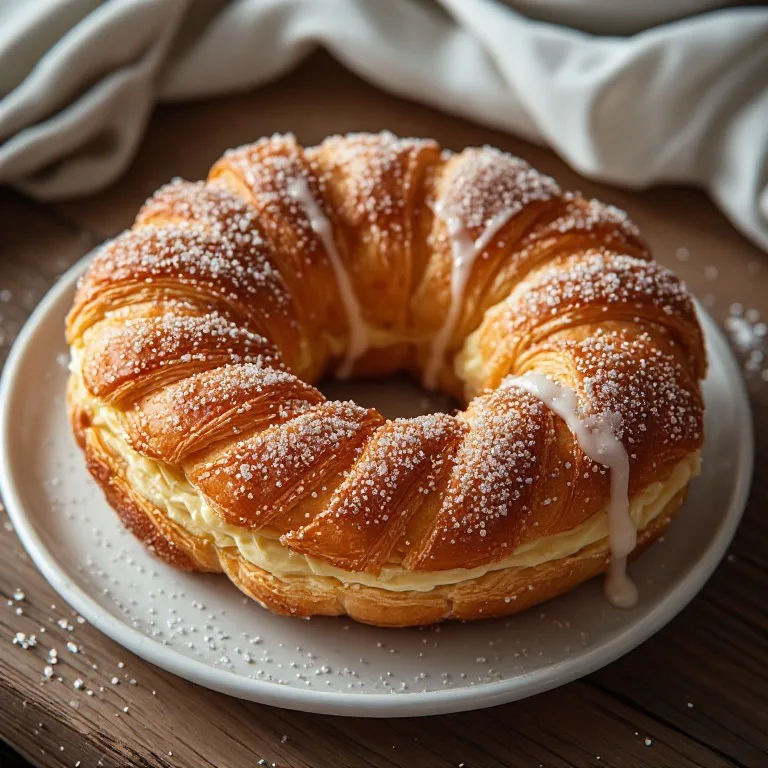
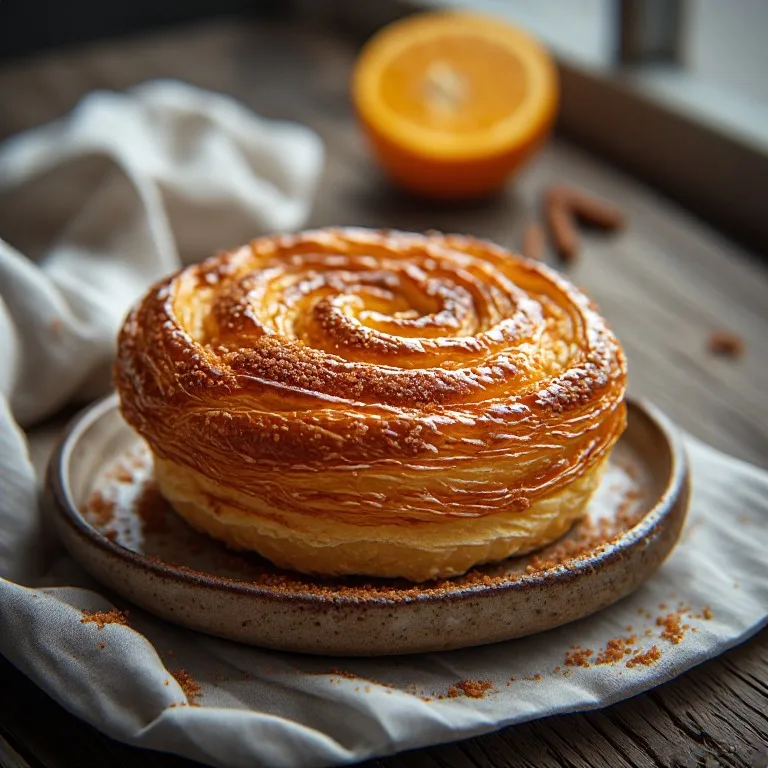
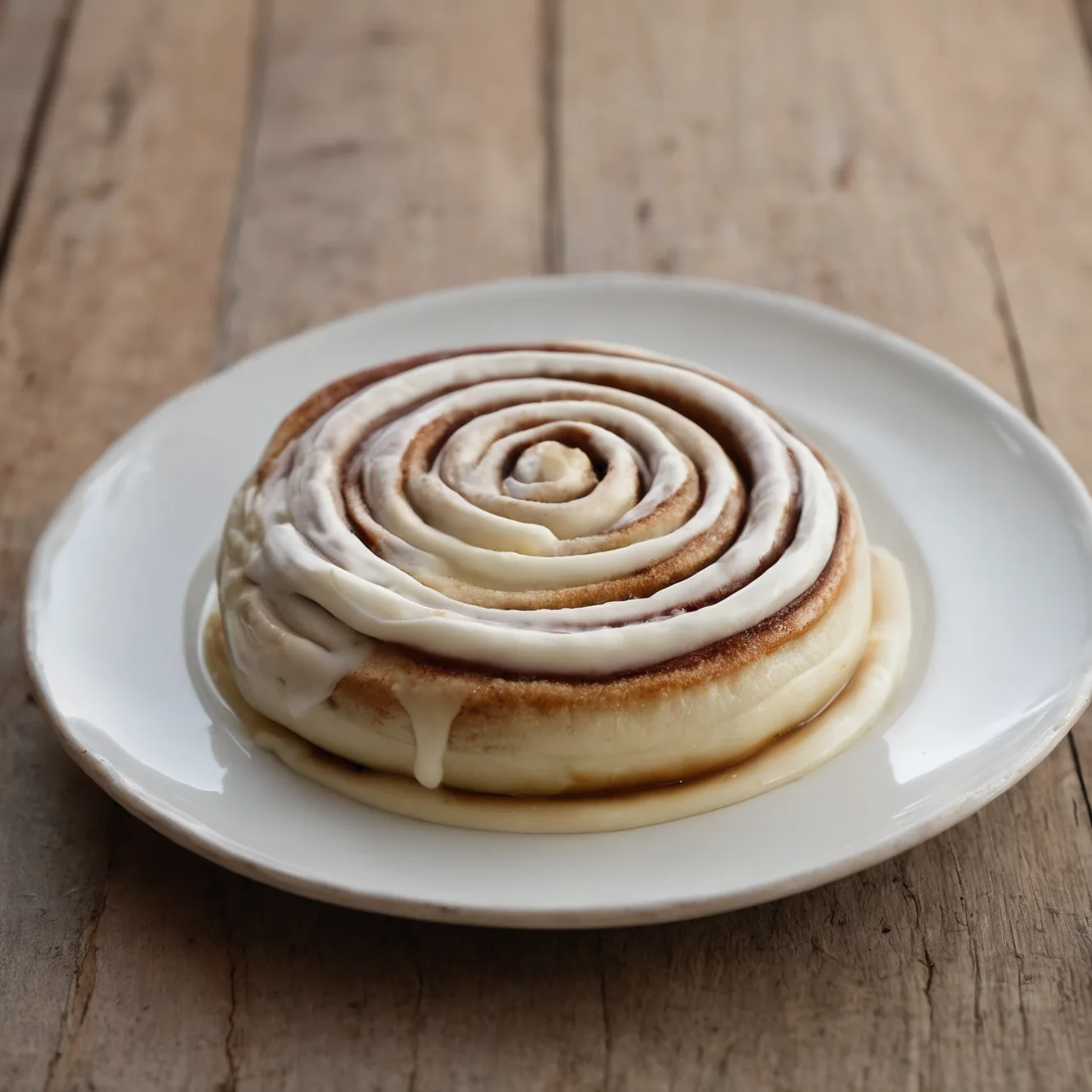
The cinnamon in the filling is deliberately light (just ⅛ tsp for the whole batch). Chang wants the brioche and caramel to be the story, not the spice. If you prefer a frosting-topped, cinnamon-forward roll instead, our copycat Cinnabon cinnamon rolls go the opposite direction; for a flakier, croissant-style bakery pastry, see the Tartine morning bun.

The Two Keys to Getting These Right

Cold dough is everything. The overnight refrigerator proof does two things: it develops flavor through slow fermentation, and it keeps the butter in the dough cold and firm for rolling. A warm brioche dough is almost impossible to roll into a clean rectangle — it sticks, tears, and spreads butter everywhere. Work from the refrigerator, work quickly, and if the dough starts warming up (you will feel it soften), refrigerate it for 10 minutes before continuing.

Flip immediately. The inversion step — placing a foil-lined baking sheet on top of the pan and flipping both over at once — must happen within 30 seconds of the pan coming out of the oven. The caramel is still completely liquid at that temperature. Wait even five minutes and it begins to set; wait ten and the buns are stuck and will tear. Have your landing surface ready before the buns go into the oven.

Flour Bakery’s Story in Brief

Joanne Chang opened the original Flour Bakery & Café at 1595 Washington Street in Boston’s South End in December 2000. She had studied applied mathematics at Harvard, spent several years at McKinsey & Company, and left consulting to cook full-time — first at Rialto in Cambridge, then at her own place. The sticky buns were the menu anchor from day one.

The national audience arrived in 2007 when Food Network filmed a Throwdown with Bobby Flay episode at the bakery. Chang won. The episode aired, the Bon Appétit best-in-America designation followed, and Flour expanded to seven Boston-area locations over the next decade. Chang’s cookbook, Flour: Spectacular Recipes from Boston’s Flour Bakery & Café (Chronicle Books, 2010), reprints the recipe in full and remains one of the most referenced bakery cookbooks in American home baking.

A single bun costs $5 at the bakery. A batch of eight costs roughly $10 to make at home — though it requires a stand mixer, an overnight commitment, and the willingness to flip a pan of liquid caramel the moment it comes out of a 350°F oven.

Frequently Asked Questions

Why are they called “Sticky Sticky Buns”? The double adjective is deliberate. The caramel goo soaks the underside of each bun during baking and then coats the top when the pan is flipped — every surface is sticky. Chang uses the name as a warning and a promise.

Can I prepare these the night before and bake them in the morning? Yes, with a modification. After cutting and placing the buns in the pan, cover and refrigerate overnight instead of letting them rise at room temperature. The next morning, remove the pan from the refrigerator and let the buns rise at room temperature for 2 to 3 hours (the cold dough takes longer to proof than room-temperature dough) before baking. This is the best method for fresh-baked morning sticky buns.

My caramel hardened in the pan and I couldn’t flip it. What went wrong? You waited too long. The goo sets rapidly once it drops below about 200°F. Next time, flip within 30 seconds of pulling the pan from the oven. If this happens again: place the pan back in a 350°F oven for 3–4 minutes to re-liquefy the caramel, then flip immediately.
🥗

Make It Healthier

Love Flour Bakery Sticky Sticky Buns but want a lighter version? Try these simple swaps:

  • ✓Cut into 10 pieces instead of 8 — each bun drops to roughly 600 calories with no recipe changes.
  • ✓Reduce the goo's brown sugar from 1½ cups to 1 cup; the honey still provides plenty of caramel flavor and stickiness.
  • ✓Substitute 2 tablespoons of the dough butter with Greek yogurt to add protein and reduce fat by a small but meaningful amount without affecting rise.
  • ✓Toast the pecans dry (no oil) at 325°F for 8 minutes — the toasting intensifies their flavor so a smaller amount tastes like more.

Frequently Asked Questions

Why are they called 'Sticky Sticky Buns' — why say sticky twice?

Joanne Chang uses the double adjective intentionally to distinguish these from a standard cinnamon roll or a lightly glazed breakfast bun. The name is a promise: the honey-and-brown-sugar caramel goo in the pan soaks the underside of each bun during baking, and then the inversion coats the top and sides when the bun comes out. You end up with caramel contact on every surface. Chang has said in interviews that she wanted a name that warned you what you were getting into — there is no dry edge, no unfrosted crust, nowhere on the bun that isn't sticky.

What is the difference between a sticky bun and a cinnamon roll?

A cinnamon roll is baked in a relatively dry pan and topped with frosting or icing after it comes out of the oven. A sticky bun (sometimes called a caramel roll or pecan roll) is baked on top of caramel goo that was poured into the pan first — so the bun absorbs caramel from below as it bakes. When you flip the pan, the caramel is the topping rather than an icing layer. Flour's version pushes this further: the dough is true brioche (rich with eggs and butter, slightly chewy) rather than the softer yeast dough most cinnamon roll recipes use, and the goo uses honey alongside brown sugar for deeper flavor.

Can I skip the overnight proof and make these same-day?

Technically yes, but the buns will taste noticeably flatter. The overnight cold ferment in the refrigerator slows yeast activity enough for the dough to develop organic acids and flavor compounds that simply do not form in a fast two-hour room-temperature rise. Chang specifies a minimum six-hour cold rest for this reason. If you are pressed for time, proof the dough at room temperature for two hours (until doubled), then refrigerate it for at least three hours before rolling — that is the minimum that gets you some fermentation flavor. A full overnight rest (eight to twelve hours) is the method worth doing.

What does bread flour do in this recipe and can I use all-purpose only?

Bread flour has higher protein content (12–14%) than all-purpose flour (10–12%), which means more gluten development and a dough that can hold more butter without tearing during mixing. In a brioche this rich — nearly three sticks of butter for eight buns — bread flour gives the dough enough structural integrity to stay cohesive and produce a slightly chewy, defined crumb rather than a crumbly, cake-like texture. You can substitute all-purpose flour for the bread flour, but the dough may be slightly stickier during mixing and the finished bun will be more tender and less chewy. Add one extra tablespoon of flour if the dough feels unmanageable.

How do I know when to flip the pan after baking?

Flip immediately — within 30 seconds of pulling the pan from the oven. Do not let it cool. The goo needs to be liquid (it is very hot and very fluid at baking temperature) to cascade down over the buns when you invert the pan. If you wait even five minutes, the caramel begins to set and the buns will tear when you try to flip them, with the caramel staying stuck to the pan instead of running over the top. Set a foil-lined baking sheet next to the oven before you start so you are ready to flip without scrambling.

How do Flour Bakery's sticky buns compare to Cinnabon?

The two share almost no DNA beyond the spiral shape and a sweet filling. Cinnabon uses a soft, milk-based yeast dough and is defined by its thick cream-cheese frosting. Flour uses brioche — much higher in eggs and butter, firmer, slightly chewy — and uses no frosting at all: the caramel goo is the entire topping. The Flour version is less sweet on the surface (the frosting is gone) but carries more fat and richness from the brioche itself. The filling cinnamon is also much more restrained at Flour — barely an eighth of a teaspoon per batch — because Chang wants the honey caramel and buttery dough to dominate rather than cinnamon spice.

Can I make the dough without a stand mixer?

It is extremely difficult. The butter incorporation step — adding nearly three sticks of cold butter piece by piece to stiff dough while keeping the mixture smooth and cold — requires sustained medium-speed mixing for six to twelve minutes. By hand, this takes 20 to 30 minutes of aggressive kneading, and body heat tends to warm the dough enough to make the butter greasy rather than incorporated. If you do not have a stand mixer, refrigerate the dough for 20 minutes between kneading sessions to keep it cold, and work on a cold marble surface if possible. The result will still be good — brioche was made by hand for centuries — but plan for a much longer active prep time.

How long do Flour Bakery sticky buns keep and how do I reheat them?

Day-of is best; day-two at room temperature in an airtight container is still very good. By day three the brioche crumb has firmed considerably and the goo has fully set. To reheat, place the bun on a sheet of foil and warm in a 300°F oven for 6 to 8 minutes — the caramel softens and the brioche re-crisps slightly at the edges. Do not use the microwave: it steams the bun and makes the crumb rubbery while the caramel stays cool. Baked buns can be frozen for up to one month; thaw overnight in the refrigerator and reheat as above.

Love this recipe? Share it!

Free PDF: our 12 most-wanted copycat recipes — instant download.

Made it? Buy us a coffee

Every recipe here is free, with no paywalls. If this one was a hit at your table, a small tip keeps new copycats coming.

$

Flour Bakery + Café is a trademark of its owner, used here only to describe the dish this recipe recreates. This is an independent copycat written in our own words — Copycat Spices is not affiliated with, endorsed by or sponsored by Flour Bakery + Café.

Ratings & Reviews

—
No ratings yet

Rate this recipe

Click a star to rate

Leave a Review

0/500

CS

Copycat Spices Editorial

Researched + fact-checked. Every recipe on Copycat Spices is built from published sources — official ingredient lists, brand-published recipes, interviews and food-science references — and fact-checked before it goes live, then written as clear, step-by-step instructions for home cooks of all skill levels.

Learn more about our mission →