

Pin It

Sylvia's Restaurant Fried Chicken (Harlem's Famous Soul Food, Made at Home)

Sylvia's Restaurant Fried Chicken (Harlem's Famous Soul Food, Made at Home)
Jump to Recipe
Prep 15 min (+ overnight rest) Cook 20 min Serves 4
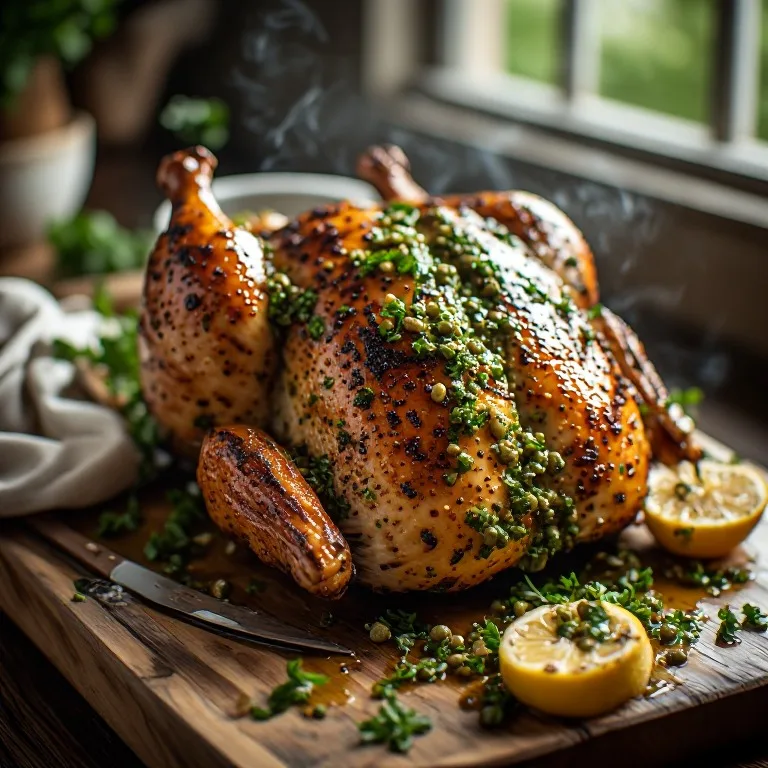
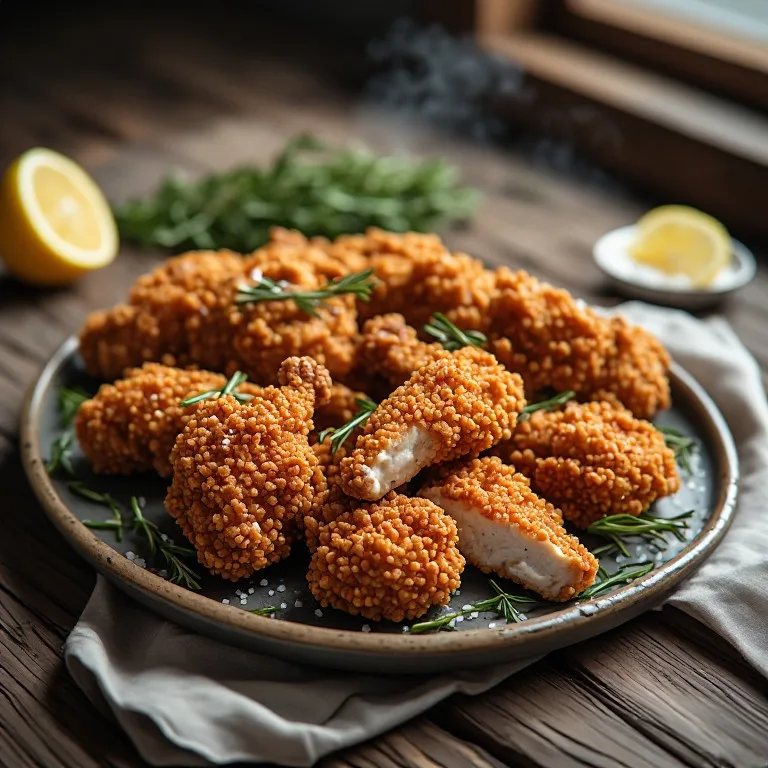
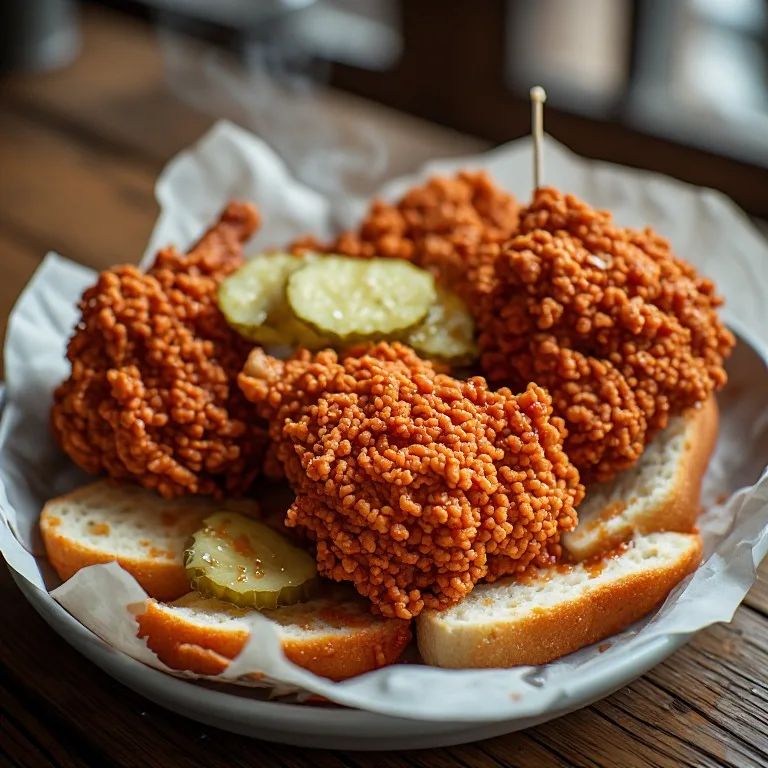
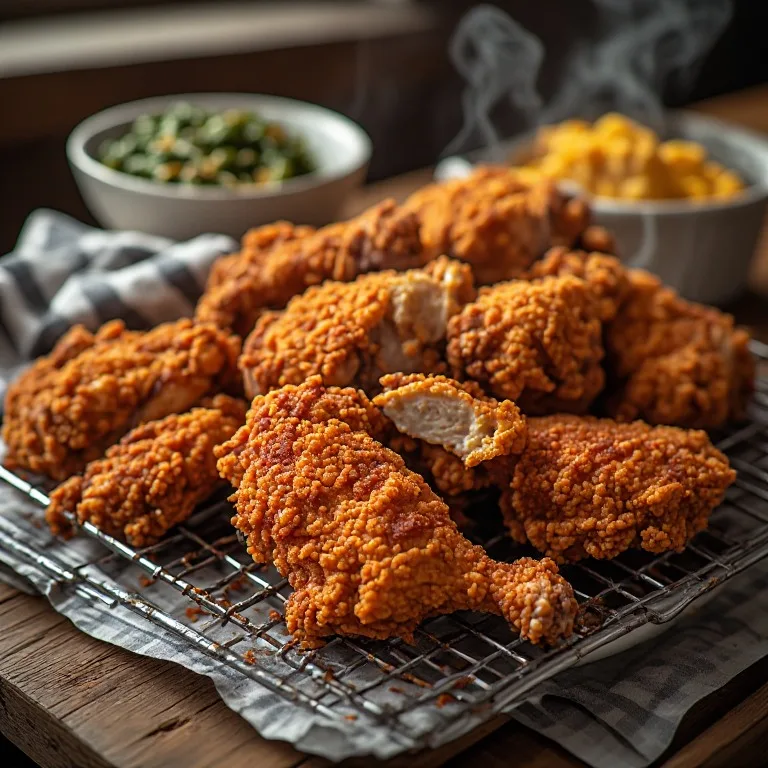
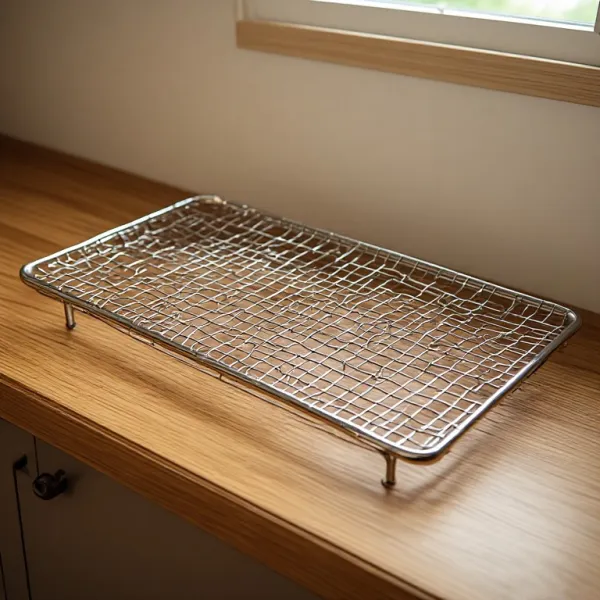
Quick answer: Season a 3 to 3½-pound chicken (cut into 8 pieces) with 1½ teaspoons kosher salt, 1 teaspoon freshly ground black pepper, and ½ teaspoon garlic powder. Rub the seasoning into every surface — including under the skin where you can reach — and refrigerate uncovered overnight, or at minimum 20 minutes. The overnight rest is the real difference: Sylvia's published recipe specifies it clearly and it shows in the results. When ready to cook, combine 1½ to 2 cups all-purpose flour, ¼ teaspoon black pepper, and ¼ teaspoon paprika in a paper bag. Add the chicken pieces a few at a time and shake to coat evenly. Let the coated pieces rest on a rack for 5 minutes so the coating adheres. Heat ¼ cup corn or vegetable oil in a large cast iron skillet over HIGH heat until shimmering. Add the chicken pieces in a single layer — do not crowd the pan (work in two batches if needed). Immediately reduce heat to MEDIUM. Cook without moving for 7 to 10 minutes until the underside is deep golden brown. Flip once and cook another 7 to 10 minutes until the other side matches and the internal temperature reads 165°F. Transfer to a wire rack (not paper towels — the rack keeps the bottom crust from steaming and softening). At Sylvia's, a fried chicken entrée runs roughly $18 to $24. This batch of 8 pieces costs about $9 in ingredients.

Shop the tools

Gear matched to this recipe. These are Amazon affiliate links — we may earn a small commission if you buy, at no extra cost to you.

As an Amazon Associate, Copycat Spices earns from qualifying purchases. Product images are generic illustrations, not the exact item listed.

Sylvia's Restaurant Fried Chicken (Harlem's Famous Soul Food, Made at Home)

The famous fried chicken from Sylvia's in Harlem, made at home: Sylvia Woods' cookbook overnight dry-season technique, a restrained flour-and-paprika coating, and pan-fried in cast iron. Queen of Soul Food, decoded.

Easy Prep: 15 min (+ overnight rest) Cook: 20 min Total: 35 min4 servings ~$2.45/serving
Prep15 min (+ overnight rest)
Cook20 min
Total35 min
Servings
4
At home~$2.45/serving
vs
Restaurant~$11.02/serving
You save ~78%

The Story Behind the Recipe

The famous fried chicken from Sylvia's in Harlem, made at home: Sylvia Woods' cookbook overnight dry-season technique, a restrained flour-and-paprika coating, and pan-fried in cast iron. Queen of Soul Food, decoded.

Nutrition Facts

Per serving (4 servings)
Calories490
Total Fat24g
Total Carbs22g
Dietary Fiber1g
Sugars0g
Protein42g
Sodium680mg

* Estimated values based on standard recipe preparation. Actual values may vary.

Ingredients

Instructions

💡
Pro tip: This recipe tastes even better the next day. The flavors need time to meld together in the fridge.
❄️
Storage: Keeps in an airtight container in the fridge for up to 2 weeks. Freezer-friendly for up to 3 months.
🎃 Free Halloween cookbook — download now The Copycat Halloween Cookbook A ready-made, photo-illustrated PDF of our best halloween copycat recipes — free to download, no building required. Pay what you want to support if you love it.

Free PDF — instant download. We'll also send new seasonal copycat recipes now and then; unsubscribe anytime. Or just download it →

Copycat Sylvia’s Restaurant Fried Chicken (Harlem’s Famous Soul Food, Made at Home)

Prep time: 15 min (+ overnight rest) Cook time: 20 min Servings: 4

Sylvia’s Restaurant has been at 328 Malcolm X Boulevard in Harlem since 1962. Sylvia Woods opened it the same year her mother mortgaged the family’s South Carolina farm to help buy the luncheonette — a $20,000 purchase, 90 percent of it her mother’s. Sylvia repaid her within a year of opening. The restaurant never left.

New York Magazine food critic Gael Greene named Sylvia Woods “the Queen of Soul Food” in a 1979 article, and the restaurant has been full every Sunday since. Barack Obama, Bill Clinton, Nelson Mandela, Beyoncé, Jay-Z, Aretha Franklin, Al Sharpton — the celebrity photo walls at Sylvia’s are not curated for atmosphere, they are just accumulation. Sixty-plus years of people wanting to eat there.

Sylvia Woods died in July 2012. Her family continues running the restaurant. She published two cookbooks with William Morrow — Sylvia’s Soul Food in 1992 and Sylvia’s Family Soul Food Cookbook: From Hemingway, South Carolina, to Harlem in 1999 — and those books are where this recipe comes from.

What Makes Sylvia’s Fried Chicken Different

Most fried chicken copycats look for something exotic in the recipe — a secret spice blend, a double-dredge technique, a proprietary brine. The interesting thing about Sylvia’s published recipe is how deliberately simple it is.

Three ingredients on the chicken: salt, pepper, garlic powder. Two in the flour coating: pepper, paprika. Oil in a cast iron skillet. No buttermilk. No cornstarch. No cayenne. No seasoned salt.

The simplicity is not a limitation — it is the recipe’s entire argument. The technique is what separates it from every other fried chicken you have made, and the technique has one key requirement: time.

The Three Things Most Copycat Recipes Get Wrong

1. Skipping the overnight rest (or rushing the 20-minute version)

The published recipe is explicit: season the chicken and “let stand for at least 20 minutes, or better yet, overnight in the refrigerator.”

Most people read that as a note about patience and ignore it. What is actually happening is a dry brine. When salt contacts the surface of raw chicken and sits long enough, it draws a small amount of surface moisture out of the muscle tissue. That moisture dissolves the salt and the other seasonings, then gets reabsorbed back into the meat. The salt, garlic, and pepper travel with that liquid — deeper into the muscle, not just resting on the surface.

After 20 minutes, the seasoning has penetrated a fraction of an inch. After an overnight rest, it has moved significantly further in. The difference shows up when you bite through the crust: seasoned meat from the surface all the way to the center, rather than seasoned crust over bland interior.

The uncovered overnight rest in the refrigerator also dries the skin slightly, which helps the flour coating adhere and promotes a crisper result.

2. Adding buttermilk

There is a widespread assumption that Southern fried chicken requires a buttermilk soak, because many of the most-searched Southern fried chicken recipes are buttermilk-based. Sylvia’s is not.

The South Carolina pan-fry tradition Sylvia Woods brought from Hemingway does not use buttermilk. The lactic acid in buttermilk tenderizes the meat and creates a thick, adhesive, tangy crust — that is a genuinely excellent style of fried chicken, and it is its own specific dish. What it is not is Sylvia’s.

The dry-season method produces a thinner, crisper crust without the tang, and the flavor of the chicken itself comes through more directly. Substituting buttermilk changes what you are making, even if the result is still good fried chicken.

3. Over-seasoning the flour

The flour mix is: flour, a small amount of black pepper, a small amount of paprika. That is it.

No garlic powder in the flour (the garlic is already in the dry brine). No cayenne. No onion powder. No Old Bay. No MSG.

The restraint reflects the same philosophy as the dry brine: the coating’s job is to create a crust, not to add more flavor. The seasoning is already in the meat after the overnight rest. Heavy flour seasoning creates a spice-forward crust that can mask the chicken rather than complement it. Sylvia’s coating gets out of the way.

The Recipe (Directly from the Sylvia’s Cookbook Tradition)

The recipe calls for a whole chicken, cut into eighths: two breasts, two thighs, two drumsticks, two wings. You can also use equivalent bone-in, skin-on pieces bought separately — the technique works the same way. The bone and skin matter: bone conducts heat into the meat more evenly during the fry, and skin protects the breast from drying out.

The oil: Corn oil or vegetable oil, in a shallow fry — roughly ¼ cup in a large skillet, not a pot of oil. This is pan-frying, not deep-frying. The chicken sits in about ⅛ inch of oil, not submerged.

The heat: Start high to get the oil to temperature quickly. The moment the chicken goes in, reduce to medium. This two-stage approach matters — high heat ensures the exterior sears immediately and doesn’t absorb the oil; medium heat provides sustained cooking that cooks through the thickest pieces without burning the crust.

The timing: 7 to 10 minutes per side, flipping once. The range accounts for piece size; thighs and drumsticks take closer to 10 minutes per side, wings closer to 7. Don’t rush the flip — the crust forms through sustained contact, and lifting too soon breaks it before it sets. Wait until you see deep golden brown on the bottom before turning.

Cost: Sylvia’s vs. Home
Sylvia’s RestaurantHomemade (8 pieces, serves 4)
Fried chicken entrée~$18–$24full batch for ~$9
Per serving (2 pieces)$18–24~$2.25
Sunday gospel brunchHarlem, 328 Malcolm X Blvdn/a, but put on some Aretha
Reservation requiredNo — walk-in friendlyNone needed
What to Serve It With

At Sylvia’s, fried chicken comes with classic soul food sides. The restaurant’s collard greens, macaroni and cheese, candied yams, and cornbread are all household institutions. At home, any of these work:

  • Collard greens — braised low and slow with a smoked turkey leg or bacon, with a splash of apple cider vinegar at the end
  • Macaroni and cheese — baked, not stovetop, with a cheddar-and-American cheese blend and a breadcrumb crust (our Boston Market mac and cheese is the closest baked-style match)
  • Cornbread — the cast iron skillet is already hot from the chicken; a quick cast iron cornbread bakes in about 20 minutes while the chicken rests
  • Candied yams — sweet potatoes with brown sugar, butter, and a little cinnamon
  • Hot sauce on the side — Crystal or Texas Pete over Frank’s Red Hot; the vinegar-forward bottles cut the richness better than the thicker cayenne-based ones
🥗

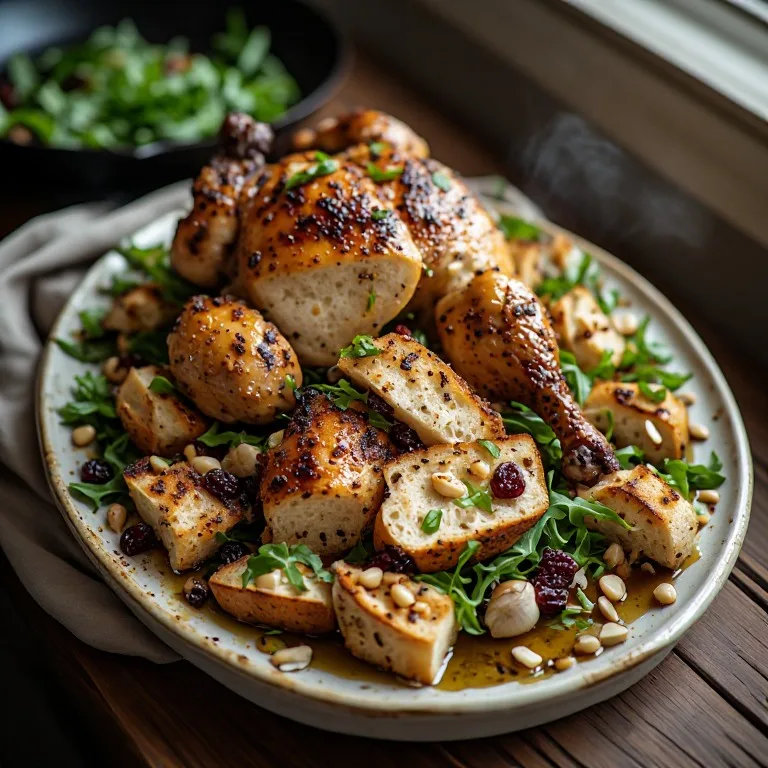
Make It Healthier

Love Sylvia's Restaurant Fried Chicken (Harlem's Famous Soul Food, Made at Home) but want a lighter version? Try these simple swaps:

  • ✓Remove the skin before eating — it holds a significant portion of the fat while still contributing flavor during frying; this drops the calorie count by roughly 80 per piece.
  • ✓Swap the fry for an oven finish: season and coat the chicken the same way, then spray generously with cooking spray and bake at 425°F on a wire rack for 35 to 40 minutes, flipping once at the halfway point. The crust won't be identical but the overnight dry-brine produces a noticeably more flavorful result than a simple baked chicken.
  • ✓Boneless, skinless thighs fry in about 5 to 6 minutes per side at the same temperature — faster cooking, less fat, but the texture of the crust changes without the bone and skin to insulate it.

Frequently Asked Questions

Why does Sylvia's recipe call for overnight refrigeration instead of just marinating briefly?

The overnight rest is doing something specific that 20 minutes cannot fully accomplish: it's a dry brine. When salt touches raw chicken and sits long enough, it pulls a small amount of surface moisture out of the meat, dissolves into it, and then gets drawn back in as that moisture reabsorbs. The salt, garlic powder, and pepper travel with that moisture — deeper into the muscle, not just coating the surface. After a 20-minute rest, the seasoning is primarily on the exterior. After an overnight rest, it has migrated noticeably further in. When you bite through the crust into the meat, you taste seasoned chicken, not unseasoned meat with seasoned skin. The cookbook specifies: season and 'let stand for at least 20 minutes, or better yet, overnight in the refrigerator.' That phrase reflects a real difference, not just preference.

Why no buttermilk soak? Most Southern fried chicken recipes use buttermilk.

Sylvia's recipe does not use buttermilk, and that is not an oversight — it reflects a different Southern tradition. The buttermilk-soak style produces a thick, tangy, somewhat puffy crust; the lactic acid in buttermilk tenderizes the meat and creates craggy, adhesive coating. That is its own excellent result. The South Carolina pan-fry tradition that Sylvia Woods grew up with in Hemingway, SC, predates the buttermilk method and does not depend on it. The dry-season approach relies on the natural surface moisture drawn out by the dry brine to help the flour adhere — not buttermilk. The resulting crust is thinner, crisper, and less tangy. Both are legitimate Southern fried chicken. They are not the same dish, and substituting one for the other changes what you are making.

Why does the recipe use so little seasoning in the flour — just pepper and paprika?

The restraint is intentional and is the defining characteristic of South Carolina soul food seasoning. Sylvia's published recipe calls for flour, a small amount of black pepper, and a small amount of paprika — that is it. No garlic powder in the flour, no onion powder, no cayenne, no Old Bay, no seasoned salt. This is not a shortcut: it is a philosophy. The chicken has already been dry-brined overnight with salt, pepper, and garlic powder, so the meat itself carries the seasoning. The flour coating's job is to create a crust, not add more flavor layers. Heavy flour seasoning can create a spice-forward crust that competes with the chicken rather than serving it. Sylvia's coating lets the chicken flavor dominate. The paprika is there primarily for color — it helps the crust brown more evenly — rather than flavor.

What is the right oil and temperature for frying Sylvia's style?

Sylvia's recipe uses corn oil or vegetable oil — not lard, not peanut oil, not olive oil — in a quantity that provides a shallow fry (roughly ¼ cup in a large skillet), not a deep fry. The technique starts at HIGH heat to get the oil to temperature quickly, then reduces to MEDIUM once the chicken goes in. This two-stage approach is important: high heat ensures the oil is hot enough that the exterior sears immediately rather than absorbing oil and steaming; medium heat provides sustained, even cooking that cooks through the thickest pieces without burning the exterior. Cast iron is the preferred vessel because it holds and distributes heat very evenly, avoiding the hot spots that cause uneven browning. If you have a stainless steel or enameled Dutch oven it is a reasonable second choice; thin non-stick pans are not suitable because they lose heat too quickly when cold chicken goes in.

In what order should I fry the pieces?

Dark meat (thighs and legs) takes significantly longer to cook through than white meat (breasts and wings) because dark meat is denser and the pieces are thicker at their core. The legs and thighs should go into the pan first. If you are frying in batches, cook the thighs and legs in the first batch. If you are frying all at once in a large skillet, add the thighs and legs first and give them 2 to 3 minutes of head start before adding the breasts and wings. This prevents the common outcome of perfectly cooked dark meat alongside slightly undercooked white meat, or perfectly cooked white meat alongside overcooked thighs. A probe thermometer makes this straightforward — pull each piece when it reads 165°F at the thickest point, away from bone.

Why rest fried chicken on a rack instead of paper towels?

Paper towels trap steam. The bottom crust of a piece resting on paper towels is sitting in the moisture that the hot chicken is releasing, which softens the crust in minutes. A wire rack lets air circulate beneath the chicken, the steam escapes in all directions, and the crust stays crisp on all surfaces until you serve it. If you do not have a rack, resting on the lip of a sheet pan or the handle of a wooden spoon laid across a plate achieves a similar result. The same principle applies to any fried food — towel resting is faster cleanup but produces a noticeably soggier result.

Who was Sylvia Woods, and why does Sylvia's matter?

Sylvia Woods was born in Hemingway, South Carolina on February 2, 1926, and grew up cooking the kind of food her family had made for generations. She moved to New York, worked as a waitress and then a waitress-manager at Johnson's Luncheonette in Harlem, and in 1962 bought that same luncheonette with her husband Herbert — her savings covered 10 percent of the $20,000 purchase price; her mother mortgaged the family's South Carolina farm to cover the rest. Sylvia repaid her in full within a year. She renamed it Sylvia's and ran it for the next five decades. New York Magazine critic Gael Greene named her 'Queen of Soul Food' in 1979, and the restaurant never slowed down after that. Barack Obama, Bill Clinton, Nelson Mandela, Beyoncé, Jay-Z, Al Sharpton, and hundreds of others have eaten there. Sylvia Woods died July 19, 2012; her family continues running the restaurant. She published two cookbooks — 'Sylvia's Soul Food' in 1992 and 'Sylvia's Family Soul Food Cookbook' in 1999, both from William Morrow — and the fried chicken recipe here comes directly from that tradition.

Love this recipe? Share it!

Free PDF: our 12 most-wanted copycat recipes — instant download.

Made it? Buy us a coffee

Every recipe here is free, with no paywalls. If this one was a hit at your table, a small tip keeps new copycats coming.

$

Sylvia's Restaurant is a trademark of its owner, used here only to describe the dish this recipe recreates. This is an independent copycat written in our own words — Copycat Spices is not affiliated with, endorsed by or sponsored by Sylvia's Restaurant.

Ratings & Reviews

—
No ratings yet

Rate this recipe

Click a star to rate

Leave a Review

0/500

CS

Copycat Spices Editorial

Researched + fact-checked. Every recipe on Copycat Spices is built from published sources — official ingredient lists, brand-published recipes, interviews and food-science references — and fact-checked before it goes live, then written as clear, step-by-step instructions for home cooks of all skill levels.

Learn more about our mission →