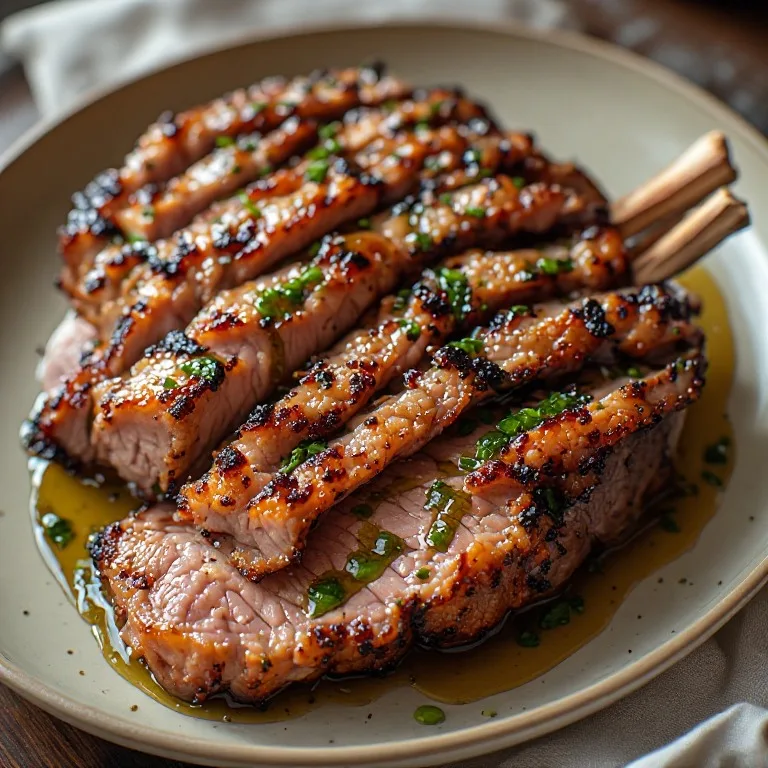
Quick answer: Make the jerk marinade: blend 4 scallions (roughly chopped), 4 garlic cloves, 1–2 scotch bonnet peppers (or habaneros), 2 tablespoons fresh thyme leaves, 2 tablespoons whole allspice berries (or 1 tablespoon ground), a 1-inch knob of peeled ginger, 2 tablespoons soy sauce, 1 tablespoon dark brown sugar, 1 tablespoon apple cider vinegar, 2 tablespoons vegetable oil, 1 teaspoon black pepper, and 1 teaspoon kosher salt into a smooth paste. Coat 4 lbs of oxtail sections completely, cover, and refrigerate at least 8 hours — ideally 24. Remove from the refrigerator 30 minutes before cooking. Scrape the marinade off the oxtail — reserve it, do not discard. Sear the oxtail in a hot Dutch oven in two batches, 3–4 minutes per side, until deeply browned. Transfer to a plate. Reduce heat to medium, add 1 diced large onion and cook 5 minutes, then 3 minced garlic cloves and 2 tablespoons tomato paste for 1 minute more. Add 2 cups beef stock and 1 cup dark stout, scraping up the fond. Stir in the reserved marinade. Return the oxtail to the pot, nestle 1 whole intact scotch bonnet (do not pierce it) on top, and add 2 thyme sprigs and 2 bay leaves. Bring to a simmer, cover tightly, and braise at 325°F for 3 to 3.5 hours until the meat pulls from the bone with no resistance. Rest 20 minutes, discard the whole scotch bonnet, skim the fat, and reduce the braising liquid on the stovetop until glossy if needed. While the oxtail braises, make coconut rice and peas: combine 1½ cups rinsed long-grain rice, one drained 15-oz can kidney beans, one 13.5-oz can full-fat coconut milk, ¾ cup water, 2 whole scallion stalks, 2 thyme sprigs, 1 whole intact scotch bonnet, and ¾ teaspoon salt. Bring to a full boil, then drop to the lowest heat, cover tightly, and cook 18–20 minutes without lifting the lid. Remove the pepper, scallions, and thyme before serving.
Shop the tools
Gear matched to this recipe. These are Amazon affiliate links — we may
earn a small commission if you buy, at no extra cost to you.
As an Amazon Associate, Copycat Spices earns from qualifying purchases.
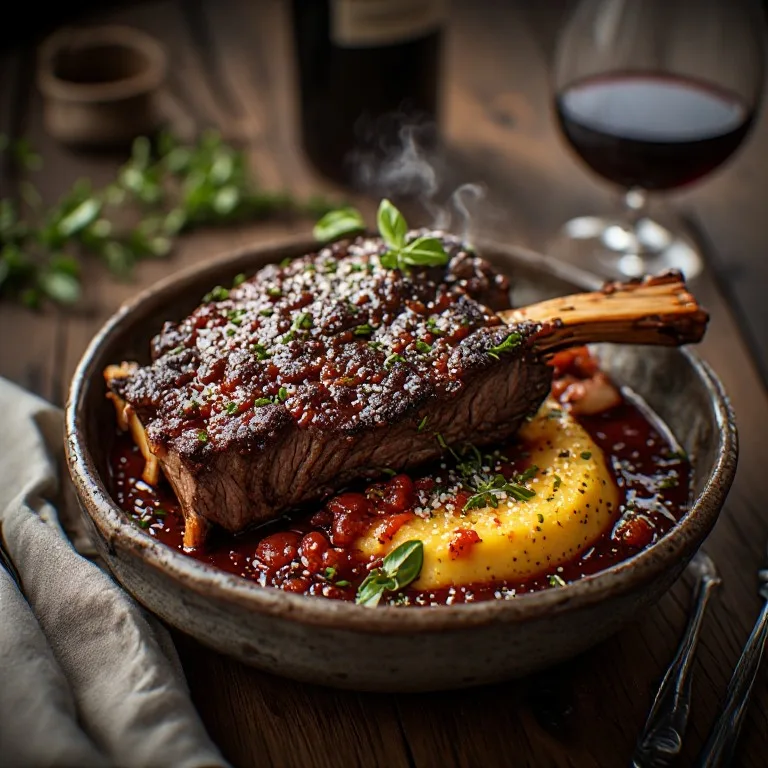
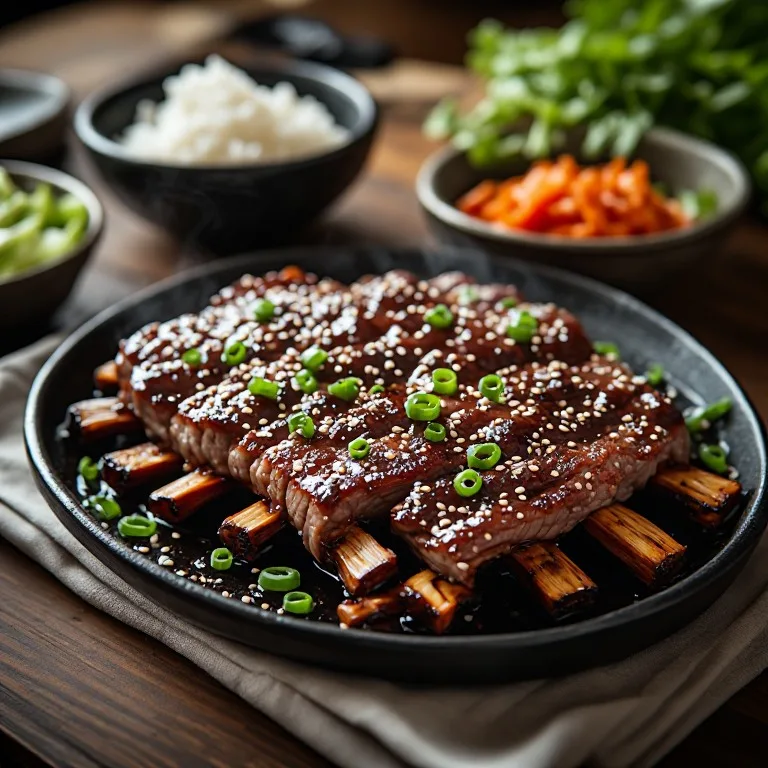
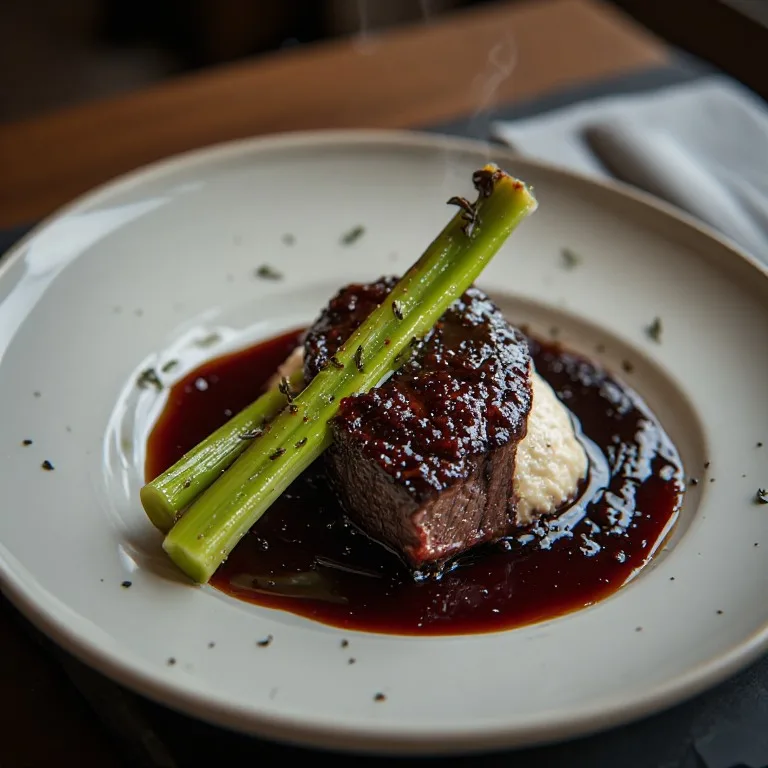
Product images are generic illustrations, not the exact item listed.
Tatiana Braised Oxtail with Rice and Peas
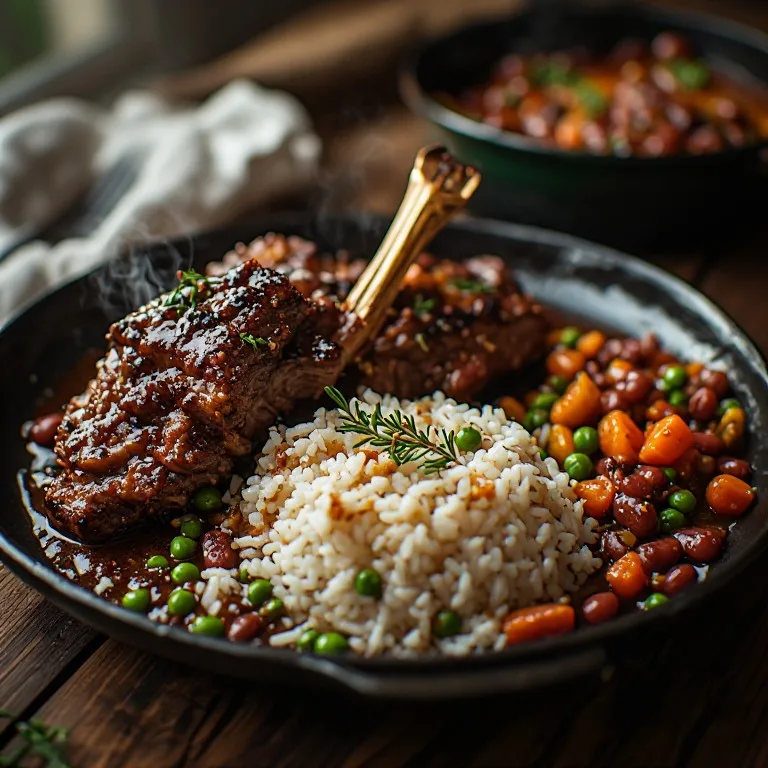
Kwame Onwuachi's famous jerk-marinated braised oxtail from Tatiana at Lincoln Center — one of NYC's hardest reservations — made at home. The secret is an overnight jerk paste that penetrates the dense collagen-rich cuts before a low oven braise turns the liquid thick and glossy. Served over coconut rice and peas.
Medium
Prep: 30 min (plus overnight marinate)
Cook: 3.5 hrs
Total: 5h 30m4 servings
~$4.50/serving
Prep30 min (plus overnight marinate)
Cook3.5 hrs
Total5h 30m
Servings
4
At home~$4.50/serving
vs
Restaurant~$20.25/serving
You save ~78%
The Story Behind the Recipe
Tatiana opened at Lincoln Center's David Geffen Hall in October 2022. Kwame Onwuachi grew up in the Bronx — the son of a Nigerian father and a mother of Caribbean and Creole descent — trained at Eleven Madison Park, and won the James Beard Rising Star Chef Award in 2019. With Tatiana he set out to bring the Afro-Caribbean food of his own upbringing to a fine dining room in one of New York's most prominent cultural venues. The restaurant is named after his mother's nickname. From its first week, reservations filled within hours and remained that way. In 2023, New York Times critic Pete Wells ranked Tatiana the No. 1 restaurant in New York City — a position it held into 2024.
The braised oxtail became the dish regulars would not let off the menu. Kwame's version draws from his grandmother's kitchen: oxtail sections marinated overnight in a wet jerk paste — allspice, scotch bonnet, scallion, ginger, and thyme — then seared over high heat and braised at 325°F until the collagen fully converts to gelatin and the liquid turns thick and glossy. The dish is served over coconut rice and peas, cooked in full-fat coconut milk with kidney beans and a whole intact scotch bonnet that perfumes the rice without blowing it out — the classic Jamaican preparation Kwame carries from his family's kitchen to Lincoln Center. Main courses at Tatiana run into the mid-$40s and above; the ingredients for this version at home cost about $32 to $36 for four people.
Nutrition Facts
Per serving (4 servings)
Calories820
Total Fat34g
Total Carbs78g
Dietary Fiber9g
Sugars5g
Protein45g
Sodium1050mg
* Estimated values based on standard recipe preparation. Actual values may vary.
Ingredients
For the jerk marinade
For the braised oxtail
For the coconut rice and peas
Instructions
💡
Pro tip: This recipe tastes even better the next day. The flavors need time to meld together in the fridge.
❄️
Storage: Keeps in an airtight container in the fridge for up to 2 weeks. Freezer-friendly for up to 3 months.
🎃 Free Halloween cookbook — download now
The Copycat Halloween Cookbook
A ready-made, photo-illustrated PDF of our best halloween copycat
recipes — free to download, no building required. Pay what you want to support if you love it.
Free PDF — instant download. We'll also send new seasonal copycat recipes now
and then; unsubscribe anytime.
Or just download it →
🎉 Your Halloween Cookbook is ready!
It's free — but if it's worth something to you, you can pay what you want.
It keeps the recipes coming.
$
✓ Downloading your free Halloween Cookbook — check your downloads folder. Happy cooking!
CopycatSpices
Tatiana Braised Oxtail with Rice and Peas
Kwame Onwuachi's famous jerk-marinated braised oxtail from Tatiana at Lincoln Center — one of NYC's hardest reservations — made at home. The secret is an overnight jerk paste that penetrates the dense collagen-rich cuts before a low oven braise turns the liquid thick and glossy. Served over coconut rice and peas.
tatiana · kwame-onwuachi · oxtail · caribbean
🕑Prep30 min (plus overnight marinate)
🍳Cook3.5 hrs
⏱Total5h 30m
🍽Serves4
⭐DifficultyMedium
Ingredients
For the jerk marinade
4 scallions, roughly chopped
4 garlic cloves, peeled
1 to 2 scotch bonnet peppers (or habaneros) — 1 for moderate heat, 2 for assertive heat
2 tablespoons fresh thyme leaves (stripped from about 12 sprigs)
One 1-inch knob fresh ginger, peeled and roughly chopped
2 tablespoons soy sauce
1 tablespoon dark brown sugar
1 tablespoon apple cider vinegar
2 tablespoons vegetable oil
1 teaspoon freshly ground black pepper
1 teaspoon kosher salt
For the braised oxtail
4 lbs oxtail, cut into 2-inch sections
2 tablespoons vegetable oil
1 large yellow onion, diced
3 garlic cloves, minced
2 tablespoons tomato paste
2 cups beef stock
1 cup dark stout beer (Guinness or similar)
1 whole scotch bonnet pepper, kept intact (do not pierce)
2 sprigs fresh thyme
2 bay leaves
Kosher salt and freshly ground black pepper
For the coconut rice and peas
1½ cups long-grain rice, rinsed until the water runs clear
One 15-oz can kidney beans, drained and rinsed
One 13.5-oz can full-fat coconut milk
¾ cup water
2 whole scallion stalks (leave intact, remove before serving)
2 fresh thyme sprigs
1 whole scotch bonnet pepper, kept intact (do not pierce)
¾ teaspoon kosher salt
Instructions
1.Make the jerk marinade — the night before. Combine all marinade ingredients in a blender: scallions, garlic, scotch bonnet(s), thyme, allspice, ginger, soy sauce, brown sugar, vinegar, oil, black pepper, and salt. Blend until smooth — the paste should be deep green-brown and smell intensely of allspice and scotch bonnet. Coat the oxtail sections completely, working the marinade into every surface. Place in a zip-lock bag or covered container and refrigerate for at least 8 hours; 24 hours is better. Remove from the refrigerator 30 minutes before cooking to take the chill off.
2.Prep the Dutch oven. Heat the oven to 325°F. Scrape the marinade off each oxtail piece — collect all the marinade in a bowl, do not discard it. Pat the oxtail pieces dry with paper towels (surface moisture prevents the browning you need). Heat a large Dutch oven (at least 5-quart) over high heat until smoking. Add 2 tablespoons vegetable oil.
3.Sear the oxtail in batches. Working in two batches without crowding — crowding steams rather than sears — add the oxtail pieces and sear 3 to 4 minutes per side until deeply browned on all surfaces. This crust is not optional; the Maillard browning builds the backbone of the braising sauce. Transfer the seared pieces to a plate. Between batches, dark fond on the bottom of the pot is flavor — do not wipe it out.
4.Build the braise base. Reduce heat to medium. Add the diced onion and cook, stirring occasionally, for 5 to 6 minutes until softened and beginning to color. Add the minced garlic and tomato paste and cook 1 minute more, stirring constantly, until the tomato paste darkens slightly and smells sweet.
5.Add the liquid and return the oxtail. Pour in the beef stock and stout, scraping up all the browned bits from the bottom. Stir in the reserved jerk marinade. Return the oxtail pieces to the pot in a roughly single layer. Set the whole intact scotch bonnet on top of the meat — do not pierce it. Add the thyme sprigs and bay leaves. Bring to an active simmer. The liquid should come about halfway up the oxtail; add more stock if needed.
6.Braise low and slow. Cover the Dutch oven tightly with its lid and transfer to the 325°F oven. Braise undisturbed for 3 to 3.5 hours. At 3 hours, test by gripping a piece with tongs and tugging the meat — it should release from the bone with almost no resistance. If not, continue in 30-minute increments. Remove from the oven and rest uncovered for 20 minutes. Remove and discard the whole scotch bonnet, thyme stems, and bay leaves.
7.Make the coconut rice and peas. About 30 minutes before the oxtail finishes, combine the rinsed rice, drained kidney beans, coconut milk, water, whole scallion stalks, thyme sprigs, the whole intact scotch bonnet, and salt in a medium saucepan with a tight-fitting lid. Bring to a full boil over medium-high heat, then immediately drop to the absolute lowest heat setting. Cover tightly and cook for 18 to 20 minutes — do not lift the lid before 18 minutes. The liquid should be fully absorbed and the rice tender. Remove the scotch bonnet, scallion stalks, and thyme sprigs. Fluff gently with a fork.
8.Finish the sauce. Transfer the oxtail to a plate. Skim visible fat from the surface of the braising liquid. If the liquid looks thin, bring it to a brisk simmer on the stovetop over medium-high heat and reduce for 8 to 12 minutes until it is thick and glossy and coats the back of a spoon. Return the oxtail to the reduced sauce and turn gently to coat. Taste and adjust salt.
9.Serve. Spoon a generous mound of coconut rice and peas into each wide bowl. Set one or two oxtail sections on the rice. Spoon the thick braising sauce generously over the meat and rice. Serve immediately.
Notes
The most iconic dish at Tatiana, Kwame Onwuachi’s Lincoln Center restaurant, is a braised oxtail that traces the cooking of his Bronx childhood — his grandmother’s kitchen, his mother’s Afro-Caribbean heritage — executed with the technical precision of someone who trained at Eleven Madison Park. What separates it from standard braised oxtail is one step that happens before the stove is ever turned on: an overnight jerk marinade of allspice, scotch bonnet, ginger, and scallion that penetrates the dense collagen-rich cuts over 24 hours.
What Makes Tatiana’s Oxtail Different
Braised oxtail is not a complex concept: sear the meat, add liquid, cook long and low until the collagen converts to gelatin. Any version of this will be good. The Tatiana version is good in a specific way — the braising liquid tastes of jerk spice from the very first hour, because the marinade spent 24 hours in the meat and carries those flavors directly into the sauce. When you spoon the finished braising liquid over the coconut rice and peas, it has depth that a standard beef broth base cannot achieve.
The second distinguishing element is the whole scotch bonnet — one in the braise, one in the rice — used intact. An unbroken scotch bonnet releases its fruity, aromatic character through its skin into the liquid around it. The capsaicin stays inside the seeds and membrane. The heat is present and warm; it does not overpower the oxtail or make the coconut rice incendiary. This is how Kwame learned the technique from his family’s Caribbean cooking: you use the whole pepper to perfume a dish, not to set it on fire.
The Load-Bearing Technique: Overnight Jerk Marinade
Most braised meat recipes build their flavor around the braise itself — the aromatics in the pot, the quality of the stock, the Maillard browning from searing. This recipe builds its signature flavor in the refrigerator the night before. Oxtail sections are dense, collagen-layered cuts; a same-day marinade sits on the surface. Applied 24 hours ahead, a wet jerk paste works through the thick connective tissue and into the muscle fibers, so when the fat renders during the long braise, the jerk flavors are releasing from inside the meat rather than floating on top.
The marinade is wet — not a dry rub — which is intentional: you scrape it off the oxtail before searing, then add it directly to the braising liquid after building the base. Nothing is wasted. The allspice, the scotch bonnet heat, the ginger and scallion — all of it ends up in the sauce.
Building the Braise
After searing in batches over high heat — 3 to 4 minutes per side, deeply browned, not merely gray — the braising base is simple: onion, garlic, tomato paste, beef stock, and dark stout. Guinness works well; its slight bitterness and malt hold up against the jerk spice without competing. The reserved marinade paste goes in with the liquid, then the oxtail returns to the pot.
The braising temperature matters: 325°F is the right setting. Higher, and the meat tightens before the connective tissue breaks down. Lower, and the collagen conversion takes too long without meaningfully improving the result. Tight lid. Three to three and a half hours.
Coconut Rice and Peas
In Caribbean cooking, “rice and peas” means rice cooked with kidney beans, not green peas — a convention that confuses most Americans on first encounter. Kwame’s version follows the Jamaican standard: long-grain rice simmered in full-fat coconut milk with drained kidney beans, whole scallion stalks, fresh thyme, and a whole intact scotch bonnet for fragrance. The coconut fat enriches the rice; the scotch bonnet perfumes it. Remove the pepper, scallions, and thyme before serving — they have done their job and are not meant to be eaten.
Cook at the absolute lowest heat setting after the initial boil, with a tight lid that doesn’t vent steam. Do not lift the lid before 18 minutes. The steam is what cooks the top of the rice; lose it and the grains dry out unevenly.
🥗
Make It Healthier
Love Tatiana Braised Oxtail with Rice and Peas but want a lighter version? Try these simple swaps:
✓Refrigerate the finished oxtail overnight in the braising liquid and remove the hardened fat layer before reheating — this eliminates most of the rendered surface fat and saves roughly 80 to 100 calories per serving without touching the flavor.
✓Swap full-fat coconut milk for lite coconut milk in the rice and peas — saves about 120 calories and 12g fat per serving while keeping the coconut flavor intact.
✓Reduce the rice portion to ¾ cup cooked and add a side of simply sautéed chayote or green beans — cuts carbs by about 25g per serving while adding fiber and fresh texture.
✓Use boneless short ribs or bone-in beef shin instead of oxtail — less bone weight means more edible meat per pound at the same price, and the braise technique works identically.
Frequently Asked Questions
What is Tatiana and why is Kwame Onwuachi's braised oxtail so famous?
Tatiana is Kwame Onwuachi's restaurant at Lincoln Center's David Geffen Hall (10 Lincoln Center Plaza), opened October 2022 and named after his mother's nickname. Kwame grew up in the Bronx with a Nigerian father and a Caribbean-Creole mother, trained at Eleven Madison Park, won the James Beard Rising Star Chef Award in 2019, and opened Tatiana to serve the Afro-Caribbean food of his own upbringing at a fine dining level. In 2023, New York Times critic Pete Wells ranked Tatiana the No. 1 restaurant in New York City (it held the spot into 2024), and it has been one of the most sought-after reservations in the city since opening. The braised oxtail is the signature main — a dish rooted in his grandmother's kitchen, built with an overnight jerk marinade and a low oven braise that turns the collagen in the dense oxtail cuts into a thick, glossy sauce. It is what Tatiana is: high-technique cooking rooted in personal memory, in one of the city's most prestigious addresses.
Why marinate the oxtail overnight — can I skip it?
The overnight marinade is what separates this from ordinary braised oxtail. Oxtail sections are dense, collagen-rich cuts — the marinade needs time to work through the thick connective tissue and fat layers before it reaches the muscle fibers. An 8-hour minimum delivers noticeably more flavor than no marination; 24 hours is visibly better, because the allspice and scotch bonnet penetrate deeply enough that when the fat renders during the braise, those flavors release from inside the meat into the braising liquid. If you must shorten it, coat the oxtail and leave it at room temperature for 45 minutes before searing — it will still be good braised oxtail. It will not be Tatiana's braised oxtail.
Why leave the scotch bonnet whole in the braise and the rice — won't it make the dish too spicy?
A whole intact scotch bonnet releases its fruity, aromatic character through its skin into the surrounding liquid. The capsaicin — the concentrated heat — stays inside the seeds and membrane and can only escape if the skin breaks. You get the pepper's perfume and its fruity sweetness without the nuclear heat of a chopped one. The critical rule is: do not pierce or break the pepper at any point during cooking. If it bursts, remove it immediately and taste before deciding whether to continue. For most home cooks, one scotch bonnet per pot gives warm, present heat — not blow-your-head-off heat. The marinade uses one or two scotch bonnets chopped and blended, but that paste is eventually scraped off and diluted into 2+ cups of braising liquid, so its heat is distributed rather than concentrated.
Can I substitute habanero for scotch bonnet?
Yes — habanero is the most widely available substitute and the closest match. Both are Capsicum chinense peppers in the 100,000–350,000 Scoville range and closely related. Scotch bonnet has a slightly fruitier, more complex tropical-fruit character; habanero is a bit more purely hot. In a braise or a coconut rice where other flavors are at work, the difference is minor. Use the same quantity. Red or orange habaneros are the best match. Do not substitute jalapeño or serrano — they are different capsicum species with a fundamentally different (and far less fruity) flavor profile and will not replicate the Caribbean character the dish needs.
How do I know when the oxtail is done braising?
The only reliable test is resistance: grip a piece with tongs and gently tug the meat. When done, it should pull away from the bone with almost no effort — not collapsing on its own when you pick it up, but offering no real resistance when you pull. At this point the collagen has fully converted to gelatin and the braising liquid will be noticeably thicker than when it went in. Underdone oxtail is chewy — the connective tissue is still firm and fights the fork. There is no shortcut; the only fix is more time. Check at 3 hours and continue in 30-minute increments if needed. Well-done is correct for this cut — oxtail will not dry out and tighten the way a lean cut would with extended braising.
What are 'rice and peas' in Caribbean cooking — isn't that rice and beans?
Yes: in Jamaican and wider Caribbean cooking, 'rice and peas' means rice cooked with kidney beans (or gungo/pigeon peas), not with green peas. The name is a regional convention. The classic preparation cooks dry rice directly in full-fat coconut milk with the beans, whole scallion stalks, fresh thyme, and a whole intact scotch bonnet for fragrance. The coconut fat enriches the rice; the scotch bonnet perfumes it without making it incendiary, as long as the pepper stays whole and intact throughout cooking. This is the preparation Kwame Onwuachi grew up eating, and the one served under the braised oxtail at Tatiana.
Can I make this ahead and reheat it?
Yes — braised oxtail genuinely improves overnight. After braising, cool the oxtail in the braising liquid and refrigerate the whole pot uncovered until the fat hardens on the surface (at least 2 hours, ideally overnight). Lift off the solidified fat layer and discard it. Reheat the oxtail gently in the defatted liquid over medium heat, covered, for 20 to 25 minutes until warmed through. The gelatin firms the liquid when cold and melts again when reheated, making the sauce even silkier on day two. Make the rice and peas fresh the day you serve — rice does not reheat as well, and it only takes 20 minutes.
What is chayote and do I need it for this recipe?
Chayote (also called christophine or cho cho in the Caribbean) is a pale-green pear-shaped squash with mild, firm flesh — like a cross between zucchini and cucumber, but crispier. Tatiana serves the oxtail with separately cooked chayote that provides a fresh textural contrast to the rich braised meat. If you can find it at a West Indian or Latin grocery, halve it, remove the seed, peel and dice it, and sauté in butter with a sprig of thyme and a pinch of salt over medium-high heat for 8 to 10 minutes until just tender with a slight bite. If you cannot find it, butternut squash (richer, sweeter) or a simple green salad alongside work well. The oxtail and rice are a complete meal on their own without it.
Every recipe here is free, with no paywalls. If this one was a hit at your table, a small tip keeps new copycats coming.
$
💛 Support checkout is coming soon — the cookbook stays free either way.
Tatiana by Kwame Onwuachi is a trademark of its owner, used here only to describe the dish this recipe recreates.
This is an independent copycat written in our own words — Copycat Spices is not affiliated with,
endorsed by or sponsored by Tatiana by Kwame Onwuachi.
Researched + fact-checked. Every recipe on Copycat Spices is built from published sources — official ingredient lists, brand-published recipes, interviews and food-science references — and fact-checked before it goes live, then written as clear, step-by-step instructions for home cooks of all skill levels.
Before you go — grab The Copycat Halloween Cookbook 🎃
Our best Halloween copycat recipes in one photo-illustrated PDF. Free, instant download.
Free PDF — instant download. We'll also send new seasonal copycat recipes now
and then; unsubscribe anytime.
Or just download it →
✓ Downloading your free Halloween Cookbook — check your downloads folder. Happy cooking!
We use privacy-friendly analytics to understand what recipes people love. By continuing, you consent to our use of cookies. Learn more
🎃 Get The Copycat Halloween Cookbook — freeInstant PDF, no sign-in. Pay what you want only if you'd like to support us. One email a week, unsubscribe anytime.