



Pin It

Kabawa Chuleta Can Can (Crispy Puerto Rican Pork Chop)

Kabawa Chuleta Can Can (Crispy Puerto Rican Pork Chop)
Jump to Recipe
Prep 30 min (plus 2–24 hr marinate) Cook 25 min Serves 4
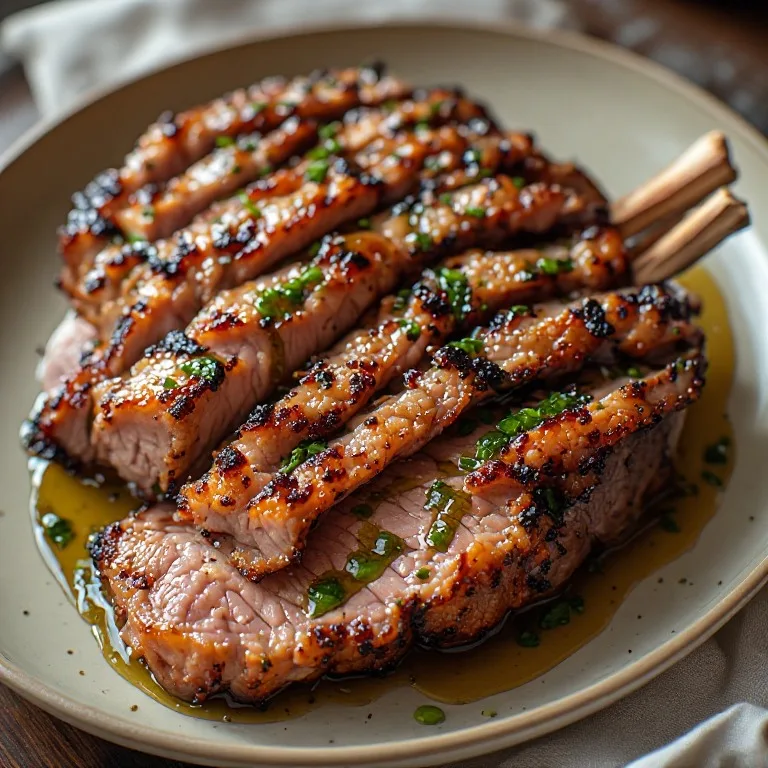
Quick answer: Score the skin of a bone-in loin-belly pork chop (chuleta can can cut) in a crosshatch pattern. Make recaito: blend 1 cup packed culantro or cilantro leaves, 6 ají dulce or ½ green bell pepper, 4 garlic cloves, ½ a small onion, 1 cubanelle pepper, and 1 teaspoon kosher salt until smooth. Coat the meat and bone sides with recaito + 1 teaspoon ground coriander + ½ teaspoon black pepper — keep the skin free of marinade so it dries and crisps cleanly. Refrigerate uncovered 2 hours or overnight. Remove 30 minutes before cooking; pat the skin completely dry with paper towels. Heat 2 inches of neutral oil in a heavy pot to 375°F. Lower the chop in skin-first and fry 4 to 5 minutes until the skin is deeply golden, bubbling, and just beginning to flare from the bone. Transfer skin-up to a wire rack set over a rimmed sheet pan. Roast in a 425°F oven 10 to 14 minutes until the internal temperature reaches 145°F. Rest 5 minutes. Make culantro oil: blend ½ cup packed culantro or cilantro leaves, ⅓ cup neutral oil, 1 garlic clove, and ¼ teaspoon salt until smooth. Make pork jus: pour the sheet-pan drippings into a small saucepan, add ½ cup chicken stock, simmer 2 minutes, and strain. Carve the loin meat off the bone, slice it thick with the crisp skin still attached, fan the slices skin-up so the crackling flares wide, and drizzle first with the jus then the culantro oil.

Kabawa Chuleta Can Can (Crispy Puerto Rican Pork Chop)

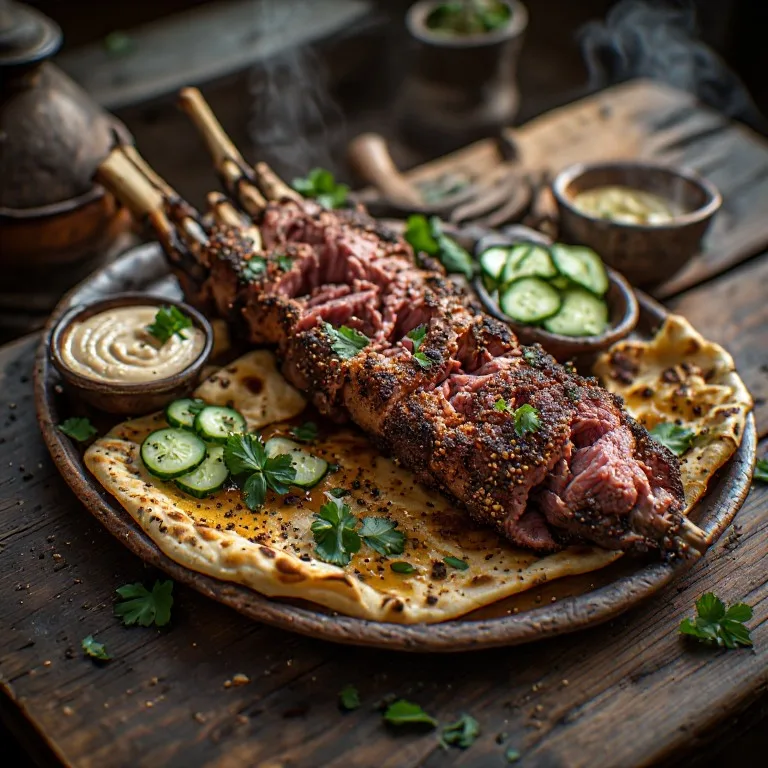
Chef Paul Carmichael's Chuleta Can Can from Kabawa — America's #1 restaurant 2026 — made at home. A bone-in loin-belly pork chop marinated in recaito, then fried skin-first until it flares like a cancan skirt, finished in the oven, and served with pork jus and vivid culantro oil.

Medium Prep: 30 min (plus 2–24 hr marinate) Cook: 25 min Total: 24h 55m4 servings ~$4.50/serving
Prep30 min (plus 2–24 hr marinate)
Cook25 min
Total24h 55m
Servings
4
At home~$4.50/serving
vs
Restaurant~$20.25/serving
You save ~78%

The Story Behind the Recipe

Paul Carmichael grew up in Barbados, cooked his way through Michelin kitchens in Sydney as executive chef of Momofuku Seiobo, and then spent three years living in Puerto Rico — cooking alongside families in their home kitchens, eating at roadside fondas, learning the island from the inside. The dish that grabbed him was the chuleta can can: a bone-in pork chop cut to include both the loin and a strap of pork belly with the skin still attached. The name comes from the way the crispy skin flares outward from the bone when it hits the hot oil, fanning like a cancan dancer's pleated skirt. Every Puerto Rican town has a roadside spot famous for theirs. Carmichael ate them obsessively. In 2025, he opened Kabawa at 8 Extra Place in the East Village with the Momofuku team — a pan-Caribbean prix fixe celebrating the diverse cooking of the West Indies. The chuleta can can became the signature. In 2026, Food & Wine named Kabawa the Best Restaurant in America. Bon Appétit went further and simply called Carmichael's version America's Best Pork Chop.

At Kabawa the chop is seasoned with recaito — Puerto Rico's herb-forward sofrito base built on culantro, a long serrated leaf more pungent than cilantro — plus coriander and black pepper, then roasted to exactly medium. The skin is fried first, separately, until it crisps and flares. It is sliced at the table and spooned with a clean pork jus and a vivid green culantro oil. A seat at the three-course prix fixe runs $150 before drinks, tax, and tip; the ingredients to make this at home for four run $22 to $26. The technique is straightforward once you understand the two key rules: the skin must be completely dry before it hits the oil, and the recaito must stay off the skin or it will steam rather than fry.

Nutrition Facts

Per serving (4 servings)
Calories680
Total Fat50g
Total Carbs4g
Dietary Fiber1g
Sugars2g
Protein52g
Sodium810mg

* Estimated values based on standard recipe preparation. Actual values may vary.

Ingredients

  • For the recaito marinade
  • For the chops
  • For the pork jus
  • For the culantro oil

Instructions

💡
Pro tip: This recipe tastes even better the next day. The flavors need time to meld together in the fridge.
❄️
Storage: Keeps in an airtight container in the fridge for up to 2 weeks. Freezer-friendly for up to 3 months.
🎃 Free Halloween cookbook — download now The Copycat Halloween Cookbook A ready-made, photo-illustrated PDF of our best halloween copycat recipes — free to download, no building required. Pay what you want to support if you love it.

Free PDF — instant download. We'll also send new seasonal copycat recipes now and then; unsubscribe anytime. Or just download it →

The most decorated restaurant in America in 2026 serves a pork chop. Not a composed plate of many things — a single bone-in chop with a strap of pork belly, seasoned with recaito, and fried until the skin fans outward from the bone in a wide, crackling skirt. That is Kabawa’s Chuleta Can Can, and it is what you want to make at home.

What Makes This Pork Chop Different

Most pork chops sold at supermarkets are cut from the loin only: tender, lean, and relatively forgiving. The chuleta can can cut extends lower, through the ribs, to include a strap of pork belly with the skin still attached. When the skin hits 375°F oil, the water in the subcutaneous fat layer converts to steam, the skin bubbles aggressively, and then — as the fat renders out — it firms and crisps and pulls away from the bone edge, flaring outward into the pleated shape that gives the dish its name. “Can can” is not a translation of something else; it is literally named after the cancan dancer’s skirt.

Chef Paul Carmichael encountered this dish during three years in Puerto Rico, eating at roadside fondas where the chuleta can can is a regional obsession — nearly every coastal town has a place known for theirs. He adapted it for Kabawa’s fine-dining context by applying a recaito marinade (recaito is Puerto Rico’s herb-forward sofrito base, built on culantro, a different and more pungent plant than cilantro) and finishing the roasted meat with both a clean pork jus and a vivid culantro oil. The technique is direct and teachable. The results are genuinely spectacular.

The Two Non-Negotiable Rules

Rule one: the skin must be bone-dry before frying. If there is moisture on the skin surface, it converts to steam on contact with the oil and the skin will steam and soften rather than fry and crisp. The recaito marinade goes only on the meat side — never the skin. After marinating, the chop rests uncovered in the refrigerator overnight so the skin’s surface dries. Then you pat it with paper towels before frying. This is not extra caution; it is the mechanism.

Rule two: the oil must be at the right temperature. Too cold (below 350°F) and the skin absorbs oil before it can crisp — the result is greasy, not crispy. Too hot (above 400°F) and the skin scorches on the outside before the fat renders underneath. 375°F is the target. The skin will bubble violently for the first 30 seconds, then settle into an even, controlled sizzle that tells you the temperature held and the fat is rendering properly.

The Cut

Get the right pork. This recipe is written for the authentic chuleta can can cut: bone-in, with loin, rib, and belly strap all attached, skin on. A Latin butcher will know exactly what to cut. A specialty or whole-animal butcher can make it to your specifications: bone-in loin chop extended through the ribs to include the belly with skin, about 1 to 1.5 inches thick. If you use a standard bone-in loin chop, you will get an excellent recaito pork chop — just without the dramatic flared skin effect that defines the presentation.

Recaito vs. Sofrito

Recaito is the raw herb base that Puerto Rican cooks use as a starting point for almost everything: a blend of culantro, ají dulce (small sweet peppers that look like habaneros but carry zero heat), cubanelle pepper, garlic, and onion. It is used as a marinade here, applied directly to the meat. The key ingredient is culantro — not cilantro. Culantro (Eryngium foetidum) is a long, serrated, tough leaf used throughout the Caribbean and Southeast Asia, more pungent and persistent in heat than its cousin cilantro (Coriandrum sativum). Find it at a Latin or Caribbean grocery. If you cannot, cilantro works and the flavor will be gentler but still authentic to the family of dishes this comes from.

The Pork Jus and Culantro Oil

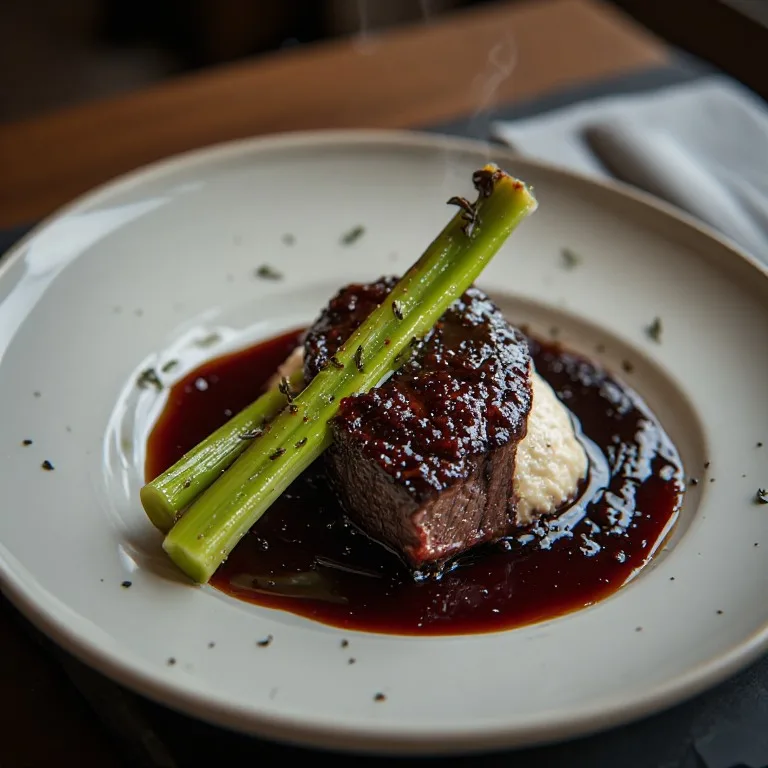
After the oven finish, the sheet pan holds rendered pork fat and fond — the caramelized bits that stick to the foil. That is your pork jus starting point: deglaze with chicken stock, simmer briefly, and strain. It is not a refined sauce; it is a quick, clean, meaty liquid that pools under the sliced chop and draws the culantro oil into it.

The culantro oil takes under two minutes: leaves, neutral oil, a clove of garlic, salt, and a blender. It is the fresh acid counterpart to the fried, roasted pork — vivid green, herby, slightly sharp. Do not skip it. At Kabawa the combination of clean pork jus and bright herb oil is what makes the dish a restaurant dish rather than a very good chuleta can can from any fonda.
🥗

Make It Healthier

Love Kabawa Chuleta Can Can (Crispy Puerto Rican Pork Chop) but want a lighter version? Try these simple swaps:

  • ✓Ask the butcher to remove most of the outer subcutaneous fat layer from the belly section, leaving a thin even cap — the skin still crisps but with fewer total calories from rendered fat (saves roughly 80 to 120 calories per chop).
  • ✓Serve with tostones (green plantain fried in a small amount of avocado oil) instead of fried maduros to keep the sweetness low and the carbs plant-based and unrefined.
  • ✓Use the culantro oil generously in place of butter-based sauces — herb oils deliver flavor and good unsaturated fats, and a tablespoon has roughly the same calories as butter but a dramatically different nutritional profile.
  • ✓Rest the fried chop on a wire rack for the full 5 minutes before plating — this lets excess surface fat drip away rather than pooling under the meat, and the skin stays crispier anyway.

Frequently Asked Questions

What is Chuleta Can Can and why is the Kabawa version called America's Best Pork Chop?

Chuleta Can Can is a classic Puerto Rican preparation built around a special cut: a bone-in pork loin chop that extends through the ribs to include a strap of pork belly with the skin still attached — not a standard supermarket chop. The name means 'cancan pork chop' and refers to the way the skin fans outward from the bone when it hits hot oil, mimicking the pleated skirt of a cancan dancer. The dish is a Puerto Rican roadside staple; nearly every coastal town has a fonda famous for theirs. Chef Paul Carmichael of Kabawa encountered it during three years living in Puerto Rico, became obsessed with its specific pleasure — crisp exterior skin, fatty belly, lean loin — and brought his version to his East Village prix fixe restaurant. In 2026, Food & Wine named Kabawa the Best Restaurant in America, and Bon Appétit separately named Carmichael's version America's Best Pork Chop, creating a wave of search interest in how to replicate it at home.

Where do I buy a chuleta can can cut — can I use a regular pork chop?

The authentic chuleta can can cut is a bone-in loin chop that includes a strip of pork belly and skin attached below the loin muscle. It is not stocked at most supermarkets. Your best options are: (1) a Latin or Caribbean butcher — just ask for 'chuleta can can,' they will know exactly what it is; (2) a whole-animal or specialty butcher — ask for a 'bone-in pork loin chop with belly strap and skin attached,' roughly 1 to 1.5 inches thick; (3) an Asian supermarket with a full-service butcher counter. If you absolutely cannot find it, a thick-cut bone-in pork loin chop from a standard supermarket will work for the flavor profile — you will lose the dramatic flared skin effect but the recaito-and-culantro-oil preparation is still excellent. The dish Carmichael grew up eating typically weighed 14 to 18 ounces per chop, bone-in.

What is recaito and how is it different from sofrito?

Recaito is Puerto Rico's herb-forward cooking base: a blend of culantro, ají dulce (sweet mini peppers), garlic, onion, and cubanelle pepper, typically green in color. Sofrito is the broader Latin term for an aromatic base cooked in oil — in Puerto Rico, sofrito is often made by cooking recaito in oil with tomato and annatto (achiote). For this recipe you make and use raw recaito directly as a marinade, so you get the fresh herb character rather than a cooked-down base. The key ingredient is culantro (Eryngium foetidum) — a long serrated leaf, also called recao, shadow beni, or Mexican coriander — which is more intense and pungent than regular cilantro (Coriandrum sativum). They are different plants. If you cannot find culantro at a Latin grocery, use cilantro stems and leaves in the same amount; the flavor will be milder but the preparation still works.

Why must the skin be completely dry before frying — what happens if it's wet?

When wet skin hits hot oil, the surface moisture converts instantly to steam, which creates a violent boil at the oil surface rather than allowing the skin to make sustained contact with the hot fat. The result is skin that steams and softens rather than fries and crisps. The same applies to the recaito marinade: its moisture content will prevent crisping if it coats the skin. The solution is to marinate with recaito only on the meat and bone sides, keep the skin bare, and then refrigerate the chop uncovered for at least 2 hours (overnight is better) so the surface of the skin dries completely. Before frying, pat the skin one more time with paper towels. A properly dried skin will immediately stop bubbling violently when it enters the oil and will develop a controlled, even fry within 4 to 5 minutes.

Can I make this without a deep fryer — is there an oven-only method?

Yes. The no-fryer method sacrifices some of the spectacular skin-flaring drama but produces genuinely excellent, very crispy skin. Season and dry the chop as directed. Preheat the oven to 450°F. Place the chop skin-side up on a wire rack over a rimmed sheet pan — the rack lifts it off the pan so hot air circulates around the skin. Roast at 450°F for 30 to 40 minutes until the skin is golden and starting to blister, then switch to the broiler on high for 4 to 6 minutes, watching continuously, until the skin is deeply charred in spots and fully crispy. Internal temperature target is 145°F. The skin will not flare as dramatically as it does when fried, but it will be genuinely crunchy and the fat will render completely.

What is culantro oil and can I substitute regular herb oil?

Culantro oil is a finishing herb oil made by blending culantro leaves (or cilantro) with neutral oil, garlic, and salt until smooth — a vivid green, intensely fragrant oil that provides freshness and acidity against the rich fried pork. You can substitute any fresh herb oil you prefer: parsley oil, cilantro-lime oil, or a blend of cilantro and scallion. The important point is that the oil should be bright and fresh-tasting, not cooked down. If you have a blender or immersion blender, it takes under 2 minutes. If you want a cleaner-looking oil, strain it through a fine-mesh sieve after blending — you'll lose some body but gain a transparent jewel-like green.

What internal temperature should the pork reach — won't Puerto Rican chuleta be more well-done?

Traditional Puerto Rican chuleta can can at roadside fondas is typically cooked well-done, which renders the fat fully and crisps the skin all the way through. Carmichael's Kabawa version takes a fine-dining approach: he roasts to 'about medium,' which the USDA has approved as safe for whole-muscle pork since 2011 (the new safe minimum is 145°F with a 3-minute rest, down from the old 160°F guideline). At 145°F the loin is juicy and barely pink at the center; the belly section renders its fat but stays tender. If you prefer the traditional well-done Puerto Rican preparation, take the internal temperature to 160°F — the loin will be firmer and the skin will render even more completely. Both are correct; they are different textures.

What does Kabawa serve with the chuleta can can and what should I serve at home?

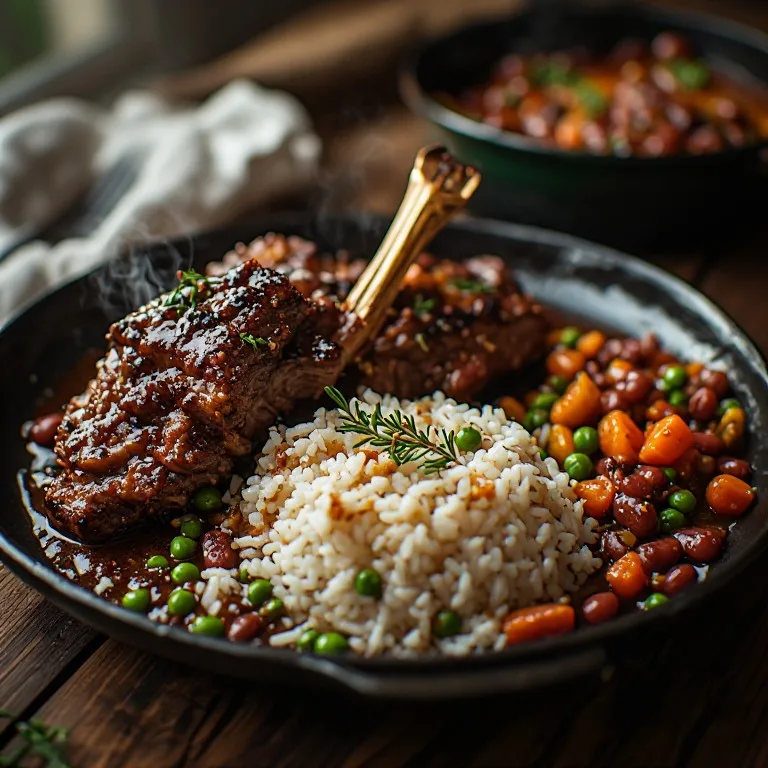
Carmichael serves the chuleta can can with recaito rice and seasonal Caribbean vegetables at Kabawa, though the exact sides rotate on the prix fixe menu. For home service, traditional Puerto Rican accompaniments to chuleta can can include: arroz con gandules (rice with pigeon peas), tostones (twice-fried green plantain), maduros (sweet fried ripe plantain), or arroz con maíz. Any starchy side that can carry the pork jus and soak up the culantro oil works well. A simple green salad dressed with lime juice cuts the richness of the fried skin. Avoid creamy or dairy-heavy sides — they compete with the clean, herb-forward culantro oil.

Love this recipe? Share it!

Free PDF: our 12 most-wanted copycat recipes — instant download.

Made it? Buy us a coffee

Every recipe here is free, with no paywalls. If this one was a hit at your table, a small tip keeps new copycats coming.

$

Kabawa is a trademark of its owner, used here only to describe the dish this recipe recreates. This is an independent copycat written in our own words — Copycat Spices is not affiliated with, endorsed by or sponsored by Kabawa.

Ratings & Reviews

—
No ratings yet

Rate this recipe

Click a star to rate

Leave a Review

0/500

CS

Copycat Spices Editorial

Researched + fact-checked. Every recipe on Copycat Spices is built from published sources — official ingredient lists, brand-published recipes, interviews and food-science references — and fact-checked before it goes live, then written as clear, step-by-step instructions for home cooks of all skill levels.

Learn more about our mission →