

Pin It

The Dutch NYC Apple Pie (The Pre-Cooked Filling Technique That Changes Everything)

The Dutch NYC Apple Pie (The Pre-Cooked Filling Technique That Changes Everything)
Jump to Recipe
Prep 40 min active + 1 hr chill Cook 55 min Serves 8 slices
Quick answer: Pre-cook the apple filling before it ever touches the crust: peel and slice 3 pounds of Granny Smith apples, macerate with ¾ cup sugar for 15 minutes, cook in butter until just softened (8–10 minutes), add lemon juice, cinnamon, allspice, and a cornstarch slurry to thicken, then cool completely — at least 1 hour at room temperature or 30 minutes in the refrigerator. Build the double crust from 2½ cups flour, 2 sticks cold butter, and 6–8 tablespoons ice water; pack the cold filling into the bottom crust, top with the second sheet, brush with egg wash, and scatter coarse turbinado sugar over the top. Bake at 400°F for 25 minutes, reduce to 375°F, and bake 30–35 minutes more until the crust is deeply golden and the filling is visibly bubbling. Rest 2 hours before slicing. Serve with cinnamon ice cream.

The Dutch NYC Apple Pie (The Pre-Cooked Filling Technique That Changes Everything)

The Dutch in SoHo became NYC's best apple pie because pastry chef Kierin Baldwin refused to put raw apples in her crust. Pre-cooking the filling first — macerating the slices in sugar, cooking them until just soft, then cooling completely before they touch the dough — eliminates the gap, the crunch, and the watery bottom crust that plague most homemade pies.

Intermediate Prep: 40 min active + 1 hr chill Cook: 55 min Total: 2h 35m8 slices servings ~$4.50/serving
Prep40 min active + 1 hr chill
Cook55 min
Total2h 35m
Servings
8
At home~$4.50/serving
vs
Restaurant~$20.25/serving
You save ~78%

The Story Behind the Recipe

The Dutch in SoHo became NYC's best apple pie because pastry chef Kierin Baldwin refused to put raw apples in her crust. Pre-cooking the filling first — macerating the slices in sugar, cooking them until just soft, then cooling completely before they touch the dough — eliminates the gap, the crunch, and the watery bottom crust that plague most homemade pies.

Nutrition Facts

Per serving (8 slices servings)
Calories420
Total Fat21g
Total Carbs55g
Dietary Fiber3g
Sugars28g
Protein4g
Sodium220mg

* Estimated values based on standard recipe preparation. Actual values may vary.

Ingredients

  • For the double crust
  • For the pre-cooked apple filling
  • To serve

Instructions

💡
Pro tip: This recipe tastes even better the next day. The flavors need time to meld together in the fridge.
❄️
Storage: Keeps in an airtight container in the fridge for up to 2 weeks. Freezer-friendly for up to 3 months.
🎃 Free Halloween cookbook — download now The Copycat Halloween Cookbook A ready-made, photo-illustrated PDF of our best halloween copycat recipes — free to download, no building required. Pay what you want to support if you love it.

Free PDF — instant download. We'll also send new seasonal copycat recipes now and then; unsubscribe anytime. Or just download it →

Andrew Carmellini opened The Dutch in SoHo in 2011, and by 2012 the New York Times had declared his pastry chef Kierin Baldwin “probably the current champion of New York City’s great bakers.” The cause was the pie.

Baldwin had a strong opinion about American apple pie: raw apples going into a crust was the reason home pies disappoint. The apples release their water during baking, the filling shrinks and gaps from the top crust, the bottom crust turns to wet dough, and the apple pieces in the center are still slightly crunchy even after an hour in the oven. Her solution — pre-cooking the filling before it ever touches the dough — is not complicated, but it requires 20 minutes of extra work that most recipes skip.

The result became a New York institution: a double-crust pie with crisp, flaky pastry, a sugar-crystal topping, and a filling with actual apple structure and tartness. Served at The Dutch with cinnamon ice cream and eaten warm, it is one of those dishes that explains why people make reservations at restaurants.

TL;DR: The one thing that sets The Dutch’s apple pie apart is that the filling is cooked and cooled completely before it goes into the crust. Macerate 3 pounds of Granny Smith slices in sugar, cook them in butter until just tender, thicken the juices with a cornstarch slurry, add cinnamon and allspice, then cool the filling to room temperature. Build an all-butter double crust, fill it cold, brush with egg wash, top with coarse turbinado sugar, and bake at 400°F for 25 minutes then 375°F for 30–35 more. Rest 2 hours before slicing.

Three Mistakes That Produce a Mediocre Apple Pie

Raw Apples in the Crust

Every quality failure in apple pie traces back to this: tossing raw fruit into raw dough and baking both at once. Raw apples contain 85 percent water. That water leaves the apple as steam during baking — after the crust is already set — producing three simultaneous problems. The apples shrink, pulling away from the top crust and creating a hollow dome above a compressed, sunken filling. The released steam and juice saturate the bottom crust. And the apple pieces in the center, insulated by the dough and filling around them, take longer to cook than the edges, leaving a textural inconsistency throughout.

Pre-cooking solves all three. You control how much you cook the apples. The released water is driven off in the pan. The cornstarch captures the remaining juice in a stable gel that doesn’t migrate into the crust. What goes in the oven is already at its final moisture level — the crust can brown without fighting a water problem.

One-Dimensional Spicing

American apple pie recipes overwhelmingly reach for cinnamon and nothing else. Cinnamon is correct but insufficient. Allspice — just ¼ teaspoon — adds warmth and a slight clove-adjacent depth that cinnamon alone cannot produce. A small pinch of nutmeg contributes a background aromatic note without announcing itself. The total spice presence is restrained; this is not a holiday spice blend. The apple should still taste like apple. The spices are there to support it.

Not Cooling the Filling Before Assembly

Pre-cooking the filling is only half the technique. The other half is cooling it to room temperature — or colder — before it touches the crust. Warm filling melts the butter in the bottom crust, and a butter-saturated crust is an oil-soaked crust. The structure is gone before the pie even enters the oven. Spread the cooked filling on a rimmed baking sheet to accelerate cooling, or refrigerate it. A cold filling going into cold dough is the correct starting condition.

The Crust

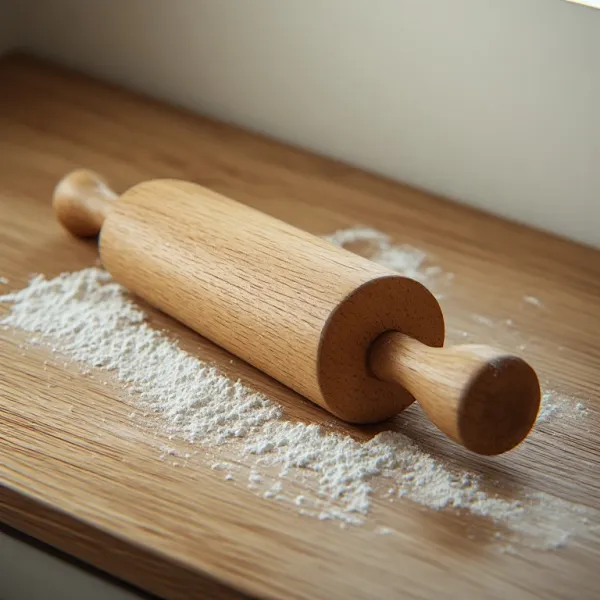
The Dutch’s crust is an all-butter double crust: no shortening, no lard. All-butter crusts are flakier and more flavorful than mixed-fat crusts, but they require colder handling because butter melts faster than lard at room temperature. The keys are cold butter (cut into cubes and refrigerated until the moment of use), minimal handling (you want visible butter pieces in the dough, not fully incorporated fat), and sufficient chilling time before rolling — at least 1 hour.

The visible sugar crystals on the top are a signature finishing detail. Turbinado or demerara sugar, coarser than granulated, doesn’t fully dissolve during baking. The crystals remain slightly intact, adding a light crunch to each bite of crust and giving the baked pie a lightly sparkling, bakery-case appearance that fine sugar cannot replicate.

The Filling

Three pounds of Granny Smith apples, sliced ¼ inch thick. Not ⅛ inch (too thin — they will overcook), not ½ inch (too thick — they will take too long). The ¼-inch slice is the correct size for the pre-cooking window that achieves firm-tender without mushy.

The maceration step — tossing the slices with sugar and resting 15 minutes — draws out a puddle of apple juice before you start cooking. This is not a wasted step: that juice releases in the pan, under your control, rather than releasing inside the crust.

The acid comes in at the end of cooking: 1½ tablespoons of fresh lemon juice. Acid does two things here. It keeps the sweetened apples from tasting cloying, and it is part of why The Dutch’s pie registers as tart and apple-forward rather than sugar-forward.

The cornstarch slurry, added in the last 2 minutes of cooking, thickens the remaining juices into a clear, glossy gel. This is what holds the filling together when the pie is sliced.

What the Finished Pie Should Look Like

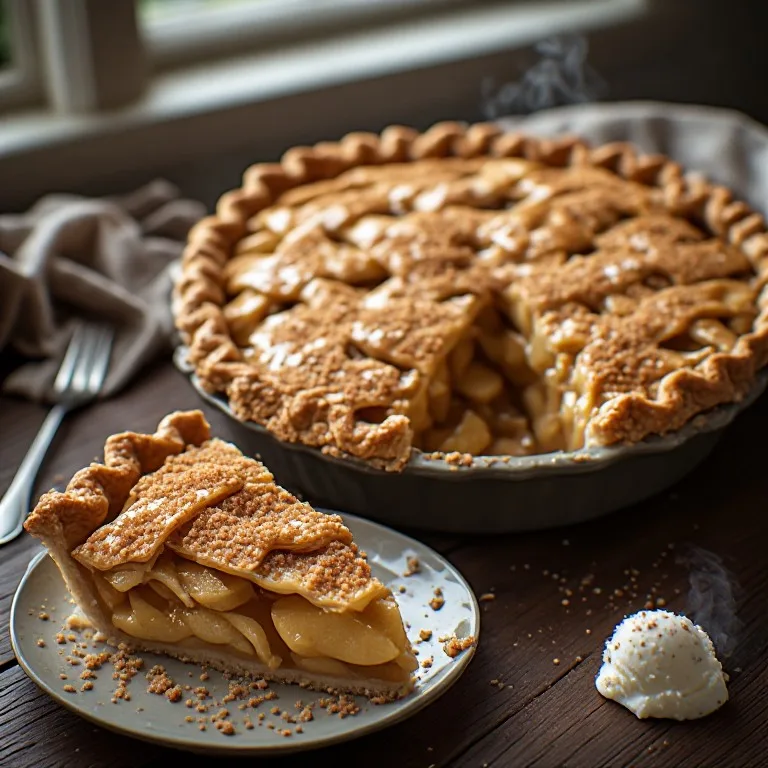
The top crust is a deep amber — not golden, not pale, but genuinely brown with a few darker spots at the edges and where the crimping is thicker. The coarse sugar crystals are visible. If you can see steam bubbling through the vents during baking, the pie is close to done. The crust edge holds its shape cleanly and does not droop.

Inside, the apples hold their form as distinct pieces with some firmness — not a smooth puree, not crunchy raw slices, but cooked pieces with bite. The sauce holding them together is thick and glossy, not runny. A clean slice holds when cut.

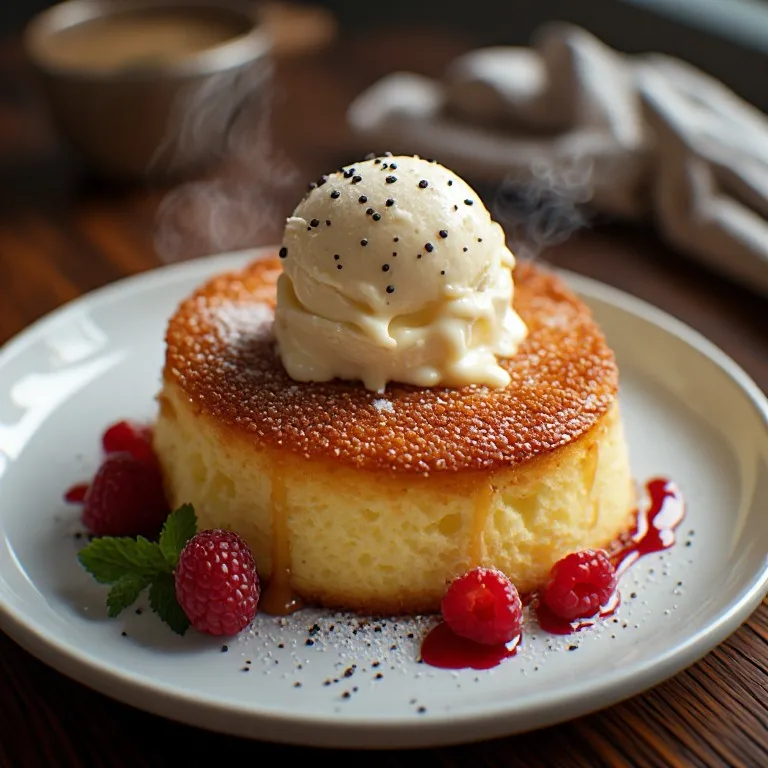
Serve it warm with cinnamon ice cream, and if you make it the night before and reheat slices the next day, you will find it is even better — the filling fully set, the crust crisped by the overnight rest.
🥗

Make It Healthier

Love The Dutch NYC Apple Pie (The Pre-Cooked Filling Technique That Changes Everything) but want a lighter version? Try these simple swaps:

  • ✓Reduce the filling sugar to ½ cup — the Granny Smiths are tart and can carry less sweetness; start there and taste the cooked filling before deciding if you want to add more.
  • ✓Replace 2 tablespoons of the crust butter with cream cheese — the flavor is essentially identical but the fat structure absorbs moisture slightly differently, which helps the bottom crust stay crisper without adding calories overall.
  • ✓Serve with a smaller scoop of ice cream or substitute a spoonful of full-fat plain yogurt with a pinch of cinnamon stirred in — the tang complements the pie similarly to cinnamon ice cream at a fraction of the calories.

Frequently Asked Questions

Why does pre-cooking the apple filling make such a difference?

Raw apple slices contain a lot of water that only releases during baking — and by then the crust is already set and done. The result is a three-part failure: the apples shrink as they release steam, leaving a gap between filling and top crust; the released water makes the bottom crust soggy; and the apples can still be slightly crunchy in the center even after an hour of baking. Pre-cooking solves all three problems at once. You control how much the apples cook (firm-tender, not mushy), you drive off most of the water before it can saturate the crust, and the starch slurry added at the end of cooking captures the remaining juices in a gelled, stable sauce that holds its structure when baked and cut. The filling goes into the crust already at its final moisture level — nothing catastrophic happens inside the oven. This is the technique that made The Dutch's pie feel different from every other NYC apple pie: no gap, no sogginess, no crunchy pieces.

What apple variety does The Dutch use — and can I use other apples?

Granny Smith is the baseline: tart, firm, and structurally stable under heat. They hold their shape through pre-cooking better than most other varieties and stay tart even after the sugar maceration, which is why the pie tastes genuinely acidic rather than sweet-only. You can use a mix — adding one-third Honeycrisp or Braeburn gives sweetness and a slightly more aromatic apple flavor — but do not use Red Delicious or McIntosh, which collapse to mush under heat. If you use a mix, pre-cook the varieties separately (Honeycrisp softens faster) and combine at the end. The standard, single-variety choice is Granny Smith because it's consistent and predictable.

What spices go in the filling — is it just cinnamon?

No. The layered spice profile is one of the small things that separates a restaurant-quality apple pie from a home recipe. The base is 1½ teaspoons ground cinnamon, which most recipes get right. The addition is ¼ teaspoon ground allspice — a spice that contributes warmth, slight clove-adjacent complexity, and a deeper background note that cinnamon alone cannot produce. A small pinch (⅛ teaspoon) of freshly grated nutmeg rounds out the edges. The total spice quantity is restrained enough that the apple flavor remains primary; you want to enhance the apple, not make it taste like a candle.

The Dutch served the pie with cinnamon ice cream — how do I make that at home?

The simplest method: soften 1 pint of high-quality vanilla ice cream on the counter for 8 to 10 minutes until it's workable but not melted, transfer to a bowl, fold in ½ to ¾ teaspoon of ground cinnamon and a small pinch of flaky salt, re-pack into the container, and refreeze at least 2 hours. The cinnamon blooms into the fat in the ice cream while it re-hardens, producing a flavor that tastes made, not stirred-in. Use high-fat vanilla ice cream (Häagen-Dazs or a local brand with real cream and egg yolks) — the fat carries the cinnamon flavor. Alternatively, Häagen-Dazs makes a cinnamon ice cream in select markets. The combination of warm pie with cold cinnamon ice cream is the intended way to serve this dessert.

Why is the sugar on top coarse — and does it matter?

The coarse turbinado or demerara sugar is not decorative — it creates the 'sublime sprinkling of sugar crystals' that reviewers consistently mention about The Dutch's pie. Fine granulated sugar dissolves into the egg wash during baking and disappears. Coarse sugar crystals remain partially intact, giving the top crust a visible, lightly crunchy texture that contrasts with the tender interior. They also refract light in a way that makes the baked pie look inherently better. Brush the egg wash first, then scatter the coarse sugar immediately before the pie goes in the oven. Do not press it in — just scatter and let it sit. About 1 tablespoon total is sufficient.

How long does the pie need to rest before slicing — can I cut it warm?

Rest at least 2 hours at room temperature. Apple pie sliced too soon is a liquid mess — the pre-cooked filling sets properly as it cools, and the starch in the filling needs time to gel fully. A pie cut at 30 minutes post-oven will have a runny filling that soaks the bottom crust. At 2 hours it will hold a clean slice. For the best, cleanest slices, cool completely to room temperature (2–3 hours) before refrigerating, and serve the next day — overnight rest gives the filling perfect stability. For a warm serving, slice and then microwave individual pieces for 20–25 seconds, or rewarm the whole pie at 300°F for 15–20 minutes.

What's the story behind The Dutch and why did this pie become famous?

The Dutch is chef Andrew Carmellini's American neighborhood restaurant in SoHo, at 131 Sullivan Street, that opened in 2011. Carmellini is a two-time James Beard Award winner who cooked at Café Boulud and A Voce before going independent. The apple pie became a New York institution largely because of pastry chef Kierin Baldwin, who was at The Dutch from 2011 to 2014 and became one of the most talked-about pastry chefs in the city. The New York Times called her 'probably the current champion of New York City's great bakers' in 2012, specifically pointing to the pie. Baldwin's signature philosophy — never put raw apples in a crust — was a deliberate reaction against the American home-baking default, and the result was a pie that handled like a European tart but tasted unmistakably American.

My bottom crust is always soggy — does pre-cooking the filling fix that completely?

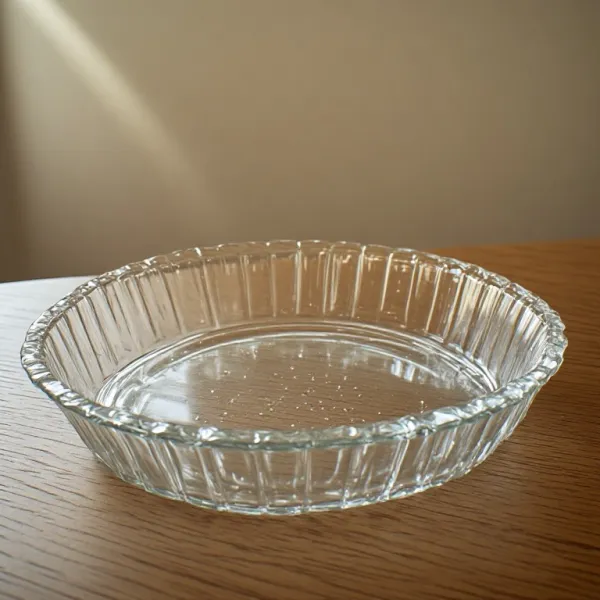
Pre-cooking eliminates the primary cause — filling water releasing during baking — but three additional steps reinforce a crisp bottom. First, bake at 400°F for the first 25 minutes rather than starting low; the initial high heat seals and browns the bottom before the filling has time to saturate it. Second, place the pie on the bottom rack of the oven, where the heat hits the bottom of the pan directly. Third, use a glass or dark metal pie pan rather than light aluminum — they absorb heat more efficiently and brown the bottom crust faster. If sogginess is a persistent issue, brush the interior of the raw bottom crust with a thin coat of egg white (not egg wash — just white) and refrigerate for 10 minutes before filling; the protein creates a temporary moisture barrier.

Love this recipe? Share it!

Free PDF: our 12 most-wanted copycat recipes — instant download.

Made it? Buy us a coffee

Every recipe here is free, with no paywalls. If this one was a hit at your table, a small tip keeps new copycats coming.

$

The Dutch is a trademark of its owner, used here only to describe the dish this recipe recreates. This is an independent copycat written in our own words — Copycat Spices is not affiliated with, endorsed by or sponsored by The Dutch.

Ratings & Reviews

—
No ratings yet

Rate this recipe

Click a star to rate

Leave a Review

0/500

CS

Copycat Spices Editorial

Researched + fact-checked. Every recipe on Copycat Spices is built from published sources — official ingredient lists, brand-published recipes, interviews and food-science references — and fact-checked before it goes live, then written as clear, step-by-step instructions for home cooks of all skill levels.

Learn more about our mission →