


The Polo Bar Burger (Ralph’s Special Sauce, Thick-Cut Bacon, Brioche)
Prep time: 10 min active (+ 30 min for sauce to chill) Cook time: 12 min Servings: 4
The dining room at 1 East 55th Street is in the basement of a Ralph Lauren store, and it has been one of New York’s hardest reservations since the day it opened in February 2015. Dark mahogany paneling, equestrian photographs, leather banquettes, and a floor-to-ceiling display of Polo collectibles — Ralph Lauren designed every detail of The Polo Bar himself, including what went on the menu.
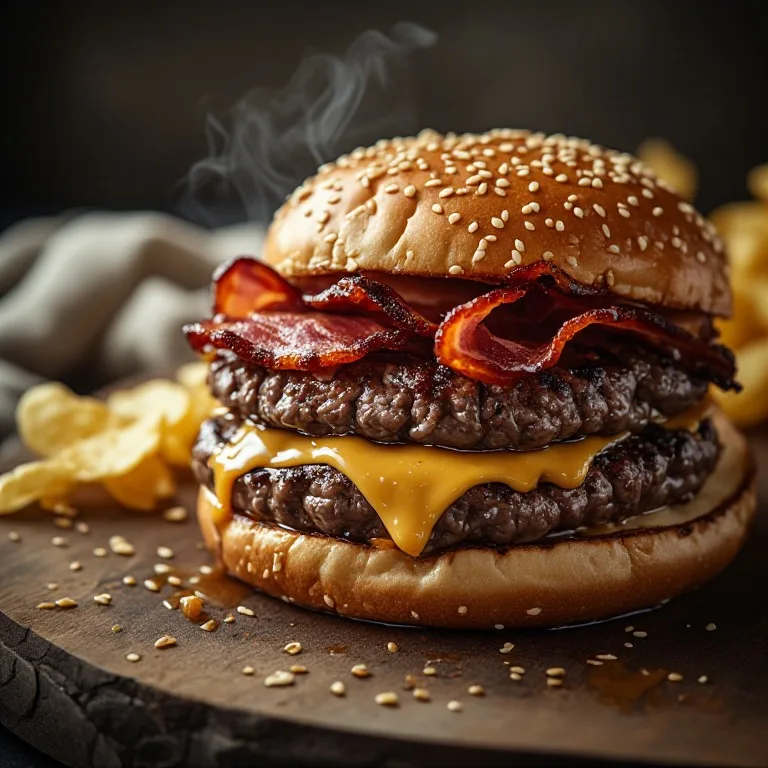
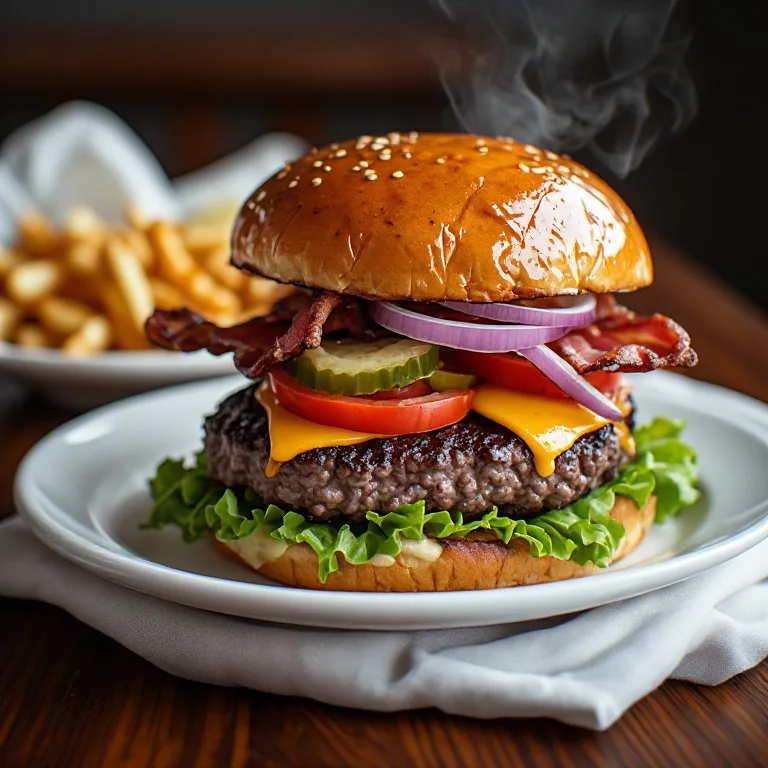
The burger was there from the beginning and never moved. A 6-ounce chuck patty on brioche with sharp cheddar, two strips of thick-cut bacon, green leaf lettuce, beefsteak tomato, red onion, pickles, and Ralph’s Special Sauce — a mayonnaise-ketchup base sharpened with cornichons, Worcestershire sauce, garlic powder, and Tabasco. It costs about $36 at the restaurant. At home, it costs about $11 per person and takes 20 minutes.
Ralph’s Special Sauce: What Makes This Burger Identifiable
The sauce is the identity of this burger. Most cheeseburger sauces are some variation of Thousand Island — sweet relish, mayo, ketchup — but Ralph’s Special Sauce uses cornichons alongside the relish, which adds a distinct brininess that pushes it away from the fast-food direction and toward something more precisely seasoned.
The full formula: one-half cup mayonnaise, one-third cup ketchup, two tablespoons sweet relish, one tablespoon finely chopped cornichons, one tablespoon finely chopped red onion, one teaspoon Worcestershire sauce, one-half teaspoon each garlic powder and onion powder, and one-quarter teaspoon Tabasco. Salt and pepper to finish.
Make this the night before. After 8 hours in the refrigerator, the cornichon brine distributes evenly into the mayo, the sharp raw-onion note mellows, and the Worcestershire binds with the ketchup into something with significantly more depth than it has when freshly mixed. Same ingredients, better result — the only cost is planning ahead by one day.
The Beef and the Sear: Two Things That Can’t Be Compromised
The Polo Bar uses 80/20 ground chuck — standard for restaurant burgers for a reason. Below 80/20 fat content, the patty dries out before the exterior develops adequate color. Above it, the crust is harder to build because fat renders too quickly and steams the bottom of the patty. 80/20 is the window where you can hold the skillet at high heat long enough to develop a deep-brown crust before the interior overcooks.
The pan matters more than most home cooks think. A cast iron skillet preheated over medium-high for two full minutes holds enough stored heat that when a cold 6-ounce patty lands on it, the sear begins immediately across the entire surface rather than just where the meat makes direct contact. A thin non-stick pan drops in temperature the moment the patty touches it and steams rather than sears the crust. If you have cast iron, use it. If you have heavy stainless steel, use that. Do not use a thin non-stick skillet for this.
Season the patties just before they go in the pan — not ten minutes ahead. Salt draws moisture to the surface of the meat, and moisture that pools on the surface of a patty before cooking creates steam that competes with the sear you are trying to build.
Cost Comparison: Restaurant vs. Home
The Polo Bar charges approximately $36 for the burger at dinner. The reservation wait runs two to four weeks for weekend evenings.
| The Polo Bar | Homemade (4 burgers) | |
|---|---|---|
| Per burger | ~$36 | — |
| Full batch (4 burgers) | ~$144 | ~$42–48 |
| Per serving | ~$36 | ~$10–12 |
| Savings per burger | — | ~$24–26 |
The primary variable at home is the ground beef. Freshly ground 80/20 chuck from a butcher costs more per pound than supermarket pre-packaged ground beef but produces a noticeably better crust and texture. Either works; the sauce compensates for a lot.
The Three Things Most Home Versions Get Wrong
1. Lukewarm pan
The single most common mistake. A skillet that is merely warm — rather than visibly smoking — produces a patty that steams in its own released moisture rather than searing. The result looks pale and tastes of boiled meat rather than browned beef. Preheat the cast iron for two full minutes and wait until the surface shimmers or smokes before the first patty goes in.
2. Moving the patty on the first side
The crust forms by sustained contact between the cold meat proteins and the hot metal. Moving, pressing, or checking the patty before four minutes have passed breaks that contact and interrupts the browning reaction. The patty will release cleanly from the pan when it is ready; if it sticks, it needs more time.
3. Under-chilled sauce
Ralph’s Special Sauce mixed and used immediately tastes sharp, a little raw from the onion, and flat from the individual components competing rather than integrating. The same sauce after a night in the refrigerator is considerably better — the brine from the cornichons and relish distributes into the mayo base, the onion mellows, and the Worcestershire and Tabasco settle into the background rather than sitting on top. The two-minute sauce works. The overnight sauce is what the restaurant serves.
Tips and Variations
- Cook the bacon first and use the fat. Leaving a thin film of bacon fat in the cast iron pan before the patties go in adds depth to the sear and ties the bacon and beef flavors together from the beginning. Pour off most of it but do not wipe the pan.
- Two slices of cheddar per patty, added after the flip. Covering the pan immediately traps the steam needed to melt the cheese fully in 2 to 3 minutes. Opening the lid to check before 2 minutes releases the steam and delays the melt.
- Do not skip the rest. Three minutes of rest after cooking is when the juice redistributes through the patty. Cut immediately and the juice runs into the board; wait three minutes and it stays in the burger.
- Toast the bun in the pan fat. The residual bacon and beef fat in the cast iron is enough to give the cut faces of the brioche bun a lightly crisp, golden surface that holds up to the sauce without immediately going soggy.
- Add cornichons whole as the pickle component. The Polo Bar uses sliced pickles in the burger, but substituting whole cornichons provides a sharper, more French-bistro character that echoes the cornichons in the sauce and makes the home version feel more deliberate.
Storage
Assembled burgers do not reheat well. Store components separately: cooked patties keep in the refrigerator for 2 days (reheat in a cast iron pan over medium, 2 minutes per side); Ralph’s Special Sauce keeps for 5 days covered in the refrigerator. Extra sauce is excellent as a dip for fries, a spread on sandwiches, or a base for egg salad.
More New York Burger Classics Made at Home
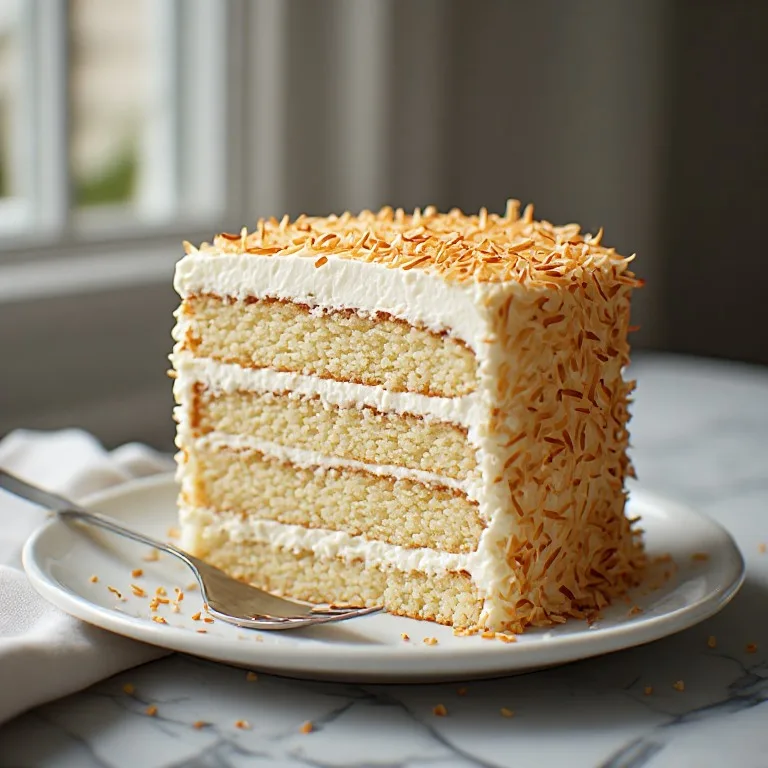
- The Polo Bar Coconut Cake — the five-layer coconut cake with cream cheese frosting that’s the other signature dish at 1 East 55th Street
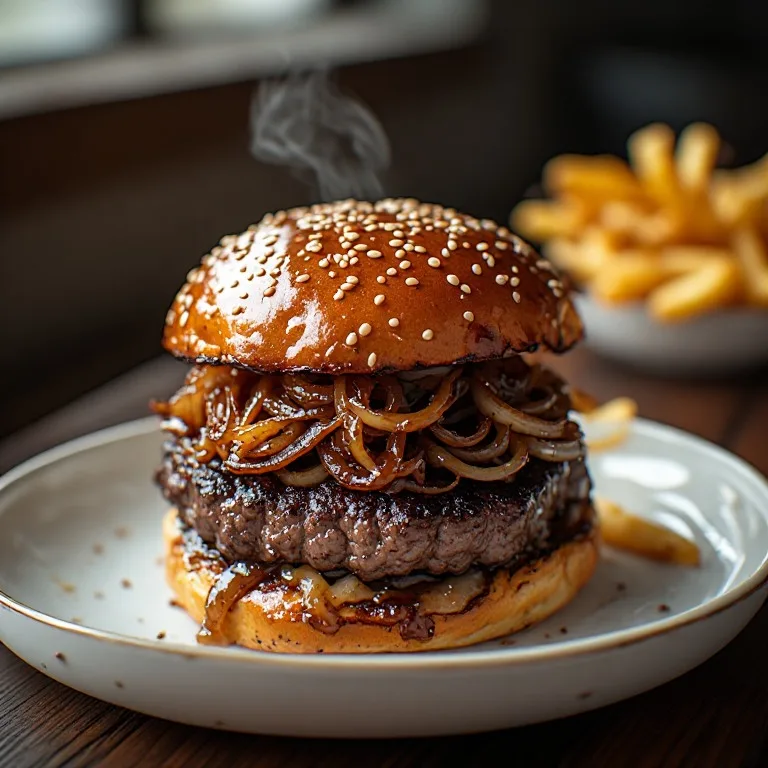
- Copycat Minetta Tavern Black Label Burger — dry-aged rib-eye and 90 minutes of caramelized onions, no cheese
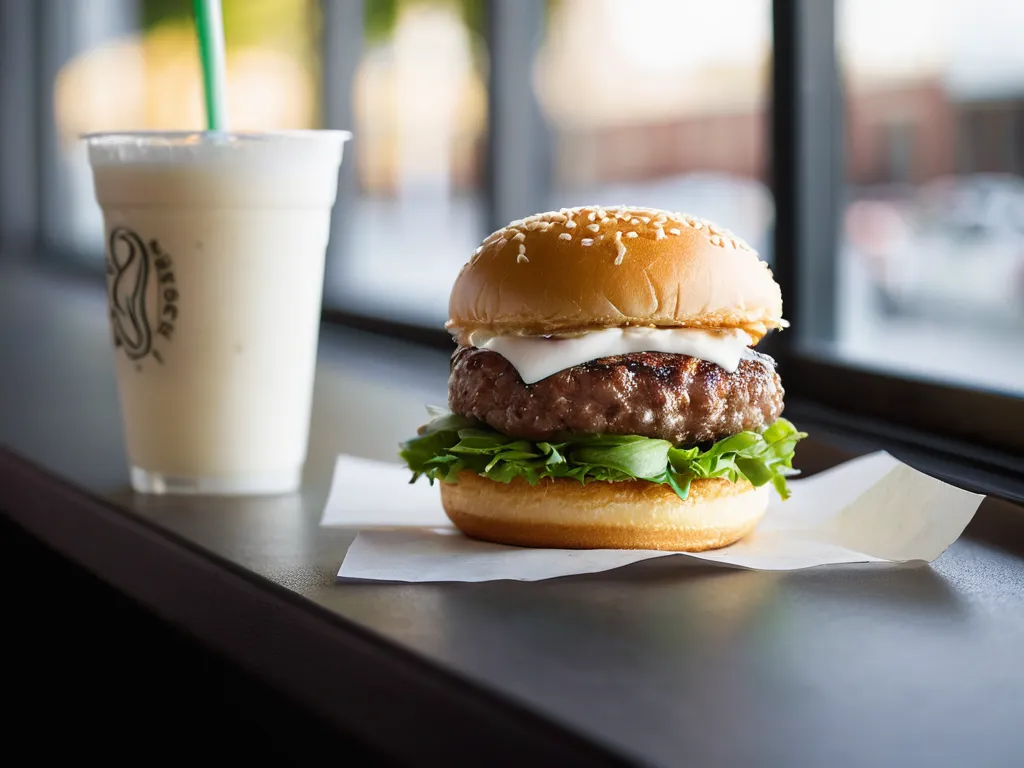
- Copycat Shake Shack Burger — ShackSauce, the smash technique, and why the griddle gap matters
- Copycat Gramercy Tavern Burger — the Danny Meyer version, served at the Tavern Bar