


Pin It

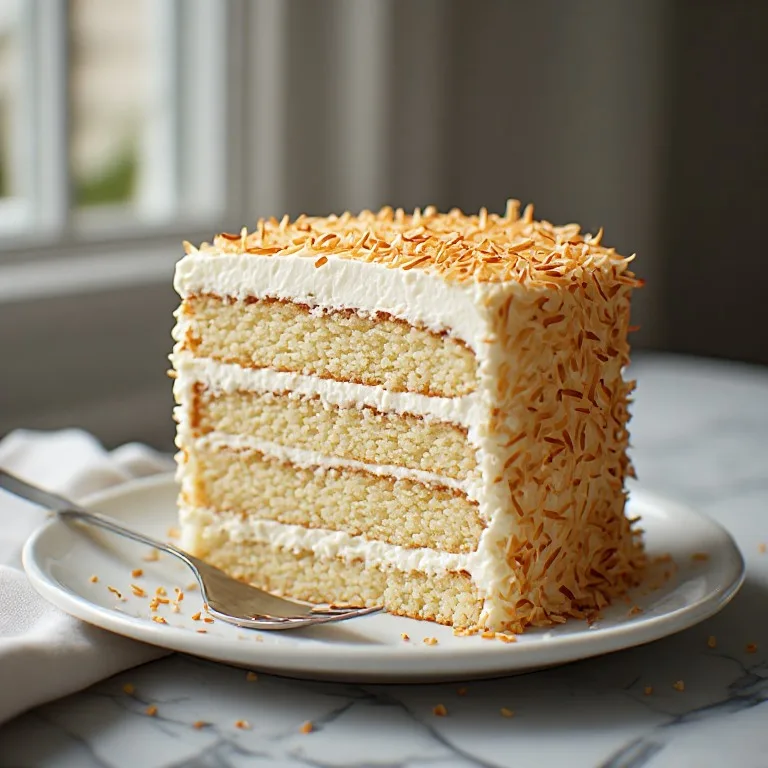
The Polo Bar Coconut Cake (5 Layers, Cream Cheese Frosting, Toasted Coconut)

The Polo Bar Coconut Cake (5 Layers, Cream Cheese Frosting, Toasted Coconut)
Jump to Recipe
Prep 45 min Cook 25 min Serves 12 to 16
Quick answer: Preheat oven to 350°F. Grease and flour five 9-inch round cake pans. Whisk 3 cups all-purpose flour, 3 tsp baking powder, and 1 tsp salt; set aside. Beat 4 large room-temperature eggs with 2 cups granulated sugar on medium-high for 4 to 5 minutes until pale, thick, and ribbon-stage. Mix in 2 tsp vanilla extract and 1 tsp coconut extract. Fold in the flour mixture in two additions. In a small saucepan, heat 1 cup whole milk and 1/2 cup (1 stick) unsalted butter until the butter melts and the mixture steams — do not boil. Slowly stream the hot milk into the batter while folding; this is the hot milk method that produces the fine, moist crumb the cake is known for. Fold in 3/4 cup sweetened shredded coconut. Divide batter evenly among the five prepared pans (about 1 1/4 cups per pan) and bake 18 to 22 minutes until a toothpick comes out clean. Cool in pans 10 minutes, then turn out onto wire racks and cool completely. For the frosting: beat three 8-oz packages of full-fat room-temperature cream cheese with 2 sticks softened butter on medium-high for 4 minutes until completely smooth and fluffy. Add 4 cups sifted powdered sugar, 2 tsp vanilla, and 1/4 tsp salt; beat until light. Add 2 to 3 tbsp heavy cream if needed to reach a thick but spreadable consistency. For the exterior: spread 2 cups sweetened shredded coconut on a baking sheet and toast at 350°F for 7 to 9 minutes, stirring twice, until golden and fragrant; cool completely. Stack the 5 layers, spreading about 2/3 cup frosting between each layer. Apply a thin crumb coat all over the outside; refrigerate 30 minutes. Apply the final generous frosting coat, then immediately press a mix of toasted and untoasted coconut onto the sides and top. Refrigerate at least 1 hour before slicing — the stack needs that time to set. One slice at The Polo Bar runs approximately $16, served with passion fruit sorbet. The full home cake serves 12 to 16 for about $25 to $30 total.

Shop the tools

Gear matched to this recipe. These are Amazon affiliate links — we may earn a small commission if you buy, at no extra cost to you.

As an Amazon Associate, Copycat Spices earns from qualifying purchases. Product images are generic illustrations, not the exact item listed.

The Polo Bar Coconut Cake (5 Layers, Cream Cheese Frosting, Toasted Coconut)

The Polo Bar's signature 5-layer coconut cake with cream cheese frosting — built on the hot milk method most copycats skip. Here is why the layer count matters more than anything else, and how to get the toasted coconut exterior right.

Intermediate Prep: 45 min Cook: 25 min Total: 1h 10m12 to 16 servings ~$4.50/serving
Prep45 min
Cook25 min
Total1h 10m
Servings
12
At home~$4.50/serving
vs
Restaurant~$20.25/serving
You save ~78%

The Story Behind the Recipe

The Polo Bar's signature 5-layer coconut cake with cream cheese frosting — built on the hot milk method most copycats skip. Here is why the layer count matters more than anything else, and how to get the toasted coconut exterior right.

Ingredients

  • Cake layers (makes five 9-inch round layers)
  • Cream cheese frosting
  • Coconut exterior

Instructions

💡
Pro tip: This recipe tastes even better the next day. The flavors need time to meld together in the fridge.
❄️
Storage: Keeps in an airtight container in the fridge for up to 2 weeks. Freezer-friendly for up to 3 months.
~350-550 cal/serving · Rich & Indulgent🔥
🎃 Free Halloween cookbook — download now The Copycat Halloween Cookbook A ready-made, photo-illustrated PDF of our best halloween copycat recipes — free to download, no building required. Pay what you want to support if you love it.

Free PDF — instant download. We'll also send new seasonal copycat recipes now and then; unsubscribe anytime. Or just download it →

The Polo Bar at 1 East 55th Street is one of the hardest dinner reservations in New York City. Ralph Lauren opened it in January 2015 above his Midtown flagship store, and it filled immediately — not just because of the name, but because the food is genuinely good in the way only a few celebrated restaurants are. The dining room is dark mahogany and equestrian paintings and plaid upholstery, all lodge warmth and Waspy restraint.

The coconut cake is the dessert people come back for. It arrives tall — five thin layers of tender white cake held together with thick cream cheese frosting, the outside pressed with a mix of toasted and untoasted shredded coconut. It comes with passion fruit sorbet. It costs $16 a slice.

Three things separate this cake from every standard coconut layer cake recipe you will find.

Three Things Most Coconut Cake Recipes Get Wrong

1. The layer count — 5 layers, not 3

Most coconut cakes are built from two or three substantial layers. The Polo Bar uses five. This is not decorative excess. Five layers, in a 9-inch round, means each individual layer of cake is considerably thinner — which means more frosting per bite, proportionally, than a 3-layer version built from the same total amount of cake and frosting. The cream cheese frosting becomes the dominant experience, with the coconut cake providing structure and backdrop. If you build this cake with three layers, you will have a good coconut layer cake. With five, you have the specific thing people describe when they leave The Polo Bar.

2. The hot milk method — not creaming

Standard layer cake recipes begin with creaming: softened butter and sugar beaten until light and fluffy, then eggs incorporated one at a time. To reproduce the crumb the Polo Bar cake is known for — fine, close, and still moist after a night in the refrigerator — use the hot milk method instead. It is older and less commonly used in home baking, but it produces a measurably different result, and it is the technique that best explains a thin-layered cake that stays tender under a tall stack.

In the hot milk method, eggs and sugar are beaten to ribbon stage — very pale, thick, almost like a mousse — before the flour goes in. Then hot milk with melted butter is slowly streamed into the batter. The heat of the milk tempers the eggs and partially gelatinizes the flour starch, producing a fine, close crumb that stays moist longer than a creamed cake and holds up better when stacked five layers tall. A hot milk cake refrigerated overnight does not dry out at the edges the way a creamed cake does. For a dessert that is likely assembled hours ahead of service, this matters.

The one thing to know: do not overmix after the hot milk goes in. Twenty to twenty-five broad strokes with a spatula is the limit. Overdevelopment of gluten at this stage produces a tough, chewy crumb rather than the tender one you are after.

3. The coconut exterior — toasted, not raw

Sweetened shredded coconut pressed directly onto cream cheese frosting looks appropriately snowy-white and tastes of coconut, but it tastes of only coconut: uniform sweetness and a slightly chewy texture that does not change bite to bite. Toasted coconut is a different ingredient.

At 350°F for seven to nine minutes, sweetened coconut undergoes the same Maillard browning that brown butter, roasted nuts, and caramelized onions undergo. The result is a nutty, faintly caramelized note that is not achievable any other way, alongside a texture that goes from chewy to slightly crispy. Applied in a mix — two parts toasted to one part untoasted — the exterior has both the visual contrast the Polo Bar version is known for (patches of gold against white) and a flavor range that makes each bite slightly different. On the raw-coconut-only version, each bite is the same.

The Hot Milk Method, Step by Step

The method requires beating the eggs and sugar to ribbon stage before any flour goes in. On a stand mixer at medium-high, four to five minutes of beating is what it takes to get there. The correct stage: when you lift the whisk, the batter falls in a thick, slow, pale ribbon that holds its shape for two to three seconds before folding back into the bowl. Below this stage and the batter has not trapped enough air; above this stage and the foam is unstable.

The flour goes in by hand, in two additions, with a spatula. Then the hot milk goes in slowly, streaming while you fold. The batter thins noticeably as the milk incorporates — this is correct and expected. A hot milk batter is looser than a creamed cake batter going into the pans.

In 9-inch round pans, each layer needs only 18 to 22 minutes at 350°F. These are thin layers. The sign of done: a toothpick comes out clean and the edges are barely beginning to pull away from the pan. Past that point, the edges will dry out and the layers will not be pliable enough to stack cleanly.

Building the 5-Layer Stack

The crumb coat step is not optional here. A thin layer of frosting applied all over the outside, followed by 30 minutes in the refrigerator, traps loose crumbs so that the final exterior coat stays clean. Skip the crumb coat on a 2-layer cake and you might get away with it. Skip it on a 5-layer cake built from thin, delicate hot-milk-method layers and you will press coconut into a crumb-streaked surface.

Between layers, about 2/3 cup of frosting per layer is the right amount to reach the frosting-to-cake ratio the cake is built around. Consistent layer height, which a kitchen scale helps with when dividing the batter among five pans, makes the stacking cleaner and the final cake more evenly proportioned.

After the final frosting coat and coconut exterior, at least 1 hour of refrigeration allows the full stack to set. The cake slices from cold with a hot-rinsed knife far more cleanly than it would at room temperature — each of the five layers holds its edge rather than compressing.

Cost: The Polo Bar vs. Home

One slice at The Polo Bar runs approximately $16, served with passion fruit sorbet, in a dining room where the full dinner experience costs $100 to $180 per person. The full home cake — five layers, three packages of cream cheese, a pound of butter across frosting and cake, four cups of coconut — costs roughly $25 to $30 in ingredients and serves 12 to 16 people. About $2 per slice versus $16.

The practical difference is less the money than the reservation. A table at The Polo Bar on a Friday or Saturday typically requires booking 2 to 3 weeks out on days the window opens, or knowing someone. The home cake requires planning of the quieter kind: an afternoon, five 9-inch pans, a stand mixer, and a 30-minute refrigerator rest before the final coconut goes on.

Tips
  • Room-temperature everything. Cold cream cheese will not beat smooth regardless of how long you run the mixer — you will end up with small lumps embedded in the frosting that will not integrate. Allow the cream cheese and butter to sit at room temperature for at least 1 hour before making the frosting.
  • Eggs for the batter. Room-temperature eggs also incorporate more air at ribbon stage than cold eggs. If you forgot to pull the eggs, a 10-minute bath in warm (not hot) tap water brings them up fast enough.
  • Timing the coconut toast. Every oven runs differently. Check at 6 minutes; some ovens finish the coconut by then. The visual cue: uniformly golden with some slightly darker patches at the edges. The smell cue: nutty and fragrant. At the first scent of anything acrid, pull immediately.
  • Coconut extract. A small amount (1 teaspoon) in the batter reinforces the coconut flavor of the shredded coconut without tasting artificial at that level. More than 1.5 teaspoons and the flavor crosses into sunscreen territory.
  • Passion fruit sorbet at home. The restaurant serves a quenelle of passion fruit sorbet alongside each slice. Häagen-Dazs and other premium brands carry it in most supermarkets. The tartness and tropical note cut through the cream cheese frosting the same way the restaurant version does.
Frequently Asked Questions

Why does The Polo Bar use 5 layers instead of the usual 3?

Five layers changes the entire eating experience in two ways. First, the frosting-to-cake ratio is fundamentally different: each layer of cream cheese frosting is proportionally thicker relative to the thin cake beneath it, so every bite has more frosting than a 3-layer version built from the same amount of total cake. Second, the height and visual drama is significant — a 5-layer cake at 1 East 55th Street in a Ralph Lauren dining room signals occasion. The Polo Bar is not a casual drop-in; it is a full-dinner reservation you plan weeks out. The cake height announces that. At home, 5 layers using 9-inch pans produces a cake roughly 6 to 7 inches tall — much more dramatic than a standard 3-layer version and with noticeably more cream cheese in every forkful.

What is the hot milk method and why does it matter for this cake?

Most layer cakes use the creaming method: softened butter and sugar are beaten together first, then eggs are added, then flour and cold milk alternate in. The hot milk method is different. You beat the eggs and sugar until very pale and thick — a ribbony stage that takes 4 to 5 minutes — fold in the flour, then slowly stream in hot milk and melted butter. The hot liquid tempers the eggs slightly and partially gelatinizes the starch in the flour, which produces two specific results: a finer, closer crumb (not as open as a creamed cake) and a crumb that stays noticeably more moist over time. A 5-layer cake needs this — thin layers that dry out quickly would make the structure fragile and the eating experience disappointing. The hot milk keeps each layer pliable and tender even after refrigeration.

How do I know when the frosting is stiff enough to hold 5 layers without sliding?

The frosting should hold a stiff peak when you pull the mixer away — not a soft droop. After beating the cream cheese and butter smooth, then adding the powdered sugar, beat for a full 2 minutes on high speed. The frosting should be thick enough to stand up on a spatula without slumping, but spreadable without tearing the delicate cake layers. If it's too soft, refrigerate for 15 minutes. If it's too stiff to spread without dragging the cake surface, add heavy cream 1 tablespoon at a time and beat briefly. After you apply the thin crumb coat, a 30-minute refrigerator rest firms the frosting enough that the final layer goes on cleanly without pulling crumbs into the white exterior. This crumb coat step is not optional for a 5-layer cake — skip it and coconut-covered crumbs will appear in the final surface.

What is the right coconut for the outside — sweetened or unsweetened, toasted or raw?

Both, and the toasted-to-untoasted mix is what creates the visual and textural range the cake is known for. Raw sweetened shredded coconut pressed into frosting gives you the classic snowy-white appearance but a uniform, one-note sweetness and a slightly chewy texture. Toasted sweetened coconut (350°F for 7 to 9 minutes, stirring twice) turns golden and develops a nutty, caramelized note while the texture becomes slightly crispier. Using about two-thirds toasted and one-third untoasted on the exterior gives you the visual contrast — patches of gold against white — and a more complex flavor than fully raw coconut. The toasted coconut also stays distinctly crispier at room temperature and holds up better after refrigeration. The key with toasting: watch the final 2 minutes carefully, as coconut goes from golden to burned quickly at the edges while the center is still white.

Can I make this in fewer pans — bake 2 or 3 layers and slice them into thinner layers?

You can, but the results are less reliable. The hot milk cake has a delicate, fine crumb that is more prone to tearing when sliced horizontally than a denser creamed cake. If you bake in 2 or 3 pans and slice each one, use a long serrated knife, refrigerate the layers for 1 hour before slicing so the crumb is firm, and use toothpicks around the equator as a horizontal guide. Spinning the cake while keeping the knife stationary — rather than sawing back and forth — reduces tearing. That said, the cleanest result comes from 5 separate pans. If you only have 2 or 3 pans, bake in batches and let the first round cool completely while the second bakes.

How far ahead can I make this cake?

The assembled cake keeps, covered in the refrigerator, for up to 3 days. The coconut stays well-adhered during that window. Individual baked cake layers can be made up to 2 days ahead, wrapped tightly in plastic wrap at room temperature. The frosting can be made 1 day ahead and kept covered in the refrigerator; let it sit at room temperature for 30 minutes and beat briefly before using — refrigerated frosting stiffens and needs rewarming to spread smoothly. The toasted coconut keeps in an airtight container at room temperature for up to 1 week. The fully assembled cake should be sliced directly from the refrigerator, which makes cutting the 5 layers cleanly much easier than cutting at room temperature.

What does The Polo Bar serve with the coconut cake?

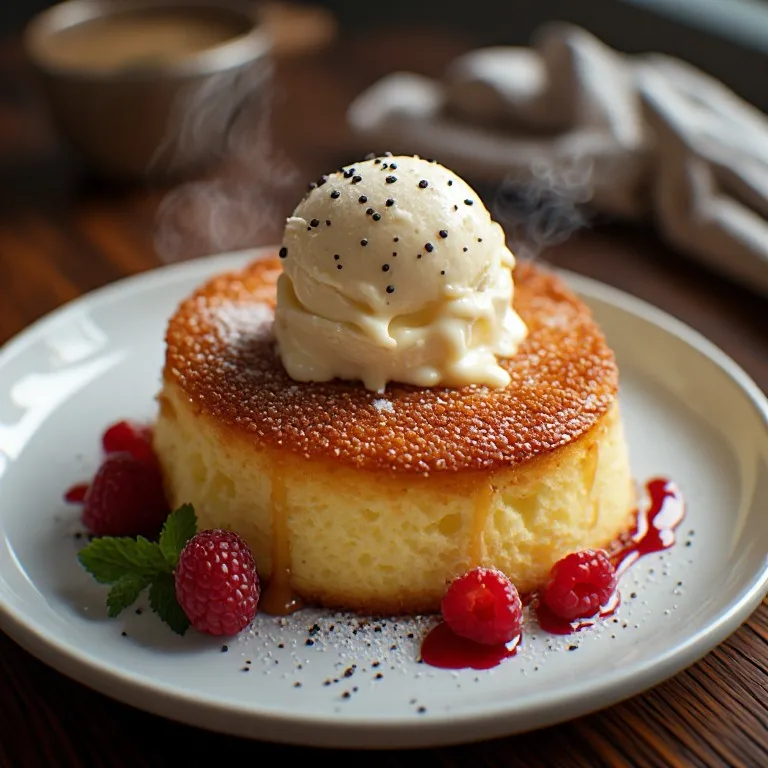
The Polo Bar serves the coconut cake with passion fruit sorbet, the tartness of which cuts through the rich cream cheese frosting and accents the coconut. At home, a quenelle of store-bought passion fruit sorbet alongside each slice is the straightforward equivalent. Vanilla bean ice cream works if you want something more neutral. Mango sorbet or a small pour of coconut cream over the slice both work in the same tart-or-tropical direction. The cake itself is rich enough that any accompaniment should be lighter and more acidic than the slice — not additional dairy.

Where exactly is The Polo Bar and how hard is it to book?

The Polo Bar is at 1 East 55th Street between Madison Avenue and Fifth Avenue in Midtown Manhattan — Ralph Lauren's flagship store is on the floors above it. The restaurant opened in January 2015. In practical booking terms, weekday dinner reservations typically open 2 to 3 weeks in advance; weekend reservations often book out within minutes of the 30-day booking window opening on OpenTable or Resy. The dining room has approximately 90 seats across two floors, decorated in dark mahogany, equestrian paintings, and plaid upholstery consistent with the Ralph Lauren aesthetic. A full dinner runs $100 to $180 per person before tax and tip. The coconut cake, at approximately $16 per slice, is the dessert most commonly photographed and most often cited as the reason to return.

Love this recipe? Share it!

Free PDF: our 12 most-wanted copycat recipes — instant download.

Made it? Buy us a coffee

Every recipe here is free, with no paywalls. If this one was a hit at your table, a small tip keeps new copycats coming.

$

The Polo Bar is a trademark of its owner, used here only to describe the dish this recipe recreates. This is an independent copycat written in our own words — Copycat Spices is not affiliated with, endorsed by or sponsored by The Polo Bar.

Ratings & Reviews

—
No ratings yet

Rate this recipe

Click a star to rate

Leave a Review

0/500

CS

Copycat Spices Editorial

Researched + fact-checked. Every recipe on Copycat Spices is built from published sources — official ingredient lists, brand-published recipes, interviews and food-science references — and fact-checked before it goes live, then written as clear, step-by-step instructions for home cooks of all skill levels.

Learn more about our mission →