

Pin It

Wagamama Chicken Katsu Curry (The Famous Katsu, Made at Home)

Wagamama Chicken Katsu Curry (The Famous Katsu, Made at Home)
Jump to Recipe
Prep 20 min Cook 40 min Serves 4
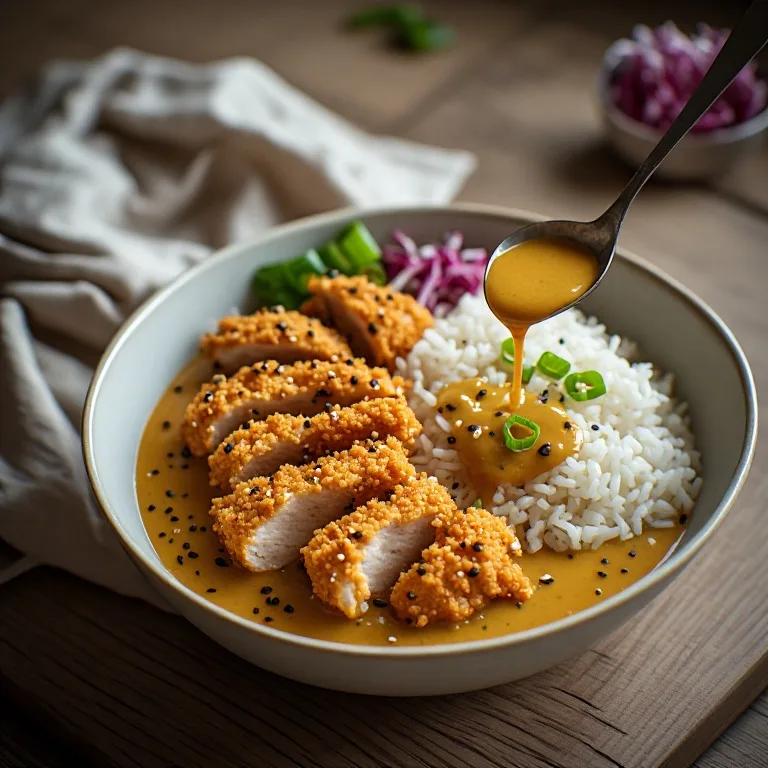
Quick answer: For the curry sauce: soften 1 large chopped onion, 3 minced garlic cloves, and 1-inch grated ginger in 2 tablespoons vegetable oil over medium heat for 6–8 minutes. Add 3 tablespoons mild curry powder and 2 teaspoons turmeric; stir 1 minute on lower heat. Add 2 tablespoons flour and cook 1 more minute, stirring. Slowly whisk in 2½ cups (600ml) chicken stock, then ¾ cup (200ml) full-fat coconut milk. Add 1 tablespoon light soy sauce and 2 teaspoons sugar. Simmer 15–20 minutes until thick enough to coat a spoon. Blend smooth with an immersion blender; keep warm. For the katsu: pound 4 chicken breasts between plastic wrap to an even ¾-inch thickness. Set up three bowls: seasoned flour, 3 beaten eggs, and 2 cups panko breadcrumbs. Dredge each breast in flour (shake off excess), coat in egg, and press firmly into panko on all sides. Shallow-fry in ½ inch of vegetable oil at 350°F (175°C), 4–5 minutes per side, until deep golden and internal temperature reaches 165°F. Rest on a wire rack 3 minutes, then slice diagonally into 5 pieces. Serve the sliced chicken over steamed jasmine rice, ladle the curry sauce generously over the top, and garnish with sliced scallions, toasted sesame seeds, and pickled red cabbage or ginger. At Wagamama's US restaurants, this runs roughly $18–$21. Ingredient cost at home: about $4.50 per serving.

Wagamama Chicken Katsu Curry (The Famous Katsu, Made at Home)

Wagamama's most-ordered dish — panko-crusted chicken over steamed rice with their scratch-built coconut-milk curry sauce — made at home in 45 minutes. About $4.50 a serving vs. ~$18 at the restaurant.

Medium Prep: 20 min Cook: 40 min Total: 1h 0m4 servings ~$4.50/serving
Prep20 min
Cook40 min
Total1h 0m
Servings
4
At home~$4.50/serving
vs
Restaurant~$20.25/serving
You save ~78%

The Story Behind the Recipe

Wagamama opened in Bloomsbury, London in 1992. Founder Alan Yau had spent time traveling through Japan and came back captivated by the communal bench-style ramen bars of Tokyo — places where strangers sat shoulder to shoulder and ate honest, quick, fresh food. He built that same energy into a modern London restaurant, and in doing so created the largest Japanese-style restaurant chain in the UK. Today Wagamama operates 169 restaurants across the United Kingdom and 80-plus additional locations across Europe, the Middle East, and the United States.

The chicken katsu curry is Wagamama's most-ordered dish by a wide margin — sold several million times a year in the UK alone (the chain has cited figures in the range of 2.5 to 3.5 million). Katsu (short for tonkatsu — a Japanese breaded and fried cutlet technique) was originally applied to pork; Wagamama built their version around chicken breast, then built a scratch-made curry sauce around it rather than reaching for Japanese curry roux blocks. The sauce is built on only two spices — mild curry powder and turmeric — and relies entirely on a long, slow simmer with a real aromatics base (onion, garlic, ginger) and a coconut milk–stock blend for its flavor and body. Wagamama's US footprint is small — a handful of restaurants in Boston, New York, the Washington, DC area, and Tampa, Florida — where the dish runs roughly $18–$21. At home, the same result costs about $4.50 a serving.

Nutrition Facts

Per serving (4 servings)
Calories530
Total Fat16g
Total Carbs54g
Dietary Fiber2g
Sugars5g
Protein43g
Sodium620mg

* Estimated values based on standard recipe preparation. Actual values may vary.

Ingredients

  • For the curry sauce
  • For the chicken katsu
  • For serving

Instructions

💡
Pro tip: This recipe tastes even better the next day. The flavors need time to meld together in the fridge.
❄️
Storage: Keeps in an airtight container in the fridge for up to 2 weeks. Freezer-friendly for up to 3 months.
🎃 Free Halloween cookbook — download now The Copycat Halloween Cookbook A ready-made, photo-illustrated PDF of our best halloween copycat recipes — free to download, no building required. Pay what you want to support if you love it.

Free PDF — instant download. We'll also send new seasonal copycat recipes now and then; unsubscribe anytime. Or just download it →

Wagamama Chicken Katsu Curry (The Famous Katsu, Made at Home)

Prep time: 20 min
Cook time: 40 min
Servings: 4

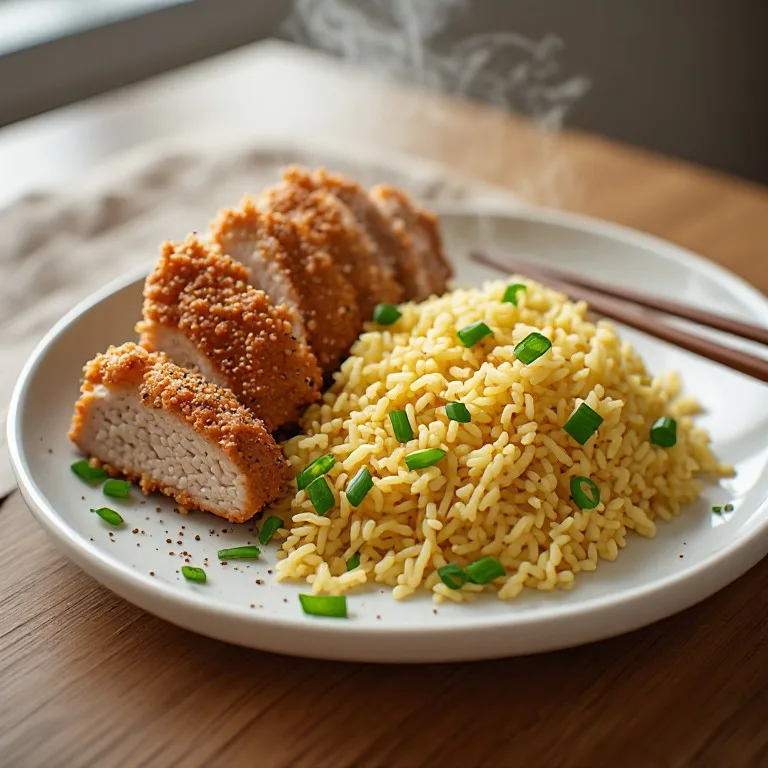
The Wagamama chicken katsu curry recipe produces exactly what makes the dish worth replicating: panko-breaded chicken with a shattering crust, over jasmine rice, under a smooth golden curry sauce built from scratch with real spices. No roux blocks required. About 45 minutes total.

Why Wagamama’s Katsu Curry Works

Wagamama opened in Bloomsbury, London in 1992 with a straightforward idea: the communal, bench-style ramen bars of Tokyo, brought to a British audience. The chicken katsu curry is not ramen — it came later as the menu expanded — but it is now Wagamama’s most-ordered dish, sold several million times a year in the UK alone.

What makes it land the way it does is restraint. The sauce uses only two spices — mild curry powder and turmeric — with a real aromatics base and a carefully measured amount of coconut milk. It doesn’t taste heavily spiced or complex; it tastes clean, mild, and deeply savory. The panko crust is there for crunch and contrast, not seasoning. The rice is plain. The dish works because every element is exactly what it needs to be and nothing more.

The Sauce: Three Steps That Matter

The common failure point in homemade katsu curry is the sauce. Two problems cause most of them: using Japanese curry roux blocks instead of building from scratch, and adding liquid before cooking the spices.

Why not roux blocks: S&B, Vermont Curry, and House are all good products for making Japanese home-style curry, but they produce a distinctly sweeter, thicker, and more processed-tasting sauce than Wagamama’s. Their blocks dissolve into water and produce a consistency and flavor profile the Wagamama sauce specifically doesn’t have. If you want the Wagamama result, build it from scratch — it’s not difficult and takes about 25 minutes.

The cook-off: After adding the curry powder and turmeric to the softened onions, you cook the spices in the oil for a full minute before adding flour, and the flour for another full minute before adding any liquid. This step develops the spices’ aromatic compounds and cooks off the raw flour taste. Skipping it produces a sauce that tastes of uncooked spice and flour paste — recognizably curry-flavored, but flat.

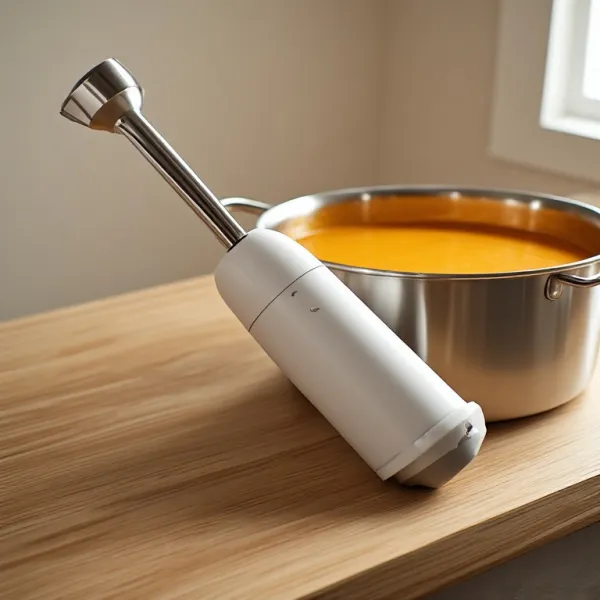
The simmer: Twenty minutes of low simmering thickens the sauce and integrates the flavors. The blending step — using an immersion blender to smooth it completely — gives it the glossy, uniform consistency that characterizes Wagamama’s sauce.

The Chicken: Pound It Even, Press the Panko

Chicken breasts are thicker in the middle than at the ends. Left unpounded, the thin ends burn and dry out while the thick center finishes cooking. A 30-second session with a rolling pin between two sheets of plastic wrap levels the breast to a consistent ¾ inch — the single change that most reliably improves home chicken katsu results.

The panko coating requires pressure, not just dipping. After egg wash, lay the breast in the panko and press with your palm rather than scooping breadcrumbs over the top. Pressed panko adheres throughout the fry instead of falling off in the oil.

Oil temperature is the other variable. At 350°F, panko turns golden and crisp while the chicken cooks through evenly. Below 325°F, the coating absorbs oil before setting and produces a greasy, pale result. A few panko crumbs dropped in the oil as a test should sizzle actively and turn golden in about 30 seconds.

Cost: Wagamama vs. At Home
Wagamama USHomemade (4 servings)
Price$18–$21 per plate~$18 total / ~$4.50 each
ChickenOne breastOne breast per serving
SauceScratch-builtScratch-built
RiceJasmineJasmine
Ready time15–20 min wait45 min, all in
More Famous Restaurant-Style Chicken at Home
  • Copycat Dishoom Chicken Ruby — another beloved British restaurant’s most-ordered chicken dish; Dishoom’s slow-cooked tomato curry is richer and deeper where the Wagamama katsu is clean and mild.
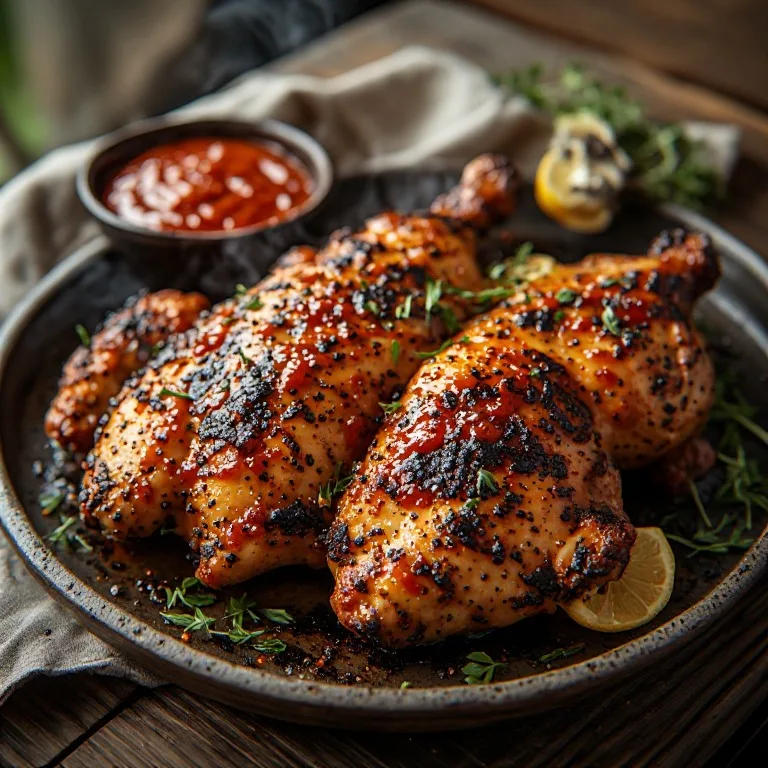
  • Copycat Nando’s PERi-PERi Chicken — the flame-grilled British-chain counterpart, marinated overnight in Bird’s Eye chili sauce.
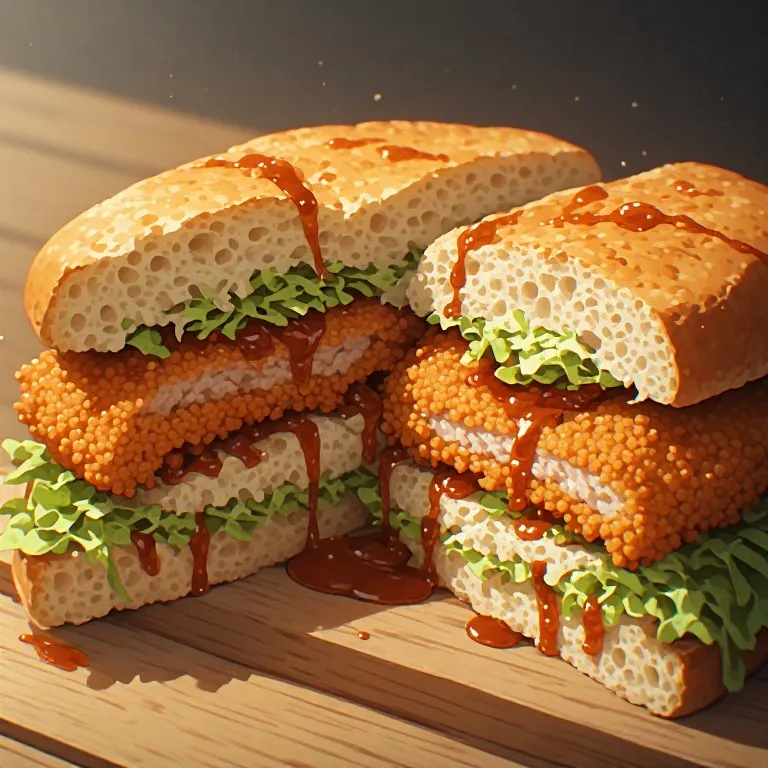
  • Viral TikTok Katsu Sando — the Japanese convenience-store sandwich version of this idea: the same panko cutlet pressed between thick white bread with tonkatsu sauce and shredded cabbage.
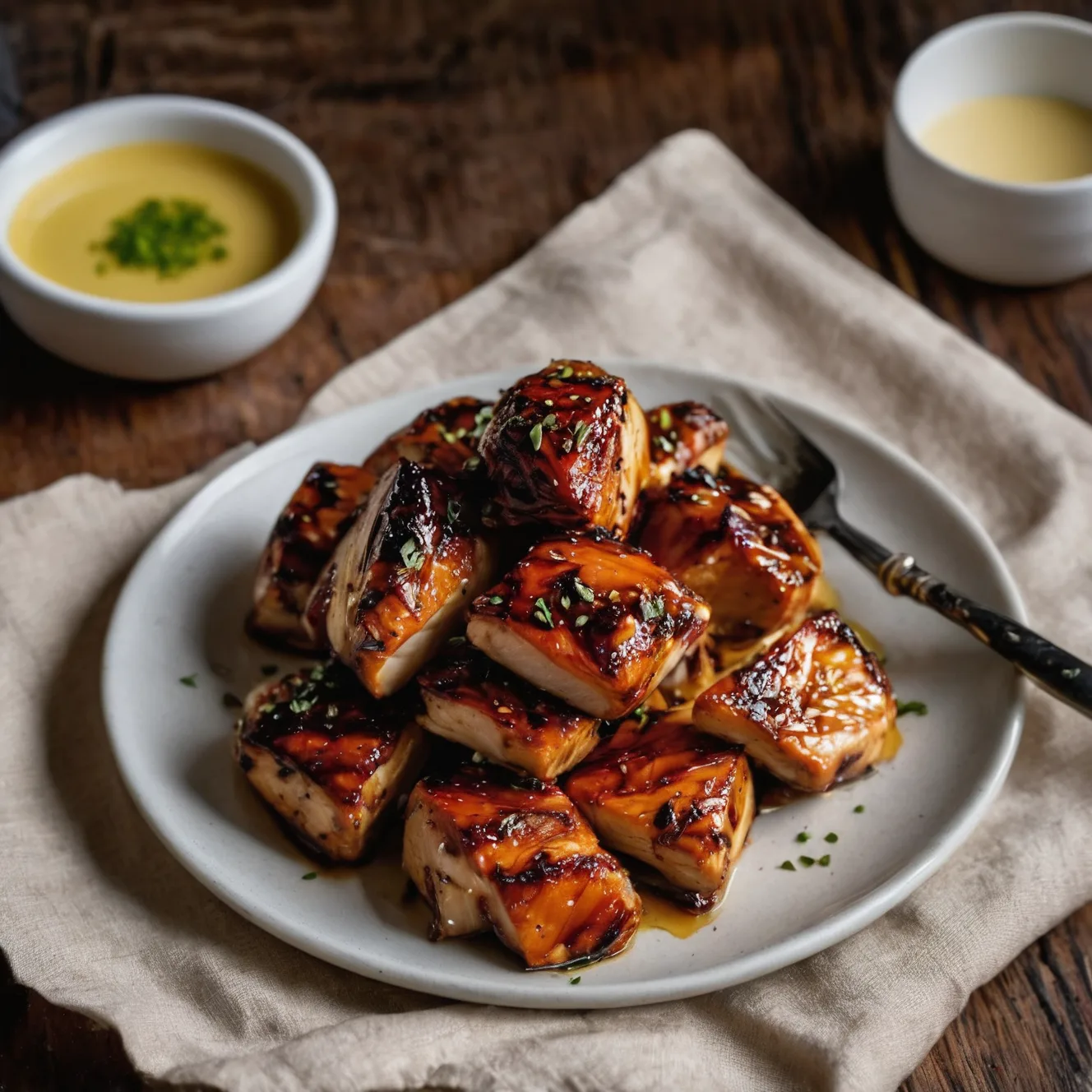
  • Copycat Benihana Hibachi Chicken — Japanese-American teppanyaki-style chicken; a completely different technique but the same idea of making Japanese restaurant chicken at home.
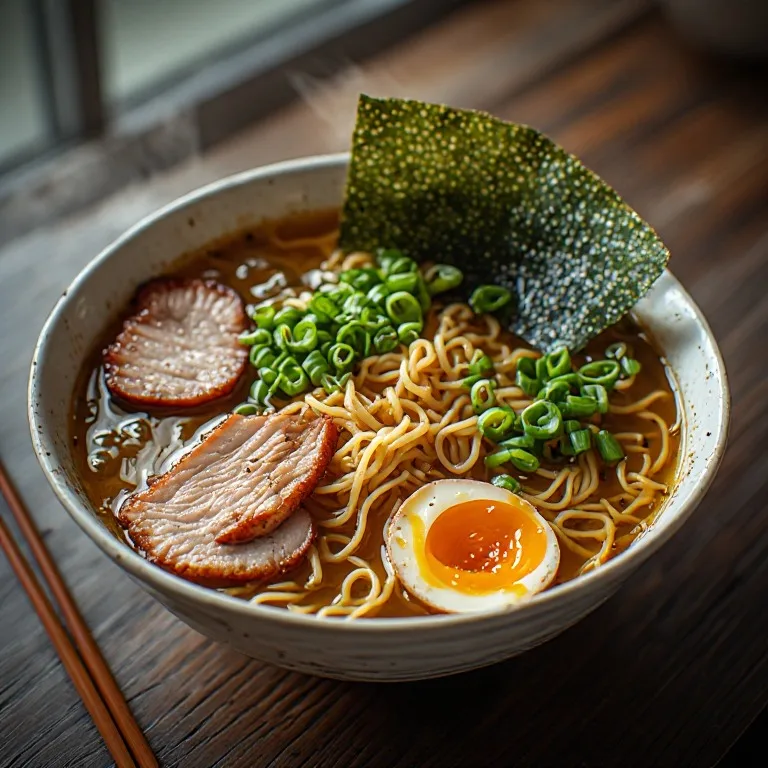
  • Copycat Momofuku Ramen — Wagamama was inspired by Tokyo ramen bars; if you’re going further back to the source, this is the dish that made the concept famous.
🥗

Make It Healthier

Love Wagamama Chicken Katsu Curry (The Famous Katsu, Made at Home) but want a lighter version? Try these simple swaps:

  • ✓Bake instead of fry: after breading, spray the chicken on both sides with cooking spray and bake on a wire rack set over a sheet pan at 425°F (220°C) for 20 to 25 minutes until golden and cooked through. You'll lose the sharp crunch of shallow frying but save roughly 7 grams of fat per serving.
  • ✓Use light coconut milk instead of full-fat to reduce the sauce's fat by about 4 grams per serving — the sauce will be slightly thinner but still flavored correctly.
  • ✓Serve over cauliflower rice or brown rice instead of jasmine rice to add fiber (5g vs. 1g per serving) and reduce the carbohydrate load by about 15 grams.
  • ✓Use chicken tenders instead of full breasts — they cook faster (2 to 3 minutes per side), and a portion of 3 or 4 tenders per serving is naturally more portion-controlled than a full breast.

Frequently Asked Questions

What is Wagamama chicken katsu curry — and how is it different from regular Japanese curry?

Wagamama's version starts from the same premise as Japanese curry — a mild, slightly sweet curry sauce served over rice with a breaded cutlet — but the sauce is made from scratch with individual spices (mild curry powder and turmeric as the two main ones), not from Japanese curry roux blocks like S&B, Vermont Curry, or House. Japanese curry roux is a solid fat-and-spice block that melts into a thicker, sweeter, and more heavily processed sauce; Wagamama's sauce is built on a real aromatics base cooked down with flour and spices, then loosened with chicken stock and a measured addition of coconut milk. The result is slightly thinner, noticeably brighter and more savory, and less sweet than a roux-based version. The chicken is panko-breaded and shallow-fried rather than deep-fried, giving a crunchier exterior. Wagamama serves it over steamed jasmine rice with pickled red cabbage or ginger and sesame seeds — the same formula every time, and the consistency is part of the appeal.

Why not just use a Japanese curry roux block for the sauce?

Curry roux blocks are convenient and produce a good Japanese-style curry, but they will not produce the Wagamama result. Roux blocks are formulated to dissolve into water and produce a thick, glossy, distinctly sweet sauce with a processed-spice flavor characteristic of Japanese home curry. Wagamama's sauce is built with fresh ginger and garlic, has a noticeably more savory and aromatic character, and uses coconut milk (not just water or stock) for body and a mild sweetness that balances the spice differently than the added sugars in a roux block. If you only want something in the general category, a roux block will get you there. If you want the Wagamama flavor specifically, build it from scratch — the scratch sauce takes about 25 minutes and is straightforward.

How do I get the chicken perfectly even and golden without burning?

The two problems are uneven thickness and oil temperature. Chicken breasts are thick in the middle and thin at the ends — left unpounded, the thin end burns and the thick center is still raw when the exterior looks done. Pound each breast between two sheets of plastic wrap (or in a zip-top bag) with a rolling pin or meat mallet until it is an even ¾ inch all the way across. This takes about 30 seconds per breast. The other problem is oil temperature: panko needs 350°F (175°C) to turn golden and crisp rather than pale and greasy. At lower temperatures, the coating absorbs oil before it sets; above 375°F, the outside burns before the chicken cooks through. Use a thermometer if you have one. An easy check: drop a few panko crumbs in the oil — they should sizzle actively and turn golden in about 30 seconds. If they're pale and slow, the oil needs more time. If they brown in 5 seconds, reduce heat. Shallow-fry the breasts in batches of one or two — don't crowd the pan, which drops oil temperature and causes steaming instead of frying.

Can I make the curry sauce ahead of time?

Yes, and it actually improves overnight. The sauce can be made up to 2 days ahead and stored in an airtight container in the refrigerator. It also freezes well for up to 3 months — cool completely before freezing in a sealed container. Reheat on the stovetop over medium-low heat, stirring occasionally; it will have thickened slightly in the fridge and may need a splash of stock or water to loosen it back to the right consistency. This means you can make the sauce on Sunday and have a very fast weeknight dinner: bread and fry the chicken fresh (20 minutes), heat the sauce, cook rice, done. The sauce is also excellent on other proteins — try it over roasted vegetables, baked salmon, or tofu for a vegetarian version.

Can I make this vegetarian or vegan?

Yes. The vegetarian version Wagamama serves is the 'Yasai Katsu Curry' — vegetables (butternut squash, aubergine/eggplant, broccoli) breaded in panko and fried the same way as the chicken. At home, cut butternut squash and eggplant into ½-inch planks, salt the eggplant and press out excess moisture for 20 minutes, then bread and fry them the same way as the chicken (they fry faster — about 3 minutes per side for the squash, 2 for the eggplant). For the vegan sauce, substitute vegetable stock for chicken stock — the flavor difference is minimal since the sauce's character comes primarily from the aromatics and spices, not the stock. The full-fat coconut milk is already dairy-free. Use flax egg (1 tablespoon ground flaxseed + 3 tablespoons water, rested 5 minutes) in place of the egg wash for a fully vegan breading.

Why does the sauce need to be blended — can I leave it chunky?

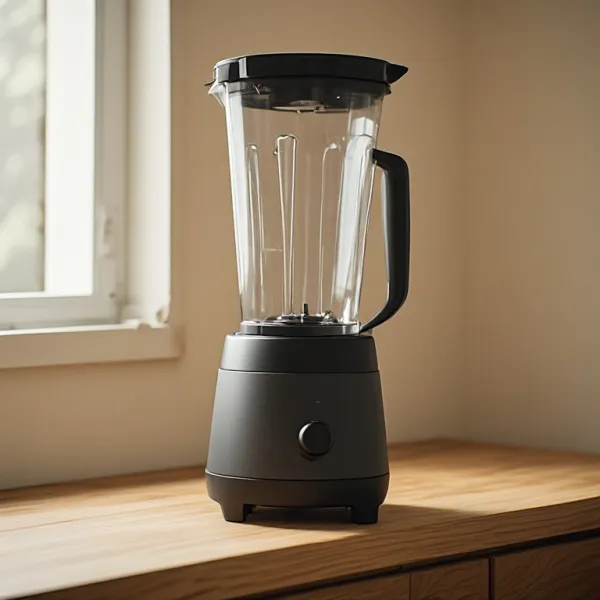
You can leave it unblended if you prefer a more rustic texture. The onion will have softened considerably from 20-plus minutes of simmering and won't be unpleasant. But Wagamama's sauce is completely smooth — part of its characteristic look and feel is that it pours in a glossy, uniform way over the white rice. An immersion blender does the job in about 30 seconds in the pot. If you don't have one, a countertop blender works (cool the sauce slightly first and leave the lid ajar or use the vented top to let steam escape — hot liquids in a sealed blender build pressure). The smooth sauce also has a noticeably more cohesive flavor — blending fully integrates the cooked aromatics so you're not getting pieces of onion between bites of the curry.

What sides does Wagamama serve with the katsu curry?

At Wagamama, the katsu curry comes as a complete dish: the rice, sliced katsu, and sauce are plated together with sesame seeds, pickled red cabbage, and sliced scallions. There's no separate side dish in the traditional sense. At home, extras worth adding: a simple side salad of sliced cucumber with rice wine vinegar and sesame oil; a fried egg on top (the runny yolk mixed into the curry sauce is a popular Japanese home-cooking addition); or a second portion of rice for big appetites. If you're feeding a group, a batch of gyoza or edamame alongside makes it feel like the full restaurant experience without adding much work.

Love this recipe? Share it!

Free PDF: our 12 most-wanted copycat recipes — instant download.

Made it? Buy us a coffee

Every recipe here is free, with no paywalls. If this one was a hit at your table, a small tip keeps new copycats coming.

$

Wagamama is a trademark of its owner, used here only to describe the dish this recipe recreates. This is an independent copycat written in our own words — Copycat Spices is not affiliated with, endorsed by or sponsored by Wagamama.

Ratings & Reviews

—
No ratings yet

Rate this recipe

Click a star to rate

Leave a Review

0/500

CS

Copycat Spices Editorial

Researched + fact-checked. Every recipe on Copycat Spices is built from published sources — official ingredient lists, brand-published recipes, interviews and food-science references — and fact-checked before it goes live, then written as clear, step-by-step instructions for home cooks of all skill levels.

Learn more about our mission →