Din Tai Fung Pork Chop Fried Rice
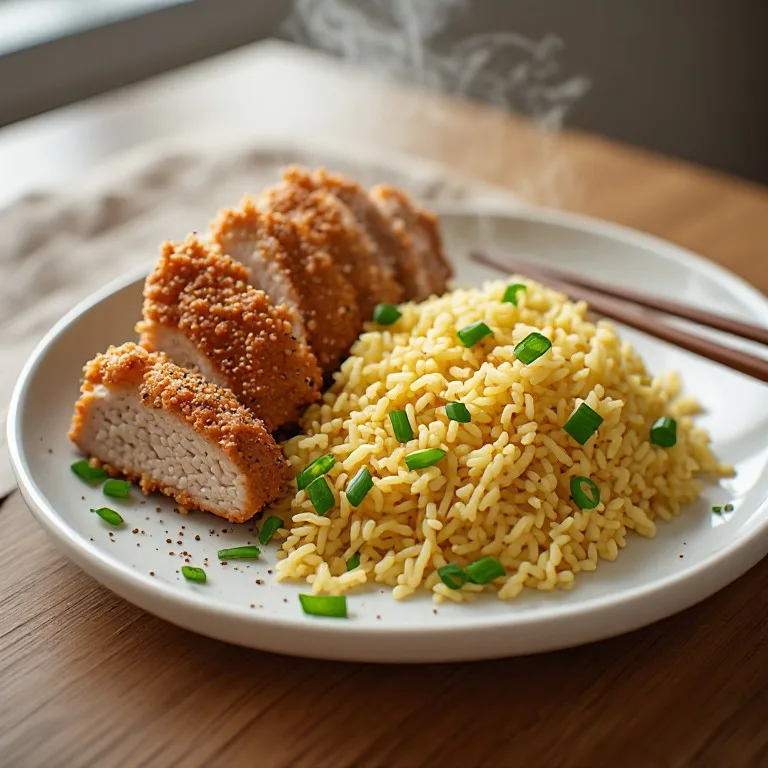
Quick answer: The night before (or morning of): cook 1 cup jasmine rice with 1¼ cups water, cool completely, and refrigerate uncovered. The day of: brine 2 thin boneless pork chops (about 4 oz each, ideally ½-inch thick) in 1 cup water + ½ tsp baking soda + 1 tsp kosher salt for 30 minutes — no longer, or the texture goes soft. Rinse thoroughly under cold running water and pat dry. Using a meat mallet, pound each chop to about ¼ inch thick and roughly 1.5x its original size. Make the marinade: combine 1 Tbsp light soy sauce, 1 Tbsp Shaoxing wine, 1 tsp sesame oil, ½ tsp five spice powder, 1 tsp sugar, and — critically — 1½ Tbsp cornstarch. Mix the cornstarch directly into the liquid marinade; do not dredge the chop in cornstarch afterward. Coat the pork chops in this marinade and let sit 10 minutes. Cook the fried rice: heat a wok or large skillet over high heat for 2 minutes. Add 2 Tbsp neutral oil, crack in 3 large eggs, break the yolks immediately and move the eggs for exactly 3–5 seconds (they should be 20% set), then add the cold rice and toss rapidly for 60–90 seconds. Season with 1 Tbsp light soy sauce, ¼ tsp white pepper (not black), ½ tsp salt. Add 2 sliced scallions, toss once, plate. Keep warm while you fry the pork. Fry the pork chops: wipe the pan, add ¼ inch neutral oil, heat until shimmering (about 350°F). Add the marinated pork chops — they will sizzle and the cornstarch marinade will form lacy edges. Cook 2–3 minutes per side until golden with crispy irregular edges. Do not move them for the first 90 seconds or the coating tears. Rest 2 minutes. Slice each chop crosswise into strips and fan across the top of the fried rice. Drizzle any pan juices over. Serve immediately.
Shop the tools
Gear matched to this recipe. These are Amazon affiliate links — we may earn a small commission if you buy, at no extra cost to you.
 Illustrative imageInstant-Read Digital ThermometerNail fry-oil and doneness temps every timeCheck price on Amazon →
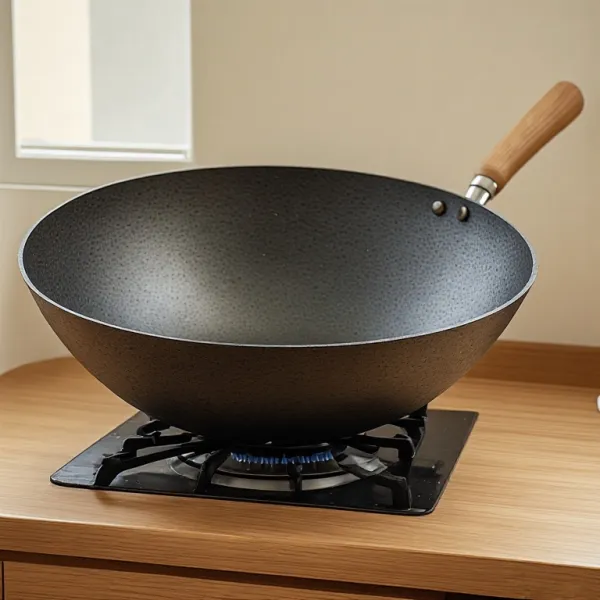 Illustrative imageCarbon Steel WokHigh, fast heat for takeout-style stir-fries and fried riceCheck price on Amazon →
 Illustrative imageLodge 10.25" Cast Iron SkilletThe restaurant-grade sear most copycats depend onCheck price on Amazon →
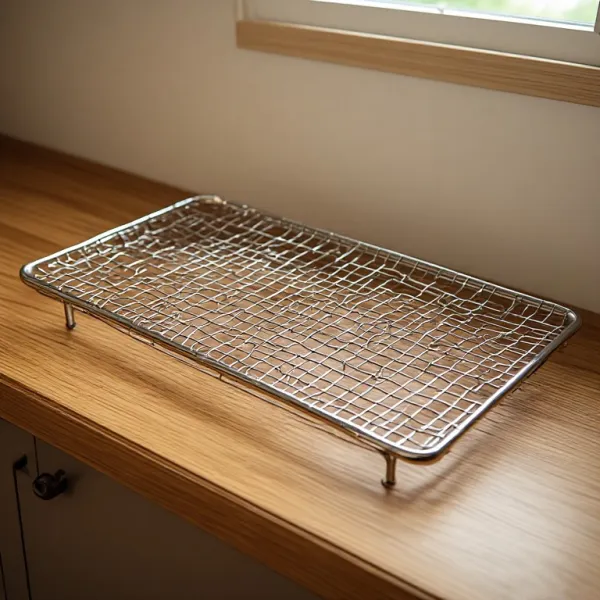 Illustrative imageWire Cooling Rack (Half-Sheet Size)Keeps fried and baked things crisp, never soggyCheck price on Amazon →
As an Amazon Associate, Copycat Spices earns from qualifying purchases. Product images are generic illustrations, not the exact item listed.
Din Tai Fung Pork Chop Fried Rice
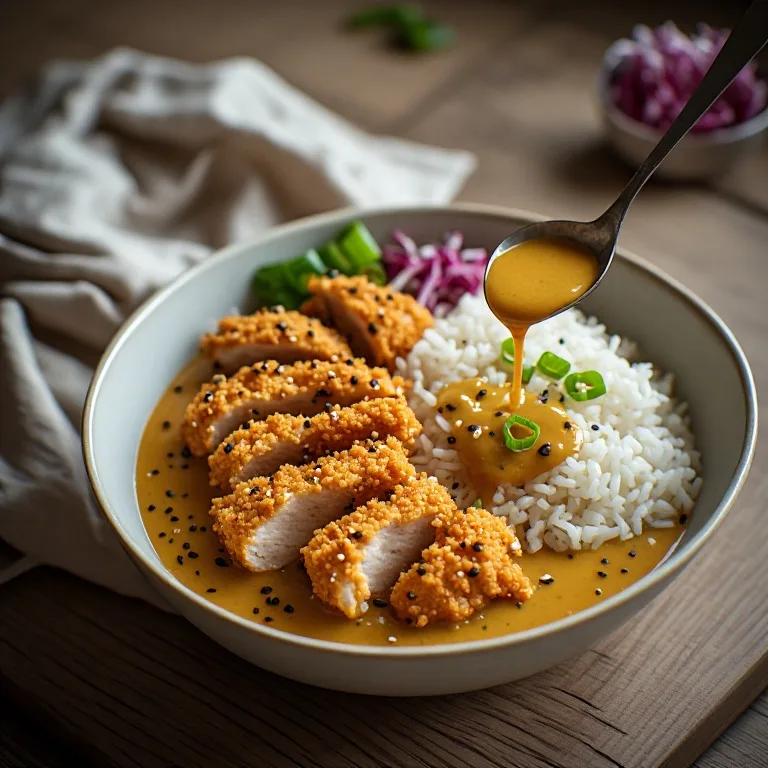
Din Tai Fung's pork chop fried rice at home: a thin pork chop brined with baking soda for tenderness, marinated with cornstarch IN the marinade for lacy edges, shallow-fried golden, and served over their famous pale-yellow egg-coated fried rice. Serves 2 for under $12 vs. $20+ at the restaurant.
Medium
Prep: 20 min (+ 30 min brine)
Cook: 15 min
Total: 35 min2 servings
~$4.50/serving
At home~$4.50/serving
vs
Restaurant~$20.25/serving
You save ~78%
The Story Behind the Recipe
Din Tai Fung was founded in 1958 in Taipei as a cooking oil shop; the restaurant pivot came in 1972 when Yang Bing-Yi cleared the floor and started selling handmade dumplings out of four tables. Today the chain spans 13 countries, and the Hong Kong branch has held a Michelin star five times. At most US locations — New York, Beverly Hills, Arcadia, Seattle — the pork chop fried rice runs $18 to $22 and is consistently one of the most ordered non-dumpling items on the menu. Unlike a dim sum restaurant where pork chop fried rice is a secondary rice dish, DTF's version is a headliner: the pork chop is plated on top, fanned out across the pale yellow rice in a presentation that makes clear this is the point of the dish.
The technique behind the pork chop comes from Taiwanese home cooking, specifically the "jin pai gu" tradition of baking-soda-brined, thin-pounded pork chops. What DTF adds is the cornstarch-in-marinade method: starch mixed into the soy-wine liquid before the chop is coated, rather than dredged on dry afterward. This creates a thin, almost translucent film that crisps into the irregular lacy edges DTF is known for — not a thick shell, but a delicate crust that shatters slightly on the first bite. The fried rice underneath is the same pale-yellow egg-coated rice DTF serves separately, made by adding whole unbeaten eggs to a screaming-hot wok for exactly 3 to 5 seconds before the cold day-old jasmine rice goes in. At home, both components together cost under $12 for two people.
Nutrition Facts
Per serving (2 servings)Calories560
Total Fat21g
Total Carbs52g
Dietary Fiber1g
Sugars3g
Protein36g
Sodium980mg
* Estimated values based on standard recipe preparation. Actual values may vary.
Ingredients
- For the brine
- For the pork chops
- For the egg fried rice
Instructions
Pro tip: This recipe tastes even better the next day. The flavors need time to meld together in the fridge.
Storage: Keeps in an airtight container in the fridge for up to 2 weeks. Freezer-friendly for up to 3 months.
Free PDF — instant download. We'll also send new seasonal copycat recipes now and then; unsubscribe anytime. Or just download it →
🎉 Your Halloween Cookbook is ready!
It's free — but if it's worth something to you, you can pay what you want. It keeps the recipes coming.
$
✓ Downloading your free Halloween Cookbook — check your downloads folder. Happy cooking!
Make It Healthier
Love Din Tai Fung Pork Chop Fried Rice but want a lighter version? Try these simple swaps:
- ✓Reduce oil by air-frying the pork chops: after marinating, place them on a parchment-lined air fryer basket and spray lightly with oil. Air fry at 400°F for 5–6 minutes per side. The lacy cornstarch edges will still form — less dramatically than in oil, but the crust is intact and the pork stays juicy. You cut oil by roughly 3 tablespoons per serving.
- ✓Lower the sodium by using low-sodium light soy sauce in both the marinade and the fried rice. Standard light soy sauce has about 880mg sodium per tablespoon; reduced-sodium versions bring that down to around 550mg. The flavor difference is minimal in a dish this seasoned with five spice, Shaoxing wine, and sesame oil.
- ✓Add vegetables to the fried rice without changing the DTF flavor profile: ¼ cup frozen peas or very finely diced carrots added with the scallions blend naturally into the pale yellow rice and add fiber. Use no more than ¼ cup — too much cools the pan temperature and prevents the grains from staying separate.
- ✓For a leaner protein, use chicken breast thinly pounded to ¼ inch instead of pork. Brine for 20 minutes (not 30 — chicken is more delicate to baking soda). The marinade and technique are identical. The flavor is lighter but the lacy coating and the fried rice recipe are unchanged.
Frequently Asked Questions
Why does the cornstarch go in the marinade instead of being dredged on afterward?
This is the most important technique in this recipe and the reason DTF's pork chop has those distinctive lacy, irregular crispy edges instead of a uniform thick crust. When cornstarch is dredged on dry, it forms a separate coating layer that puffs up into a thick, opaque shell during frying — the kind you see on orange chicken. When cornstarch is mixed into a wet marinade (soy, wine, sesame oil) and applied to the pork, it creates a thin, almost translucent coating that adheres to the surface of the meat rather than forming an independent layer. In the hot oil, this thin film crisps unevenly — the parts with more marinade accumulate and form delicate lacy edges; the parts with less stay thin. The result is a pork chop with a crisp, irregular, almost feathery border and a tender interior. The coating also carries the five spice and soy flavor directly onto the pork's surface rather than encasing the meat inside a flavorless shell.
Why brine with baking soda instead of just salt?
Baking soda does something salt alone cannot. Salt brining draws moisture in through osmosis and seasons the meat from within — useful, but it does not change the protein structure. Baking soda (sodium bicarbonate) raises the pH of the pork's surface, which denatures the actin proteins and prevents them from tightening as aggressively during the high heat of frying. The result is a noticeably more tender bite — the meat stays juicy and pulls apart easily instead of chewing firm. This is the same mechanism behind velveting in Chinese cooking, where baking soda is sometimes rubbed onto meat directly. The key constraint: 30 minutes is the maximum. Past 30 minutes, the pH continues to alter the protein structure into mushiness. Set a timer. Rinse the chops thoroughly after brining — you do not want residual baking soda taste in the final dish.
What cut of pork is the right one to use?
Thin boneless center-cut pork loin chops, about ½ inch thick and 4 oz each. You want a cut with minimal connective tissue and fat marbling — the loin is ideal because it cooks quickly and evenly once pounded thin. Avoid bone-in chops (the bone makes even pounding impossible) and pork tenderloin (too cylindrical to flatten into the right shape). Pork shoulder/butt has too much connective tissue and fat for this technique. If your grocery store only carries thicker boneless chops (¾ to 1 inch), butterfly them by slicing horizontally through the middle, stopping before you cut all the way through, and opening them like a book before pounding. After the brine and pounding, every chop should be roughly ¼ inch thick — uniform thickness is what gives you even browning across the entire surface.
Why is the fried rice pale yellow, not brown like takeout fried rice?
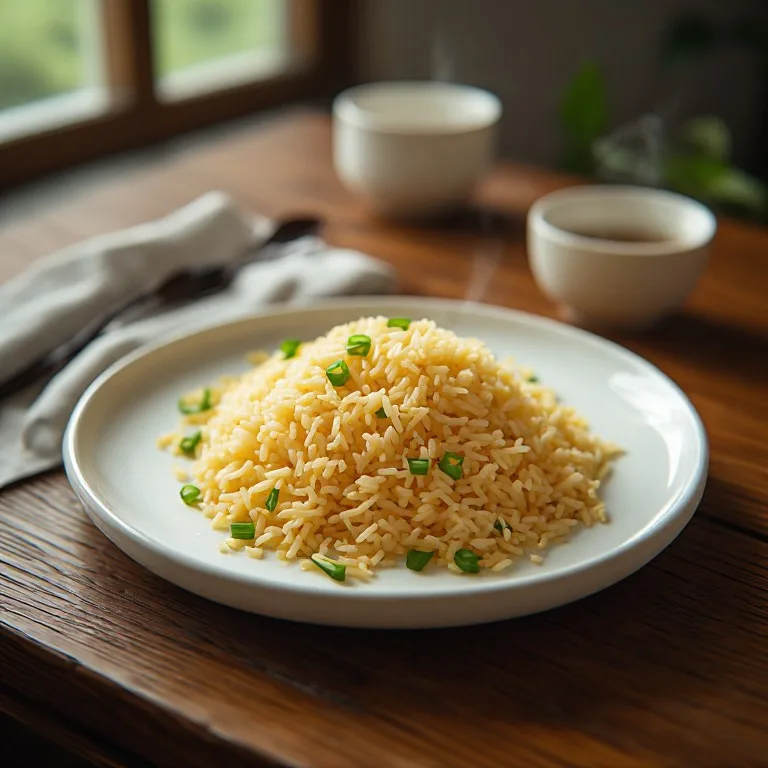
Two reasons. First, light soy sauce not dark. Dark soy sauce (used in most Chinese-American takeout) is thickened with molasses and has an intensely dark color — it stains rice deep brown. Light (regular) soy sauce is the standard soy sauce you see at most grocery stores; it has a warm amber color and a clean salty-umami flavor without the dark staining. Second, and more important: the partial-set egg technique. In standard fried rice, eggs are scrambled in the pan first and then rice is added — you end up with visible yellow and white egg pieces mixed through brown rice. Din Tai Fung cracks whole unbeaten eggs directly into the hot oil, breaks the yolks and moves them for exactly 3 to 5 seconds only (until maybe 20% set), and then adds the cold rice immediately. As you toss, the still-liquid egg wraps around each individual grain instead of forming curds. Every grain comes out coated in a thin pale-yellow egg film. The rice changes color from white to pale golden-yellow, with no visible egg chunks.
Can I use fresh rice instead of day-old refrigerated rice?
Day-old rice is strongly preferred. Freshly cooked rice retains surface moisture that turns to steam in a hot pan, creating a humid environment that causes the rice to clump and steam instead of fry. Refrigerating rice overnight removes that surface moisture — the cold air circulation and the retrogradation of the starch creates individual grains that separate cleanly and resist clumping under high heat. If you need to make this same-day, spread the hot rice in a thin layer on a baking sheet and refrigerate uncovered for at least 2 hours before cooking. Fan it at room temperature for 20 minutes first if possible, to start the drying process. Do not use warm or room-temperature rice — it will produce a soft, sticky mass rather than distinct, slightly crisp grains.
What oil temperature should I fry the pork chops at?
About 350°F (175°C) — use an instant-read thermometer if you have one. At the right temperature, the pork chop sizzles immediately on contact with a steady, lively bubble but does not splatter aggressively. If the oil is too cool (under 325°F), the cornstarch coating absorbs oil rather than crisping — you get a greasy, pale result. If the oil is too hot (over 375°F), the exterior browns before the interior cooks through, and the lacy edges can burn. A simple test: dip the edge of the marinated chop in the oil. At the right temperature, it should sizzle immediately with small steady bubbles, not violent crackling. Add the chops gently, laying them away from you to avoid oil splash, and resist the urge to move them for the first 90 seconds — early movement tears the cornstarch coating before it sets.
What's the difference between this pork chop and a regular breaded pork cutlet?
Three meaningful differences. First, the coating: breaded cutlets use a flour-egg-breadcrumb sequence that forms a thick, crunchy shell. DTF's pork chop uses only cornstarch-in-marinade, which creates a thin, lacy film that stays close to the meat. The texture is crispier in places (the lacy edges) and tender in others (the flat surface) — not uniformly crunchy. Second, the flavoring: the cornstarch marinade carries soy, Shaoxing wine, five spice, and sesame oil directly onto the pork surface. A standard breaded cutlet seasons the meat separately from the coating. Third, the thickness: pounded to ¼ inch, this chop is much thinner than a Western cutlet and cooks through in under 3 minutes per side. A Japanese tonkatsu, for comparison, is ½ to ¾ inch thick with panko breadcrumbs for maximum crunch — a completely different dish. The DTF chop is closer in spirit to a Taiwanese-style 排骨 (pai gu) — thin, five-spice-scented, lacy fried pork.
Love this recipe? Share it!
Made it? Buy us a coffee
Every recipe here is free, with no paywalls. If this one was a hit at your table, a small tip keeps new copycats coming.
$
💛 Support checkout is coming soon — the cookbook stays free either way.
Din Tai Fung is a trademark of its owner, used here only to describe the dish this recipe recreates. This is an independent copycat written in our own words — Copycat Spices is not affiliated with, endorsed by or sponsored by Din Tai Fung.
Ratings & Reviews
Rate this recipe
Click a star to rate