

Pin It

Viral TikTok Brown Butter Pasta: The Emulsification Trick Nobody Tells You

Viral TikTok Brown Butter Pasta: The Emulsification Trick Nobody Tells You
Jump to Recipe
Prep 5 min Cook 15 min Serves 2
Quick answer: Cook 8 oz pasta in heavily salted boiling water. While it cooks, melt 6 tablespoons unsalted butter in a light-colored skillet over medium heat. Watch it closely: it will foam, the foam will subside, then in about 5 minutes total the milk solids at the bottom will turn amber and smell nutty. Pull it off the heat immediately. Before draining the pasta, scoop out 1 full cup of the hot starchy pasta water. Whisk 3–4 tablespoons of that boiling pasta water into the brown butter vigorously — it will sputter. Keep whisking and adding pasta water in small splashes until the sauce looks glossy and emulsified, not broken. Add the drained pasta, toss hard with tongs for 60 seconds, then remove from heat and fold in ½ cup finely grated Parmesan. Finish with black pepper and lemon zest. The keys: use a light-colored pan so you can see the butter browning, use the pasta water boiling hot (not from the tap), and whisk the water into the butter before the pasta goes in.

Shop the tools

Gear matched to this recipe. These are Amazon affiliate links — we may earn a small commission if you buy, at no extra cost to you.

As an Amazon Associate, Copycat Spices earns from qualifying purchases. Product images are generic illustrations, not the exact item listed.

Viral TikTok Brown Butter Pasta: The Emulsification Trick Nobody Tells You

Brown butter pasta took over fall 2026 TikTok for a reason — nutty, caramelized butter coats every strand in a glossy sauce with zero cream. Three technique mistakes that make it greasy instead of silky, and the pasta water move that fixes all of them.

Easy Prep: 5 min Cook: 15 min Total: 20 min2 servings ~$4.50/serving
Prep5 min
Cook15 min
Total20 min
Servings
2
At home~$4.50/serving
vs
Restaurant~$20.25/serving
You save ~78%

The Story Behind the Recipe

Brown butter pasta took over fall 2026 TikTok for a reason — nutty, caramelized butter coats every strand in a glossy sauce with zero cream. Three technique mistakes that make it greasy instead of silky, and the pasta water move that fixes all of them.

Nutrition Facts

Per serving (2 servings)
Calories620
Total Fat29g
Total Carbs72g
Dietary Fiber3g
Sugars2g
Protein18g
Sodium680mg

* Estimated values based on standard recipe preparation. Actual values may vary.

Ingredients

  • Pasta
  • Brown Butter Sauce
  • Optional (highly recommended)

Instructions

💡
Pro tip: This recipe tastes even better the next day. The flavors need time to meld together in the fridge.
❄️
Storage: Keeps in an airtight container in the fridge for up to 2 weeks. Freezer-friendly for up to 3 months.
🎃 Free Halloween cookbook — download now The Copycat Halloween Cookbook A ready-made, photo-illustrated PDF of our best halloween copycat recipes — free to download, no building required. Pay what you want to support if you love it.

Free PDF — instant download. We'll also send new seasonal copycat recipes now and then; unsubscribe anytime. Or just download it →

Brown butter pasta took over fall 2026 TikTok for the same reason that any cooking technique goes viral: it makes something ordinary look like a restaurant dish, using ingredients most people already have. The dish is six tablespoons of butter cooked past melted, past foamy, into an amber, nutty stage called beurre noisette — then emulsified with starchy pasta water into a glossy sauce that coats every strand without any cream. It takes fifteen minutes. It uses two main ingredients. And most people who try it the first time get it wrong in the same three places.

What actually makes it work (and what goes wrong)

The difference between brown butter pasta that looks like a restaurant plate and brown butter pasta that looks like someone drizzled cooking oil on noodles comes down to one technique: emulsification.

Mistake one: under-browning the butter. Most home cooks stop when the butter is melted and starting to foam. That is not brown butter — it is just melted butter with more steps. You need to keep cooking until the foam subsides and the milk solids at the bottom of the pan turn amber-brown and smell like toasted hazelnuts or caramel. That is the Maillard reaction producing dozens of new flavor compounds. Stop before that point and you have a pale, mildly nutty version of regular butter sauce. The amber stage is the target.

Mistake two: pouring brown butter directly onto drained pasta. This is the one the viral videos consistently skip explaining. Hot fat poured directly onto pasta coats the surface but doesn’t bind to it. The result is greasy pasta where the butter pools at the bottom of the bowl. The fix — the technique that creates the glossy, restaurant-quality finish — is to emulsify the brown butter with hot, starchy pasta water before the pasta goes in. You whisk the boiling pasta water into the hot brown butter, a few tablespoons at a time, until it forms a cohesive, glossy sauce. The starch from the pasta water is the binder that holds fat and water together.

Mistake three: using cold pasta water, or no pasta water at all. The pasta water needs to be boiling hot and starchy. Cold water from the tap drops the temperature of the brown butter and prevents emulsification — the fat re-solidifies faster than it can bind. Plain water without starch has no binding capacity. The pasta water should be scooped directly from the pot, at full boil, right before you drain the pasta.

The crispy sage version

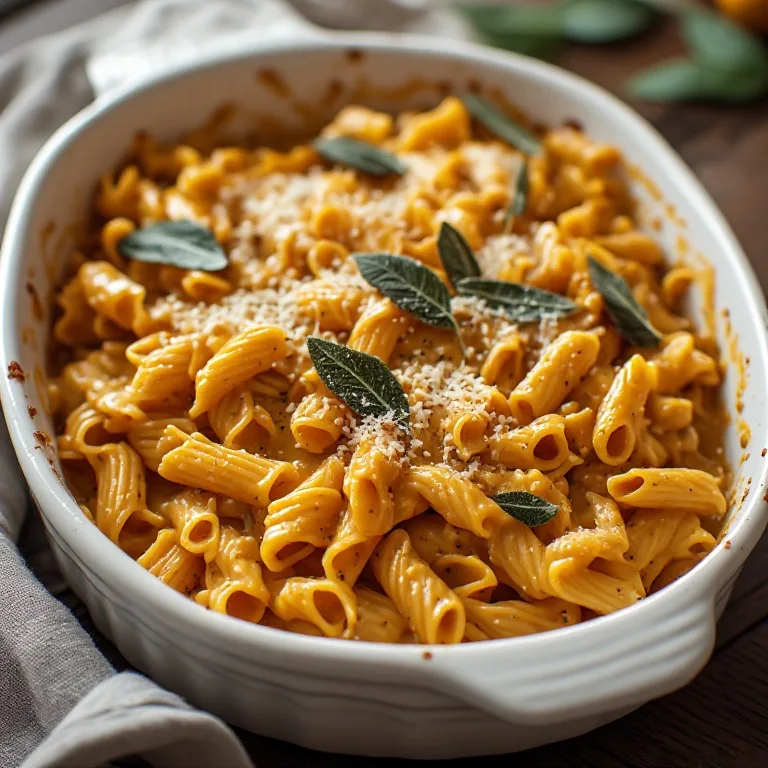
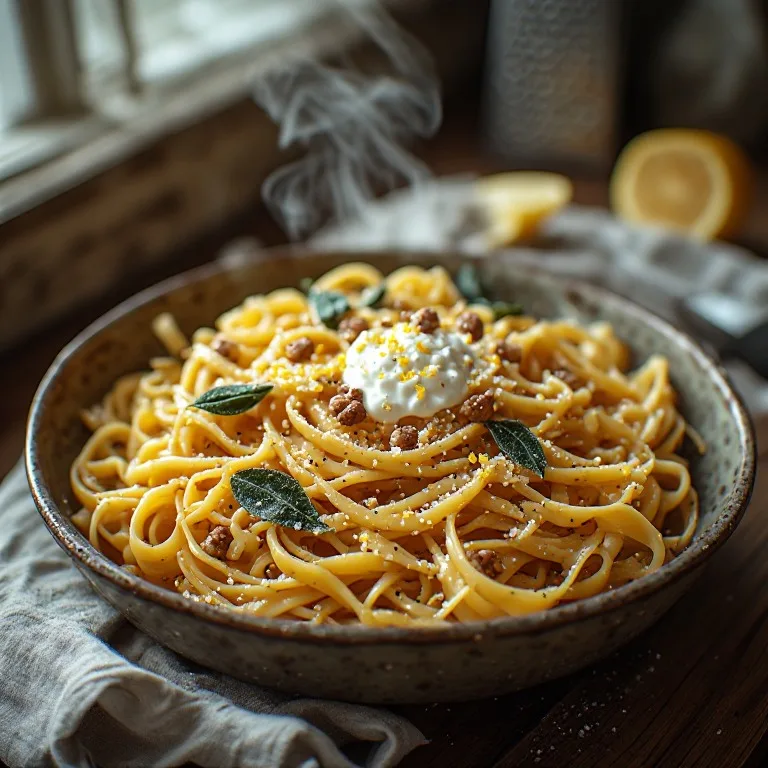
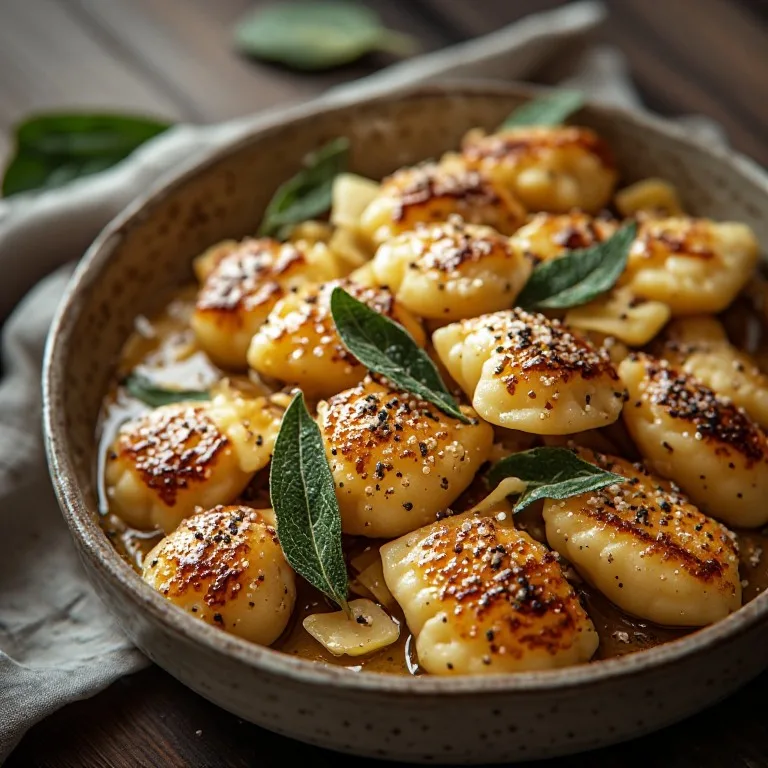
The version responsible for most of the fall 2026 sharing is the one with crispy sage. The technique is elegant: add the fresh sage leaves to the cold pan with the butter, then start heating. The sage fries slowly as the butter melts, foams, and begins to brown. When the leaves turn deep green and lacy (before the butter hits amber), you pull them out with a fork and set them aside. The butter, now sage-infused, continues browning. You end up with a nutty, herb-scented sauce and a handful of crispy sage garnish from the same pan, in the same time.

The leaves are light and shatter when you bite them. Laid over the tossed pasta with a few toasted hazelnuts, they’re why this particular version photographs well and why it keeps circulating.

The pasta water step, walked through

Here is what the emulsification looks like in practice:

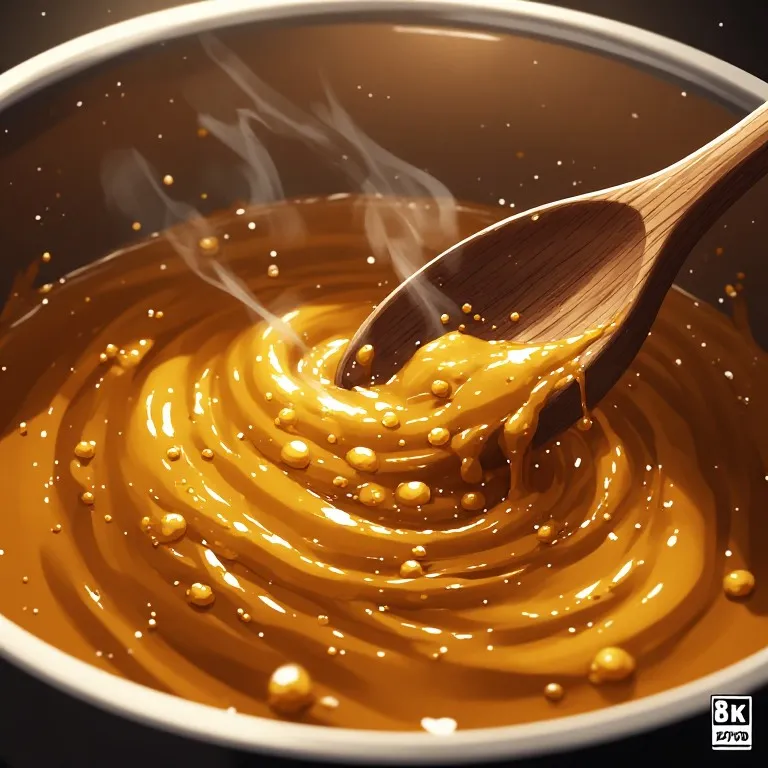
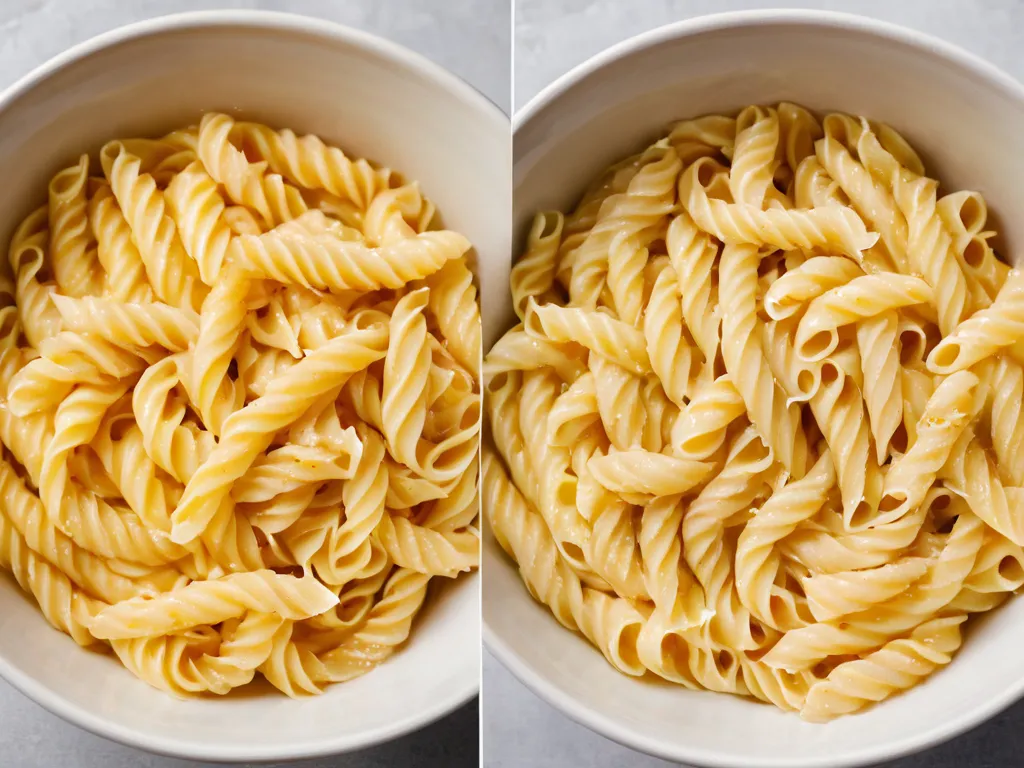
After the butter hits the amber stage and you pull it off the heat — or leave it on low — you add your first tablespoon of boiling pasta water. It will sputter aggressively. That is the hot water hitting hot fat. Keep whisking. After 15–20 seconds, the sauce will go from broken and separated to slightly thickened and glossy. Add another tablespoon and whisk again. After 3–4 additions (about 3–4 tablespoons total), the sauce should coat the back of a spoon with a thin, glossy, emulsified layer. That is the target.

If it still looks thin or greasy, add more pasta water in small splashes and keep whisking. If it looks too watery, give it a minute over medium-low heat while whisking — the sauce tightens as it reduces. Once you have that glossy coating consistency, the pasta goes in and you toss hard for 60 seconds, helping the starch from the pasta surface continue binding with the sauce.

The Parmesan timing matters

Parmesan goes in off the heat. If the pan is still on the burner when the Parmesan hits, the proteins in the cheese cook too fast and the sauce seizes into grainy clumps. With the burner off, the residual heat in the pan melts the cheese slowly and smoothly into the sauce. Grate it very fine — a Microplane produces airy shreds that dissolve in seconds. Pre-shredded Parmesan with anti-caking agents will not melt cleanly here regardless of timing.

The lemon zest

This is the last thing in the pan and the first thing you smell. The acids in lemon zest cut through the fat, sharpen the nuttiness of the browned butter, and lift the whole dish. It’s optional in the sense that you can technically skip it and the pasta will still taste good. But the version with zest tastes intentional in a way the version without it doesn’t. Half a lemon, Microplaned directly over the pasta in the bowl, is enough.

What to serve it with

Brown butter pasta is rich enough to stand alone as a main course. The nutty, umami-forward sauce doesn’t need a protein to feel complete, though seared scallops placed on top (cooked in a separate pan, rested two minutes, sliced) are the pairing that keeps showing up in the TikTok variations. For vegetables: roasted broccoli tossed in olive oil and flaky salt alongside, or a simple arugula salad with lemon and Parmesan dressed separately. The pasta itself is done in 15 minutes, so if you’re adding a vegetable, get it started first.

This is a weeknight dish pretending to be a weekend dish. Once you’ve made the emulsification work once, it’s the kind of recipe you stop measuring.
🥗

Make It Healthier

Love Viral TikTok Brown Butter Pasta: The Emulsification Trick Nobody Tells You but want a lighter version? Try these simple swaps:

  • ✓Reduce the butter to 4 tablespoons and add an extra 2 tablespoons of pasta water to compensate — the sauce will be slightly less rich but still glossy if the emulsification is done correctly.
  • ✓Use whole wheat pasta or a legume-based pasta (chickpea, lentil) to increase fiber and protein by about 4–6g per serving. The technique is identical; start checking doneness 2 minutes early as alternative pastas cook faster.
  • ✓Skip the Parmesan and finish with a tablespoon of white miso whisked into the sauce with the pasta water instead — this gives a similar umami-salt depth with no dairy. The result is a different dish but just as silky.
  • ✓Add a large handful of baby spinach or arugula to the pan with the pasta in the last 30 seconds of tossing — they wilt into the sauce, add color, and cut the richness slightly without changing the technique.

Frequently Asked Questions

What is brown butter pasta and why is it viral?

Brown butter pasta (beurre noisette pasta) is a simple Italian-technique dish where butter is cooked past melted into a nutty, amber stage before being emulsified with starchy pasta water into a glossy sauce. It went viral on TikTok in fall 2026 partly because the technique looks fancier than it is — a two-ingredient sauce (butter + pasta water) produces a result that looks like a restaurant dish — and partly because the emulsification step genuinely changes the texture from greasy to silky in a way that surprises people who try it for the first time. The crispy sage variation (sage fried in the browning butter) was especially shared widely because of how it looks on camera: glossy strands of pasta with dark green, lacy sage leaves.

What is the difference between brown butter pasta and regular butter pasta?

Regular butter pasta (pasta al burro) uses softened or melted butter tossed with hot pasta. The flavor is clean and mild — pure dairy fat. Brown butter pasta cooks the butter to the point where the milk solids undergo the Maillard reaction and caramelize, producing dozens of flavor compounds (furanones, pyrazines) that taste like toasted hazelnuts, caramel, and almost a hint of coffee. The same amount of butter produces dramatically more complex flavor. The other difference is technique: brown butter is hot liquid fat that needs to be emulsified with pasta water before the pasta goes in; regular butter pasta is usually just tossed without that step.

Why is my brown butter pasta greasy?

Almost always because you skipped or rushed the emulsification step. If you drain the pasta and pour brown butter directly over it, the fat coats the surface but doesn't bind to it — the result is greasy, oily pasta where the butter pools at the bottom of the bowl. The fix is to whisk hot starchy pasta water into the brown butter first, before the pasta goes in, until the sauce is glossy and emulsified. The starch in the pasta water acts as a binder between the fat and water, creating a stable sauce. Also confirm your pasta water was boiling hot (not from the tap) and that you added it gradually while whisking, not all at once.

What pasta shape works best for brown butter pasta?

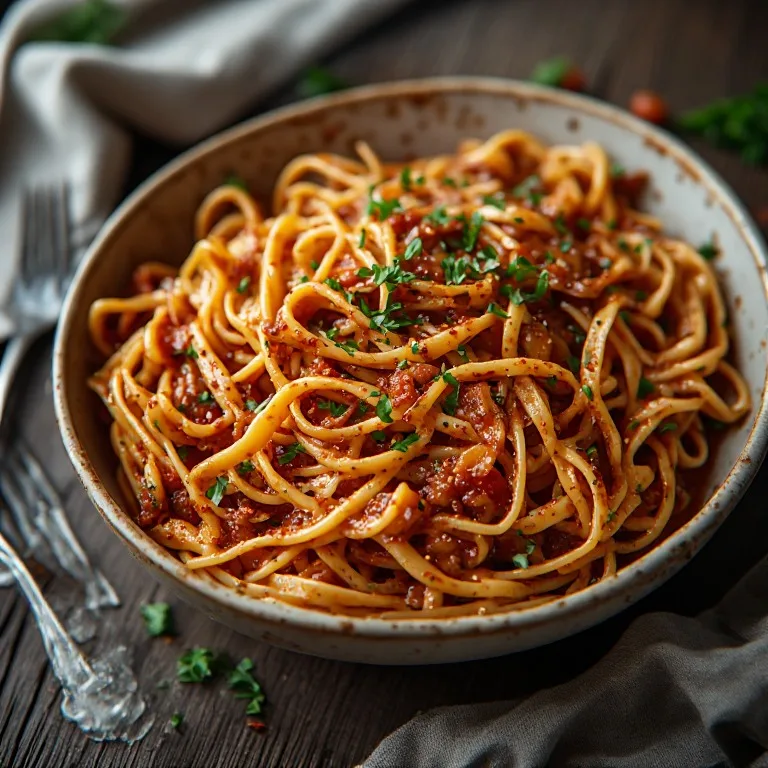
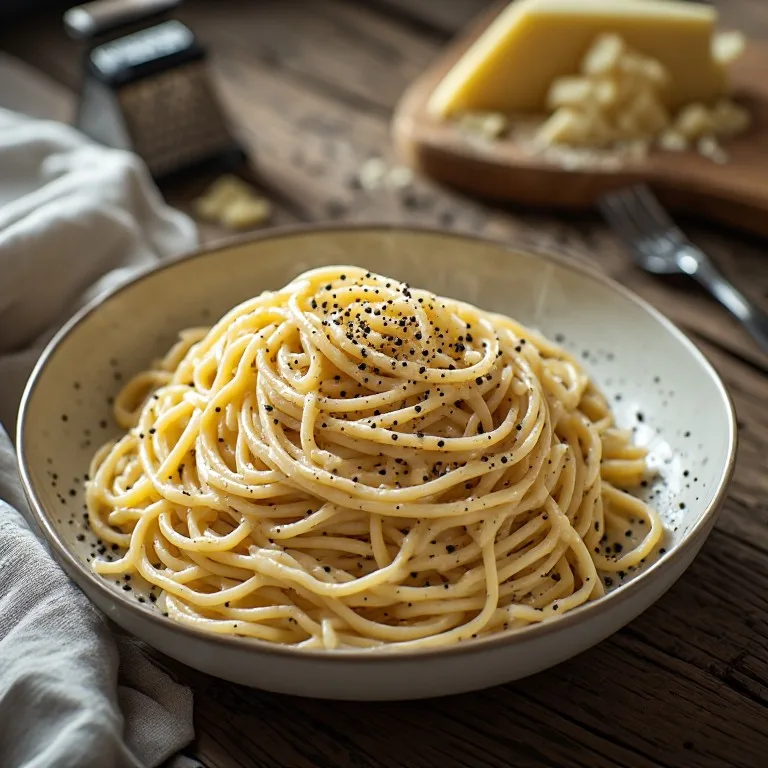
Long pasta — spaghetti, tagliatelle, linguine, fettuccine — shows off the glossy sauce coating most dramatically, which is part of why it photographs so well for TikTok. Tagliatelle is the most forgiving because the wider noodle holds more sauce per bite. Rigatoni and penne (ridged versions) also work well because the ridges trap the sauce inside each piece. Avoid fresh filled pasta like tortellini or ravioli — the filling flavors compete with the delicate nutty butter, and the pasta is too fragile to toss aggressively.

Can I make this with salted butter?

You can, but you lose control of the final salt level. Salted butter's salt content varies by brand (150–200mg sodium per tablespoon), and the Parmesan adds more salt. The result can easily come out over-salted. Unsalted butter lets you control salt through the pasta water (which you adjust) and the Parmesan, then taste and correct at the end. If you only have salted butter, reduce or skip the pasta salt and add the Parmesan gradually, tasting between additions.

How do I know when butter is browned and not burnt?

Three signals: color, smell, and timing. COLOR: the milk solid specks at the bottom of the pan should be amber-brown, like the color of honey or light caramel. White = under-browned (just melted). Deep brown/black = burnt. SMELL: nutty, toasty, like hazelnuts or caramel — this is the Maillard reaction products forming. If it smells sharp, acrid, or like bitter coffee, it's burnt. TIMING: in a medium-hot pan with 6 tablespoons of butter, the total time from cold to done is 4–6 minutes. Past the foam-subsiding point, it goes from amber to burnt in about 30 seconds. Once you smell the nuttiness, pull the pan off the heat immediately — the residual heat in the pan continues cooking the butter for another 30 seconds even off the burner.

Can I add protein to brown butter pasta?

Yes. Pan-seared scallops are the most popular TikTok pairing — sear them in a separate pan and rest on top; the brown butter sauce complements the scallops' natural sweetness. Pan-fried chicken thighs (sliced, added on top) also work. For vegetarian protein: ricotta stirred into the sauce adds creaminess and protein; a fried egg on top turns it into a full meal. Shrimp can be added directly to the brown butter pan before the pasta water step — cook 2–3 minutes per side, remove, make the sauce, return the shrimp at the tossing stage.

How do I store leftover brown butter pasta?

Brown butter pasta doesn't store well. The emulsified sauce breaks as it cools — the butter resolidifies and separates from the water component — and reheating causes it to become greasy and clumped rather than silky. It is meant to be eaten immediately. If you have leftovers, reheat them in a pan with a splash of water over low heat, tossing continuously, and accept that the texture will be less glossy than fresh. Given the 15-minute total cook time, it's better to make it in portions you'll eat immediately.

Love this recipe? Share it!

Free PDF: our 12 most-wanted copycat recipes — instant download.

Made it? Buy us a coffee

Every recipe here is free, with no paywalls. If this one was a hit at your table, a small tip keeps new copycats coming.

$

Ratings & Reviews

—
No ratings yet

Rate this recipe

Click a star to rate

Leave a Review

0/500

CS

Copycat Spices Editorial

Researched + fact-checked. Every recipe on Copycat Spices is built from published sources — official ingredient lists, brand-published recipes, interviews and food-science references — and fact-checked before it goes live, then written as clear, step-by-step instructions for home cooks of all skill levels.

Learn more about our mission →