

Pin It

Viral TikTok Caramelized Cabbage Noodles (The 2026 'Year of Cabbage' Recipe)

Viral TikTok Caramelized Cabbage Noodles (The 2026 'Year of Cabbage' Recipe)
Jump to Recipe
Prep 10 min Cook 30 min Serves 4
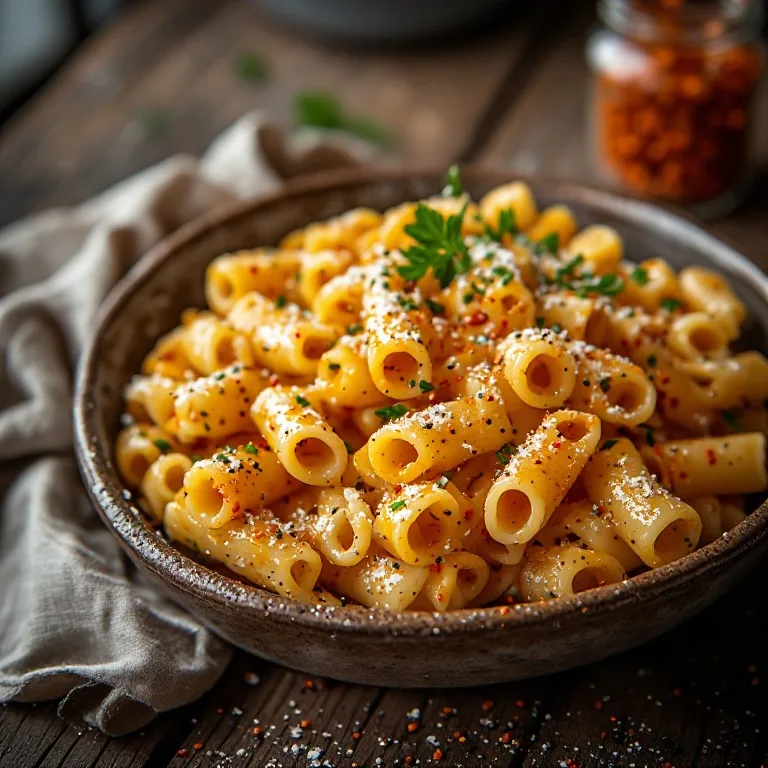
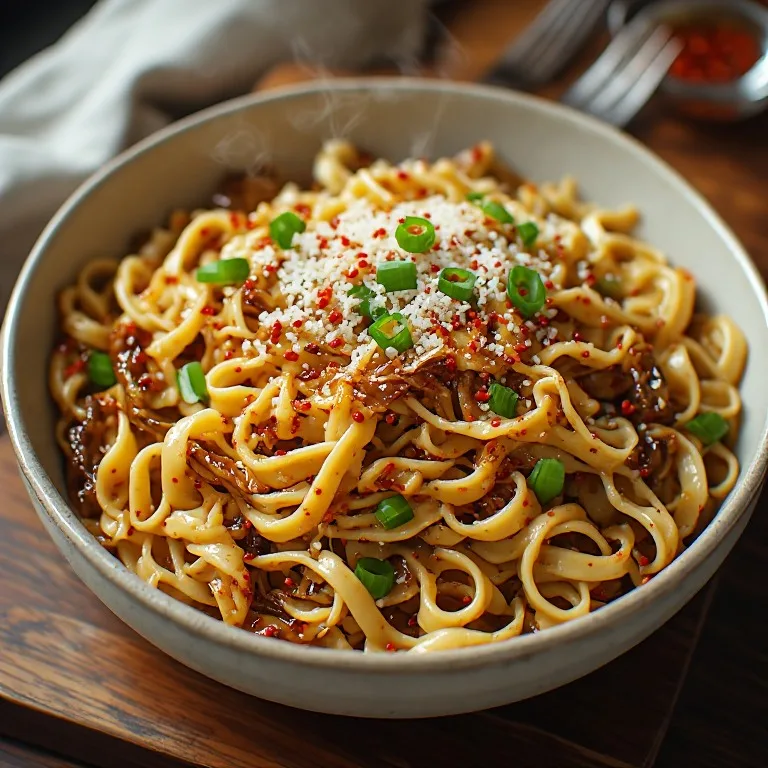
Quick answer: Thinly slice a head of cabbage and cook it in 2 tablespoons of butter over medium heat for 20 to 22 minutes, stirring occasionally, until it's reduced by half and golden at the edges. Meanwhile boil 8 oz wide egg noodles 1 minute under package time — reserve ¼ cup of the starchy pasta water before you drain. Whisk 3 tablespoons white miso paste into the reserved pasta water until smooth. Add the drained noodles to the cabbage pan, pour in the miso mixture, and add the remaining 2 tablespoons of butter. Toss everything together over medium-low heat for 2 minutes until the sauce is glossy and coats the noodles. Top with Parmesan and chili crunch. That's it.

Shop the tools

Gear matched to this recipe. These are Amazon affiliate links — we may earn a small commission if you buy, at no extra cost to you.

As an Amazon Associate, Copycat Spices earns from qualifying purchases. Product images are generic illustrations, not the exact item listed.

Viral TikTok Caramelized Cabbage Noodles (The 2026 'Year of Cabbage' Recipe)

The TikTok caramelized cabbage miso butter noodles that made 2026 'the year of cabbage' — a $2 head of cabbage cooked low-and-slow until golden and sweet, tossed with egg noodles in a glossy white miso butter sauce. Full recipe, the 20-minute caramelization technique, four failure modes, and why this tastes nothing like cabbage soup.

Easy Prep: 10 min Cook: 30 min Total: 40 min4 servings ~$4.50/serving
Prep10 min
Cook30 min
Total40 min
Servings
4
At home~$4.50/serving
vs
Restaurant~$20.25/serving
You save ~78%

The Story Behind the Recipe

The TikTok caramelized cabbage miso butter noodles that made 2026 'the year of cabbage' — a $2 head of cabbage cooked low-and-slow until golden and sweet, tossed with egg noodles in a glossy white miso butter sauce. Full recipe, the 20-minute caramelization technique, four failure modes, and why this tastes nothing like cabbage soup.

Nutrition Facts

Per serving (4 servings)
Calories420
Total Fat17g
Total Carbs55g
Dietary Fiber5g
Sugars7g
Protein12g
Sodium680mg

* Estimated values based on standard recipe preparation. Actual values may vary.

Ingredients

  • Toppings (all optional but highly recommended)

Instructions

💡
Pro tip: This recipe tastes even better the next day. The flavors need time to meld together in the fridge.
❄️
Storage: Keeps in an airtight container in the fridge for up to 2 weeks. Freezer-friendly for up to 3 months.
🎃 Free Halloween cookbook — download now The Copycat Halloween Cookbook A ready-made, photo-illustrated PDF of our best halloween copycat recipes — free to download, no building required. Pay what you want to support if you love it.

Free PDF — instant download. We'll also send new seasonal copycat recipes now and then; unsubscribe anytime. Or just download it →

Food media declared 2026 the year of cabbage. TikTok creator Zoe Barrie (@itszoebarrie) gave the declaration its recipe: a head of green or napa cabbage, cooked low-and-slow until golden and sweet, tossed with egg noodles in a white miso butter sauce. It struck a nerve — a $2 vegetable most people write off as boiled-dinner filler, turned into something they’d happily order at a restaurant. Creator after creator posted their own version, and the surprise was always the same: it tastes nothing like cabbage.

The secret is the 20-minute caramelization. Raw cabbage is watery and faintly bitter. Caramelized cabbage — the same leaf, cooked until it shrinks to half its size and turns golden at the edges — is tender, sweet, and rich. Combined with the salty depth of miso and the glossy emulsion of butter and starchy pasta water, it produces a bowl that reads as deeply savory comfort food, not a vegetable dish.

This recipe is different from the brown butter miso udon on this site. That dish is pure noodle bowl — the technique is browning the butter until nutty, then blooming the miso in the fat. This dish is about the cabbage: the caramelization is the technique, the cabbage is the main ingredient, and the miso butter sauce is there to bind and elevate it. Two different skills, two genuinely different results.

The one technique this recipe depends on

Everything else in this recipe is flexible. The caramelization is not. If you pull the cabbage at 10 minutes because it looks done, you get steamed cabbage that tastes like steamed cabbage. If you take it to 20 to 22 minutes until it has reduced by half and developed golden-brown edges, you get something that tastes like caramelized onions but lighter, with a sweetness the raw vegetable doesn’t hint at.

The visual cues: at 5 minutes, it’s a wilted pale pile. At 12 minutes, it’s reduced by about one-third and smells like nothing much. At 20 to 22 minutes, it has halved in volume, the edges of the thinner strands are visibly golden, and the kitchen smells faintly sweet. That’s the moment. Pull it then.

If the cabbage is still pale and wet-looking past the 15-minute mark, your heat is too low or your pan is too small. Turn it up slightly and let it cook without stirring for 3 to 4 minutes at a stretch — you need the water to evaporate, not pool.

Why the miso slurry step matters

White miso paste doesn’t dissolve easily in a hot pan. Add it directly to the skillet and it seizes into grainy lumps that cling to noodles unevenly. The fix: whisk the miso into the warm reserved pasta water in a small bowl before adding it to the pan. It dissolves completely in 30 seconds and pours in as a smooth, even liquid that coats everything uniformly.

Dissolving the miso in starchy pasta water also improves the sauce. The dissolved starch is what emulsifies the butter and miso into a glossy coating rather than a greasy puddle — the same mechanism that makes cacio e pepe work. Reserve at least ½ cup of pasta water before draining so you have extra if the sauce needs loosening.

Four reasons the recipe fails

1. Pulling the cabbage too early. The most common error. At 10 minutes, the cabbage is wilted but not caramelized — it tastes bland and wet. The full 20 to 22 minutes is not optional if you want the sweetness.

2. Too-small pan or too-low heat. Cabbage releases a lot of moisture. In a crowded pan over low heat, that moisture steams the cabbage instead of evaporating. You need medium-high heat for the first few minutes and a wide pan so the liquid can escape.

3. Forgetting to reserve pasta water. The starchy cooking water is the emulsifier — without it, the miso and butter stay separate and the sauce never becomes glossy. Set a measuring cup next to the pot before you start cooking so you don’t forget to save it.

4. Under-salted pasta water. Egg noodles cooked in plain water taste flat no matter how well-seasoned the sauce is. The water should taste noticeably salty before the noodles go in.

Variations worth trying

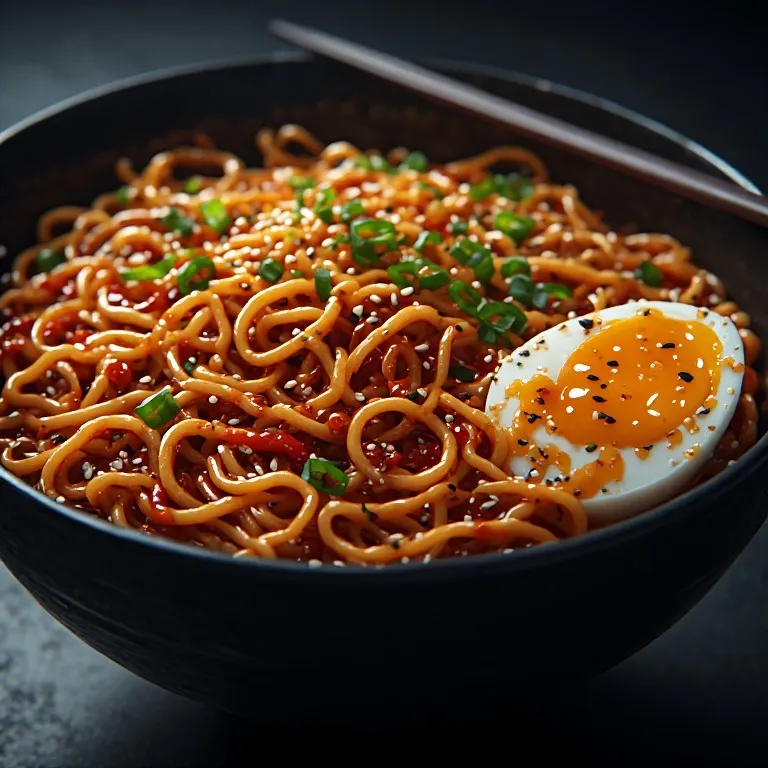
Add a soft-boiled egg. This is the most popular TikTok variation. Start the eggs in boiling water 6 minutes before the noodles come off the heat — 6 minutes produces a barely set white and a fully runny yolk. Peel and halve them, lay on top of the finished noodles, and let the yolk run into the miso butter sauce.

Kimchi version. Add ½ cup of roughly chopped kimchi to the pan in the last 5 minutes of caramelizing the cabbage. The kimchi ferments into the sauce and adds a spicy, tangy contrast to the sweet caramelized cabbage. Reduce the added salt significantly since kimchi is already salty.

Seared chicken thighs. Season boneless thighs with salt and pepper and sear in the pan before the cabbage — 5 to 6 minutes per side over medium-high heat. Set them aside while the cabbage caramelizes, then slice and add back with the noodles. The chicken drippings become part of the sauce.

Traditional Polish haluski. Skip the miso entirely and use the full 4 tablespoons of butter. Add ½ a yellow onion, sliced, to the pan with the cabbage. The result is the classic Central European buttered cabbage and egg noodles dish — simpler, richer, still deeply good. The miso is a 2026 TikTok update; the buttered cabbage noodle is a century-old Eastern European comfort food.

Vegan version. Swap the butter for good olive oil (use 2 tablespoons for cooking, 1 tablespoon finishing) and skip the Parmesan. White miso is typically vegan — check the label since some brands add dashi. The sauce will be less rich but still glossy, and the caramelized cabbage carries the dish.
🥗

Make It Healthier

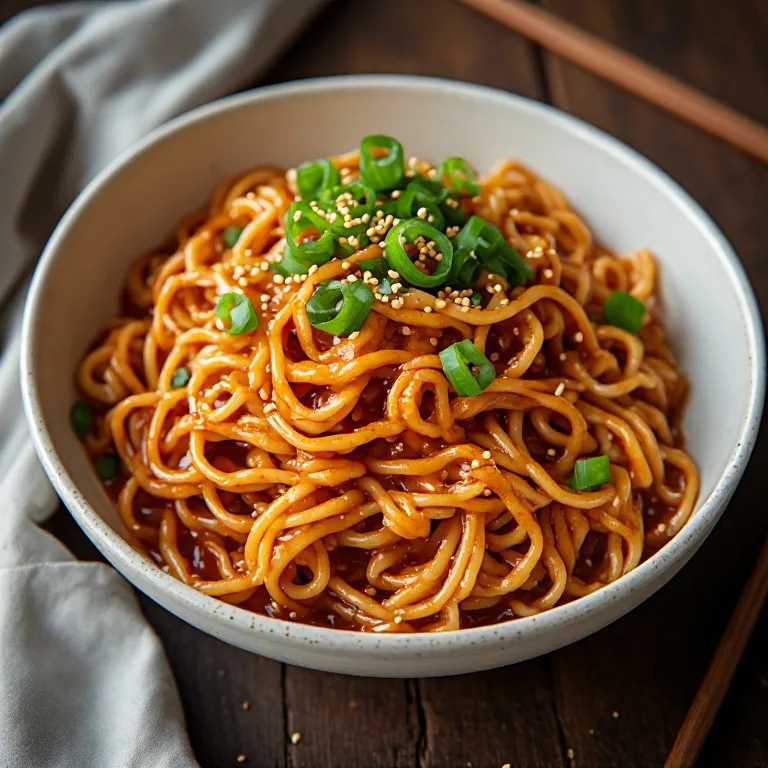
Love Viral TikTok Caramelized Cabbage Noodles (The 2026 'Year of Cabbage' Recipe) but want a lighter version? Try these simple swaps:

  • ✓Cut the butter to 2 tablespoons total (1 for cooking, 1 for finishing) — the miso provides enough flavor that the dish still holds together with less fat. The sauce will be slightly less glossy but still cohesive.
  • ✓White miso is moderately high in sodium. If you are watching sodium intake, use 2 tablespoons miso instead of 3 and taste before adding any additional salt. The noodles and Parmesan both add sodium as well.
  • ✓Add a soft-boiled egg (one per serving) for an extra 6g of protein with minimal fat. Crispy chickpeas or edamame are good plant-based protein additions — toss them in during the last 2 minutes with the noodles.
  • ✓Swap half the egg noodles for additional cabbage — you can easily use a full large head of cabbage to one pound of noodles and the dish leans more vegetable-forward with the same flavor.

Frequently Asked Questions

Why does this taste nothing like cabbage soup?

Because of the caramelization. Raw cabbage is faintly bitter and watery — the flavor most people associate with boiled or steamed cabbage. But cooked low-and-slow over 20+ minutes, the natural sugars in the cabbage undergo the Maillard reaction and begin to brown. The bitter compounds cook off. The texture changes from crunchy and watery to tender and silky. The flavor shifts to something faintly sweet, almost like caramelized onions but lighter. Combined with the salty-fermented miso butter sauce, the result reads more like a deeply savory noodle dish than anything vegetable-adjacent. People who claim to dislike cabbage regularly report being surprised by this recipe.

What's the difference between green cabbage and napa cabbage for this recipe?

Either works, but they behave differently. Green cabbage (the dense, round head) has a stronger raw flavor that mellows significantly when caramelized — it takes the full 22 minutes and develops deeper golden color. The texture stays slightly firmer with a bit more chew. Napa cabbage (the elongated, frilly head) is milder, more delicate, and caramelizes faster — closer to 16 to 18 minutes. It becomes almost silky when cooked down and blends more seamlessly with the noodles. Both are correct. Green cabbage is cheaper and easier to find; napa has a more refined final texture. Red cabbage works too, but it turns the sauce an unappetizing gray-purple — save it for slaws.

Can I use a different noodle instead of egg noodles?

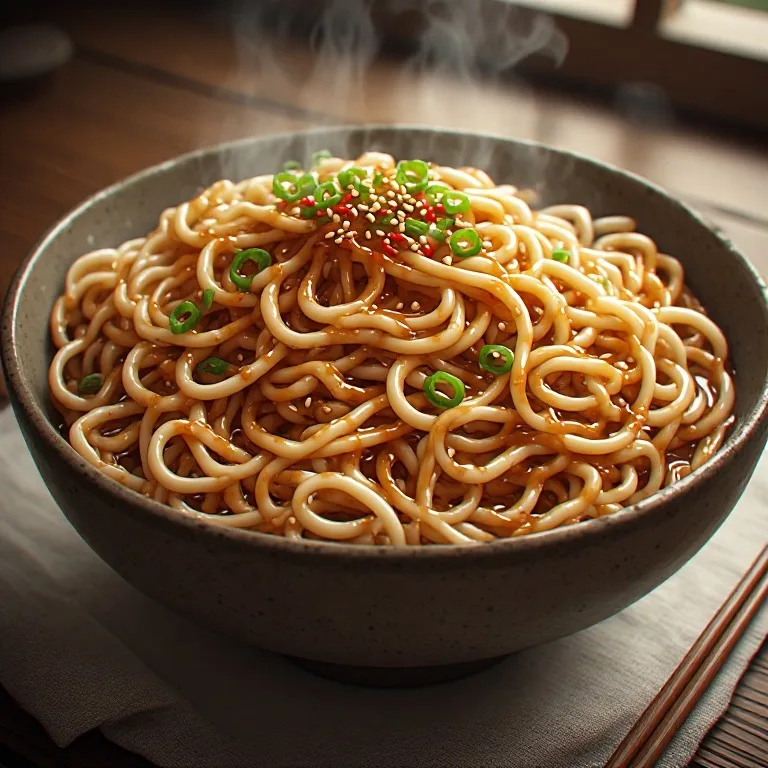
Yes. Wide egg noodles are ideal because the flat, ruffled surface holds the miso butter sauce well and they cook quickly. But spaghetti, linguine, or bucatini all work — they just need to be cooked 1 minute under package time so they finish in the pan. Udon noodles create a thicker, chewier result and pair well with the miso (the brown butter miso udon on this site uses that approach). Rice noodles absorb the sauce differently and can get mushy — cook them fully to package time, don't undercook. Ramen noodles work but thin out fast; serve immediately. Avoid whole-wheat noodles — the earthiness fights the miso.

My cabbage still looks pale and wet after 15 minutes. Is something wrong?

This is the most common issue: the pan is too crowded, the heat is too low, or both. Cabbage releases a significant amount of water as it cooks — in a large, hot pan, that water evaporates quickly and the cabbage begins to brown. In a small pan or over low heat, the water pools and the cabbage steams instead of caramelizing. The fix: increase the heat slightly to medium-high and let the cabbage cook without stirring for 3 to 4 minutes at a time — you want to hear active sizzling, not a quiet gurgle. If the pan is genuinely overcrowded, remove half the cabbage, caramelize the remaining portion, then add the rest back in once it's reduced. The total time may extend to 25 to 28 minutes in this case.

Can I add protein to make this a complete meal?

Yes — several proteins work well without changing the dish's character. A soft-boiled or fried egg is the easiest and most popular TikTok addition — the runny yolk mixes into the miso butter sauce and adds richness. Thinly sliced chicken thighs can be seared in the pan before you add the cabbage, then set aside and added back at the end. Pancetta or bacon lardons, crisped first and set aside, are a classic pairing with braised cabbage. Crispy tofu or tempeh cubes (pressed, cubed, and pan-fried) work well for a plant-based version. Avoid proteins that need long cooking times alongside the cabbage — they'll either dry out or slow the caramelization.

Can I make this ahead of time?

The caramelized cabbage itself can be made up to 3 days ahead and refrigerated — it actually improves overnight as the flavor concentrates. Reheat the cabbage in the pan before adding freshly cooked noodles and the miso sauce. The fully assembled dish does not keep well: egg noodles absorb the sauce within 30 minutes and the texture goes pasty. Always combine the noodles and sauce fresh, using pre-made cabbage as your head start. If you want leftovers, refrigerate them and reheat with a small splash of water to loosen the sauce — it won't be as glossy but the flavor holds for up to 2 days.

What exactly is white miso paste and where do I find it?

White miso (shiro miso) is a fermented soybean paste with a relatively short fermentation period — around 1 to 3 months — which produces a milder, sweeter, less salty paste than red or yellow miso. It tastes faintly savory, slightly sweet, and deeply umami without the sharp saltiness or fermented funk of darker miso varieties. In this recipe, white miso works because it blends into the butter sauce without overpowering the caramelized cabbage. It is available in the refrigerated section of most grocery stores — look near the tofu and Asian condiments. Japanese grocery stores carry the widest selection. If you can only find yellow miso (shinshu), it's an acceptable substitute but slightly saltier; use 2 tablespoons instead of 3 and taste before adding more. Avoid red miso here — it will make the sauce intensely salty and too assertive for this dish.

Love this recipe? Share it!

Free PDF: our 12 most-wanted copycat recipes — instant download.

Made it? Buy us a coffee

Every recipe here is free, with no paywalls. If this one was a hit at your table, a small tip keeps new copycats coming.

$

Ratings & Reviews

—
No ratings yet

Rate this recipe

Click a star to rate

Leave a Review

0/500

CS

Copycat Spices Editorial

Researched + fact-checked. Every recipe on Copycat Spices is built from published sources — official ingredient lists, brand-published recipes, interviews and food-science references — and fact-checked before it goes live, then written as clear, step-by-step instructions for home cooks of all skill levels.

Learn more about our mission →