

Coconut Cloud Latte — The Dairy-Free Iced Latte That Earned Its Viral Moment
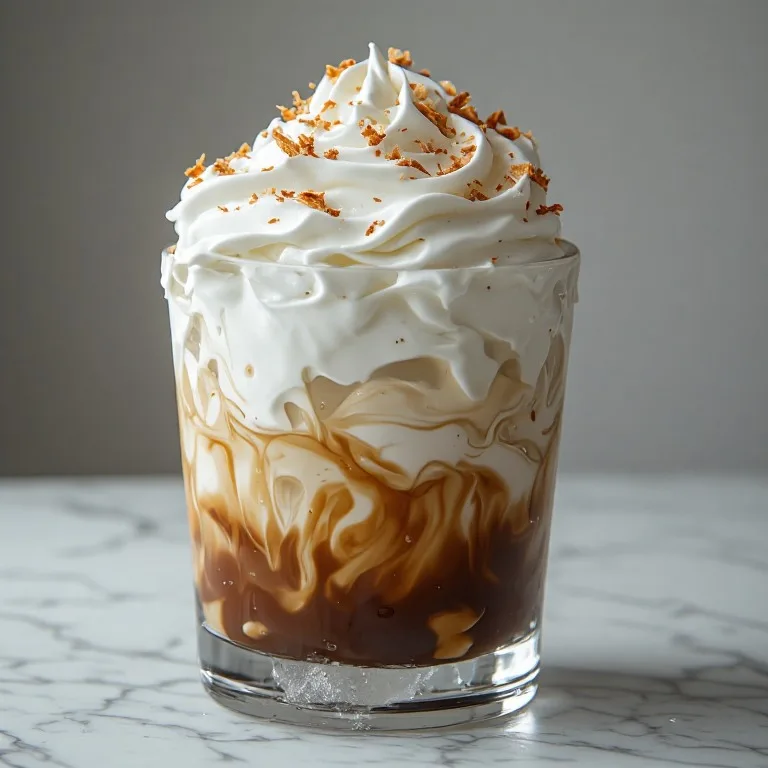
The coconut cloud latte is the kind of drink that makes people stop scrolling. The whipped coconut cream cloud sits above the iced coffee in a perfect dome — stark white against the dark espresso — and slowly, photogenically melts into the drink as you watch. It’s the visual that TikTok was built for.
But unlike a lot of visually-driven trends, this one tastes even better than it looks. The whipped coconut cream is rich, delicately sweet, and faintly tropical — and as it melts into the espresso, it creates a natural sweetness and creaminess that makes the whole drink taste like a high-end cafe experience.
Why Coconut Cream Beats Regular Whipped Cream Here
Most iced lattes use cream poured in — it disperses immediately, changes the color, and adds richness but no visual drama. The coconut cloud technique works differently: the whipped cream floats as a distinct layer, and the experience of drinking through it changes with each sip. Early sips are cold, strong espresso. As the cloud melts, the drink gets progressively creamier and sweeter. By the time you hit the bottom, you’re drinking something closer to a coconut latte than an iced Americano.
The tropical character of the coconut also does something that dairy cream doesn’t: it complements the natural flavor notes in espresso — particularly fruity and slightly floral single-origin espressos — in a way that feels intentional rather than accidental.
The Chilling Step You Cannot Skip
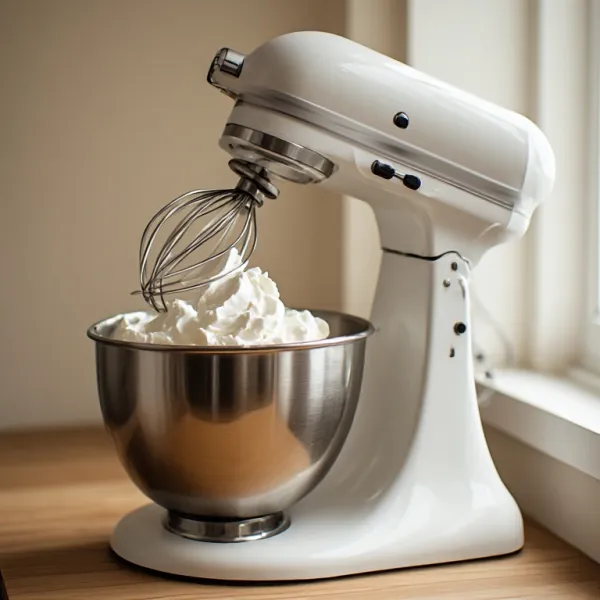
The single non-negotiable step in this recipe is refrigerating the coconut cream overnight. Coconut cream at room temperature is a thick liquid — it won’t whip to peaks no matter how long you run the mixer. The overnight chill solidifies the fat, separating it from the water content in the can. That solid fat is what whips.
Six hours minimum. Overnight is better. If you forget, you can put the can in the freezer for 45–60 minutes in a pinch — check it every 15 minutes so it doesn’t freeze solid.
Also chill your mixing bowl and beaters. Warm equipment can soften the cream before it whips, and you’ll end up with loose, grainy cream instead of stiff peaks. Ten minutes in the freezer is enough.
The Coffee Underneath
The coconut cloud works with any strong coffee, but some combinations are better than others. Recommendations:
- Single-origin Ethiopian espresso: The fruit and floral notes in Ethiopian beans harmonize with coconut in a way that feels designed.
- Cold brew concentrate: Fuller-bodied and less acidic than espresso, which balances the sweetness of the coconut cloud. Use concentrate, not regular cold brew.
- Nespresso or Vertuo pods: The Roma and Fortissio Lungo pods are concentrated enough to hold up against the cream without being overwhelmed.
Avoid flavored espresso syrups here — the coconut cream provides all the sweetness and flavor the drink needs. Vanilla syrup would compete; brown sugar syrup would overpower.
Variations to Try
Cinnamon cardamom coconut cloud: Add 1/4 teaspoon ground cinnamon and 1/8 teaspoon cardamom to the whipped coconut cream before beating. The spice-coconut-coffee combination is deeply warming and slightly exotic.
Mocha coconut cloud: Add 1 teaspoon of good cocoa powder to the coconut cream. The chocolate-coconut-espresso combination is essentially a tropical mocha.
Coconut cloud matcha: Replace the espresso base with 1 teaspoon ceremonial matcha whisked with 1 cup cold oat milk. Top with the coconut cream cloud, garnish with matcha powder. Caffeine without coffee — and the coconut-matcha combination is genuinely lovely.