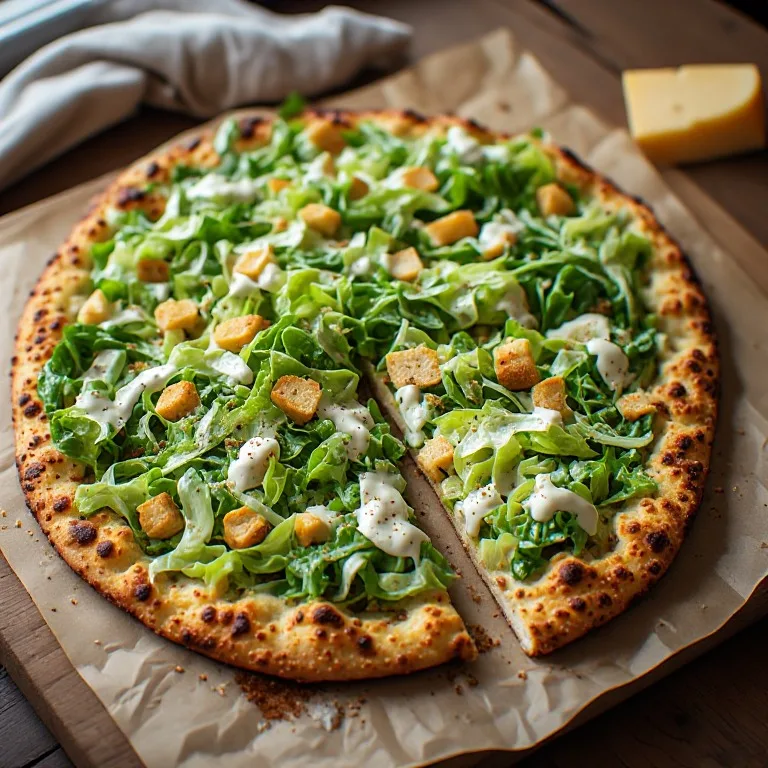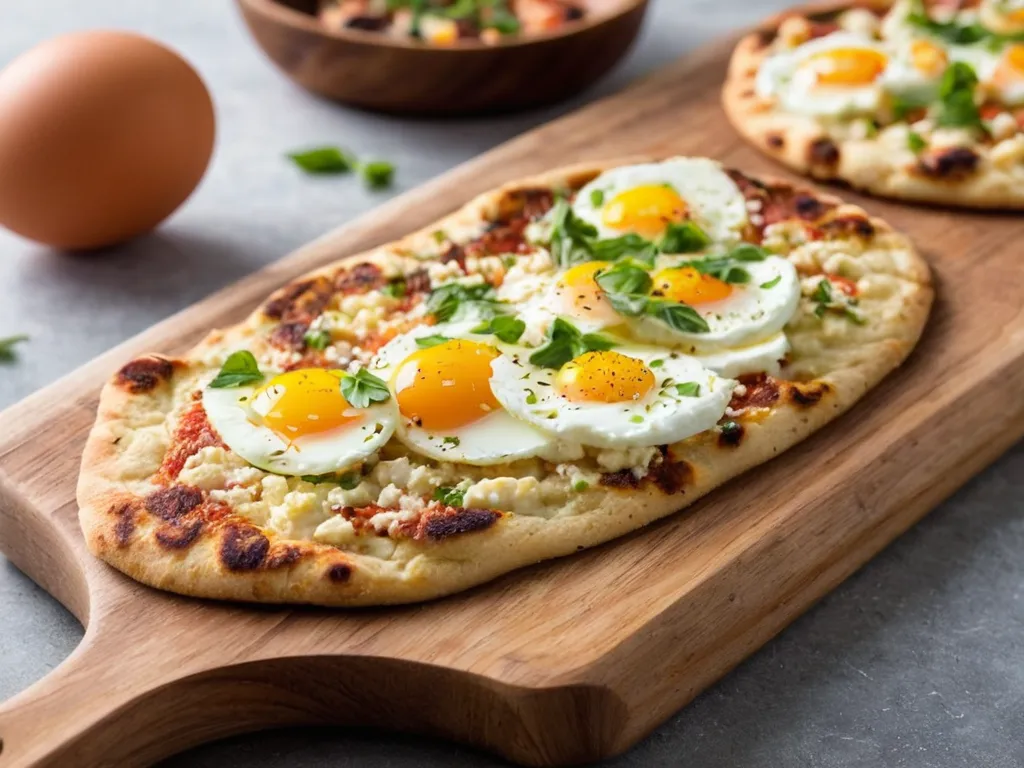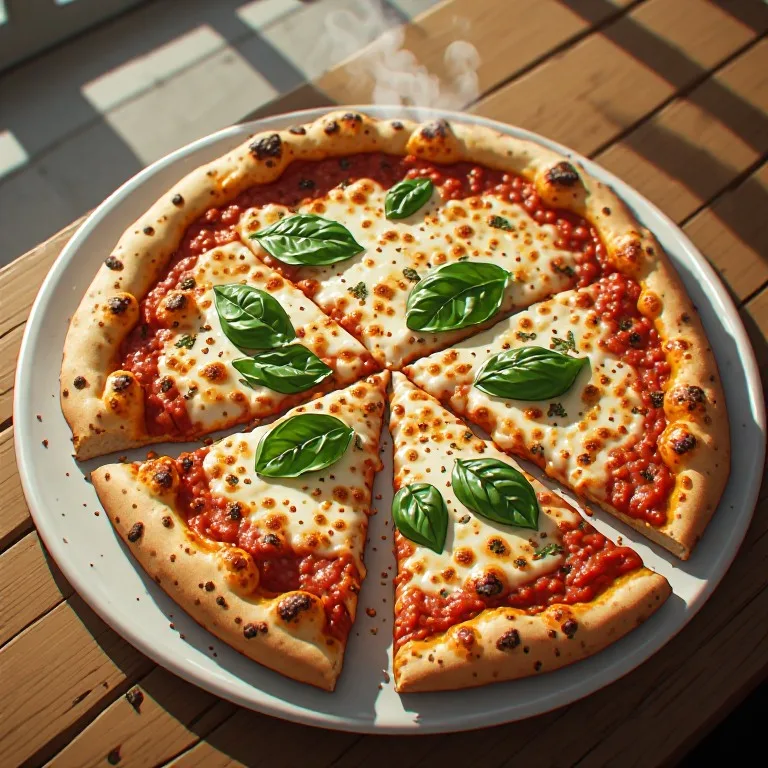

The cottage cheese pizza crust blew up on TikTok in mid-2026 after Hailey Bieber’s version — 1/4 cup cottage cheese, egg whites, and two flours for about 40 grams of protein — spread across #FoodTok and had people wondering whether this was actually a real pizza or some kind of protein-shake situation in circle form. It is a real pizza. It holds toppings, it slices, and it tastes like a thin-crust personal pizza — not like health food.
The version Hailey shared is not the same as the viral cottage cheese flatbread that spread across TikTok in 2024. The flatbread is just cottage cheese and eggs — no flour, no structure beyond what the eggs provide. This pizza crust uses flour and coconut flour alongside a small amount of cottage cheese and egg whites, which creates a genuine dough-like batter that bakes into something firm, sliceable, and capable of holding a layer of marinara and mozzarella without collapsing.
The whole pizza delivers roughly 40 grams of protein. One slice delivers about 10 grams. It takes 20 minutes of oven time and 5 minutes of prep. The original recipe mixes everything with a fork and sets the crust back on the pan — that works, but two small upgrades make it far more reliable: blending the cottage cheese completely smooth before you add anything else, and flipping the crust after the first bake. Both are covered below.
Why This Isn’t Just Cottage Cheese Flatbread With a Name Change
The flatbread recipe uses 1 full cup of cottage cheese per serving with whole eggs and no flour — it’s dense, almost eggy, and works best as a wrap or pizza base when you’re going for maximum protein with minimal carbs. The crust is pliable and slightly chewy.
This pizza crust uses only 1/4 cup of cottage cheese per pizza, but adds two types of flour plus baking powder. The flour gives it genuine dough structure — the gluten web that a regular pizza crust gets from yeast fermentation, you get here from the flour proteins bonding during the bake. The coconut flour absorbs the free moisture from the egg whites and cottage cheese so the batter sets firm rather than steaming into a soft, wet disc. The baking powder creates slight lift during the first bake, which opens the texture slightly and gives it a less dense interior than the flatbread.
The result is a crust that slices cleanly, holds its shape when you pick up a piece, and browns at the edges. It’s not New York-style pizza — the structural integrity tops out around medium-thin-crust territory — but it behaves like a pizza crust, which the flatbread doesn’t quite do.
The One Step You Cannot Skip: Blend Until Smooth
Hailey’s original just mixes the batter with a fork, and if your cottage cheese has small curds you can get away with it — but blending is the single biggest reliability upgrade, and it matters more here than in any other cottage cheese recipe. Cottage cheese is made of casein protein curds suspended in liquid whey. When you bake that curd structure whole, the individual curd pieces don’t integrate into the surrounding batter — they stay as discrete pockets that never fully melt. In a flatbread with a 35-minute bake, the long oven time eventually cooks around the curds. In a pizza crust with a 10-minute first bake, the curds stay soft spots in an otherwise set crust, producing a gummy, uneven texture.
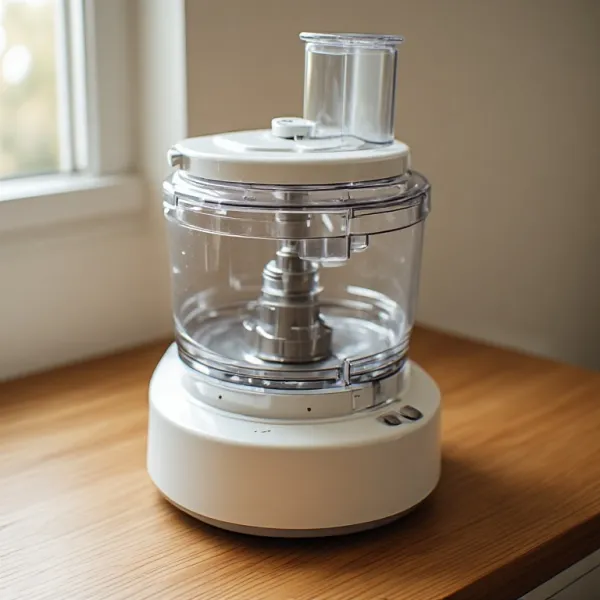
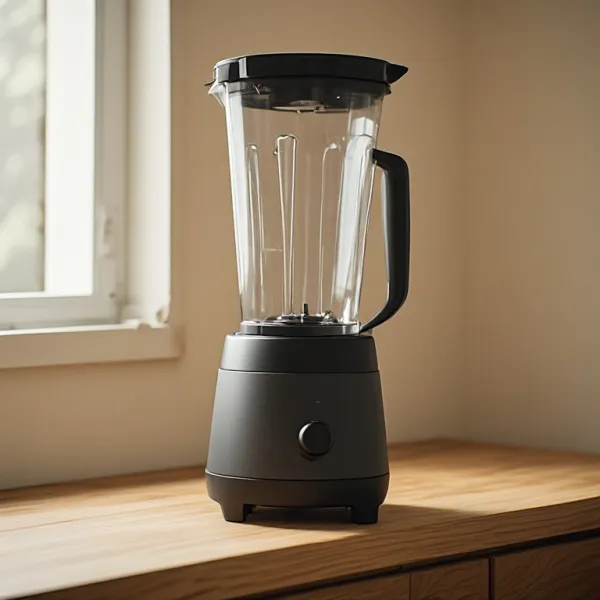
Blending — 30 to 45 seconds in a blender or food processor — emulsifies the curds into the whey and egg whites. The result is a uniform white batter that bakes evenly all the way through. An immersion blender in a tall cup works well and creates less cleanup than a countertop blender.
The Two-Stage Bake and the Flip
Traditional pizza crust goes into a 500°F oven on a hot surface and bakes quickly because it’s thick enough to hold structure. This batter is thin — too thin for a single bake that adds toppings from the start. The toppings create steam as they heat up, and that steam gets trapped under the cold sauce and cheese, keeping the center wet.
The fix is a two-stage bake:
Stage 1: Bare crust, 350°F for 10 minutes. The batter sets, the surface dries, and the edges go slightly golden. At 10 minutes, the crust should lift cleanly from the parchment — if it tears when you try to peel it, give it 2 more minutes.
The flip: Slide a spatula under the set crust and flip it directly onto the bare pan, discarding the parchment. The underside that sat against the parchment was protected from direct heat and is soft. Flipping it exposes that soft side to the hot metal of the pan during the second bake.
Stage 2: Topped crust, 10–12 more minutes at 350°F. The cheese melts, the sauce heats through, and both sides of the crust firm up simultaneously. The result has a dry, slightly crisp bottom rather than the pale, doughy underside you get if you skip the flip.
Three Common Failure Modes
Gummy center: You didn’t blend, used low-fat cottage cheese (higher free moisture), or your oven runs cool. Blend completely smooth, use 4% milkfat cottage cheese, and verify your oven with an inexpensive oven thermometer.
Batter too runny to spread: The coconut flour was skipped or under-measured. Coconut flour is extremely absorbent — it’s doing the moisture-management work that AP flour alone can’t handle. Don’t substitute straight AP flour at 1:1 without adding something else absorbent (ground flaxseed works).
Toppings making the center soggy: Too much sauce or wet toppings (fresh tomatoes, raw mushrooms) that release moisture during the second bake. Keep the sauce layer thin, pat any moisture-releasing toppings dry before using them, and use low-moisture mozzarella rather than fresh.
Variations Worth Making
Gluten-free: Swap the AP flour for any 1:1 GF flour blend. The coconut flour stays the same. The crust will be slightly more delicate — handle the flip carefully.
White pizza: Skip the marinara. Mix 1/4 cup ricotta with 1 minced garlic clove and a tablespoon of olive oil and spread that as the “sauce.” Top with mozzarella, torn basil, and a drizzle of honey. The ricotta adds protein and absorbs into the crust slightly rather than sitting on top.
BBQ chicken: Spread 3 tablespoons of BBQ sauce instead of marinara. Top with 1/3 cup shredded rotisserie chicken, mozzarella, and thinly sliced red onion. Finish with cilantro and a drizzle of BBQ sauce. Similar build to the CPK BBQ Chicken Pizza but with a fraction of the calories.
Veggie-loaded: Pre-sauté any vegetables before topping — raw bell peppers, zucchini, and mushrooms all release moisture that makes the crust soggy. Two minutes in a hot dry skillet before they go on the pizza prevents that.
Carnivore (no flour): Skip both flours and add one extra tablespoon of cottage cheese plus one additional tablespoon of egg whites. Bake at 325°F for 12 minutes instead — the lower temperature compensates for less structure, giving the proteins more time to set before browning. The result is softer, more flatbread-like, and works better as a personal pizza eaten with a fork.
How the Macros Stack Up Against Regular Pizza
A standard 10-inch thin-crust personal pizza (Domino’s-style) runs about 600–750 calories with 25–30 grams of protein and 70–80 grams of carbs. The cottage cheese crust version runs about 380 calories, 40 grams of protein, and 28 grams of carbs — roughly the same protein for half the calories and 40% fewer carbs, largely because the crust itself contributes protein instead of being purely calorie-dense refined flour.
The comparison isn’t “this tastes like pizza” vs. “this doesn’t” — both taste like pizza. The actual tradeoff is whether you want a crust that works as a vehicle for toppings (regular crust) or one that pulls nutritional weight alongside the toppings (this one).
For more high-protein cottage cheese recipes, the cottage cheese tacos use the same full-blend technique in a different form factor, and the high-protein dessert dip covers the snack side of the trend. The cottage cheese flatbread is the flour-free version if you want zero carbs from the crust itself.