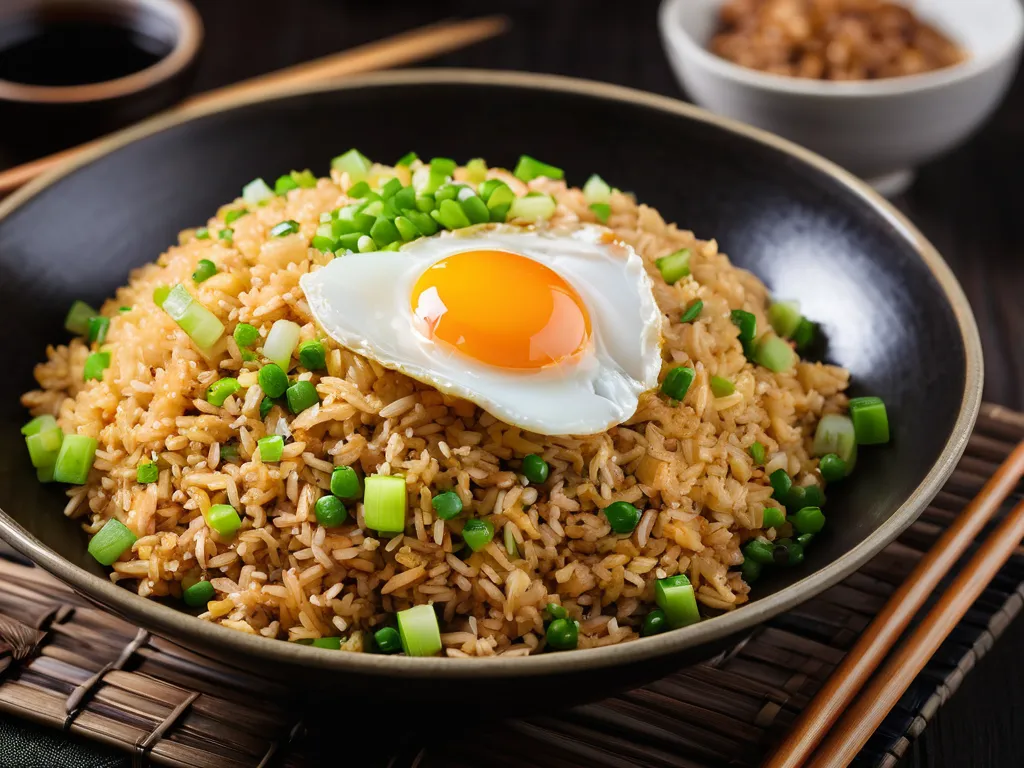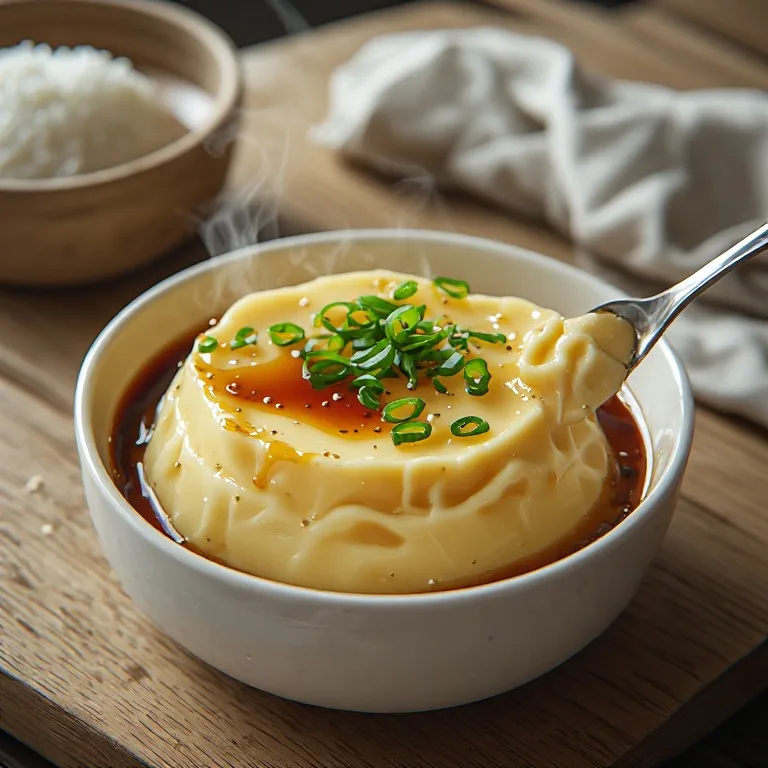



The viral TikTok Chinese steamed egg (蒸水蛋) took over Xiaohongshu when millions of Americans moved there during the January 2025 TikTok ban, and it stuck. A silky, savory egg custard — three ingredients, twelve minutes, one ratio — that’s been a weeknight staple in Chinese home cooking for generations.
The ratio is the recipe: 1 part beaten egg to 2 parts warm water, by volume. Get that right, strain the mixture, cover the bowl, and steam on low heat. Everything else is finishing.
Why This Went Viral
When TikTok went dark in the US in January 2025, hundreds of thousands of Americans migrated to Xiaohongshu (RedNote) and called themselves “TikTok refugees.” Chinese users on the platform welcomed them — and what they shared first, before anything else, was what they actually cooked at home. Steamed egg was one of the most-shared recipes in that first wave.
It travels on video. The spoon sinking through the amber soy sauce drizzle into an impossibly smooth, trembling custard is a visual that requires no translation. The actual recipe was simple enough that even language-barrier-challenged first-timers got it right. By mid-2025 it had migrated back to TikTok (once it returned) and has stayed in rotation as one of FoodTok’s highest-protein, lowest-fuss breakfasts. A serving of Chinese steamed egg plus a bowl of steamed rice runs about 370 calories and 17 grams of protein, and takes under 20 minutes start to finish.
The One Variable That Controls Everything
The egg-to-water ratio. 1 part beaten egg : 2 parts liquid, measured by volume. Four large eggs yield about 180ml of beaten egg, so that’s 360ml of water — a cup and a half.
Too little water: the custard comes out dense, rubbery, and bouncy. Too much: it won’t fully set, and the texture is watery rather than silky. The 1:2 ratio is the consensus across Chinese food writers, restaurant chefs, and the hundreds of RedNote posts that went viral. Some regional variations use 1:1.5 for a slightly firmer custard; 1:2 is the standard for maximum silk.
Chicken broth in place of water is the upgrade worth trying. Same ratio, same technique, with 2–3 grams of extra protein per serving and a flavor that’s noticeably deeper without being assertive. Unsalted or very low-sodium broth only — you’re already adding soy sauce at the end.
The Straining Step (Don’t Skip It)
Pour the beaten egg-water mixture through a fine-mesh sieve into the steaming bowl before it goes anywhere near heat. This removes chalazae (the stringy strands holding the yolk to the shell) and any surface bubbles introduced during mixing. Bubbles become craters. A smooth surface going into the steamer is the only way to get a smooth surface coming out.
After straining, look at the surface. If you see any bubbles, skim them with a spoon or touch them with a corner of a paper towel. Then cover the bowl tightly — cling wrap pressed close to the surface, or a plate that fits snugly. The cover does two jobs: it prevents condensation from the steamer lid from dripping back onto the custard, and it distributes steam evenly around the bowl.
Steam Low and Slow
Medium-low heat, not high. A violent boil overheats the edges of the custard before the center sets and causes the egg proteins to seize suddenly — the exact texture you’re trying to avoid. Gentle, steady steam for 12–14 minutes. At 12 minutes, nudge the bowl: the custard should wobble as one connected unit, like set Jell-O. If the center is still liquid, cover and steam 2 more minutes.
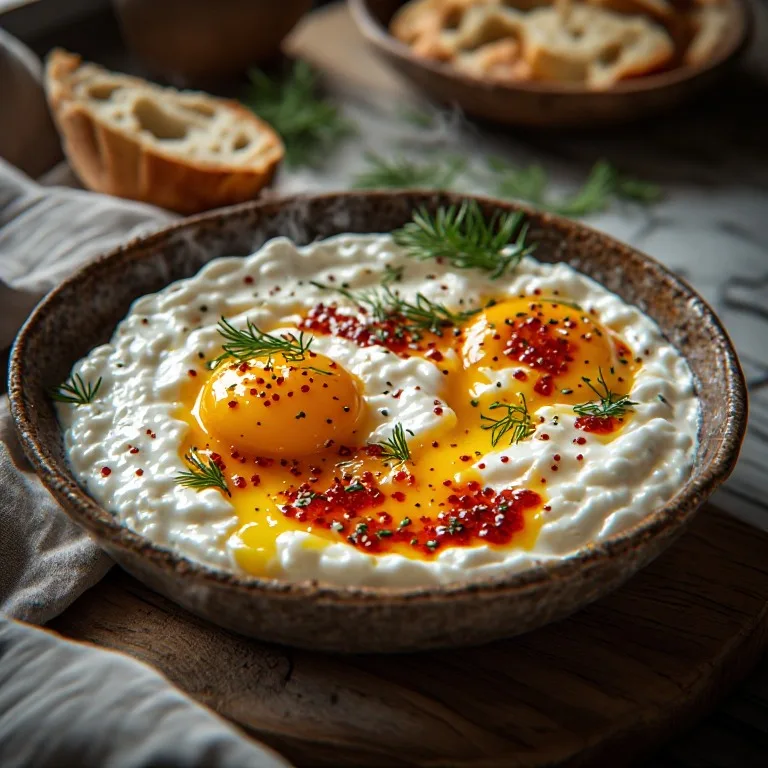
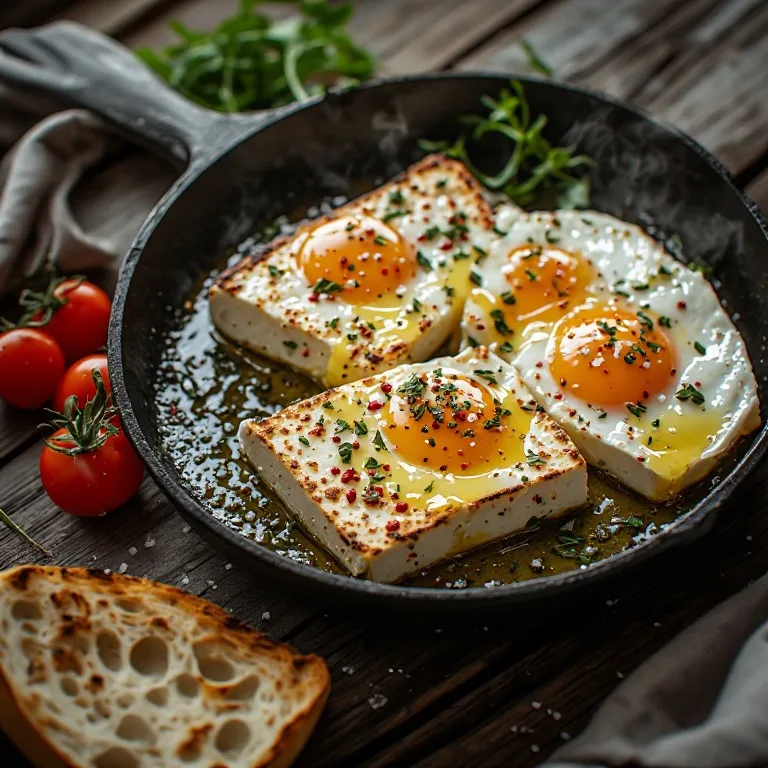
The Turkish eggs and crispy feta eggs on this site use completely different techniques but the same principle — eggs are fragile proteins that respond to gentle heat, not aggressive heat. Chinese steamed egg just makes that principle its entire technique.
The Drizzle
Light soy sauce (not regular, not dark), sesame oil, scallions. That’s the canonical finish. The soy sauce pools in the surface of the custard and seasons each spoonful differently depending on where your spoon lands — some bites are more savory, some more neutral, and the variation is part of what makes it interesting.
For a more dramatic presentation: score the surface of the custard in a crosshatch with a knife before adding the drizzle, and let the soy sauce seep into the cuts. This is what the most viral videos show — the amber liquid filling the scored lines against the pale custard. Serve immediately over steamed rice. The rice absorbs the extra soy sauce the same way it absorbs the sauce from chili oil noodles — the bowl becomes self-saucing.