

Pin It

Viral TikTok Tiramisu Overnight Oats — The High-Protein Breakfast That Actually Tastes Like Dessert

Viral TikTok Tiramisu Overnight Oats — The High-Protein Breakfast That Actually Tastes Like Dessert
Jump to Recipe
Prep 8 min Cook 0 min Serves 1 jar
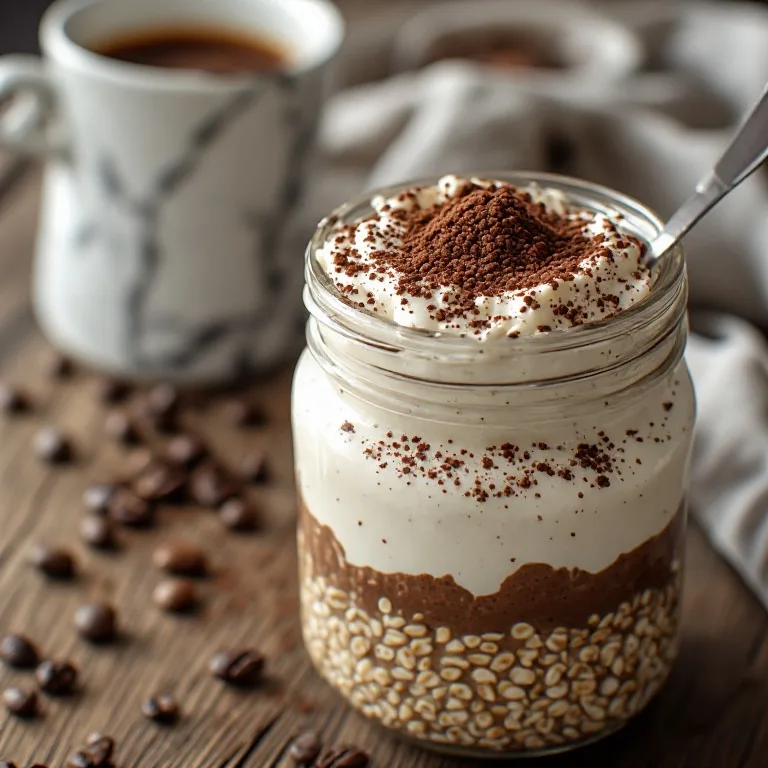
Quick answer: Combine ½ cup rolled oats, 1 shot cooled espresso (or 3 tablespoons strong cold-brew concentrate), ¼ cup milk, 2 tablespoons plain Greek yogurt, 1 teaspoon maple syrup, ½ teaspoon vanilla extract, and a pinch of salt in a jar. Stir, cover, and refrigerate at least 6 hours or overnight. In the morning, whisk together ¼ cup full-fat Greek yogurt (or mascarpone), 1 teaspoon maple syrup, and ¼ teaspoon vanilla until smooth and thick. Spread this cream layer over the chilled oats. Dust generously with unsweetened cocoa powder right before eating — never the night before. That mascarpone-style cream layer on top is the entire difference between tiramisu overnight oats and plain mocha oats.

Shop the tools

Gear matched to this recipe. These are Amazon affiliate links — we may earn a small commission if you buy, at no extra cost to you.

As an Amazon Associate, Copycat Spices earns from qualifying purchases. Product images are generic illustrations, not the exact item listed.

Viral TikTok Tiramisu Overnight Oats — The High-Protein Breakfast That Actually Tastes Like Dessert

The TikTok tiramisu overnight oats trend done right: oats soaked overnight in real espresso and vanilla, topped in the morning with a thick mascarpone-yogurt cream and a fresh cocoa dusting. Here are the three mistakes that make it taste like mocha oats instead of tiramisu — and exactly how to fix them.

Easy Prep: 8 min Cook: 0 min Total: 8 min1 jar servings ~$4.50/serving
Prep8 min
Cook0 min
Total8 min
Servings
1
At home~$4.50/serving
vs
Restaurant~$20.25/serving
You save ~78%

The Story Behind the Recipe

The TikTok tiramisu overnight oats trend done right: oats soaked overnight in real espresso and vanilla, topped in the morning with a thick mascarpone-yogurt cream and a fresh cocoa dusting. Here are the three mistakes that make it taste like mocha oats instead of tiramisu — and exactly how to fix them.

Nutrition Facts

Per serving (1 jar servings)
Calories340
Total Fat9 g
Total Carbs44 g
Dietary Fiber4 g
Sugars14 g
Protein16 g

* Estimated values based on standard recipe preparation. Actual values may vary.

Ingredients

  • For the overnight oat base
  • For the morning cream layer (add day-of, never overnight)
  • For the cocoa dusting (add right before eating)
  • Optional high-protein upgrade

Instructions

💡
Pro tip: This recipe tastes even better the next day. The flavors need time to meld together in the fridge.
❄️
Storage: Keeps in an airtight container in the fridge for up to 2 weeks. Freezer-friendly for up to 3 months.
🎃 Free Halloween cookbook — download now The Copycat Halloween Cookbook A ready-made, photo-illustrated PDF of our best halloween copycat recipes — free to download, no building required. Pay what you want to support if you love it.

Free PDF — instant download. We'll also send new seasonal copycat recipes now and then; unsubscribe anytime. Or just download it →

The most-watched tiramisu overnight oats videos on TikTok share a single shot of someone slicing a spoon through a thick white cream layer into coffee-soaked oats beneath, cocoa dusting clouding up from the break point. It looks exactly like a cross-section of tiramisu.

Most copycat recipes miss one step that makes that shot possible — and without it, you get mocha overnight oats.

The step is the cream layer. It goes on in the morning, cold and thick, spread over the chilled oats like the mascarpone cream in real tiramisu. Not mixed in. Not swirled through. Spooned on as a distinct layer, then dusted immediately before eating.

The Three Reasons It Tastes Like Mocha Oats Instead of Tiramisu

Mistake 1: Using coffee creamer or weak brewed coffee instead of espresso. Coffee flavor is volatile — it degrades overnight in a cold, acidic environment. Brewed drip coffee and creamer lose most of their coffee character by morning and leave a faint, sweet background note rather than the bold bitterness that makes tiramisu taste like tiramisu. You need a full shot of espresso (or cold-brew concentrate at a 3:1 ratio) — that concentration of coffee solids survives the overnight soak and remains distinct. If you don’t have an espresso machine, 3 tablespoons of cold-brew concentrate from a bottle is the correct substitution; it won’t taste identical but it carries enough intensity.

Mistake 2: Mixing the cream layer into the oats the night before. Real tiramisu has layers: soaked ladyfingers, then mascarpone cream, then cocoa. The visual and textural contrast between the layers is why it works. When the cream is mixed into the oat base overnight, it dissolves into the oats, thins out, and disappears. What you get in the morning is a uniform, coffee-flavored oat mush with cocoa stirred through — mocha oats. The cream layer must be made fresh in the morning, cold, thick, and spread as a distinct top layer over the cold oats. This takes 30 seconds of whisking. It’s not a difficult step; it’s just a step that recipes skip when they optimize for “just dump everything in the night before.”

Mistake 3: Adding the cocoa dusting the night before. Cocoa powder is hydrophilic — it absorbs moisture aggressively. Left on top of the cold cream layer overnight, it pulls water from the yogurt surface and turns from a dry, powdery, lightly bitter dust into a damp, dark paste with a muddy texture and muted flavor. The contrast between dry bitter cocoa and cold sweet cream is the same contrast that makes tiramisu worth eating. Add it immediately before eating, never before.

Why the Cream Layer Matters

In a real tiramisu, the mascarpone cream is made with egg yolks, sugar, and whipped mascarpone — rich, dense, and barely sweetened. The cream sits on top of the ladyfingers rather than soaking into them because it’s thick enough to hold its shape.

In the TikTok version, the cream layer is full-fat Greek yogurt whisked with a small amount of maple syrup and vanilla. It’s not mascarpone — it’s tangier, lighter, and lower in fat — but it has enough body to sit on top of the cold oats as a distinct layer rather than seeping in. Full-fat Greek yogurt is non-negotiable: low-fat yogurt is too thin and it pools into the oats within 5 minutes of being applied. If you use mascarpone, 2 tablespoons is enough; more than that and the layer becomes too rich and the calorie count climbs fast.

The cream layer is also where the high-protein versions diverge from the aesthetic versions. Greek yogurt adds 6 grams of protein per quarter cup. If you use mascarpone for the more authentic flavor, you sacrifice that protein contribution. Both approaches are correct — they’re optimizing for different things.

The Base: What You Can’t Skip

The espresso must be cooled before it hits the oats. Hot espresso over dry rolled oats partially cooks the outer surface of the oat grains — the texture is slightly pasty rather than evenly creamy. Pull the shot, give it 10 minutes to cool to room temperature, or pour it over ice for 2 minutes and then remove the ice. Room temperature is fine; refrigerator-cold is ideal.

The small amount of Greek yogurt in the base is not the same as the cream layer. The 2 tablespoons of yogurt mixed into the base overnight are there to slightly thicken the oat base and round off the acidity of the espresso — not to create the cream layer. It disappears into the oats overnight, and that’s correct. The cream layer is built fresh in the morning with a full quarter cup.

Salt makes a real difference here. A pinch of fine sea salt in the oat base suppresses the bitterness of the espresso and makes the sweetness of the maple syrup read as more balanced. Skip it and the espresso can read sharp and astringent in the morning. A pinch is literally the amount that sits in the center of your fingertip — don’t overdo it.

The High-Protein Version (35+ Grams)

The TikTok protein-focused accounts push this into territory that actually lands: stir one scoop of vanilla protein powder into the oat base before refrigerating and use full-fat Greek yogurt (not mascarpone) for the morning cream layer. Total protein lands at roughly 35–40 grams per jar at around 430–450 calories — an uncommonly high protein-to-calorie ratio for a breakfast that tastes like dessert.

Two things to watch: most protein powders are sweetened, so reduce the maple syrup in the base to ½ teaspoon or the result is cloyingly sweet. And protein powder added to the cream layer (a trend) changes the texture to slightly chalky and gritty — keep it in the base only, where it absorbs overnight and the texture integrates fully.

Variations

Espresso martini version. Add ¼ teaspoon of espresso powder to the cream layer (not just the base). The cream layer gets a visible coffee tint and a more intense espresso flavor — closer to an espresso martini than a classic tiramisu. Add a few chocolate-covered espresso beans on top as garnish after the cocoa dusting.

Chocolate hazelnut. Add 1 teaspoon of unsweetened cocoa powder to the oat base overnight and whisk 1 teaspoon of hazelnut spread (Nutella or a natural hazelnut butter) into the cream layer. The hazelnut bridges the espresso and chocolate notes in a way that reads distinctly Italian.

Cardamom espresso. Add ¼ teaspoon of ground cardamom to the oat base. Cardamom and espresso is a Middle Eastern combination that is genuinely excellent here — the floral, slightly citrusy note from the cardamom makes the coffee flavor more complex without competing with it.

Dairy-free. Use oat milk in the base, replace the Greek yogurt in the base with 2 tablespoons of coconut yogurt (full-fat), and build the morning cream layer with full-fat coconut yogurt. Coconut yogurt has enough body to hold the layer shape. The cream layer will have a faint coconut background, which works reasonably well with the espresso flavor.

What to Pair It With

The jar is a complete breakfast. If you want something alongside, a second espresso or a strong cold brew extends the tiramisu effect and cuts through the sweetness of the maple syrup. Keep additional food light — the oat base plus cream layer is already 340 calories.

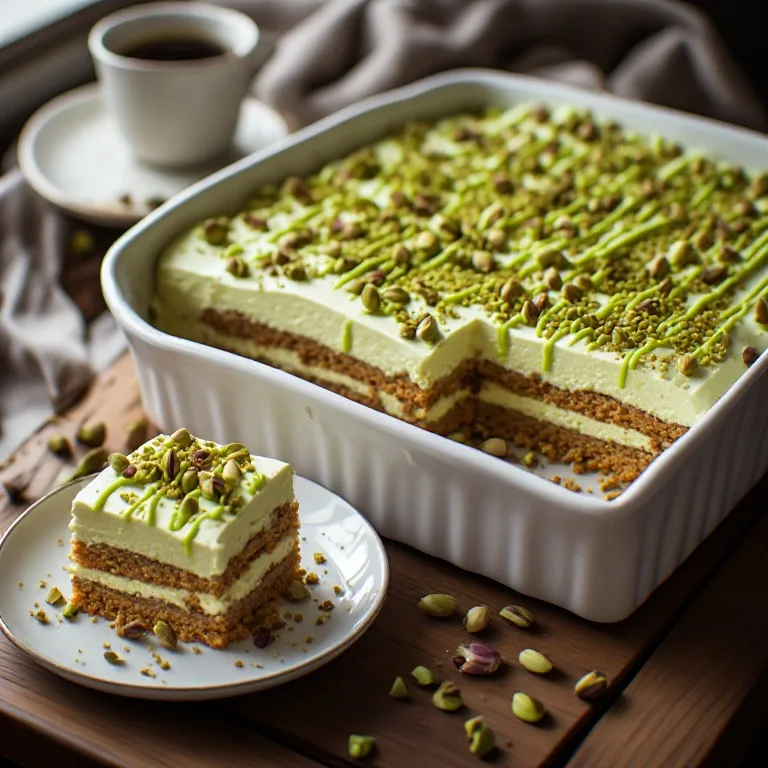
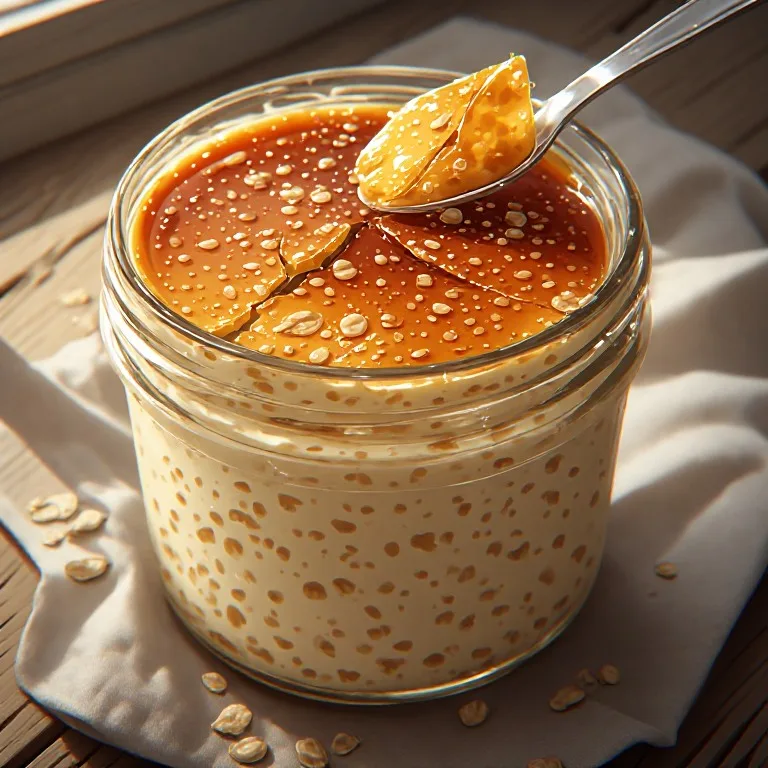
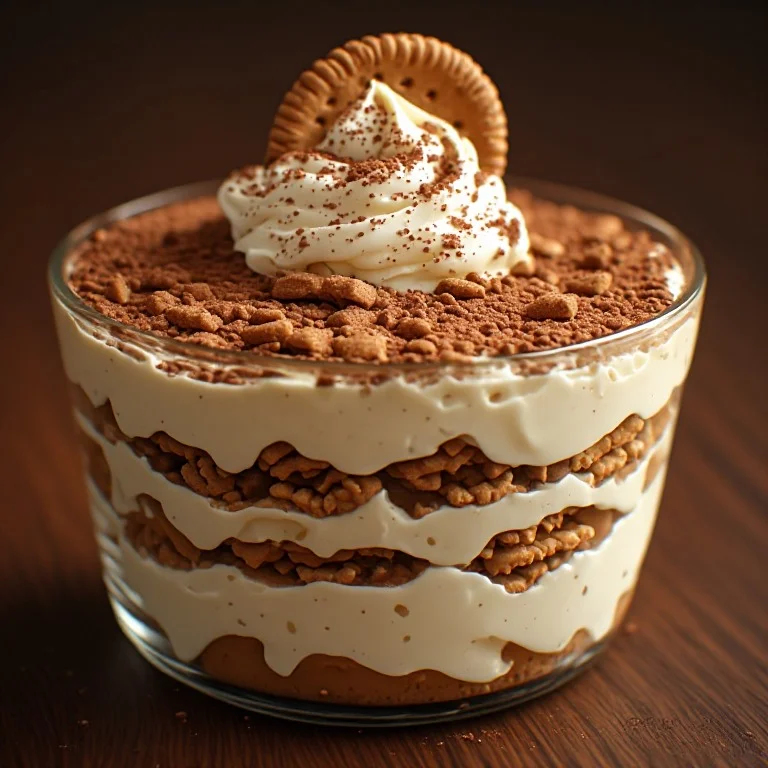
For another cold, prep-ahead breakfast with dessert DNA: crème brûlée overnight oats uses the same overnight base structure with a torched sugar shell instead of a cream layer. Biscoff yogurt tiramisu skips the oats entirely and builds straight on the layered-tiramisu concept with cookie wafers, and the pistachio tiramisu swaps the cocoa dusting for crushed pistachio if you want the same layered structure in a different flavor. If you’re chasing the protein number above all else, protein coffee hits a similar macro profile without the oats.
Frequently Asked Questions

What makes this taste like tiramisu and not just mocha overnight oats?

Three things that most recipes skip: (1) real espresso in the base, not instant coffee or coffee creamer — tiramisu requires the bitterness and intensity of espresso to cut through the richness; (2) the cream layer goes on in the morning as a separate, distinct layer, exactly like mascarpone cream in real tiramisu, rather than mixed into the oats overnight; and (3) the cocoa dusting is the last step, right before eating, while it still has a dry, slightly bitter contrast to the sweet cream beneath it. Recipes that skip the cream layer and just sprinkle cocoa on oats are making mocha overnight oats, not tiramisu overnight oats.

Can I use instant coffee instead of espresso?

You can, but it's a significant downgrade. Dissolve 1 teaspoon of instant espresso powder (not regular instant coffee) in 2 tablespoons of warm water and cool it before adding. The flavor is sharper and more one-dimensional than pulled espresso, but it carries the coffee bitterness through the overnight soak much better than brewed drip coffee or diluted instant coffee. Regular instant coffee is too weak — the coffee flavor almost entirely disappears by morning.

Will it work with instant oats or steel-cut oats?

No to both. Instant oats absorb liquid in 15–30 minutes and turn to a homogeneous paste by morning — you lose all texture and the base goes almost liquid in places. Steel-cut oats barely soften in cold liquid overnight; the texture is still firm, chewy, and unevenly hydrated at 6–8 hours. Old-fashioned rolled oats are the only variety that fully absorbs the espresso-milk mixture while keeping a creamy but slightly textured result.

Can I use mascarpone instead of Greek yogurt in the cream layer?

Yes, and it's genuinely better if you have it. Use 2 tablespoons of mascarpone whisked with 1 teaspoon maple syrup and ¼ teaspoon vanilla — mascarpone is higher fat and nearly neutral in acidity compared to Greek yogurt, which gives you a cream layer that is noticeably richer and closer to real tiramisu. The trade-off is about 60 additional calories and 6 grams of fat. Mascarpone can usually be found in the specialty cheese section of larger grocery stores. Full-fat Greek yogurt is an excellent substitute and adds 6 grams of extra protein.

How do I make the high-protein version with 35+ grams of protein?

Stir one scoop (25–30g) of vanilla protein powder directly into the oat base before refrigerating. Reduce the maple syrup in the base to ½ teaspoon, since most protein powders are already sweetened. Use full-fat Greek yogurt (not mascarpone) for the morning cream layer to add 6 more grams of protein. Total with protein powder: approximately 430–450 calories and 35–40 grams of protein per jar. Many TikTok creators add protein powder to the cream layer too — it changes the texture to slightly chalky and is not recommended.

Can I make this in advance for the whole week?

Make the oat base in advance — up to 4 days in the fridge. Store it without the cream layer or cocoa. Each morning, pull a jar, make the cream layer fresh (30 seconds of whisking), spread it on, dust with cocoa, and eat. Never pre-apply the cream layer or the cocoa — the cream layer weeps water into the oats overnight and the cocoa turns damp. Sunday-night batch-prep of 4–5 oat bases is the most efficient approach.

What is Dutch-process cocoa and does it matter here?

Dutch-process (or 'dutched') cocoa has been treated with an alkalizing agent that neutralizes its natural acidity, resulting in a darker color and a rounder, less bitter flavor than natural cocoa powder. Real Italian tiramisu uses Dutch-process or a similar treated cocoa — the darker color and smoother flavor are the visual and taste signature. Natural cocoa (like Hershey's standard) works but produces a lighter brown dusting and a sharper, more acidic finish. Valrhona, Guittard, and King Arthur all make good Dutch-process cocoa available in grocery stores.

What is the mascarpone version's calorie and fat count?

Replacing the ¼ cup Greek yogurt with 2 tablespoons of mascarpone adds approximately 60 calories and 6 grams of fat, for a total of about 400 calories, 10g protein, 44g carbs, and 15g fat per jar. The mascarpone version sacrifices the protein boost from Greek yogurt in exchange for a richer, more authentic tiramisu cream texture. Both versions work; your choice depends on whether you're optimizing for flavor fidelity or nutritional profile.

Love this recipe? Share it!

Free PDF: our 12 most-wanted copycat recipes — instant download.

Made it? Buy us a coffee

Every recipe here is free, with no paywalls. If this one was a hit at your table, a small tip keeps new copycats coming.

$

Ratings & Reviews

—
No ratings yet

Rate this recipe

Click a star to rate

Leave a Review

0/500

CS

Copycat Spices Editorial

Researched + fact-checked. Every recipe on Copycat Spices is built from published sources — official ingredient lists, brand-published recipes, interviews and food-science references — and fact-checked before it goes live, then written as clear, step-by-step instructions for home cooks of all skill levels.

Learn more about our mission →