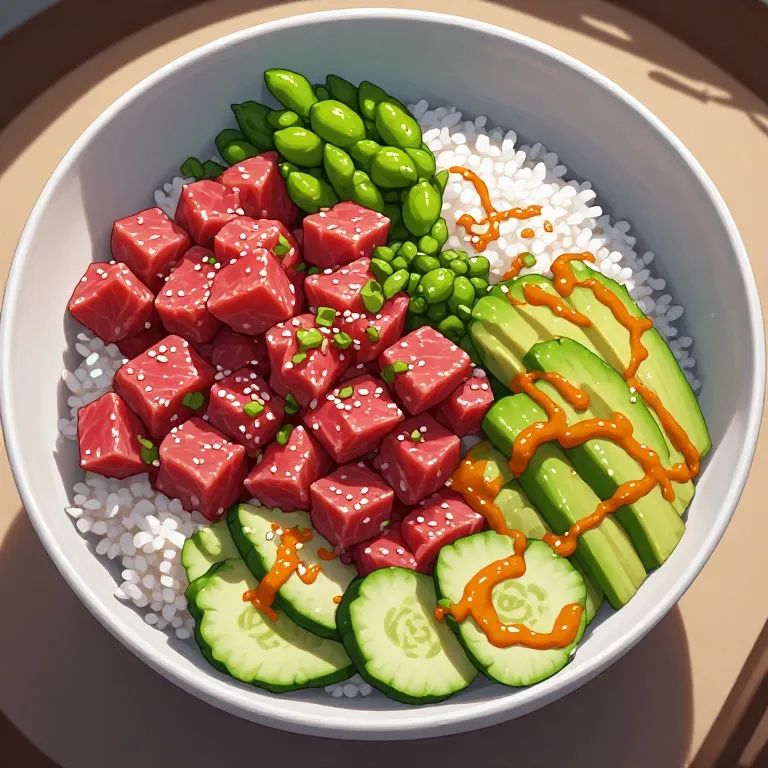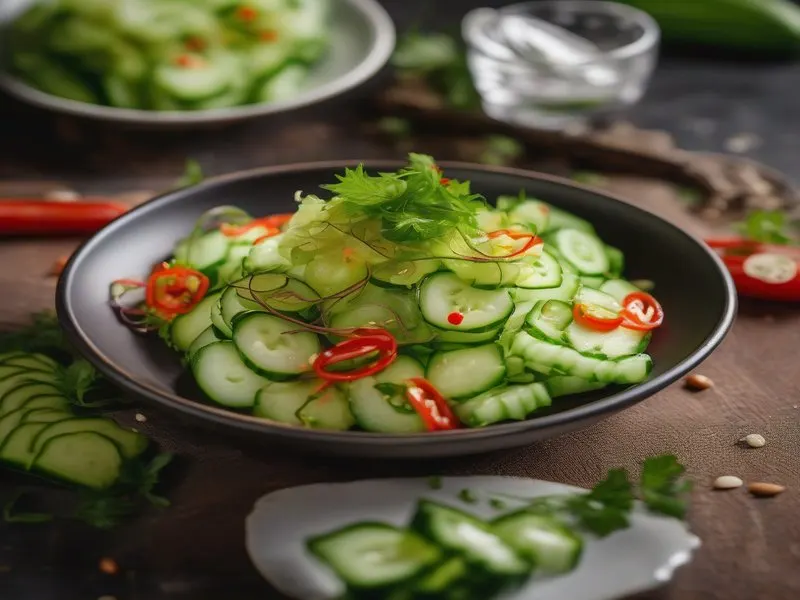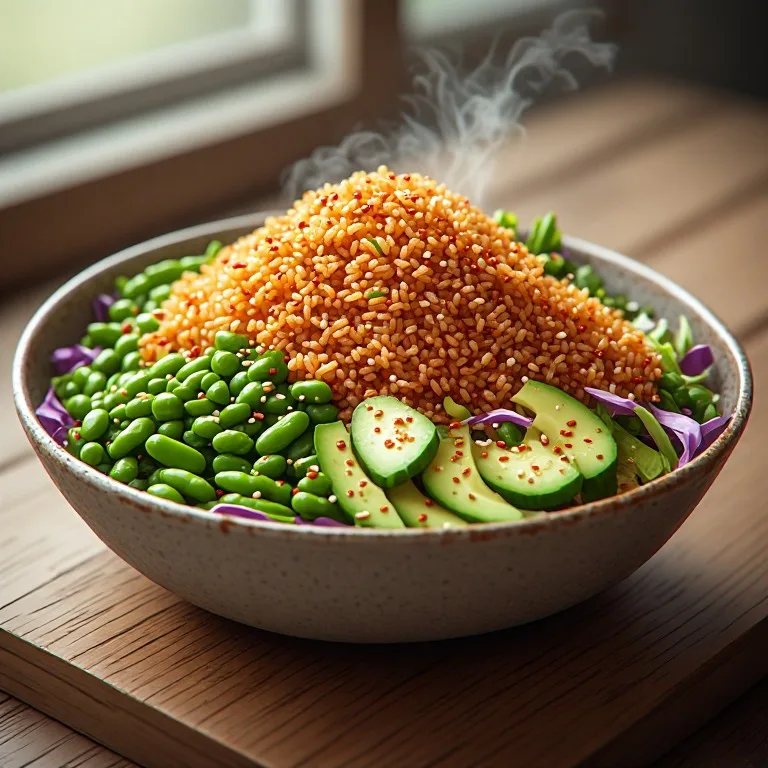



Quick answer: Toss cold day-old rice with chili crisp, soy, and sesame oil. Spread thin on parchment and bake at 425°F for 20–25 minutes until every grain crackles when you drag a spatula across the pan. Pour the hot crunchy rice straight over a bowl of cold edamame, cucumber, avocado, and scallions, drizzle the sesame-ginger dressing, and eat within 5 minutes. The hot-crunchy-over-cold-fresh contrast is the entire reason this recipe took over TikTok.
What makes this different from crispy rice cakes
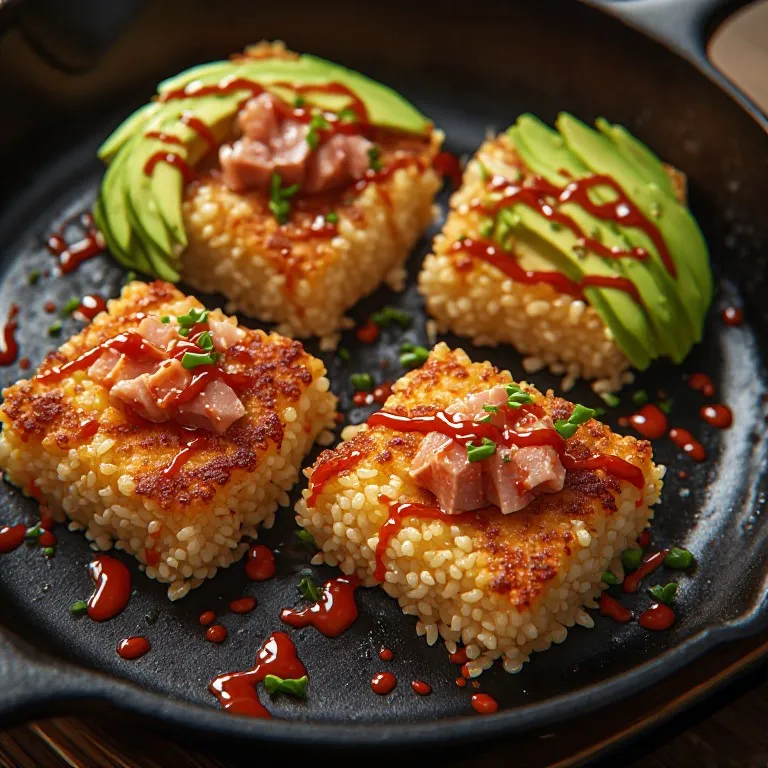
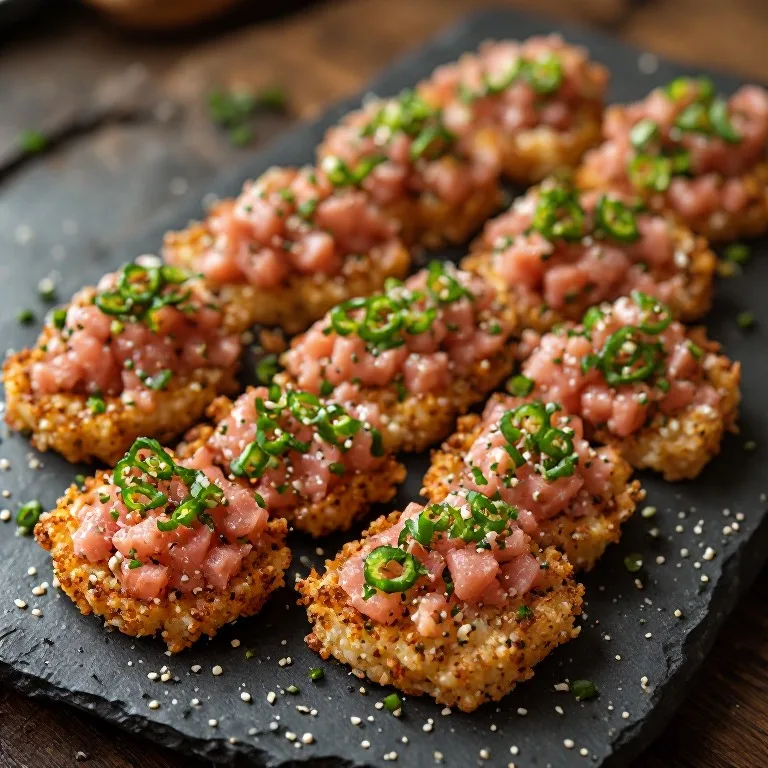
The crispy rice cakes you’ve seen on TikTok — and the spicy tuna crispy rice version — work on a completely different principle. Those recipes use short-grain sushi rice pressed firmly into a block, chilled overnight to compact, then pan-fried as thick golden cakes that hold together like a chip. The crispy rice is the plate you eat off of.
This is the opposite. Here you want loose, individual grains — the full surface area of each grain exposed and crisped. The rice becomes the crouton: scattered through the salad, picking up dressing, delivering crunch with every forkful. Where the cake method delivers one big hot-cold contrast per bite, the salad method gives you dozens of small crunches through the whole bowl.
The format also works with any rice you have leftover. No pressing, no block-forming, no long chill — just coat and bake.
The physics of getting every grain crunchy
Rice is mostly water. A freshly cooked cup of rice contains roughly 1 cup of water that’s been absorbed and bound into the starch structure. The oven’s job is to drive out that water faster than it can re-bond — what’s left is a starch matrix with air inside it, which is what crunches.
Three things control whether this works:
Starting moisture: Cold, day-old rice has already lost surface moisture through overnight refrigeration. Fresh rice is still saturated — bake it and it steams itself. You can shortcut this by spreading fresh rice on a sheet pan and refrigerating it uncovered for 2 hours, but overnight-leftover rice is the natural solution.
Layer depth: A thick layer of rice traps the steam released by the grains underneath. Those steam-trapped grains never dry out. A thin single-grain-deep layer lets steam escape from all sides. This is why the size of your sheet pan actually matters: a 18×13-inch half-sheet pan can spread 2 cups of rice to the right depth. A 9×13 cannot.
Heat level: 425°F is the minimum for effective crisping within a reasonable time. Lower temps evaporate the water too slowly — the rice is “done” before the surface has hardened. 450°F works too and gets there slightly faster, useful if your oven runs cool.
The 5-minute serve window
Every crispy thing has a clock. The moment rice hits the dressing, moisture migration begins: water moves from the dressing into the dry rice grains via osmosis. At 5 minutes the crunch is still mostly there. At 10 minutes you’re getting softer. At 20 minutes the rice has absorbed most of the free moisture in the bowl and the texture is closer to fried rice than a salad.
This is not a make-ahead dish. It’s an eat-it-now dish. If you want to prep components ahead, keep the crispy rice dry and at room temperature (it holds crunch for about an hour), keep the vegetables undressed in the fridge, and toss everything right before eating.
The window is short, but the payoff is real: hot, oily, chili-crisp-scented crunchy grains mixed through cold cucumber and creamy avocado is one of the better textural combinations in TikTok food.
Building the dressing
The dressing needs to be punchy enough to penetrate the crispy rice and coat the vegetables without turning watery. A good starting point:
| Ingredient | Amount | Role |
|---|---|---|
| Soy sauce | 2 tablespoons | Salt and umami base |
| Rice vinegar | 1 tablespoon | Brightness and acid |
| Sesame oil | 1 tablespoon | Fat and nuttiness |
| Chili crisp | 1 tablespoon | Heat and depth (matches the rice coating) |
| Honey or maple syrup | 1 teaspoon | Sweetness to balance acid and salt |
| Grated ginger | 1 teaspoon | Freshness and lift |
This dressing is intentionally bolder than you’d use on a delicate green salad — it needs to compete with the chili crisp on the rice. Taste it and adjust: more vinegar if it feels flat, more honey if it’s too sharp, more chili crisp if you want more heat.
Variations that work
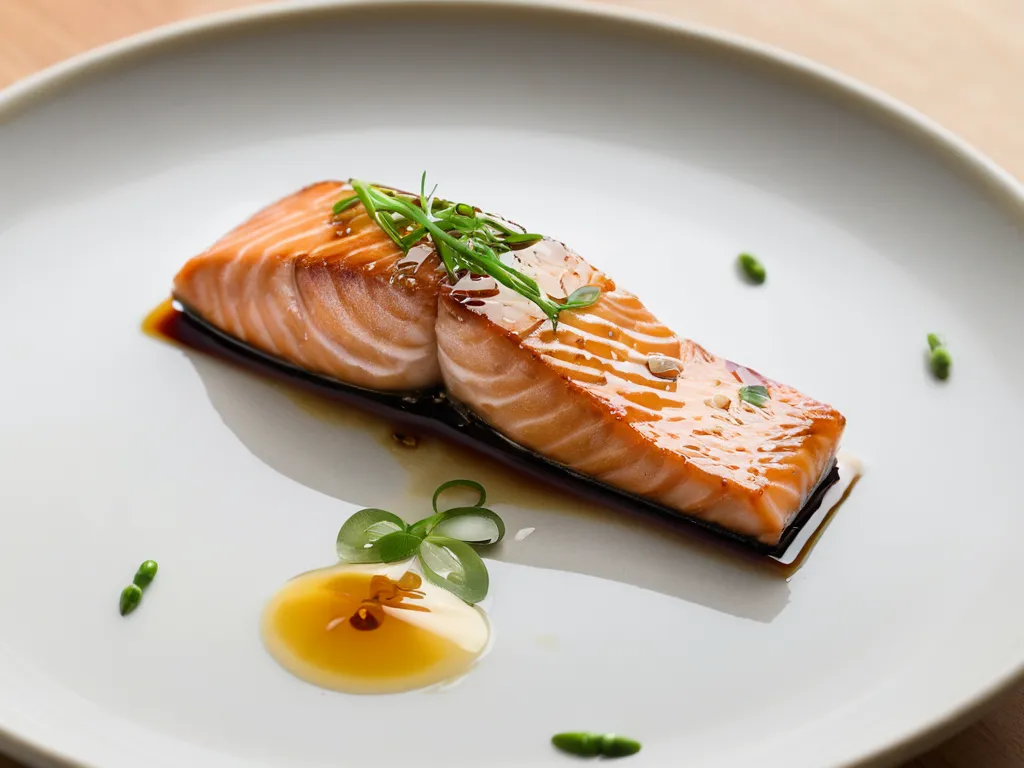
With miso salmon: Bake the TikTok miso salmon separately and flake it over the top before serving. The fatty richness of salmon and the fermented depth of miso are natural complements to chili crisp. This turns the salad into a complete dinner.
With crispy tofu: Press a block of extra-firm tofu dry (30+ minutes with weight), cube into ½-inch pieces, toss with soy and cornstarch, pan-fry in 1 tablespoon oil over medium-high heat until golden on two sides (about 3 min/side). Add it cold on top of the assembled salad. The cornstarch gives the tofu a crunch that echoes the rice.
With mango and jalapeño (summer version): Swap the edamame for ½ cup diced ripe mango and add 1 thinly sliced jalapeño. The sweetness of mango against the heat of both jalapeño and chili crisp is a Thai-influenced riff that reads lighter and brighter than the original.
With a soft-boiled egg: Halve a 6-minute boiled egg over each bowl. The jammy yolk breaks into the dressing and adds richness that makes the whole bowl feel more substantial.
Brown rice version: Brown rice takes 25–28 minutes to crisp fully (more moisture locked in the bran layer). The final texture is slightly denser than white rice crunch — more of a chewy-crisp than a hard crunch — which many people prefer for a heartier salad.
The chili crisp question
Chili crisp is doing two jobs in this recipe: providing the fat that fries the rice in the oven, and providing the flavor that seasons it. The fried chili bits in the crisp toast further in the oven, becoming more flavorful and even crunchier. The oil that suspends them coats each grain and creates the frying surface.
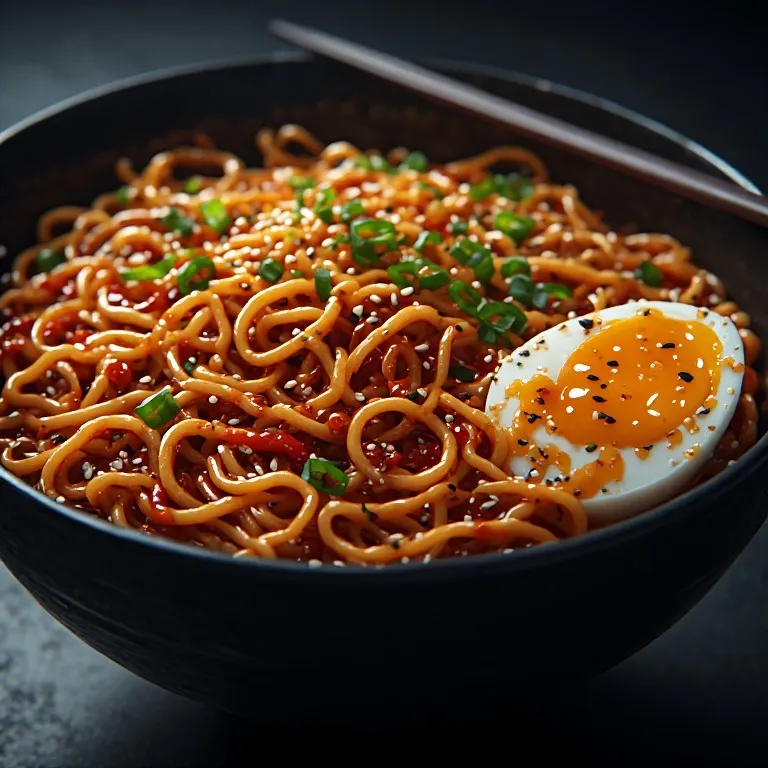
Lao Gan Ma (the red lid jar with the woman on the label) is the most widely available version — find it in the international aisle of most grocery stores. The chili crunch noodles and the chili oil noodles on this site use similar products if you want a comparison before buying. Both recipes use the same pantry item.
Fly By Jing is spicier and more complex, worth it if you cook with chili crisp regularly. For this recipe the difference is noticeable but not critical — either works.
What goes wrong and how to fix it
Grains are soft, not crunchy: Rice wasn’t dry enough or layer was too thick. Spread thinner next time and ensure the rice is truly cold and dry before baking. If mid-bake you notice steam rising, remove the pan, let grains air out for 5 minutes, and continue baking.
Grains are unevenly crunchy: This usually means the oven had hot spots or the layer was uneven. Next time rotate the pan at the 15-minute mark when you stir. A convection setting helps if your oven has one.
Rice sticks to the pan in clumps: Parchment wasn’t used, or the chili crisp’s oil wasn’t distributed evenly before baking. Make sure every grain is coated before it goes on the pan.
Salad is soggy before you finish eating it: The dressing soaked in too fast. The fix is to dress in two stages — half the dressing in the toss, and let each person add more at the table. This buys a few extra minutes of crunch.