

The Nobu Appetizer That Took Over TikTok
Nobu Matsuhisa’s restaurants charge somewhere around $28 for a small order of spicy tuna crispy rice (the exact price and piece count vary by location — it’s one of the most-photographed appetizers on the menu). When the dish started appearing across TikTok in the millions-of-views range, the response was immediate: people figured out how to make the whole batch at home for under $20, and they filmed it.
The viral math is simple. Sixteen pieces instead of four. Restaurant flavor at home. And the technique, once you understand why each step exists, isn’t complicated at all.
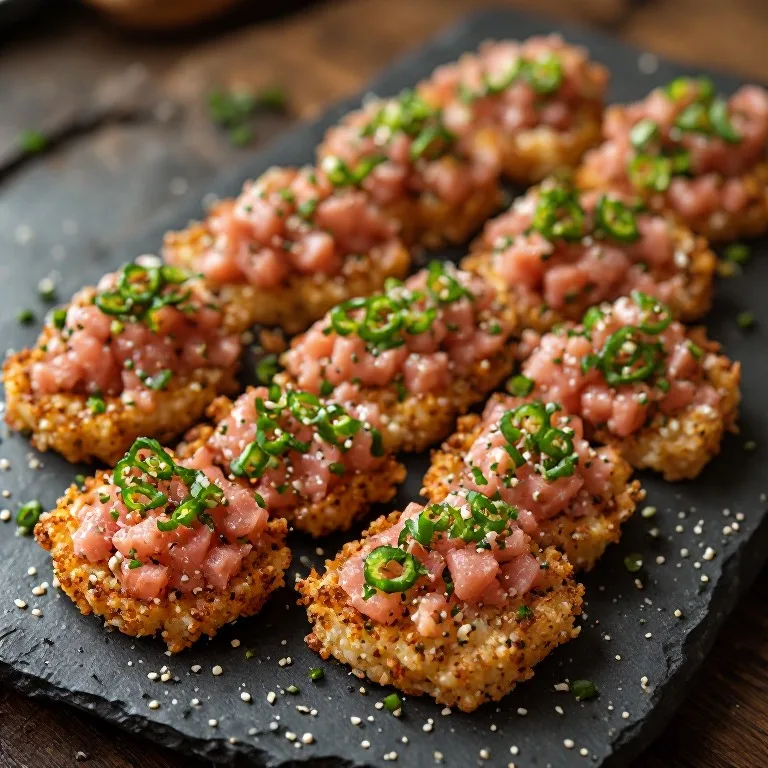
This is a full copycat — not a shortcut version. You’ll make properly seasoned sushi rice, press and chill it overnight, pan-fry it to a cracking golden crust, and mix the spicy tuna the way the best at-home versions do (diced for visible texture, not ground to a paste; Kewpie, not regular mayo). Note: Nobu’s own kitchen actually uses a smoother, finely minced tuna — the chunkier diced style is the look that took over TikTok, and it’s more forgiving to get right at home. The result is something genuinely restaurant-quality that you can make in your own kitchen.
Why This Dish Works
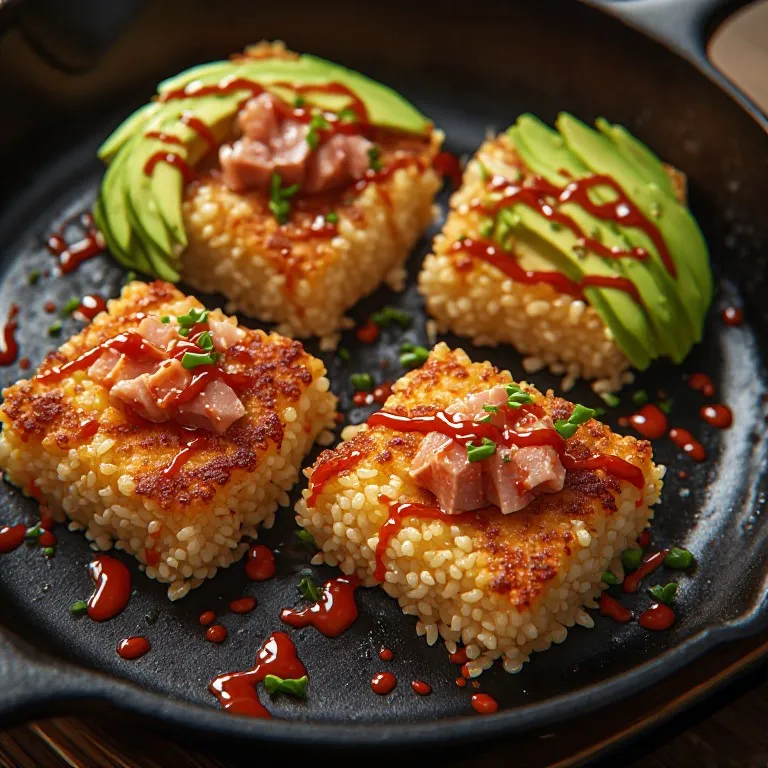
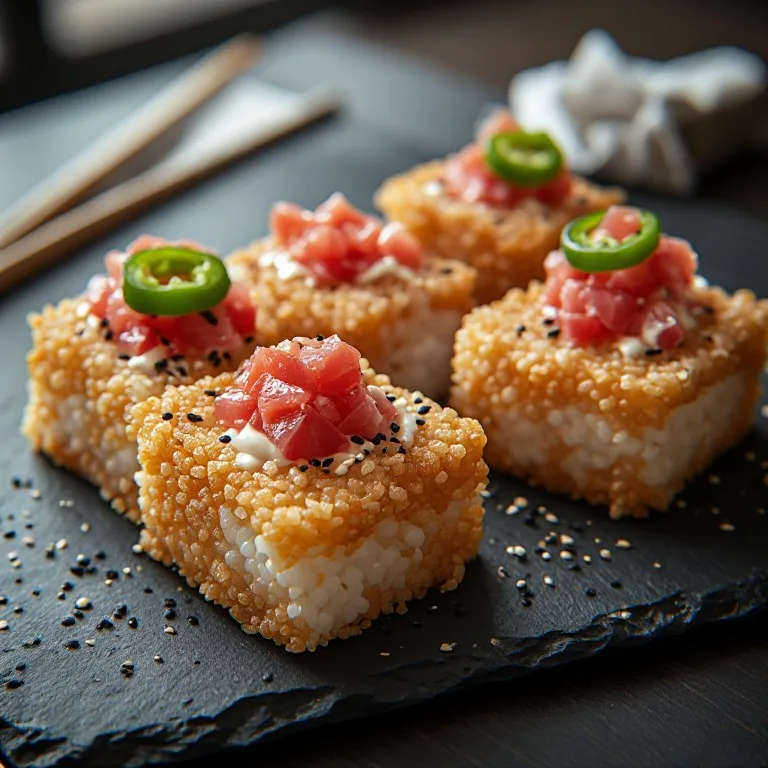
The appeal is about contrast: a rice cake that is violently crunchy on the outside and warm and sticky inside, topped with cold, creamy, lightly spiced raw tuna and a thin slice of cool avocado. Every element serves the contrast.
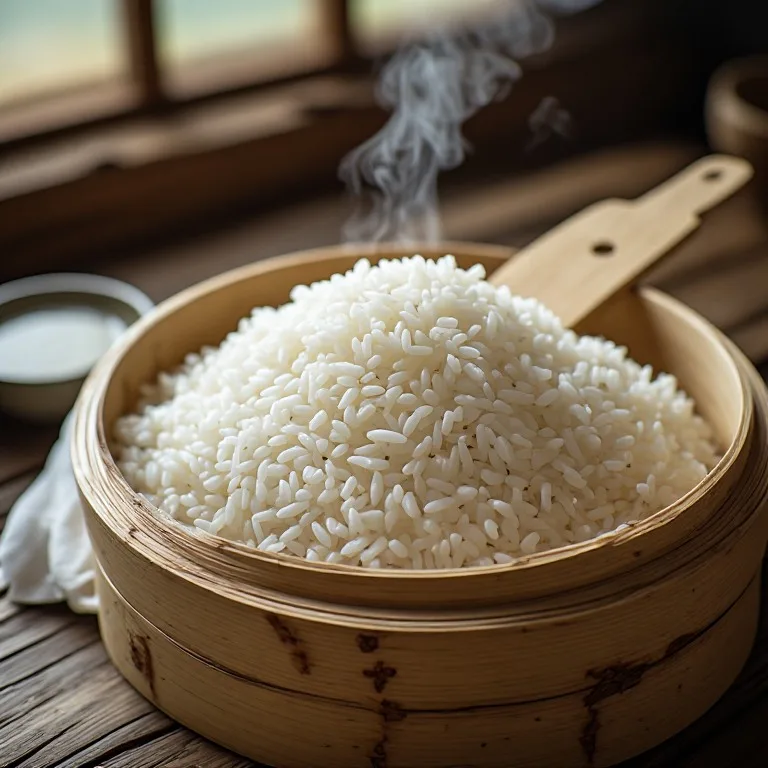
The crispy rice: Sushi rice retrogrades as it chills — the starch crystallizes into a dense, self-cohesive structure. Pan-fried, that structure forms a crackling crust while the center stays warm and tender.
The spicy tuna: Kewpie mayo has an entirely different flavor profile than regular mayo — richer, more umami, with a light tanginess from rice vinegar. Combined with sriracha, soy, and sesame oil, it produces something that tastes genuinely restaurant-caliber.
The jalapeño: Fresh jalapeño on top isn’t just heat. The raw crunch and slightly bitter, grassy flavor cuts through the richness of the mayo and avocado. It’s doing textural and flavor work simultaneously.
The 3 Reasons Most Batches Fail
Reason 1: The rice wasn’t pressed firmly enough and chilled long enough. Loosely packed rice that only chilled for an hour produces crumbly cakes that fall apart the moment they hit hot oil. Press the rice as firmly as you physically can — use a flat-bottomed measuring cup or your fist — and chill for at least 4 hours. Overnight is better.
Reason 2: Regular mayo instead of Kewpie. This is the single step most people skip that most explains why their spicy tuna tastes flat and greasy compared to the restaurant version. Kewpie is richer, more umami, more emulsified. The swap is non-negotiable if you want the real result. Find it at any Asian grocery store, Whole Foods, or online.
Reason 3: Mincing the tuna into paste. For the TikTok look, the topping should have visible texture — small cubes of tuna you can identify as tuna. Over-chopping produces a wet, uniform paste that slides off the rice and reads as “fishy mayo” rather than spicy tuna. (Nobu’s restaurant version is deliberately smoother, but a fine paste is much harder to get right at home — it turns watery fast.) Use a sharp knife and cut deliberately into ¼-inch cubes. Resist the urge to chop further.
Variations Worth Making
Spicy salmon version: Salmon is slightly more forgiving than tuna for home cooks because high-quality farmed salmon is easier to find sushi-grade at regular grocery stores. Swap 1:1 for tuna; reduce the sesame oil by half (salmon has more fat naturally). Some cooks add a tiny bit of cream cheese to the salmon mixture for extra richness.
Yuzu kosho version: Replace the sriracha with 1 teaspoon of yuzu kosho (a fermented citrus-chili paste found at Asian grocery stores). The heat is more complex and aromatic, the flavor is brighter. Keep all other components the same. This version is more subtle and better for people who want citrus heat over pure sriracha burn.
Spicy scallop version: Use 8 oz fresh sea scallops (sushi-grade), sliced into thin coins rather than diced. The scallop version is sweeter and more delicate than tuna; add 1 tablespoon of ponzu instead of soy sauce in the spicy mixture for a more acidic counterpoint to the sweetness.
Vegetarian mango-avocado version: Skip the fish entirely. Top the crispy rice with diced ripe mango mixed with diced avocado, a tablespoon of Kewpie mayo, 1 teaspoon sriracha, 1 teaspoon soy sauce, and a squeeze of lime. The mango provides the sweetness and fruity brightness that makes the dish interesting without seafood.
Grocery store sushi hack: For a quick weeknight version, buy pre-made sushi nigiri from a grocery store sushi bar. Remove the fish from the nigiri pieces (save the seasoned sushi rice if you want to use it for the base). The pre-made fish is already high enough quality for this application, eliminates the raw fish sourcing question entirely, and makes the whole dish a 30-minute project instead of a multi-hour one.
Serving and Storage
Serve the same batch at different temperatures: Fry all the rice cakes, set some aside, and serve in waves so every guest gets a hot piece. Crispy rice is only fully crispy for about 10 minutes after frying; after that it begins to soften.
For parties: Press the rice 1–2 days ahead (it gets sturdier over time). Mix the spicy tuna fresh (30 minutes max before serving). Fry in batches throughout the party so there are always fresh, hot pieces coming out.
Leftovers: Leftover spicy tuna should be consumed the same day — raw fish doesn’t keep. Unfired rice cakes refrigerate well for up to 3 days (they’re actually easier to fry the next day since they’ve chilled longer). Don’t refrigerate already-fried rice cakes — they turn rubbery and won’t re-crisp properly.