


Pin It

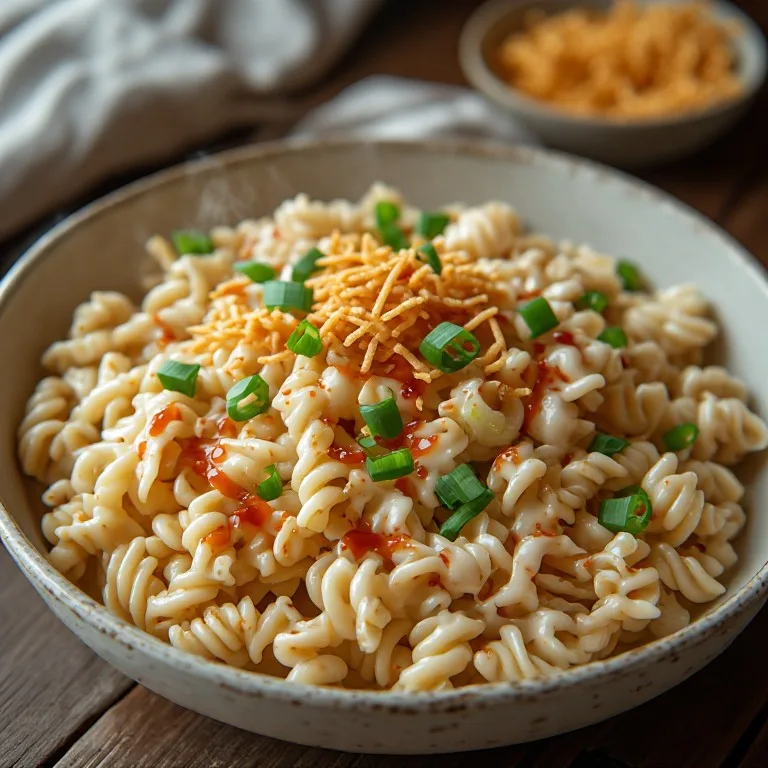
Viral TikTok Ditalini Pasta (jazzypeachco Recipe)

Viral TikTok Ditalini Pasta (jazzypeachco Recipe)
Jump to Recipe
Prep 3 min Cook 15 min Serves 4
Quick answer: Toast 2 cups dry ditalini in 3 tablespoons of olive oil and garlic for 2 minutes, pour in 3 cups of chicken broth, simmer uncovered 8–10 minutes until nearly absorbed, stir in ½ cup heavy cream, then finish off-heat with 3 tablespoons butter and ⅓ cup Parmesan. No boiling, no draining — the pasta cooks directly in the broth and the starch self-thickens the sauce. Total time: 15 minutes, 4 servings.

Shop the tools

Gear matched to this recipe. These are Amazon affiliate links — we may earn a small commission if you buy, at no extra cost to you.

As an Amazon Associate, Copycat Spices earns from qualifying purchases. Product images are generic illustrations, not the exact item listed.

Viral TikTok Ditalini Pasta (jazzypeachco Recipe)

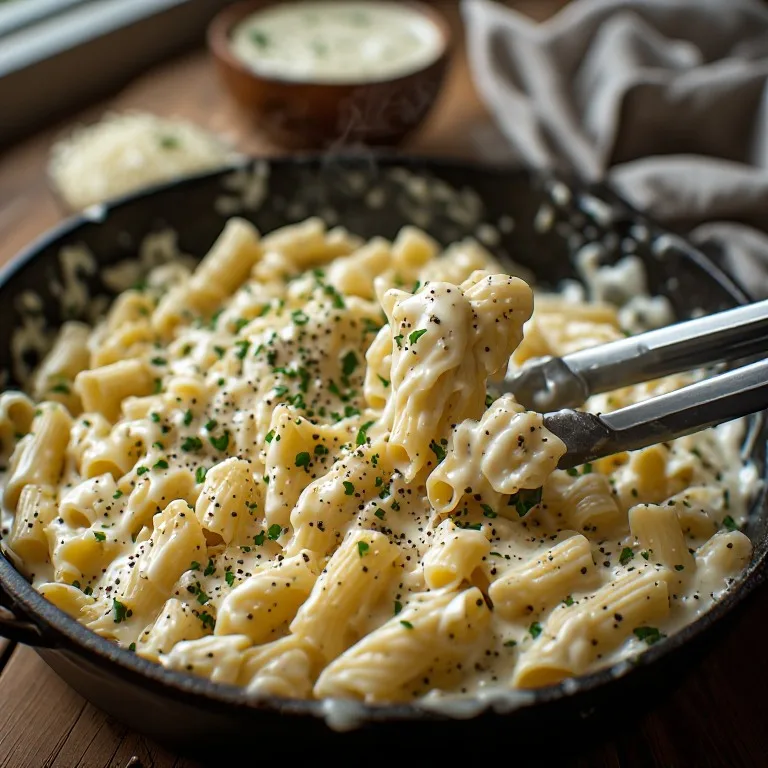
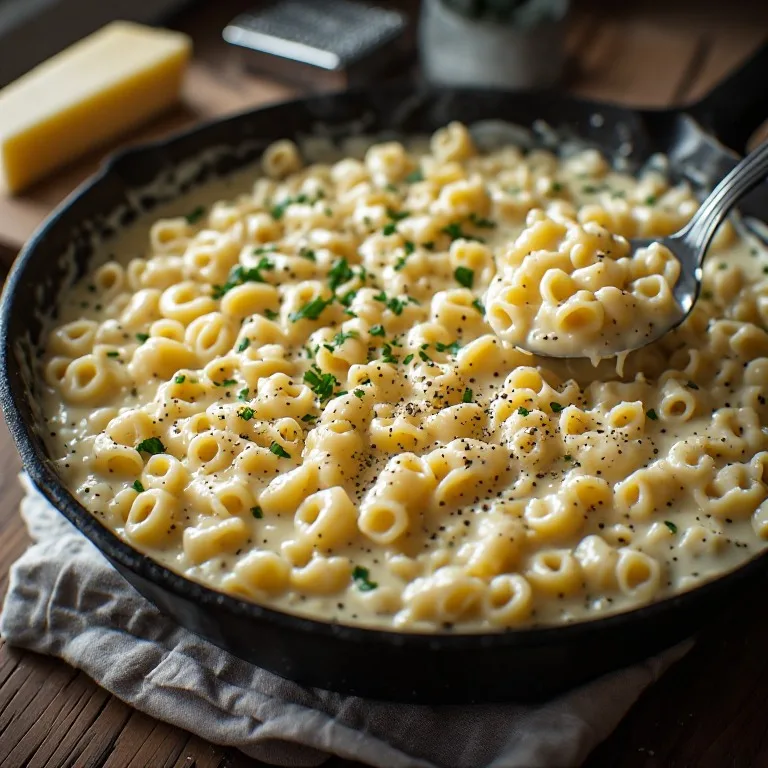
The 63-million-view ditalini pasta from @jazzypeachco: toast dry pasta in garlic oil, cook in chicken broth (no draining), finish with cream and Parmesan. Ultra-creamy in 15 minutes.

Easy Prep: 3 min Cook: 15 min Total: 18 min4 servings ~$3.85/serving
Prep3 min
Cook15 min
Total18 min
Servings
4
At home~$3.85/serving
vs
Restaurant~$17.32/serving
You save ~78%

The Story Behind the Recipe

In April 2024, food creator @jazzypeachco couldn't find pasta shells. She grabbed a box of ditalini instead, adapted a one-pot broth method for it, and posted the result to Instagram. The video hit 63.2 million views and 2.1 million likes (figures she has confirmed herself) — one of the most-watched pasta recipes in TikTok/Instagram history. It still floods For You Pages in 2026 because the technique is genuinely unusual: you toast the dry pasta in garlic oil first, then pour broth directly over it and simmer until absorbed. No boiling water, no colander, no pasta water to remember.

The flavor logic is borrowed from risotto. Toasting dry ditalini before the liquid goes in adds a faint nutty backbone; simmering it in chicken broth instead of water means every gram of pasta absorbs savory flavor from the start. The starch that normally gets poured down the drain stays in the pan and does the work of a cream sauce — you only need a quarter-cup of heavy cream to finish it. At a casual Italian restaurant this would be a $18–22 primo piatto. At home it costs about $1.50 per serving and takes less time than waiting for a big pot of water to boil.

Nutrition Facts

Per serving (4 servings)
Calories575
Total Fat28g
Total Carbs64g
Dietary Fiber2g
Sugars3g
Protein16g
Sodium710mg

* Estimated values based on standard recipe preparation. Actual values may vary.

Ingredients

Instructions

💡
Pro tip: This recipe tastes even better the next day. The flavors need time to meld together in the fridge.
❄️
Storage: Keeps in an airtight container in the fridge for up to 2 weeks. Freezer-friendly for up to 3 months.
🎃 Free Halloween cookbook — download now The Copycat Halloween Cookbook A ready-made, photo-illustrated PDF of our best halloween copycat recipes — free to download, no building required. Pay what you want to support if you love it.

Free PDF — instant download. We'll also send new seasonal copycat recipes now and then; unsubscribe anytime. Or just download it →

In April 2024, food creator @jazzypeachco went to her pantry for pasta shells and couldn’t find them. She grabbed a box of ditalini — the small, stubby Italian tube pasta — and adapted a one-pot pasta method for it. She posted the result to Instagram. The video hit 63.2 million views and 2.1 million likes. Two years later, people are still making it and posting remakes every day.

The recipe doesn’t ask much of you. Fifteen minutes, one pan, a box of pasta, and things that are probably already in your kitchen. What it does ask is that you do one unexpected thing: toast the dry pasta in garlic oil before the liquid ever touches it. That one step is what makes the recipe worth 63 million views.

  • Toast 2 cups dry ditalini in olive oil and garlic, 2 minutes
  • Pour in 3 cups chicken broth — no separate boiling water, no draining
  • Simmer uncovered 8–10 minutes until broth is almost fully absorbed
  • Add ½ cup cream, then finish off-heat with butter and Parmesan
  • 15 minutes total, 4 servings, about $1.50 per person at home vs. $18–22 at a restaurant
  • The starch that normally goes down the drain stays in the pan and self-thickens the sauce — that’s the mechanism
What Makes This Different from Normal Pasta

Every pasta recipe you’ve made before follows the same structure: boil a large pot of salted water, cook the pasta, drain it, make a sauce separately, combine. The jazzypeachco ditalini recipe breaks every one of those steps.

No boiling water. The pasta goes directly into the skillet with the broth. The small amount of liquid means it simmers rather than boils, and every drop of that liquid absorbs into the pasta or stays in the pan as sauce.

No draining. When you boil pasta and drain it, you pour away the cloudy, starchy cooking water — the same water that professional pasta cooks reserve by the ladle-full to finish their sauces. In this recipe the starch never leaves the pan. It builds up as the broth reduces and turns the sauce thick and glossy without any added thickener. It’s the opposite approach to a classic emulsified cream sauce like Olive Garden’s fettuccine alfredo, where the richness comes entirely from butter, cream, and cheese rather than pasta starch.

The pasta gets toasted first. Before the liquid goes in, the dry ditalini sits in hot garlic oil for 2 minutes. This is the step borrowed from risotto: toasting the starch sets the surface and adds a faint nutty depth that you can’t get any other way. It’s subtle — the pasta doesn’t taste like popcorn — but the baseline flavor of finished dish is noticeably richer than pasta cooked the standard way.

The Technique, Explained

The method works because of the ratio: 2 cups of ditalini to 3 cups of broth is close enough to the pasta’s absorption capacity that, by the time the broth is almost gone, the pasta is cooked through. After that you add cream, then butter and Parmesan off heat. The whole sequence takes about 15 minutes.

The critical moment is the end of the broth-cooking stage. You want the liquid mostly absorbed but not completely dry — if the pan goes dry before the pasta is al dente, add a splash of hot water. If there’s more liquid than expected after the pasta is cooked, raise the heat for 60 seconds and stir. The margin is forgiving. The recipe is designed for a home cook, not a restaurant line.

One practical note: use a wide, deep pan. A wide pan lets the broth reduce faster and more evenly. Deep sides prevent splashing when the broth first comes to a boil. A 12-inch skillet with 2-inch sides is ideal. A 4-quart saucepan works but takes longer to reduce.

Scaling: Small Batch vs. Full Box

The original jazzypeachco small batch (roughly 2 servings) uses:

  • 1¼ cups ditalini
  • 2 cups chicken broth
  • ¼ cup heavy cream
  • 2 tablespoons butter
  • ¼ cup Parmesan
  • 2 tablespoons olive oil, 1 tablespoon minced garlic

The recipe on this page scales to 4 servings — double the pasta, roughly double everything else, with proportionally less cream (you get more surface area to work with so the cream goes further).

For a full-box (16 oz / 6–8 servings) version: use the full box of ditalini, 5–6 cups broth, ¾ cup heavy cream, 5 tablespoons butter, ¾ cup Parmesan, 4 tablespoons olive oil, and 2 tablespoons minced garlic. The cooking time extends to 12–14 minutes for the broth-absorption stage. You’ll need a wide Dutch oven or a 14-inch skillet — a 12-inch pan won’t hold a full pound of dry pasta and 6 cups of liquid.

Variations Worth Making

With shrimp: Add 12 oz of medium peeled shrimp directly after the cream. Stir and cook 2–3 minutes until pink throughout, then finish with butter and Parmesan as written. The briny shrimp liquid adds to the sauce.

With rotisserie chicken: Shred 1 cup of rotisserie chicken and stir it in with the cream. It heats through in the same 2 minutes. A squeeze of lemon at the end cuts the richness. If you like the creamy-chicken-pasta direction, the viral Marry Me Chicken uses a similar one-pan sun-dried-tomato cream sauce.

With crispy pancetta: Render 3 oz of diced pancetta in the pan before the garlic and olive oil step. Remove the pancetta with a slotted spoon and cook the pasta in the rendered fat plus 2 tablespoons of olive oil. Scatter the crispy pancetta over each bowl at the end.

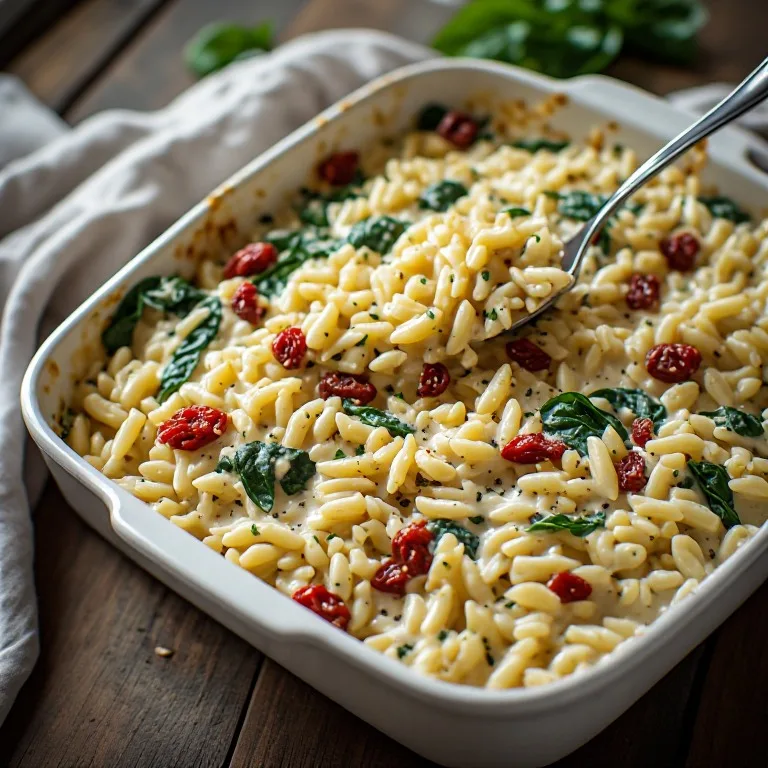
Sun-dried tomatoes: Stir in 3 tablespoons of oil-packed sun-dried tomatoes (roughly chopped) with the garlic at the start. The tomato oils become part of the toasting fat and add a concentrated, jammy sweetness that works well with the cream.

Spicy vodka-style: Stir 2 tablespoons of tomato paste and a pinch of red pepper flakes into the garlic oil before the pasta goes in, and let it darken for a minute. You get a shortcut version of the flavor behind Carbone’s spicy rigatoni vodka without a separate sauce pan.

Baby spinach: Add 2–3 cups of baby spinach directly after the cream. Stir and cook for 60 seconds — the residual heat wilts it completely. It disappears into the sauce and adds a vegetable without changing the flavor significantly.

Why Chicken Broth, Not Water

The original recipe uses chicken broth — not pasta water, not just chicken stock — and this choice matters more than it sounds. When you boil pasta in plain water, the only flavor entering the pasta comes from the salt you added. When you simmer ditalini in chicken broth, the pasta absorbs every savory compound in that broth as it cooks. By the time the broth is absorbed, the pasta is seasoned through to the center, not just coated on the outside.

Low-sodium chicken broth is better here than regular broth because the liquid reduces significantly during cooking — regular sodium broth can turn overly salty by the end. You can always add salt at the finish. You can’t remove it.

Vegetable broth is a clean vegetarian substitute. The flavor is slightly lighter and the dish will be a touch less savory, but the technique works identically.

Parmesan: Why Off-Heat Matters

Once the cream is incorporated, the pan comes off the burner before the Parmesan goes in. This is not optional. Parmesan added to an actively hot pan over high heat will seize — the proteins cook too fast and the cheese turns grainy and stringy rather than melting into the sauce. Off-heat, the residual warmth melts the Parmesan gently and the result is a smooth, glossy sauce that coats every piece of pasta in a thin ribbon. If your pan is very large (and therefore cools quickly), you can put it back over the lowest burner setting for 30 seconds after the Parmesan is mostly melted — but only low heat, and only briefly.

Use freshly grated Parmesan from a block, not pre-grated from a can. Pre-grated Parmesan contains anti-caking powder (usually cellulose) that prevents it from melting smoothly. The texture of the finished sauce is noticeably silkier from a freshly grated block.
🥗

Make It Healthier

Love Viral TikTok Ditalini Pasta (jazzypeachco Recipe) but want a lighter version? Try these simple swaps:

  • ✓Swap heavy cream for evaporated skim milk — it thickens from the heat similarly and cuts about 100 calories per serving
  • ✓Use vegetable broth to make it vegetarian; add ½ teaspoon white miso with the butter for the umami depth the chicken broth provides
  • ✓Stir in 2 cups of baby spinach right after the cream — the residual heat wilts it within 60 seconds
  • ✓Add a can of drained white beans (cannellini) with the broth to boost protein and fiber without changing the cooking time
  • ✓Reduce butter to 1 tablespoon and Parmesan to 2 tablespoons for a noticeably lighter finish — the cream still carries the sauce

Frequently Asked Questions

What are the ingredients in the viral TikTok ditalini pasta recipe?

The viral TikTok ditalini pasta recipe (originally from @jazzypeachco) uses: ditalini pasta (uncooked, dry), extra-virgin olive oil, minced garlic, low-sodium chicken broth, heavy whipping cream, unsalted butter, freshly grated Parmesan, garlic powder, onion powder, salt, and black pepper. The scaled 4-serving version uses 2 cups ditalini, 3 tablespoons olive oil, 4 cloves garlic, 3 cups chicken broth, ½ cup heavy cream, 3 tablespoons butter, and ⅓ cup Parmesan. For the original small-batch 2-serving version: 1¼ cups ditalini, 2 tablespoons olive oil, 1 tablespoon garlic, 2 cups broth, ¼ cup cream, 2 tablespoons butter, ¼ cup Parmesan. The defining technique is toasting the dry pasta in garlicky oil before any liquid is added, then simmering in broth until absorbed — no boiling, no draining. The @jazzypeachco 2024 Instagram post reached over 63 million views.

Why does this recipe toast the dry pasta before adding liquid?

Toasting dry pasta in oil before simmering it in liquid is borrowed from the risotto technique (called 'tostatura' in Italian for risotto rice). As the dry pasta heats in the oil, the outer starch layer firms and browns slightly, which creates a faintly nutty, toasted flavor baseline that disappears when you simply boil pasta in plain water. It also helps the pasta absorb the broth more evenly rather than turning soft on the outside while the center is still raw. The difference is subtle but real — pasta toasted for 2 minutes has noticeably more flavor than pasta cooked the standard way.

Can I use a different pasta shape instead of ditalini?

The recipe was originally tested with shells (which couldn't be found), then ditalini. Other small, sturdy shapes work well: elbow macaroni, tubetti, small penne, or orzo. The key is a small, compact shape with consistent surface area so the pasta toasts and absorbs broth evenly. Long pasta (spaghetti, linguine) doesn't work in this technique — it requires too much broth to submerge, and the dry toasting step is impossible with noodles. Large pasta (rigatoni, ziti) takes too long to cook through at the simmering stage and can leave raw centers. Stick to small shapes under 1 inch.

What happens if I run out of broth and the pasta isn't cooked yet?

Add boiling water, not cold water — adding cold liquid to a hot pan drops the temperature sharply and the pasta stalls. Pour in ¼ cup at a time and stir. The extra liquid will absorb in 1–2 minutes. This happens if you used a wide pan (more surface area = faster evaporation) or your simmer was too aggressive. Going forward, use the deepest pan you have and keep the heat at a moderate simmer — lively bubbles, not a rolling boil.

What proteins work best stirred in?

Shredded rotisserie chicken is the most common add-in — stir it in with the cream so it heats through without drying out. Shrimp (medium, peeled and deveined) can be added after the cream and cooked for 2–3 minutes until pink. Italian sausage (crumbled, cooked separately first) can go in with the garlic at the start so the rendered fat replaces part of the olive oil. Crispy pancetta or bacon, cooked separately and crumbled over the top at serving, adds a salty, textural contrast that plays well against the creamy sauce.

Can the ditalini pasta be made ahead?

The pasta is best eaten immediately — the sauce is at its most fluid and glossy right off the heat, and the pasta continues to absorb liquid as it cools. If you need to make it ahead, undercook the pasta slightly (stop when there's still a firm, chalky center) and hold the cream/butter/Parmesan stage. When ready to serve, reheat gently over medium-low with a splash of chicken broth, then add the cream and finish with butter and Parmesan. Reheated from fully assembled, it comes back reasonably well with 2–3 tablespoons of added broth or water stirred in, but the texture is denser and less silky than fresh.

Love this recipe? Share it!

Free PDF: our 12 most-wanted copycat recipes — instant download.

Made it? Buy us a coffee

Every recipe here is free, with no paywalls. If this one was a hit at your table, a small tip keeps new copycats coming.

$

Ratings & Reviews

—
No ratings yet

Rate this recipe

Click a star to rate

Leave a Review

0/500

CS

Copycat Spices Editorial

Researched + fact-checked. Every recipe on Copycat Spices is built from published sources — official ingredient lists, brand-published recipes, interviews and food-science references — and fact-checked before it goes live, then written as clear, step-by-step instructions for home cooks of all skill levels.

Learn more about our mission →