

Viral TikTok Egg Roll in a Bowl — One Pan, 20 Minutes, No Wrapper
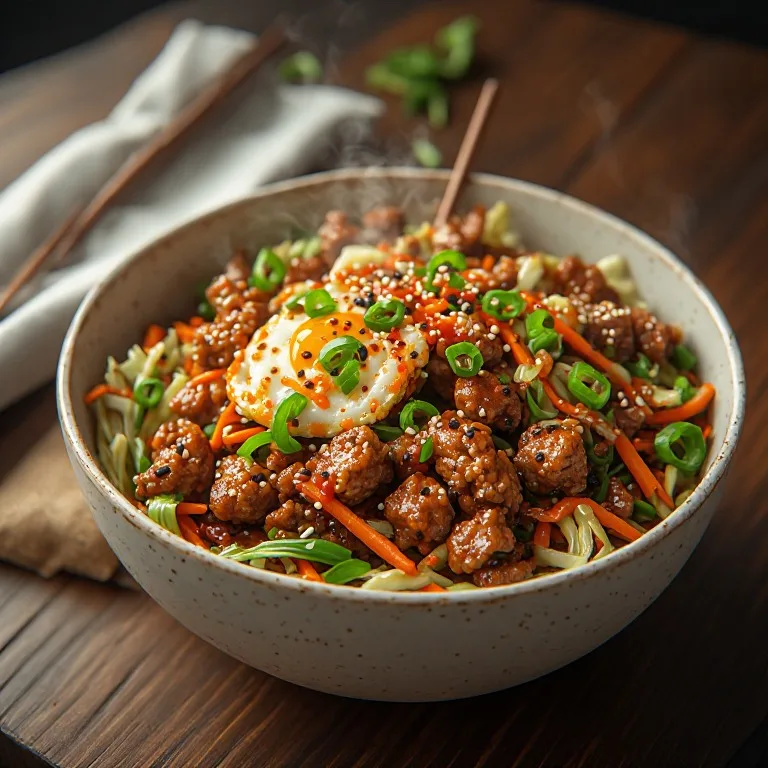
The concept is simple: take everything inside a Chinese-American takeout egg roll — ground pork, shredded cabbage, ginger, garlic, soy, sesame — and cook it in a skillet instead of wrapping and frying it. Same filling, zero wrapper. All the flavor at a fraction of the effort.
TikTok found this somewhere around 2020 and has been remaking it in hundreds of variations ever since. The reasons it keeps trending: it takes 20 minutes, one pan, costs about $8 for four servings, and produces something that genuinely tastes like takeout rather than a sad health-food substitute.
The coleslaw bag shortcut is the hack that made it TikTok-native. No knife, no shredding — you buy a pre-shredded coleslaw mix (green cabbage and carrots, under $2), dump it in the pan, and it does the work.
The Coleslaw Bag: Use It Without Guilt
Some recipes insist on fresh-cut cabbage. The coleslaw mix is better.
Pre-shredded coleslaw cabbage is cut thinner and more uniformly than most home cooks will manage with a knife. Uniform shred = uniform cooking time. The carrots are already in it and add color and a faint sweetness that fresh green cabbage alone doesn’t have.
It also deflates the main friction point in making this dish — the idea of shredding half a head of cabbage on a weeknight. The whole point of the egg roll bowl is speed. A 14-oz bag of coleslaw mix is the right call.
One note: cook it until it is tender-crisp, not soft. The cabbage needs 3–4 minutes over medium-high heat to get there. Undercooked = raw-tasting. Overcooked = watery and limp. You are aiming for the texture of the filling inside a restaurant egg roll: soft enough to eat comfortably, still with a slight bite.
Ground Pork vs. Everything Else
Egg rolls are a pork dish. Ground pork (80/20) is the authentic base and also the most flavorful — the fat renders into the pan and seasons everything that goes in after it. This is not a recipe to use extra-lean pork for.
If you want to use ground chicken or turkey: go ahead. The flavor is milder and you will lean harder on the ginger and garlic to compensate. Ground chicken especially takes on the sauce well and produces a lighter result that many people prefer for weekday meal prep.
Ground beef makes a bolder, more Americanized version — think of it as a stir-fry rather than an egg roll. It works and people like it, but it tastes distinctly different from the original concept.
For a vegetarian version, crumbled extra-firm tofu works. Press it for 20 minutes to remove moisture, crumble it coarsely, and let it sear without moving for 2 minutes per side before breaking it up. It will not brown the same way pork does, but the sauce and aromatics carry it.
The Sauce — Two Ingredients Make the Difference
The basic soy sauce + sesame oil sauce that most egg roll bowl recipes use is fine. The version here adds two things that lift it significantly:
Oyster sauce. Two tablespoons. It adds a savory, slightly sweet depth that soy sauce alone doesn’t have — the same ingredient that makes restaurant stir-fries taste more complex than home versions. Vegetarian oyster sauce (mushroom-based) works identically and is widely available. If you genuinely cannot find it, substitute 1 teaspoon of hoisin sauce + 1/2 teaspoon of fish sauce.
Rice vinegar. One tablespoon. Acid cuts through the pork fat and the soy’s saltiness, brightening the whole dish. Without it, the bowl can feel heavy by the second serving. With it, you keep eating.
Add the sauce to the pan AFTER the meat is browned and BEFORE the cabbage goes in. The 30 seconds of sauce in the hot pan reduces it slightly and lets the sugars start to caramelize — you are building flavor at the pan level, not just coating.
The Sesame Oil Rule
Toasted sesame oil has a smoke point of around 350°F. In a hot skillet, you cross that temperature easily. When sesame oil overheats, it loses its flavor and develops bitterness.
Add it off heat. Pull the pan, drizzle a teaspoon of sesame oil over the contents, and toss. The residual heat is enough to bloom the aroma without degrading it. This is the step that makes egg roll bowls at home taste like the restaurant.
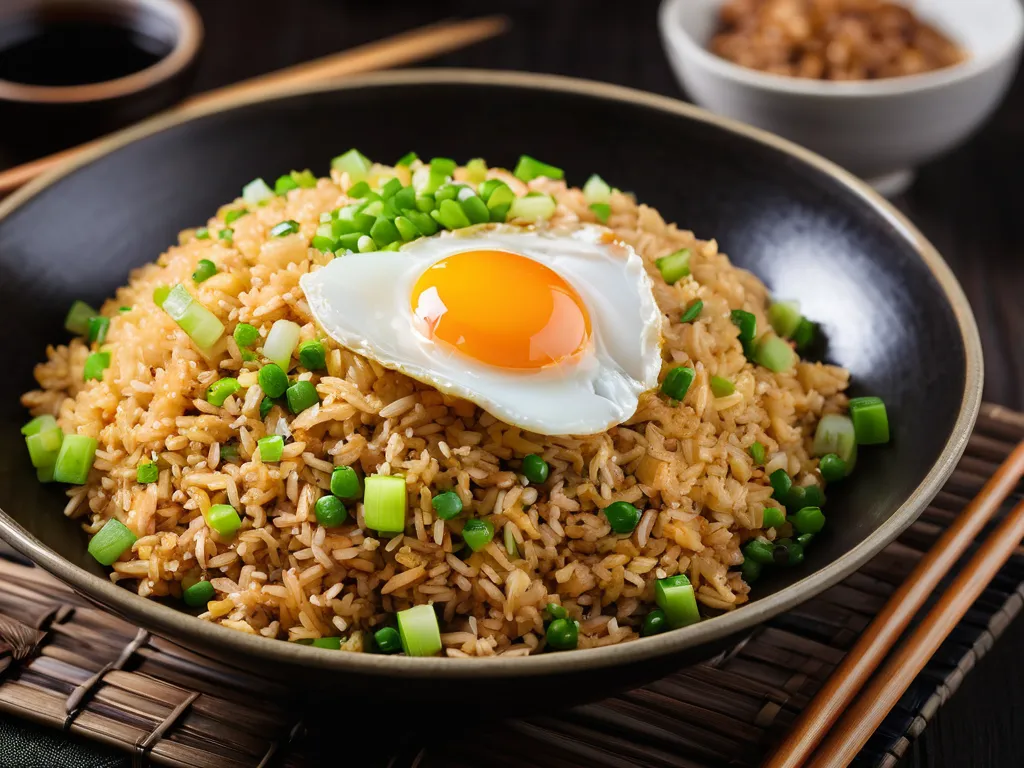
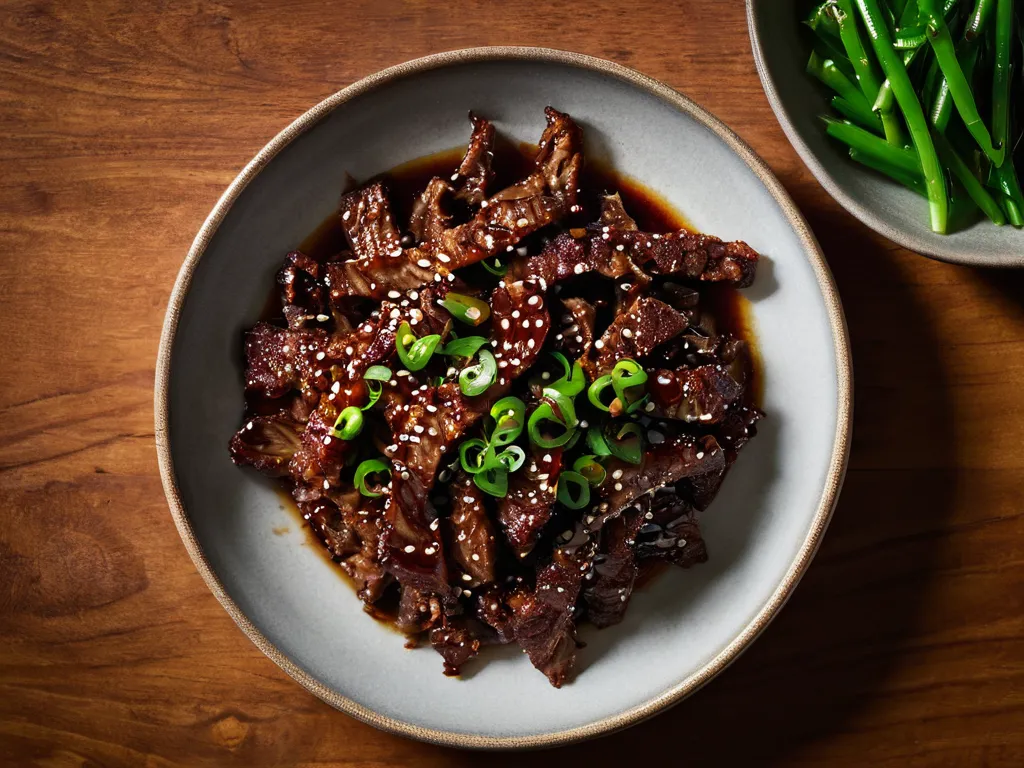
This rule applies to any dish that uses toasted sesame oil as a finishing ingredient — egg fried rice, mongolian beef, noodle dishes. Add it at the end, off heat.
The Egg Technique
The “egg” in “egg roll in a bowl” comes from pushing the meat and cabbage to the side, cracking two eggs into the cleared center, letting them set for 20 seconds, then scrambling and folding them into the rest of the bowl.
The scrambled egg pieces end up distributed throughout — soft, just-cooked, in every bite. This is what distinguishes the dish from a plain cabbage stir-fry and gives it a textural complexity that carries through leftovers.
Do not whisk the eggs before adding them. Crack them directly into the hot pan. The slight variation in texture between the white and the yolk, when scrambled this way, is better than a uniform beaten-egg result.
Pan Size Matters More Than Technique
A 12-inch skillet is the minimum for this recipe. The moment you crowd the pan, the meat steams instead of searing and the cabbage weeps water instead of charring at the edges.
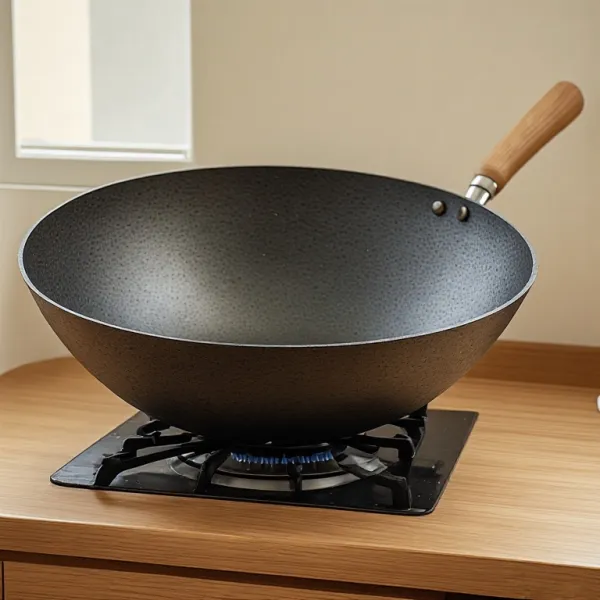
If you have a wok: better. Woks have the vertical sides that let you toss the cabbage without throwing it across the stove, and the concentrated heat at the center browns the pork faster.
If your pan is small (10 inches or under): cook the pork in two batches. Don’t add the cabbage until the pan is hot again after draining any pooled liquid. A wet, steamed egg roll bowl is the most common failure mode of this recipe, and pan size is almost always the cause.
Serving Options
As a bowl, as-is: This is the low-carb version. No starch, just the meat and cabbage. Filling enough for dinner at around 420 calories per serving.
Over jasmine rice: The sauce pools at the bottom of the bowl and the rice soaks it up. Adds about 200 calories and 45g carbs. Genuinely better if you’re not watching carbs — the rice carries the leftover sauce in a way the bowl alone doesn’t.
Over cauliflower rice: The best compromise if you want the starch-like eating experience without the carb load. See the healthier tips section.
In lettuce cups: Butter lettuce cups hold the bowl contents well. Serve with a small dish of extra sauce for dipping. Good party format.
Meal Prep Notes
This is one of TikTok’s best meal-prep recipes — not just in concept but in execution. The cabbage holds up for 4 days in the refrigerator without becoming unpleasant (unlike, say, a salad). By day 3 it has softened slightly, which some people prefer.
Store with the rice separate so the grains don’t absorb all the sauce. Reheat the egg roll bowl in a skillet with a splash of water to revive it; add fresh scallions and sesame seeds after heating, not before.
Variations Worth Trying
Ginger-heavy version: Double the fresh ginger (2 tablespoons) and reduce the soy sauce slightly. The ginger note pushes forward and makes the whole dish taste brighter and more aromatic — closer to a Thai stir-fry than a Chinese-American one.
Spicy version with chili crisp: Stir in 1 tablespoon of chili crisp with the sauce. Finish with extra chili crisp at the table. The Sichuan peppercorns in most chili crisp oils add a floral, numbing note that pairs well with the pork fat.
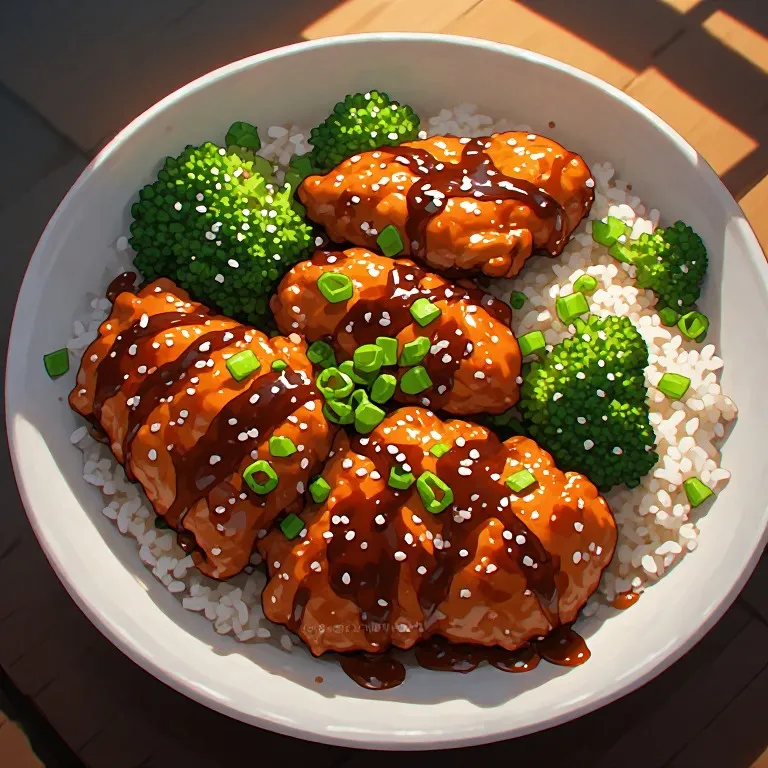
Teriyaki chicken version: Swap ground pork for ground chicken, replace oyster sauce with 1 tablespoon of honey, and add 1/2 teaspoon of five-spice powder. This version is sweeter and richer — closer to a teriyaki chicken bowl than a true egg roll filling, but genuinely good.
With char siu pork: Use leftover char siu pork, diced into cubes, instead of ground pork. Skip the long browning step and just warm the char siu through before adding the sauce and cabbage. The sweet-savory lacquer on the char siu transforms the whole bowl.