


Pin It

Viral TikTok Furikake Salmon (Baked with Kewpie Mayo)

Viral TikTok Furikake Salmon (Baked with Kewpie Mayo)
Jump to Recipe
Prep 5 min Cook 15 min Serves 4
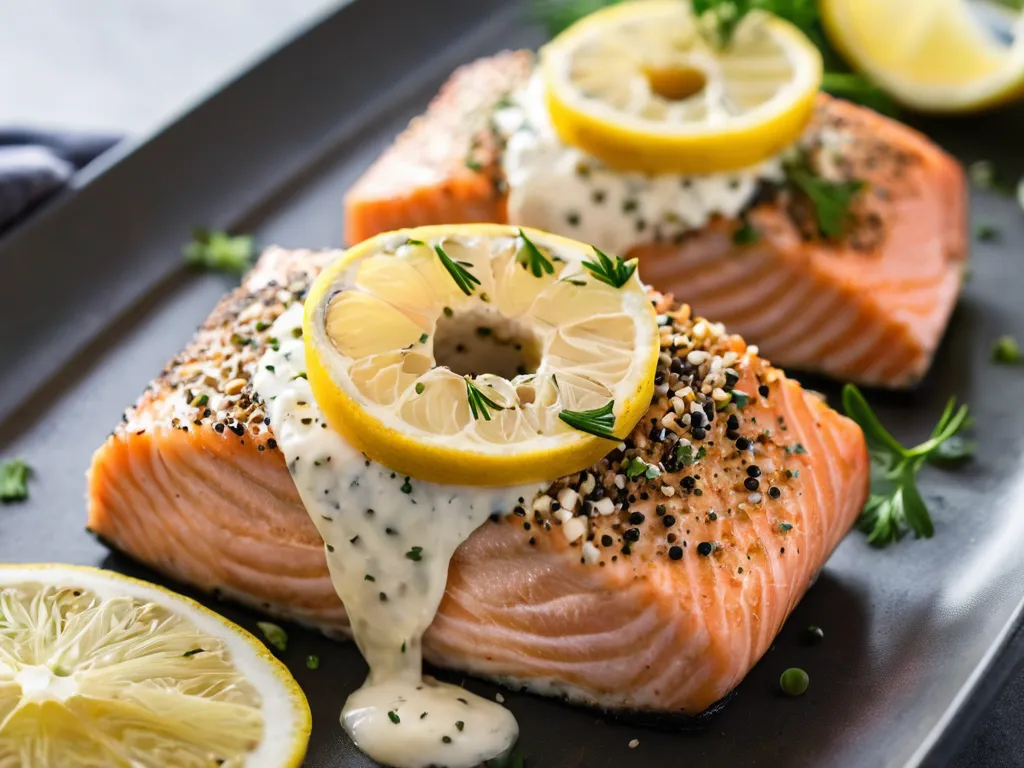
Quick answer: Pat 4 salmon fillets (6 oz each) dry. Whisk ¼ cup Kewpie mayo with 1 teaspoon soy sauce (and optional 1 teaspoon wasabi paste). Spread the mayo mixture in an even layer over the top of each fillet. Press ¼ cup of furikake seasoning firmly into the mayo coating — the layer should be thick, about ¼ inch. Bake at 400°F for 12–15 minutes until the furikake is toasted and the salmon flakes easily. The Kewpie mayo crust is the key: it doesn't dry out like regular mayo, and its egg-yolk-only formula caramelizes rather than separating. Furikake quantity matters too — a light dusting doesn't form a crust. Use enough to fully cover the mayo layer with no bare spots.

Shop the tools

Gear matched to this recipe. These are Amazon affiliate links — we may earn a small commission if you buy, at no extra cost to you.

As an Amazon Associate, Copycat Spices earns from qualifying purchases. Product images are generic illustrations, not the exact item listed.

Viral TikTok Furikake Salmon (Baked with Kewpie Mayo)

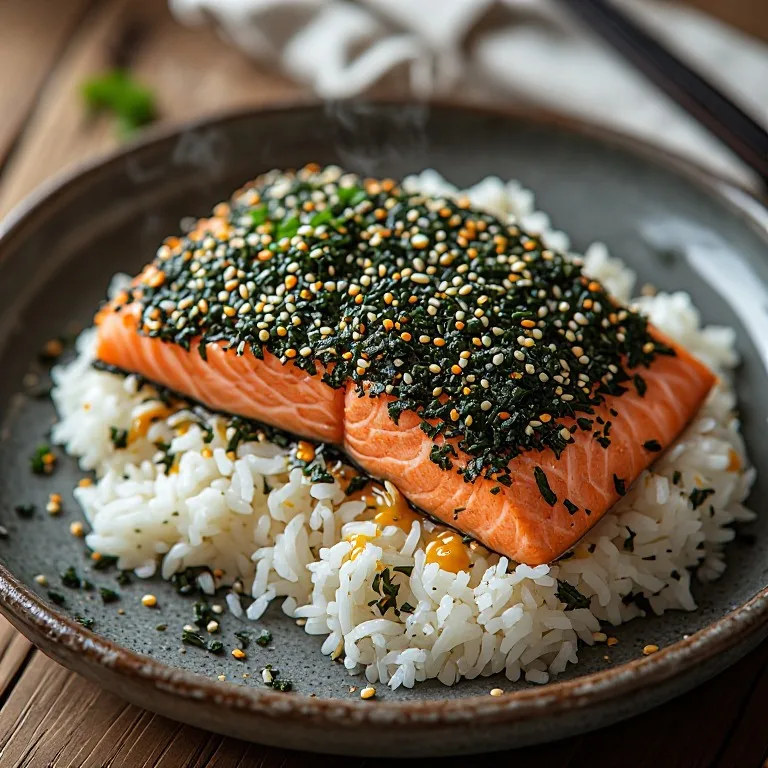
Hawaii's favorite baked salmon, now viral on TikTok: Kewpie mayo + a thick layer of furikake, baked until the nori and sesame form a crispy umami crust. Five ingredients, 25 minutes. Here's what most home versions get wrong.

Easy Prep: 5 min Cook: 15 min Total: 20 min4 servings ~$2.45/serving
Prep5 min
Cook15 min
Total20 min
Servings
4
At home~$2.45/serving
vs
Restaurant~$11.02/serving
You save ~78%

The Story Behind the Recipe

Hawaii's favorite baked salmon, now viral on TikTok: Kewpie mayo + a thick layer of furikake, baked until the nori and sesame form a crispy umami crust. Five ingredients, 25 minutes. Here's what most home versions get wrong.

Nutrition Facts

Per serving (4 servings)
Calories390
Total Fat24g
Total Carbs5g
Dietary Fiber1g
Sugars2g
Protein40g
Sodium720mg

* Estimated values based on standard recipe preparation. Actual values may vary.

Ingredients

Instructions

💡
Pro tip: This recipe tastes even better the next day. The flavors need time to meld together in the fridge.
❄️
Storage: Keeps in an airtight container in the fridge for up to 2 weeks. Freezer-friendly for up to 3 months.
🎃 Free Halloween cookbook — download now The Copycat Halloween Cookbook A ready-made, photo-illustrated PDF of our best halloween copycat recipes — free to download, no building required. Pay what you want to support if you love it.

Free PDF — instant download. We'll also send new seasonal copycat recipes now and then; unsubscribe anytime. Or just download it →

Furikake salmon has been a Hawaii plate lunch staple for decades. TikTok made it viral everywhere else.

The premise is almost unfairly simple: coat salmon fillets in Kewpie mayo, press on a thick layer of furikake, bake for 12 minutes. What comes out of the oven is a fillet with a deeply umami, slightly crispy crust where the nori, sesame, and bonito have toasted into something that tastes far more complex than the ingredient list suggests.

The TikTok appeal is the same as most genuinely good viral recipes: the gap between how easy it is and how good it looks and tastes.

Where This Dish Comes From

Hawaii’s food culture has deep Japanese roots. Japanese immigrants arrived in the late 1800s to work sugarcane fields and brought Japanese pantry staples with them. By the mid-20th century, furikake — the rice seasoning blend of nori, sesame, and dried fish — was a standard Hawaii household ingredient as familiar as salt. Furikake salmon evolved naturally from that context: an easy way to flavor the salmon that plate lunch culture had already made ubiquitous.

The dish has been on plate lunch menus across Oahu for generations. TikTok’s 2023–2026 spread was essentially an introduction to the mainland — and to everyone outside Hawaii who had never encountered it.

What Most Home Versions Get Wrong

1. Regular mayo instead of Kewpie

This is the most impactful substitution error. Kewpie and American mayo are both mayonnaises, but they behave differently when heated. Kewpie uses egg yolks only — no egg white — which produces a richer, higher-fat emulsion that caramelizes as it heats rather than separating and looking greasy. Kewpie’s rice vinegar base is milder and slightly sweet, complementing the fish without introducing the sharp acidity of regular mayo. And Kewpie contains MSG, which amplifies the savory interaction with the bonito and nori in the furikake.

Regular mayo applied the same way produces a thinner crust that can turn oily and separate at oven temperatures. You’ll still get a cooked piece of fish with furikake on top, but you won’t get the same golden, cohesive crust.

Kewpie is widely available — Whole Foods, most Asian grocery stores, Amazon — and it costs about the same as regular mayo. It’s worth buying a bottle specifically for this recipe.

2. Not enough furikake

TikTok videos show a thick coating, and that’s not for aesthetics. The furikake layer needs to be thick enough to form an actual crust as it bakes — roughly ¼ inch, fully covering the mayo surface with no bare spots, pressed in gently so it adheres.

A light decorative dusting produces a few isolated toasted sesame seeds scattered over a baked piece of fish. It doesn’t taste bad; it just misses the point. The crispy, umami-loaded crust is the entire reason to make this dish instead of just baking salmon with soy sauce.

Use the full ¼ cup of furikake for 4 fillets. If the container looks alarmingly empty after, you did it right.

3. Undercooking the crust

The furikake crust needs heat to toast. At 350°F, the salmon cooks before the crust has time to crisp — you get cooked fish with a pale, slightly soggy furikake layer. At 400°F for 12–15 minutes, the mayo layer caramelizes, the nori crisps at the edges, the sesame seeds toast, and the bonito flakes condense into a deeply flavored coating that adds texture as well as flavor.

The internal temperature of the fish at 400°F with a 1-inch thick fillet reaches the USDA target of 145°F right at 13–14 minutes. The crust is developing the whole time. Don’t go lower than 400°F.

What Is Furikake?

Furikake (ふりかけ) is a Japanese rice seasoning blend — the name literally means “to sprinkle over.” It was developed in the early 20th century as a way to make plain rice more nutritious and palatable.

Standard furikake contains:

  • Toasted sesame seeds (both white and black in most blends)
  • Dried nori (roasted seaweed), shredded into small pieces
  • Dried bonito flakes (katsuobushi), the smoky, umami-loaded shaved dried tuna
  • Salt and sugar in small quantities for balance

Variations worth knowing:

  • Nori komi: Primarily nori and sesame, simple and versatile
  • Salmon furikake: Uses dried salmon instead of or in addition to bonito — a natural pairing for this recipe
  • Wasabi furikake: Adds wasabi powder; substitute for the wasabi paste in the mayo
  • Spicy furikake: Contains chili pepper; skip the wasabi if using this

For furikake salmon, buy furikake with visible nori shreds and sesame seeds. Very finely ground versions turn pasty when they bake into the mayo. JFC Seto Fumi, Mishima, and S&B are reliable brands at most Asian grocery stores and Whole Foods.

Why Kewpie Is Different

Kewpie mayonnaise was created in Japan in 1925 by Toichiro Nakashima, who had tasted American mayo and wanted to adapt it with a richer, more delicious profile for Japanese cooking. Key differences:

Egg yolks only. American mayo uses whole eggs. Kewpie uses only the yolks, which have a higher fat content and richer flavor. The emulsion is denser and more stable at heat.

Rice vinegar. The acid in Kewpie comes from rice vinegar, which is milder and slightly sweet. American mayo uses distilled white vinegar or apple cider vinegar, which are sharper.

MSG. Kewpie contains monosodium glutamate, which enhances every other umami flavor in the dish — including the bonito flakes and nori in the furikake.

The combination produces a mayo that caramelizes in the oven rather than separating, and that tastes distinctly savory-sweet rather than sharp.

The Baking Science

At 400°F, three things happen simultaneously to the furikake crust:

The sesame seeds toast. Sesame contains high levels of polyunsaturated fats and natural antioxidants that develop flavor through the Maillard reaction at oven temperatures. Toasted sesame has roughly three times the flavor intensity of raw sesame.

The nori crisps. Nori loses residual moisture quickly at 400°F and becomes brittle. The thin shredded pieces in furikake form rigid, crispy fragments within the first 8–10 minutes of baking. This is the source of the crust’s textural contrast.

The Kewpie mayo caramelizes. The added sugar in Kewpie and the proteins in the emulsified egg yolks undergo Maillard browning at the surface, creating a golden-brown coating that bonds the furikake to the fish.

All three processes require consistent heat. Foil-lining the baking sheet is essential — the caramelizing mayo drips, and it adheres permanently to bare metal.

Serving

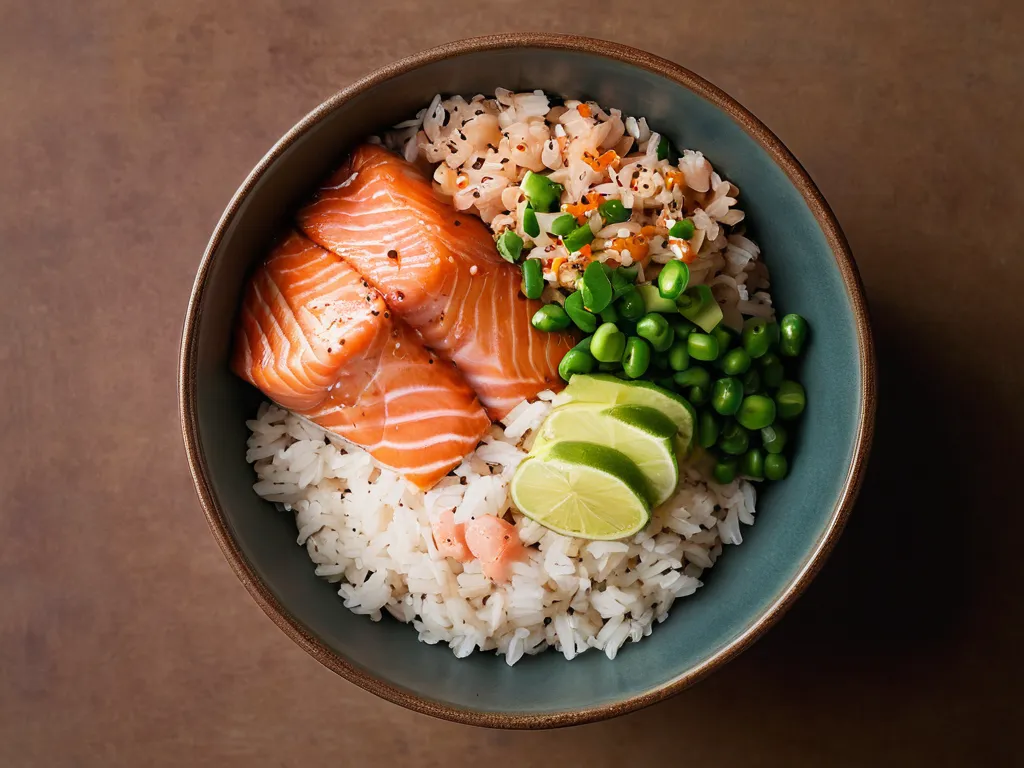
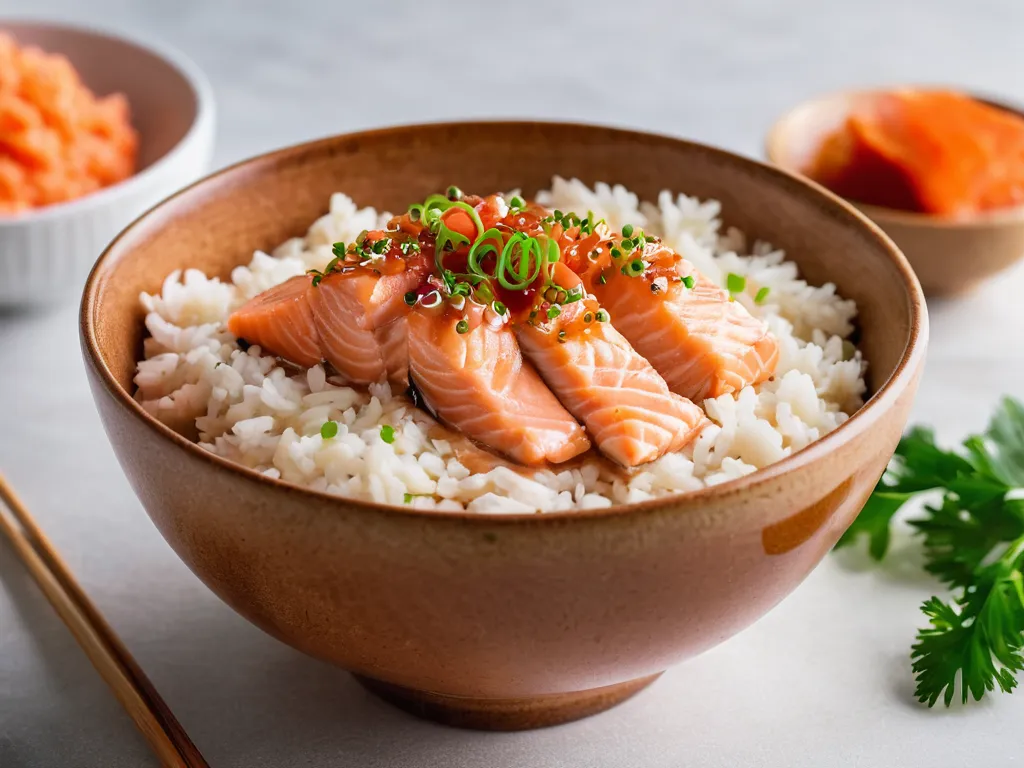
The traditional Hawaii serve is straightforward: furikake salmon over a mound of short-grain white rice, with an extra sprinkle of furikake directly on the rice. The rice absorbs the caramelized mayo drippings.

Simple additions that work:

  • Sliced avocado alongside (creaminess balances the savory crust)
  • A side of edamame or miso soup
  • Thin cucumber slices with rice vinegar and sesame oil
  • A drizzle of sriracha or chili crisp for heat

Eat immediately. The crust is crispest in the first 5–10 minutes out of the oven. As the salmon sits, steam from the rice softens the nori — still delicious, just less crunchy.
🥗

Make It Healthier

Love Viral TikTok Furikake Salmon (Baked with Kewpie Mayo) but want a lighter version? Try these simple swaps:

  • ✓Use low-sodium soy sauce to reduce sodium by about 150mg per serving.
  • ✓Skin-on salmon fillets retain more fat during baking — leave the skin on if you want a more unctuous result.
  • ✓Serve over cauliflower rice or a simple green salad instead of white rice to reduce carbs while keeping all the flavor.
  • ✓Salmon is highly nutritious regardless: wild-caught sockeye or coho provides substantial omega-3s and ~40g protein per 6 oz fillet.

Frequently Asked Questions

Why does this recipe require Kewpie mayo — can I use regular mayo?

You can use regular mayo, but the result is noticeably different. Kewpie differs from American mayo in three ways that matter for this recipe. First, Kewpie is made from egg yolks only (no egg white), which produces a richer, creamier emulsion with a higher fat content per tablespoon — this is what gives the crust its golden color and prevents it from drying out. Second, Kewpie uses rice vinegar instead of distilled white vinegar, producing a milder, slightly sweet tang that complements the fish without competing with the umami from the furikake. Third, Kewpie contains MSG, which amplifies the savory interaction with the bonito flakes and nori in the furikake. Regular mayo produces a flatter, thinner crust that can separate and look a bit greasy. If Kewpie is genuinely unavailable, a Japanese-style or European-style mayo (higher egg content, different acid) is a better substitute than standard American mayo.

What is furikake and what should I buy?

Furikake is a Japanese rice seasoning blend — the name literally means 'to sprinkle over.' Traditional furikake contains toasted sesame seeds, shredded dried nori (seaweed), dried bonito flakes (katsuobushi), salt, and sugar. Most versions also include dried egg, dried shrimp, shiso, or wasabi depending on the style. For furikake salmon, the most versatile choice is a basic nori komi furikake (nori + sesame, simple) or a standard salmon or bonito furikake, which adds a fish-forward depth that echoes the salmon itself. Brands widely available in the US include JFC Seto Fumi, Mishima, and S&B. Avoid very fine-ground furikake, which turns pasty when it bakes into the mayo — you want a mix with visible nori shreds and sesame seeds that will crisp and toast in the oven. Asian grocery stores carry it reliably; it's also available at Whole Foods, Amazon, and many mainstream supermarkets.

Is furikake salmon originally from Hawaii?

Yes. Furikake salmon has been a Hawaii plate lunch staple for decades, long before it went viral on TikTok. Hawaii's food culture has deep Japanese roots — Japanese immigrants arrived in Hawaii in significant numbers in the late 1800s to work in sugarcane fields and brought Japanese ingredients with them, including furikake, which by the mid-20th century was as common in Hawaii as salt and pepper. Furikake on salmon — especially baked with a mayo crust — appears on plate lunch menus across Oahu and has been passed down through generations of local Hawaiian cooks. TikTok's 2023–2026 wave of furikake salmon content primarily introduced this dish to mainland American home cooks and international viewers who had never encountered it in its original context.

Can I cook furikake salmon in an air fryer?

Yes, the air fryer works well and produces a slightly crispier furikake crust than a standard oven because the circulating hot air desiccates the surface more aggressively. Preheat the air fryer to 375°F. Line the basket with a small piece of foil or parchment cut to fit (mandatory — the caramelizing mayo will fuse to an unlined basket). Apply the Kewpie mayo and furikake as directed. Cook for 8–10 minutes depending on fillet thickness — check at 8 minutes. The furikake will be deeper golden and more uniformly crisp than the oven version. One limitation: most air fryer baskets fit 2 fillets at most; cook in batches if serving 4.

What furikake flavors work best for this recipe?

Standard nori-sesame furikake (the most common type) works universally well. For more depth, salmon furikake or bonito furikake adds a layered fish-on-fish umami quality that's excellent. Wasabi furikake adds heat and sharpness — worth trying if you like wasabi but reduce or eliminate the wasabi paste in the mayo so you don't overdo it. Shiso furikake adds a bright, herbal quality that pairs nicely with lighter preparations. Spicy furikake (usually contains chili pepper) works well if you want heat. Avoid egg furikake (tamago) for this recipe — the dried egg component can turn slightly rubbery when baked into the mayo crust.

How do I know when the salmon is done?

Three methods. The most reliable: an instant-read thermometer inserted into the thickest part — 145°F is the USDA recommended fully-cooked temperature; 130–135°F is the restaurant-style slightly silky result. Visual cue: the flesh around the edges of the fillet will be fully opaque and the top of the fish will separate easily from the layer below when you press it gently with a fork. The furikake crust should be fragrant, deep golden-brown at the edges, and the sesame seeds should be toasted (not pale). Poke test: press the center gently — firm with slight give means done; very soft and springy means it needs more time; completely rigid and dry means overcooked.

What should I serve with furikake salmon?

Short-grain white rice is the traditional pairing — it's Hawaii plate lunch style and the right call. The rice absorbs the caramelized mayo drippings and any stray furikake. Steam the rice and serve it with a light sprinkle of additional furikake directly on the rice. Simple sides that work well: edamame, steamed broccolini with a drop of soy sauce, a quick cucumber salad (sliced thin, rice vinegar, sesame oil, a pinch of salt), or miso soup. For a more composed presentation, serve over a rice bowl with sliced avocado, pickled ginger, and a drizzle of sriracha mayo.

Can I make furikake salmon ahead of time?

The assembled, unbaked fish can be refrigerated for up to 4 hours — apply the mayo and furikake, cover loosely, and refrigerate. This is actually beneficial: the mayo has time to set and adhere more firmly to the fish, which produces a more defined crust. Do not assemble more than 4 hours ahead — the furikake will begin to absorb moisture from the mayo and lose its crunch before it ever hits the oven. Baked furikake salmon can be refrigerated and reheated, but the crust softens significantly. If reheating, use an oven or air fryer (350°F, 5–6 minutes) rather than a microwave, which makes the furikake soggy.

Love this recipe? Share it!

Free PDF: our 12 most-wanted copycat recipes — instant download.

Made it? Buy us a coffee

Every recipe here is free, with no paywalls. If this one was a hit at your table, a small tip keeps new copycats coming.

$

Ratings & Reviews

—
No ratings yet

Rate this recipe

Click a star to rate

Leave a Review

0/500

CS

Copycat Spices Editorial

Researched + fact-checked. Every recipe on Copycat Spices is built from published sources — official ingredient lists, brand-published recipes, interviews and food-science references — and fact-checked before it goes live, then written as clear, step-by-step instructions for home cooks of all skill levels.

Learn more about our mission →