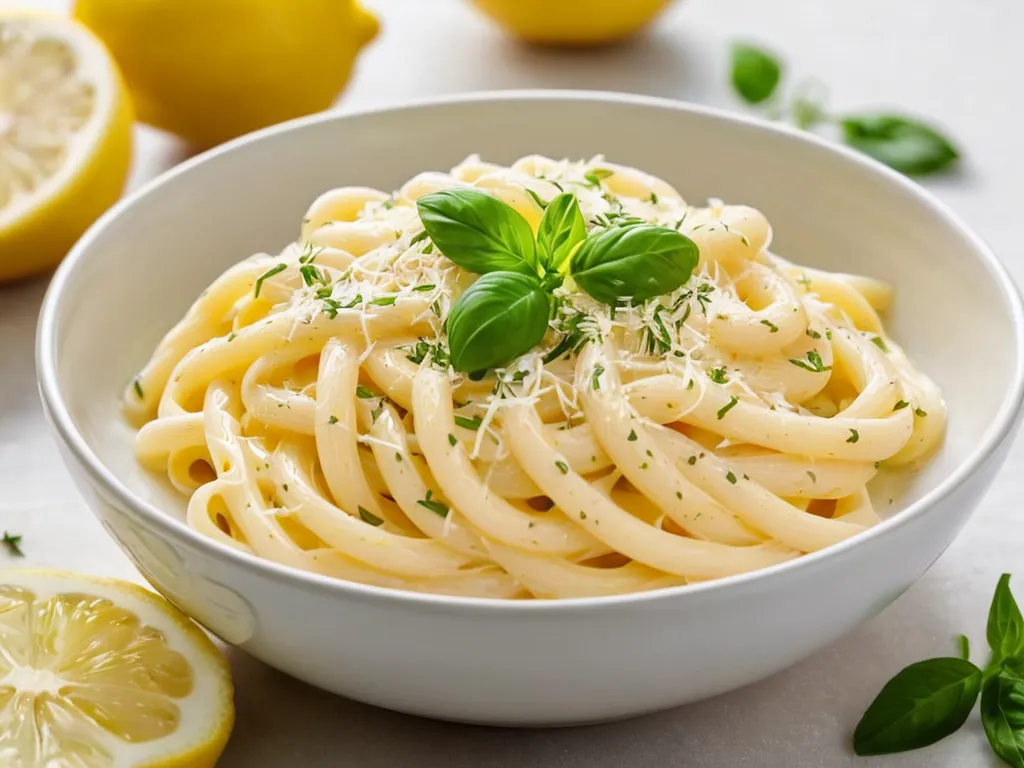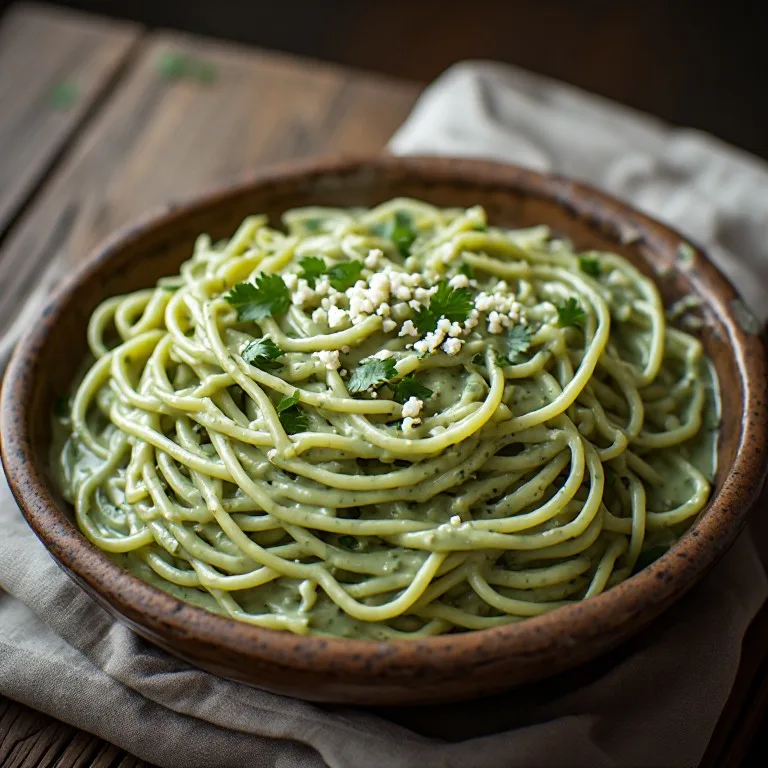



The viral TikTok green spaghetti — espagueti verde — is a Mexican comfort food classic that most of the internet discovered only in 2025 and 2026, despite being a staple at family asados for generations. The concept is simple: spaghetti tossed in a silky roasted poblano cream sauce, blended smooth with cream cheese, crema, garlic, and cilantro. Mild, deeply savory, and done in 30 minutes.
What Makes Espagueti Verde Different from Other Green Pasta
This is not basil pesto. It is not spinach pasta. The green color comes entirely from roasted poblano peppers — and that distinction matters, because the flavor is completely different from any Italian-style green sauce.
Charred poblanos are earthy and slightly smoky with almost no heat. Blended into cream cheese and crema, they produce a sauce that is rich without being heavy, savory without being sharp, and just herby enough from the cilantro to taste bright. The closest thing in Italian cooking might be a mild romesco — a nut-free, green, Mexican version.
TikTok’s #greenspaghetti and #espaguetiverde tags went viral because the dish looks spectacular on video (the sauce is a vivid, saturated green) and delivers on the hype. For US-born Latinos, it is also nostalgia in a bowl — the dish that appeared at every barbecue, alongside carne asada and rice, when they were growing up. The virality was less “here is a new recipe” and more “here is something you have been missing.”
The One Step You Cannot Rush: Charring the Poblanos
The entire character of this sauce lives in properly charred poblanos. Lightly roasted peppers — turned briefly in a pan, or roasted in a moderate oven — produce a pale, grassy, vegetal sauce. Blackened-skin poblanos produce something earthy, smoky, and deeply flavored.
The method: place the peppers directly on a gas burner grate over high heat, or lay them on a sheet pan directly under the broiler. Turn every 2–3 minutes until the skin is evenly charred and blistered all over — including the bottom and any flat spots. It should look burnt. That is correct.
After charring, seal the peppers in a covered bowl for 10 minutes. The steam loosens the skin so it peels off in clean sheets. Then peel, slit open, scrape out the seeds, and you have the foundation of the sauce.
Do not rinse the peeled peppers. Rinsing washes away the smoky, charred flavor compounds that just spent 12 minutes building.
Building the Sauce
The blender does the work. Add the cleaned poblano flesh, 8 oz softened cream cheese, ½ cup Crema Mexicana (or sour cream), ¾ cup whole milk, a quarter of a white onion, 2 garlic cloves, a handful of cilantro, and 2 teaspoons chicken bouillon powder. Blend on high for 90 seconds, scraping down the sides once. The sauce should be completely smooth and vivid green.
Room-temperature cream cheese matters here — cold cream cheese doesn’t blend smoothly and leaves visible white specks in the sauce. Pull it from the refrigerator when you start charring the peppers.
Pour the sauce into a skillet with 2 tablespoons of butter and simmer over medium heat for 3–4 minutes, stirring constantly. The sauce goes from loose and pourable to a sauce thick enough to coat a spoon. Don’t overdo it — more than 5 minutes of simmering turns the bright green a duller olive shade as the chlorophyll breaks down.
Tossing with Pasta
Cook 1 lb of spaghetti in aggressively salted water to 1 minute shy of al dente. Reserve ½ cup of the starchy pasta water before draining — if the sauce is too thick when you toss the pasta, this is what saves it.
Add the drained pasta to the sauce in the skillet and toss with tongs for 30–60 seconds. Every strand should be coated and glossy. Add pasta water by the splash if needed to keep things fluid.
Taste before adding salt — the chicken bouillon already carries significant sodium. Serve immediately in warm bowls, topped with crumbled cotija or queso seco and extra cilantro. A squeeze of lime is optional but brightens the whole dish.
Serve it as a side to birria tacos for a full Mexican spread, or pair it with the viral TikTok elote pasta if you want to build a Mexican street-food pasta night at home.