


Gua Bao — The Taiwanese Bun That Broke the Internet
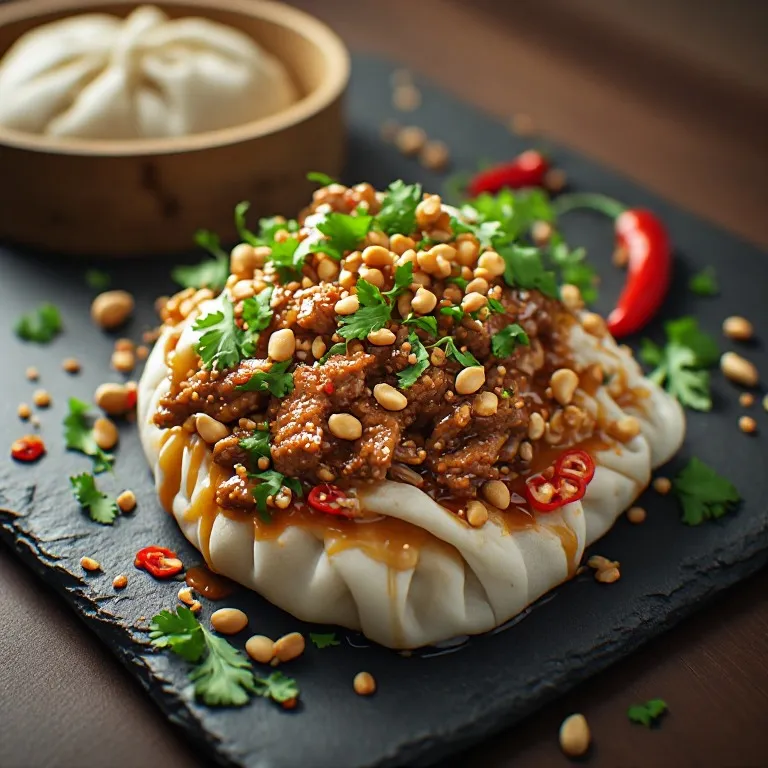
You’ve seen it on TikTok a thousand times: a hand pries open a cloud-white steamed bun, slides in a glistening slab of braised pork belly, and finishes it with a shower of crushed peanuts. The steam rises. The likes pour in. Gua bao (刈包) has a decades-long hold on Taiwanese street markets, but it needed social media to show the rest of the world what they were missing.
Roots in Fujianese Tradition
Gua bao came to Taiwan with Fujianese immigrants, and its Taiwanese name literally means “cut bun” — a reference to the folded, clam-shell shape of the lotus-leaf bun. In Taiwan it’s also called “tiger bites pig” (虎咬豬), a name that sells itself. Historically it was eaten during the Tail-Ya festival when families would offer pork to the Earth God. Today it’s simply one of the best things you can eat at a night market.
The Art of the Braise
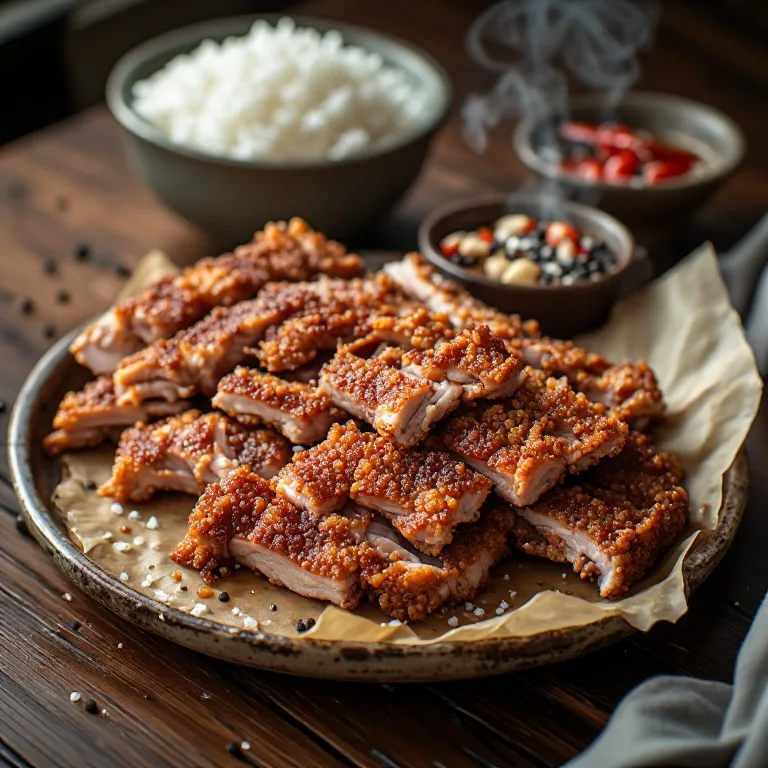
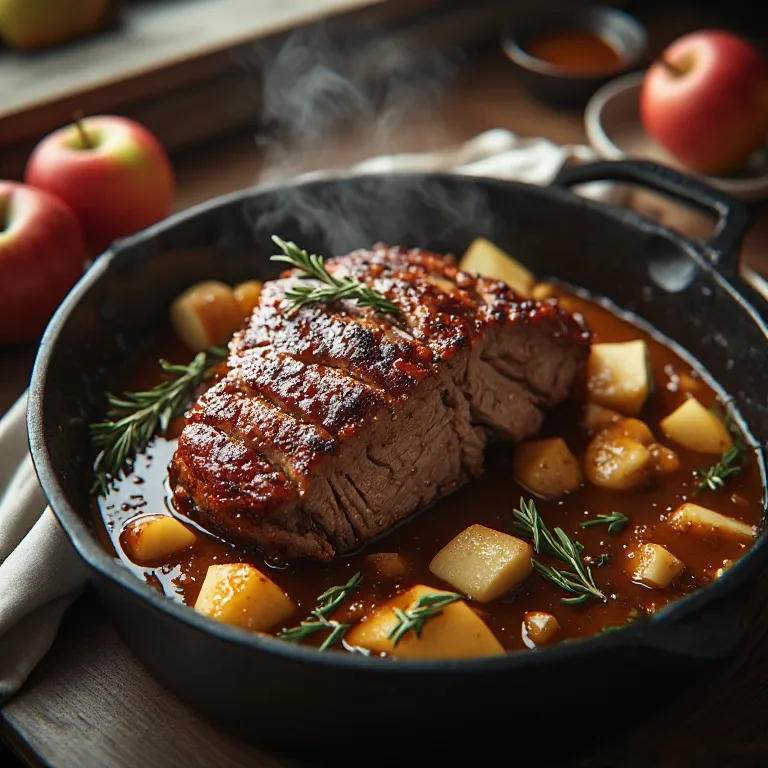
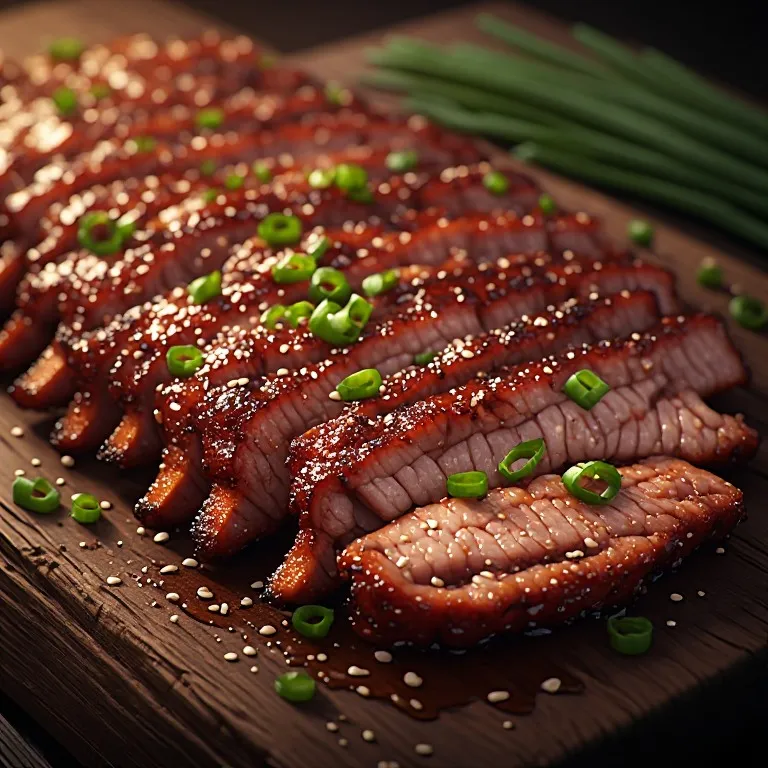
The pork belly is everything. A proper braise — blanched first to remove impurities, then seared to build a caramelized exterior, then slow-simmered in dark soy, Shaoxing wine, and five-spice — turns a tough, fatty cut into something silky and yielding. Each slice should be marbled, collapsing at the edges, with a lacquered, mahogany surface. Don’t rush this step: sixty to seventy-five minutes of low, patient heat is the difference between good pork and extraordinary pork.
The Texture Equation
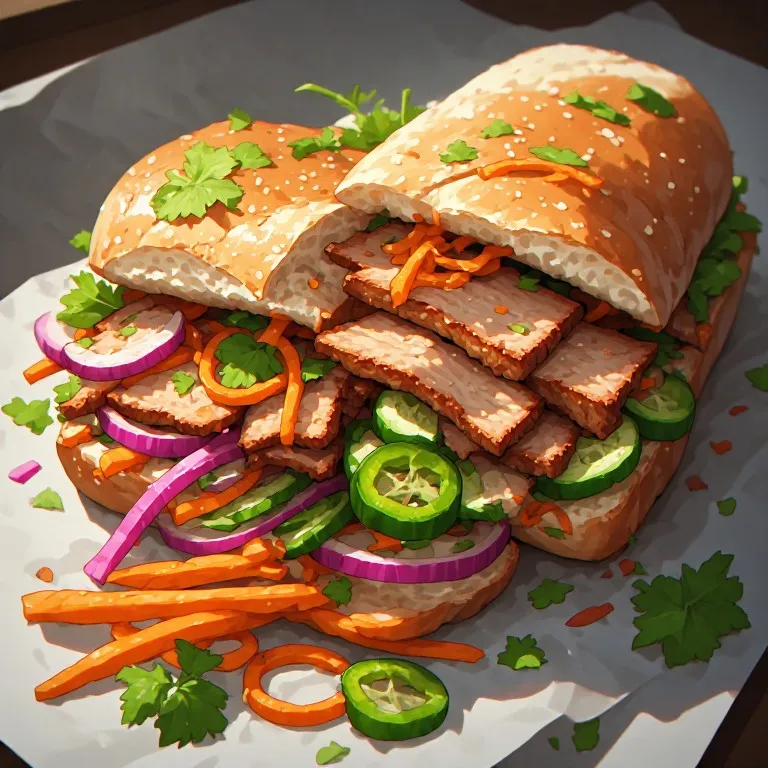
What makes gua bao so viral-worthy is the contrast: pillowy softness of the steamed bun against the yielding richness of the pork, the sour crunch of pickled mustard greens, and the nutty, toasty ground peanuts. Every component exists to balance every other. Skip the pickled greens and you lose the acid that cuts through the fat. Skip the peanuts and you lose the textural punctuation. The cilantro might look like garnish but it’s structural — that fresh, herbal brightness is the top note the dish needs.
Variations from the Night Market
Hong-Shao (red-braised) style: Add a star anise and a cinnamon stick to the braise for an aromatic, deeper flavor profile. This is the most common Taipei street version.
Modern fusion bao: Many New York and London restaurants fill the same lotus buns with crispy duck, tempura shrimp, or even pulled jackfruit. The bun format is endlessly flexible — which is exactly why TikTok food creators keep reinventing it.
Vegetarian gua bao: Braise king oyster mushrooms and tofu skin in the same soy-and-five-spice liquid. The mushrooms collapse and absorb the sauce beautifully, and the visual payoff on camera is nearly identical to the pork version.
One bun and you will understand why gua bao has never left Taiwan’s night markets and never will.