

Pin It

Japchae (Korean Glass Noodle Stir-Fry)

Japchae (Korean Glass Noodle Stir-Fry)
Jump to Recipe
Prep 25 min Cook 20 min Serves 4
Quick answer: Japchae is a Korean glass noodle stir-fry made with sweet potato dangmyeon, colorful vegetables, and beef tossed in a sesame-soy sauce — a festive celebration dish that went viral on TikTok for its jewel-toned vegetables, silky noodles, and gluten-free flexibility.

Shop the tools

Gear matched to this recipe. These are Amazon affiliate links — we may earn a small commission if you buy, at no extra cost to you.

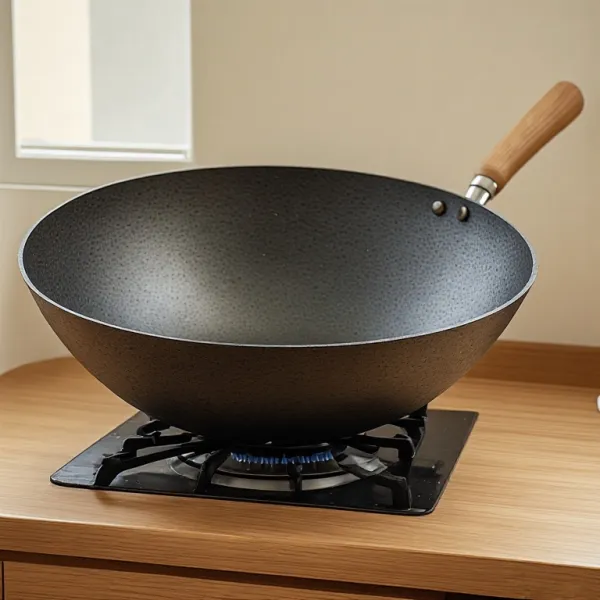
As an Amazon Associate, Copycat Spices earns from qualifying purchases. Product images are generic illustrations, not the exact item listed.

Japchae (Korean Glass Noodle Stir-Fry)

Silky sweet potato glass noodles tossed with colorful vegetables and beef in a sesame-soy glaze — Korea's most festive and TikTok-beloved noodle dish.

Medium Prep: 25 min Cook: 20 min Total: 45 min4 servings ~$4.50/serving
Prep25 min
Cook20 min
Total45 min
Servings
4
At home~$4.50/serving
vs
Restaurant~$20.25/serving
You save ~78%

The Story Behind the Recipe

Silky sweet potato glass noodles tossed with colorful vegetables and beef in a sesame-soy glaze — Korea's most festive and TikTok-beloved noodle dish.

Nutrition Facts

Per serving (4 servings)
Calories460
Total Fat14g
Total Carbs62g
Dietary Fiber5g
Sugars10g
Protein22g
Sodium780mg

* Estimated values based on standard recipe preparation. Actual values may vary.

Ingredients

Instructions

💡
Pro tip: This recipe tastes even better the next day. The flavors need time to meld together in the fridge.
❄️
Storage: Keeps in an airtight container in the fridge for up to 2 weeks. Freezer-friendly for up to 3 months.
🎃 Free Halloween cookbook — download now The Copycat Halloween Cookbook A ready-made, photo-illustrated PDF of our best halloween copycat recipes — free to download, no building required. Pay what you want to support if you love it.

Free PDF — instant download. We'll also send new seasonal copycat recipes now and then; unsubscribe anytime. Or just download it →

Japchae — Korea’s Celebration Noodle Goes Viral

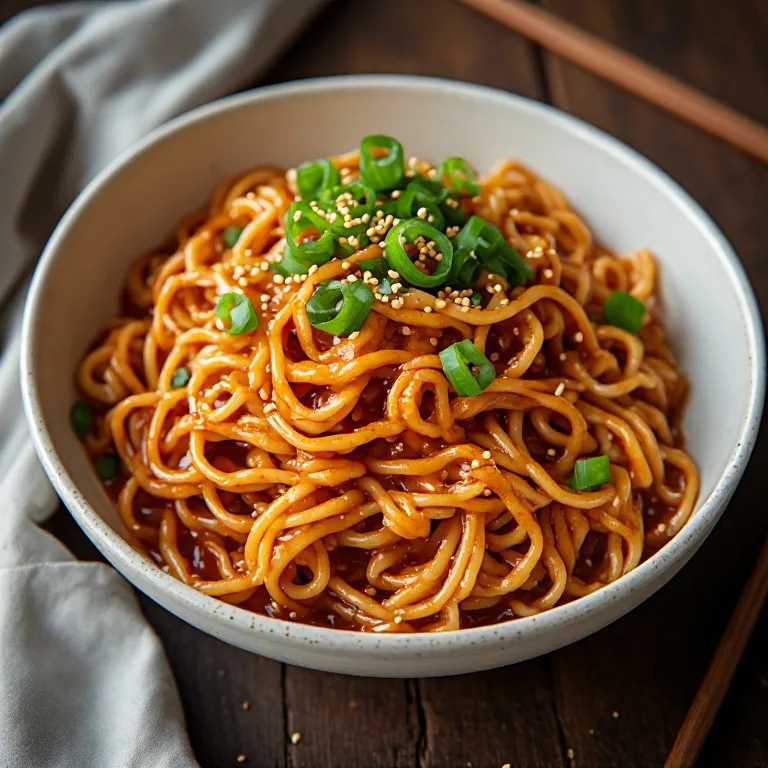
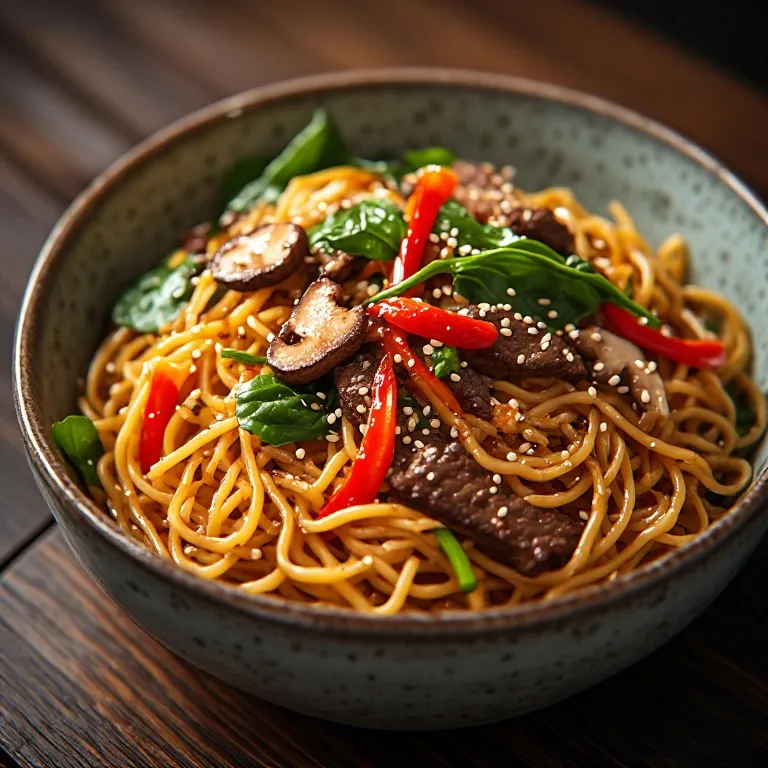
Look at a well-made plate of japchae and you understand immediately why it went viral: orange carrots, red peppers, dark green spinach, golden mushrooms, and glistening translucent noodles, all tossed together in a glossy sesame-soy glaze. It’s one of the most visually stunning dishes in Korean cuisine, and unlike most photogenic food, it actually tastes extraordinary.

A Dish of Royalty

Japchae (잡채) has its origin story in the 1600s, at the court of King Gwanghaegun of the Joseon dynasty. The story goes that an advisor named Lee Chung presented the dish at a royal banquet — the name literally means “mixed vegetables.” The king loved it so much that the advisor was rewarded with land and title. The glass noodles, which came later as the dish evolved, became central to its identity. Today japchae is synonymous with Korean celebrations, appearing at every Chuseok and Seollal table.

The Noodle That Makes It

Dangmyeon — sweet potato starch glass noodles — are one of the most distinctive noodles in Asian cooking. Dry, they’re opaque and gray. Cooked, they turn completely translucent and develop a silky, slightly springy chew that no wheat noodle can replicate. They absorb sauce extraordinarily well: the sesame-soy glaze clings to their surface and the flavor penetrates through. They’re also naturally gluten-free, which has contributed to japchae’s appeal to health-conscious TikTok audiences.

The Technique Behind the Color

Japchae is cooked in stages — each vegetable gets its own brief pass through a hot wok — and this is what separates good japchae from great japchae. A single-pan throw-everything-in approach results in steamed, soggy vegetables. Individual stir-frying keeps each component at its peak: carrots slightly crisp, mushrooms golden and meaty, spinach just wilted and bright green, peppers with a faint char on the edges. When you combine everything at the end, you get a dish where every bite has different textures in every mouthful.

Serving and Storing

Japchae is one of the few noodle dishes that actually improves slightly as it sits. The noodles continue absorbing the sauce for up to an hour after cooking, and the flavors meld. It’s traditionally served at room temperature at celebrations, making it perfect for potlucks and dinner parties — no stressed last-minute timing. If refrigerated, the noodles firm up; just toss with a splash of warm water and sesame oil before serving.

Three Variations to Know

Vegetarian japchae: Replace beef with extra mushrooms — dried wood ear mushrooms, shiitake, and oyster mushrooms together make an earthy, meaty version. Use a soy-based vegetarian oyster sauce if you want extra depth.

Seafood japchae: Shrimp and squid stir-fried at high heat make a lighter, brininess-forward version popular in coastal Korean towns. The seafood cooks in under 2 minutes, so it goes in last.

Spicy japchae: Add 1 tablespoon of gochujang to the sauce mixture. The heat plays beautifully against the sesame and makes the dish more complex without losing its identity.

Make it for a crowd. The recipe doubles well, travels easily, and looks spectacular on a large platter.
🥗

Make It Healthier

Love Japchae (Korean Glass Noodle Stir-Fry) but want a lighter version? Try these simple swaps:

  • ✓Double the vegetables and halve the noodles for a lower-carb version that still has all the flavor.
  • ✓Swap beef for extra-firm tofu, pressed and marinated in the same soy-sesame mix, for a plant-based japchae.
  • ✓Reduce sesame oil to 1 tablespoon total — it's calorie-dense and you'll still taste it clearly at lower amounts.
  • ✓Use tamari instead of soy sauce to keep the dish naturally gluten-free (dangmyeon noodles already are).

Frequently Asked Questions

What are dangmyeon and where can I find them?

Dangmyeon (당면) are Korean sweet potato starch glass noodles — translucent when dry, silky and slightly chewy when cooked. Find them at Korean or Asian grocery stores, in the noodle aisle. They're sold in large bundles and keep indefinitely dried. Look for the Assi or Pulmuone brands.

Why cook the vegetables separately?

Each vegetable has a different moisture content and optimal cooking time. Cooking them separately prevents steaming and keeps each one with the right texture — carrots firm, spinach just wilted, mushrooms golden not soggy. It takes 5 extra minutes and makes a noticeable difference.

Can japchae be served cold?

Yes — japchae is commonly served at room temperature at Korean celebrations and potlucks. The noodles firm up slightly when cold but the flavors hold. For cold service, toss with an extra drizzle of sesame oil before plating to keep the noodles from clumping.

What is japchae typically served at in Korea?

Japchae is a celebratory dish — it appears at Chuseok (harvest festival), Lunar New Year (Seollal), and major family celebrations like birthdays and weddings. Its colorful vegetable arrangement makes it visually festive, and the fact that it can be made ahead in large batches makes it perfect for big gatherings.

Love this recipe? Share it!

Free PDF: our 12 most-wanted copycat recipes — instant download.

Made it? Buy us a coffee

Every recipe here is free, with no paywalls. If this one was a hit at your table, a small tip keeps new copycats coming.

$

Ratings & Reviews

—
No ratings yet

Rate this recipe

Click a star to rate

Leave a Review

0/500

CS

Copycat Spices Editorial

Researched + fact-checked. Every recipe on Copycat Spices is built from published sources — official ingredient lists, brand-published recipes, interviews and food-science references — and fact-checked before it goes live, then written as clear, step-by-step instructions for home cooks of all skill levels.

Learn more about our mission →