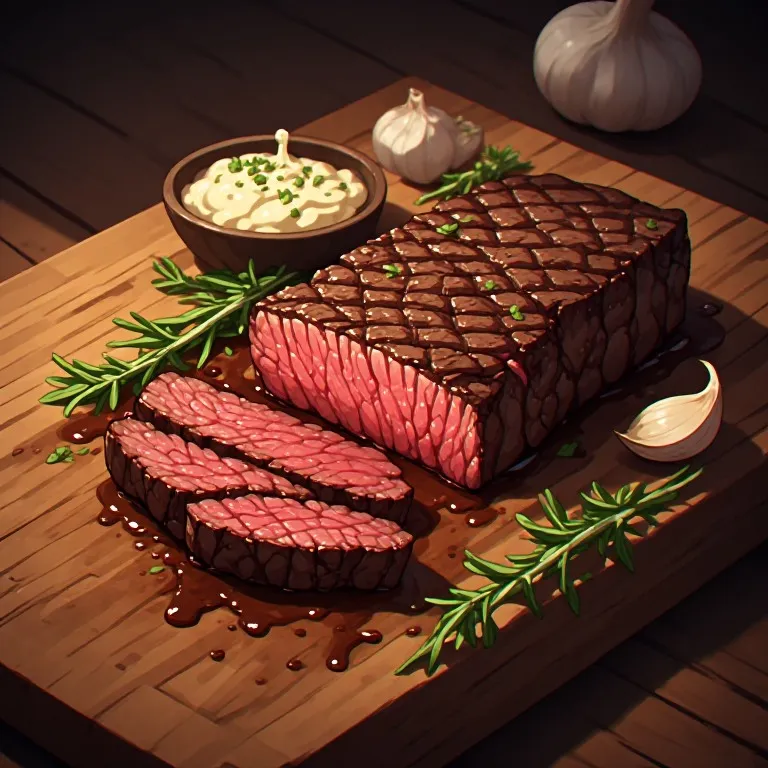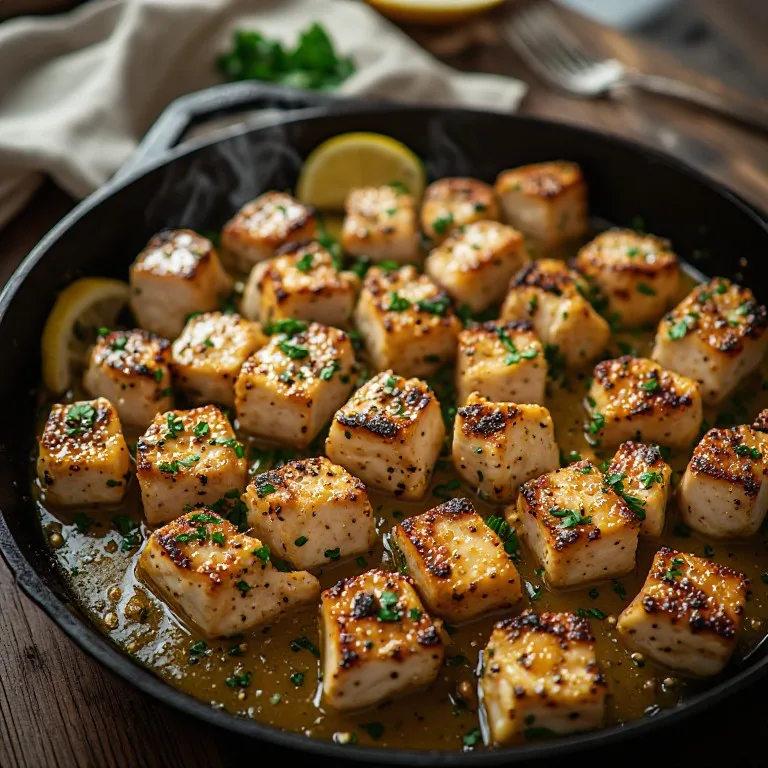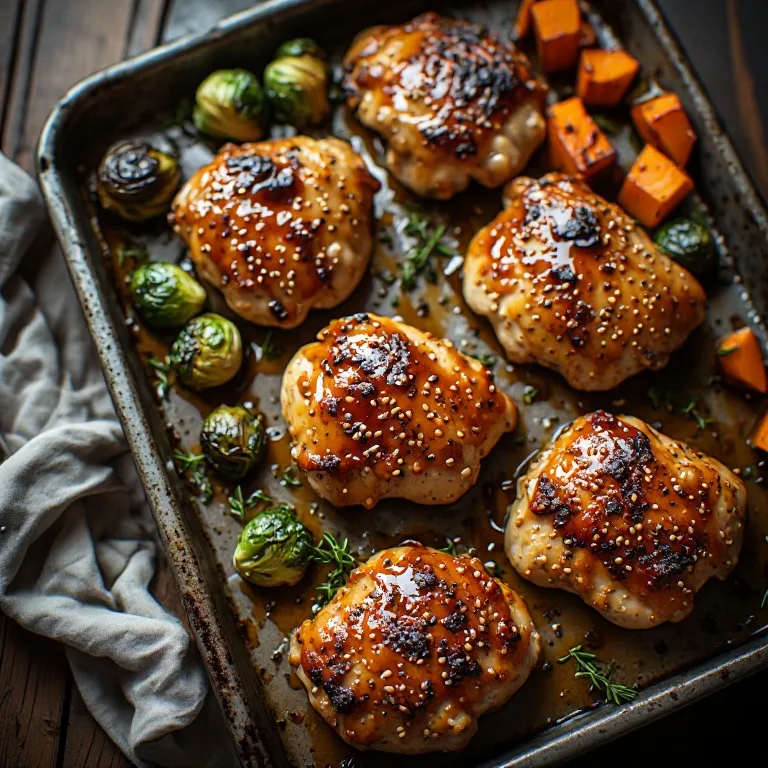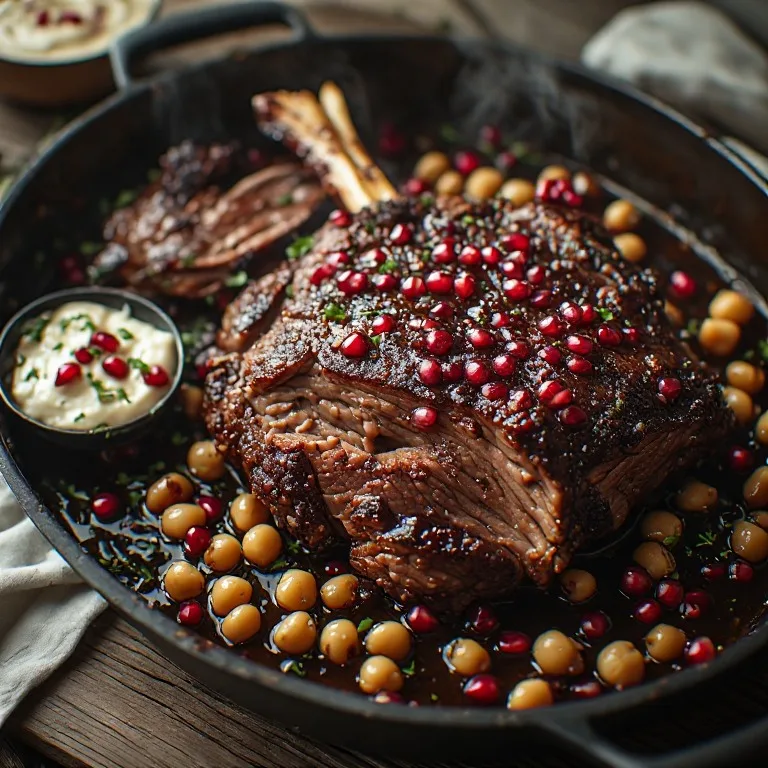



Cast Iron Lamb Chops — The 20-Minute Dinner That Looks Like a Restaurant Plate
Prep: 10 min + 30 min rest | Cook: 10 min | Serves: 2 | Medium-rare internal: 130°F
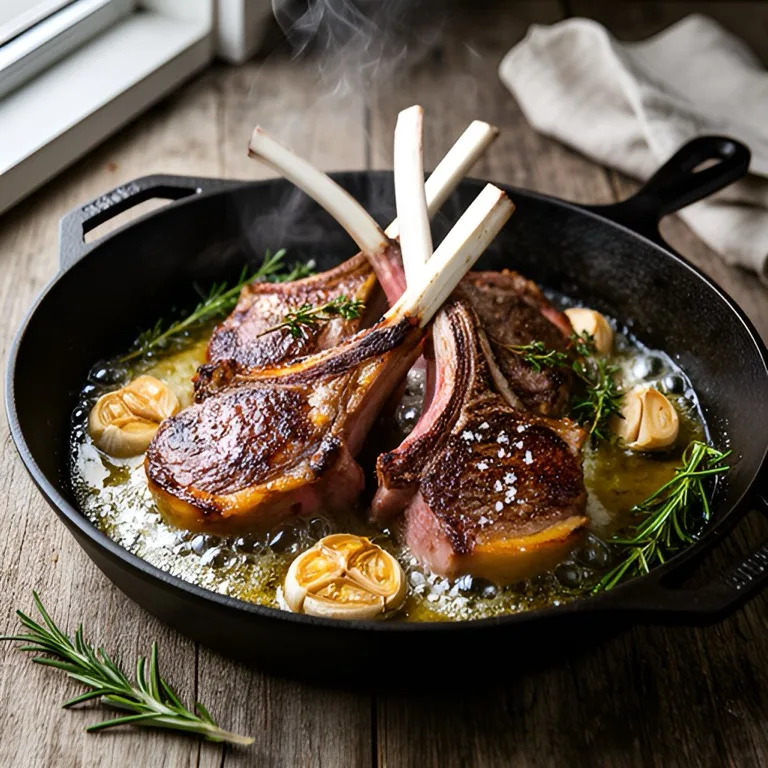
The viral TikTok lamb chops trend made one thing clear to home cooks: what they thought was technical difficulty was actually just temperature. A restaurant-quality lamb chop isn’t about a complicated sauce or specialized equipment — it’s about a cast iron pan that’s genuinely smoking hot, a 3-minute uninterrupted sear on each side, and 90 seconds of continuous butter basting that deposits garlic, rosemary, and rendered lamb fat onto the crust.
That’s it. Those three elements are 95% of the difference between a grey, timid lamb chop and the kind you pay $45 for.
Why the Pan Temperature Is Everything
The Maillard reaction — the chemical browning that creates crust flavor — requires surface temperatures above 285°F. But “above 285°F” describes a mediocre sear. The lamb chops that go viral have crusts at 450°F to 500°F surface contact. At those temperatures, the protein and fat compounds don’t just brown — they form dozens of new flavor compounds in seconds.
What happens at lower temperatures: the lamb surface releases moisture faster than it can evaporate. The liquid steams the meat instead of searing it. You get pale grey protein with no crust and no flavor. This is why cheap pans fail at this technique — they drop temperature when the cold chop lands and never recover.
Cast iron holds heat when cold protein hits it. That’s its job here.
The Butter Baste: What You’re Actually Doing
The 90-second butter baste isn’t just about flavor — it’s about heat transfer. The foaming butter is picking up the lamb fat rendered during the sear and cycling it back over the surface of the chops. You’re essentially frying the top of the lamb in its own fat plus butter, cooking the surface with a continuous flood of very hot fat that the dry heat of the pan can’t reach.
The herbs bloom in the hot fat, releasing their oil-soluble aromatics directly into the basting liquid. The smashed garlic (whole, not minced — minced garlic burns at these temperatures) infuses without scorching. The result is a crust that tastes of deeply browned lamb, toasted rosemary, and garlic-bloomed butter all at once.
The tilting of the pan is mechanical, not aesthetic. You’re creating a pool of basting liquid at the lower edge so the spoon can scoop and pour continuously. A flat pan means the butter spreads out too thin to scoop efficiently.
Why Frenched Rib Chops
Frenched rib chops — the ones with the long bone scraped clean — are the cut in every TikTok video because they’re visually dramatic and they cook precisely at this thickness. A single frenched rib chop is typically 6 to 7 ounces with the bone, about 3.5 to 4 ounces of edible meat. At 1 to 1¼ inches thick, they need exactly the 3+2 minute sear described in the recipe to hit medium-rare from a room-temperature start.
Loin chops (T-bone shaped, with two sections of meat on either side of a small bone) work identically and cost slightly less. Both cuts come from the top of the lamb — the most tender, mildest part — and both are suited to fast, high-heat cooking. Shoulder chops need braising; they are not interchangeable here.
The 30-Minute Room-Temperature Rest: Why It Matters
A cold chop (40°F from the refrigerator) hitting a 500°F pan means the outside of the chop has to do significantly more work to carry heat to the interior. You end up with a thicker band of overcooked outer meat before the center reaches temperature. A room-temperature chop (65°F to 70°F after 30 minutes out) narrows that band dramatically — the crust forms at the same time the interior reaches target temperature, and the result is pink from edge to edge instead of pink only in the very center with grey rings on the outside.
Thirty minutes on the counter won’t make lamb unsafe — foodborne pathogens require much longer at warmer temperatures to multiply to dangerous levels. Every restaurant does this with steak and lamb; the instruction exists in this recipe because most home cooks skip it and then wonder why their chops don’t match what they see on TikTok.
Common Mistakes
Skipping the dry-off. Surface moisture is the enemy of searing. Lamb chops have a thin layer of surface moisture from the packaging and condensation. Even 30 seconds with paper towels before seasoning makes a visible difference in the crust.
Crowding the pan. Four rib chops in a 10-inch skillet leave almost no room. Heat accumulates between them instead of radiating off freely. For 4 chops, use a 12-inch skillet or cook in two batches and tent the first batch with foil to keep warm.
Moving the chops during the sear. Every time you move a chop, you break the contact between the meat and the pan surface and interrupt the crust formation. Set them down and don’t touch them for the full 3 minutes.
Using cold butter for the baste. This is intentional. Cold butter hitting a hot pan foams immediately and stays in liquid form longer, giving you more basting time. Room-temperature or melted butter doesn’t foam the same way and runs thin instead of coating.
Cutting into them immediately. The juices in a hot lamb chop are still migrating toward the surface of the meat. Cut immediately and they run out onto the plate. Rest 5 minutes and the juices redistribute throughout the meat.
The Cost Case
Four frenched lamb rib chops at a good grocery store (Whole Foods, Trader Joe’s, a butcher) runs $18 to $26 depending on region and season. The herbs and butter cost about $1 to $2 more. The equivalent plate at a restaurant — two chops, simply prepared — runs $35 to $55. This recipe produces four chops, serves two people generously, and takes 20 minutes of actual cooking. You’ll have leftover pan drippings you can pour over the rested meat or use as a sauce base.