Viral TikTok Matcha Tiramisu — The Eggless Version That’s All Over FoodTok
Prep: 20 min active + 4 hrs chilling | No-bake | Serves: 8 | No eggs, no espresso machine | Better the next day
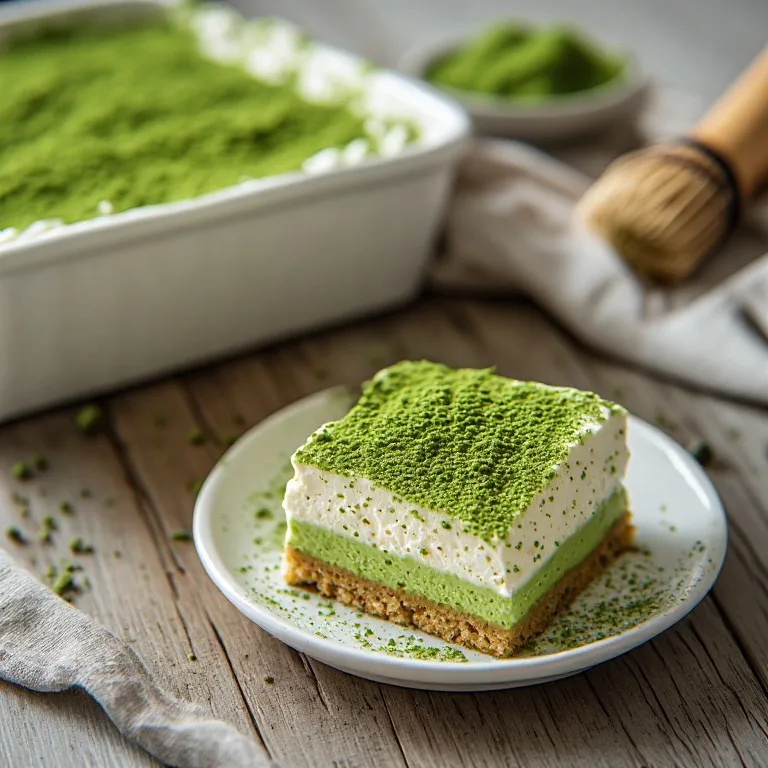
Matcha tiramisu is the no-espresso, no-egg version of the tiramisu trend that’s been dominating FoodTok throughout 2026 — matcha takes the place of the espresso soak, and a simple whipped-cream-and-mascarpone filling replaces the egg-heavy zabaione base. The result is lighter than classic tiramisu, vivid green, and tastes unmistakably of high-quality Japanese green tea layered with rich, barely-sweet mascarpone cream.
This version is the one that went viral: eggless, no double boiler, no thermometer. The active work is 20 minutes: dissolve the matcha, make the cream, dip and layer. The refrigerator does the rest overnight.
What Made This Go Viral
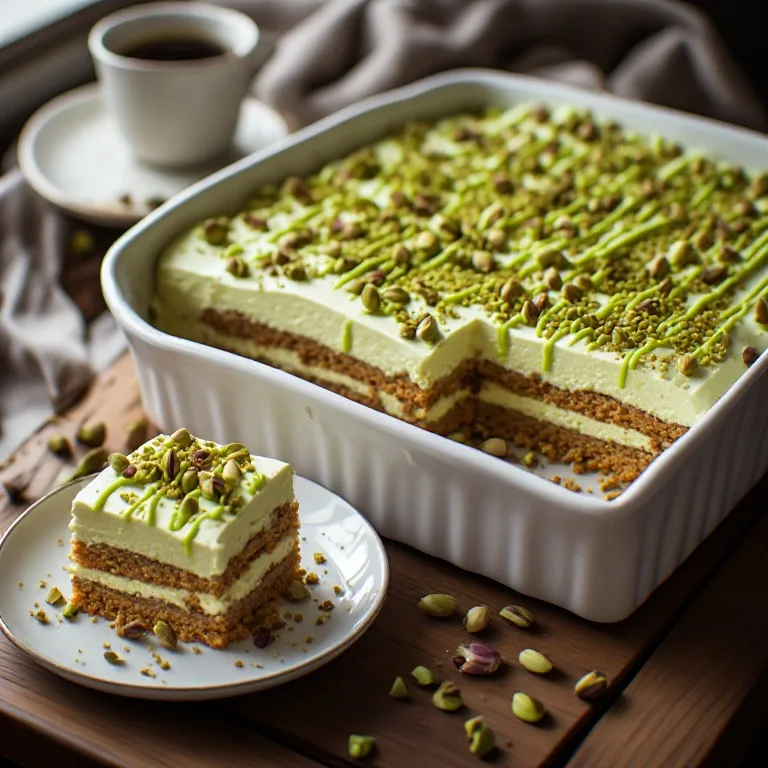
The matcha tiramisu moment on TikTok is part of the broader tiramisu-swap trend — same layered, no-bake format, seasonal flavor swaps replacing the espresso. Pistachio tiramisu took off first. Strawberry tiramisu owned late spring 2026. Matcha tiramisu emerged as the one that crosses over from TikTok to dinner parties: it looks genuinely striking (vivid green top, contrasting cream layers visible through the glass dish), requires no baking, and the flavors — bitter-grassy matcha against rich, lightly sweet mascarpone — are a combination that feels both unusual and immediately right.
The specific hook that drives shares: it works for people who don’t like coffee. Classic tiramisu is espresso-soaked by definition. Matcha tiramisu gives the same no-bake layered dessert experience to anyone who wants something lighter and less caffeinated, or who simply prefers green tea to coffee. Every viral version you see was assembled in under 25 minutes of active work.
The Matcha Soak — Why This Works as an Espresso Replacement
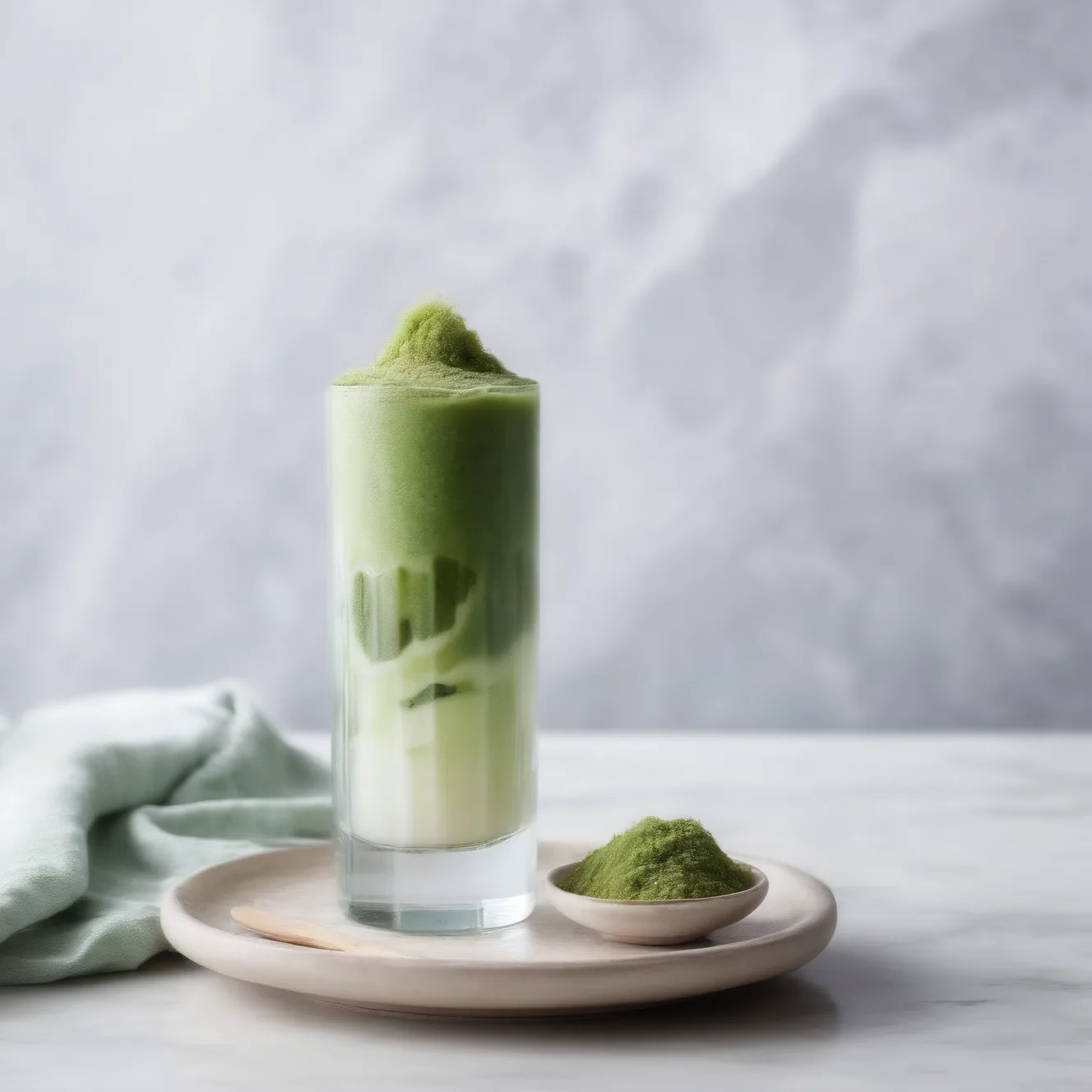
Classic tiramisu uses espresso because it’s concentrated, slightly bitter, and absorbs into ladyfingers in the 1–2 seconds they’re dipped — it adds flavor depth and cuts the richness of the mascarpone cream. The matcha soak does the same job: the 2 tablespoons of matcha dissolved in warm water creates a strong, concentrated tea with real depth of flavor and enough bitterness to balance the sweet, rich cream.
Two things matter more than anything else with the soak:
Temperature: Use 175°F water, not boiling. This is the standard temperature for preparing matcha tea, and it matters here too — boiling water (212°F) scalds the matcha, oxidizes its chlorophyll, kills the delicate grassy-sweet flavor, and makes the tea taste harsh and flat. A kettle with temperature control is ideal; otherwise, bring water to a boil and let it sit uncovered for 3–4 minutes to drop to the target range.
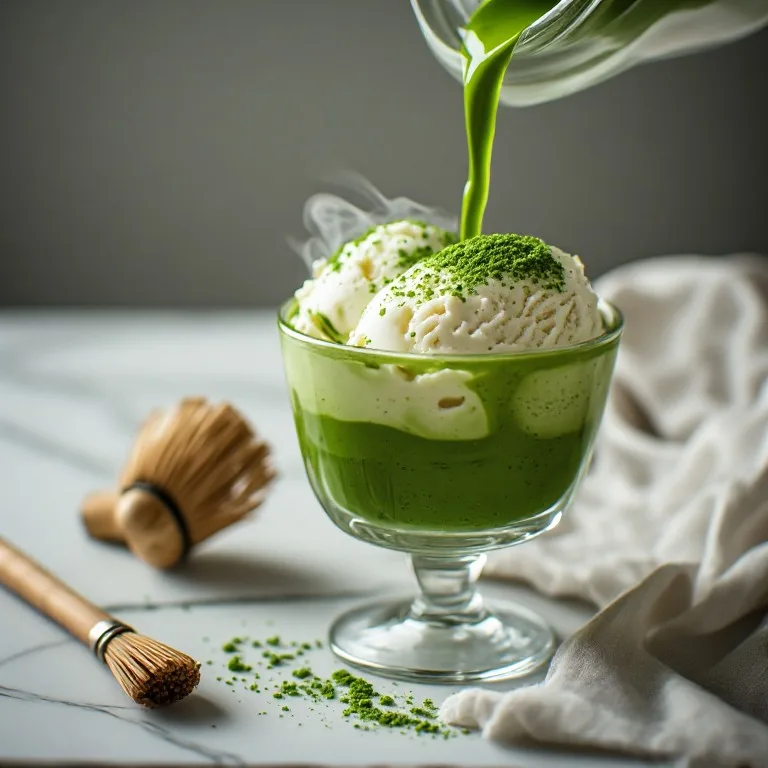
Paste technique: Don’t add all the water at once to the dry matcha powder. Instead, add just 2 tablespoons first and whisk vigorously in small, tight circles to form a completely smooth dark green paste before adding the rest of the liquid. Matcha lumps are very difficult to dissolve once the full volume of water is added — and lumps in the soak become green spots in the ladyfingers that look odd and taste raw. The two-step paste technique is how every traditional matcha preparation (tea ceremony through to modern café drinks) handles the powder, and it works the same way here.
The Matcha Quality Problem (And How to Avoid It)
The biggest reason home versions of matcha tiramisu look and taste disappointing: cheap matcha. There is a wide quality range in matcha available at US grocery stores, and the cheapest options produce a completely different dessert than what you see going viral.
What to look for: The powder should be very fine (no graininess between the fingers), a vivid electric green (not dull, olive, or yellowish), and smell distinctly grassy-sweet — not musty or hay-like. When dissolved in water, good matcha produces a deep, clear green. Bad matcha produces brown-green murk.
Grades: Ceremonial-grade matcha is the highest quality — made from the youngest, shadegrown leaves, stone-ground, meant for drinking as tea. It produces the best color and the cleanest flavor. Premium or high-grade culinary matcha (the next tier down) is a solid choice for baking and desserts at roughly half the price. Standard culinary matcha (common in budget grocery options) often tastes bitter and dull — fine for green tea cake batter where you’re tasting it against flour and butter, but not ideal here where the matcha flavor is front and center.
Reliable brands: Ippodo, Matchaful, Encha, Jade Leaf, DoMatcha. Whole Foods 365 culinary matcha is a reasonable budget option. Buy from stores with high turnover — oxidized matcha that’s been sitting on the shelf for months will have lost its color and much of its flavor regardless of original quality.
Making the Mascarpone Cream Correctly
The mascarpone cream has one hard rule: stop as soon as it’s combined. Mascarpone has a very high fat content (typically 40–44%) that makes it stable when gently folded but prone to breaking when overworked. A broken mascarpone cream looks grainy, develops a watery separation at the bottom of the bowl, and cannot be rescued — the fat has permanently separated.
What this means in practice:
- When mixing the mascarpone with powdered sugar and vanilla, use a spatula and fold for 20–30 seconds until smooth. Stop.
- When folding in the whipped cream, use slow, deliberate strokes — spatula under the mixture, across the bottom, up the far side, over the top. Three additions. Stop the moment no white streaks remain.
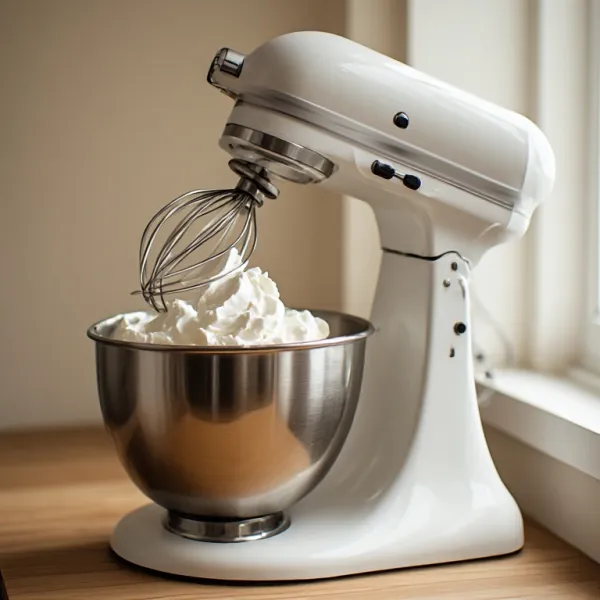
- Never use a stand mixer on high speed for the mascarpone portion. A gentle hand mixer at low speed for a few seconds, or hand-folding, are both correct. High-speed beating is not.
The finished cream should be airy, lightly fluffy, and pale ivory. It should hold its shape when dolloped but not be stiff. If it looks right at this point, refrigerate it and don’t go back and stir it — leave it alone until assembly.
Ladyfinger Dipping: The 1–2 Second Rule
Savoiardi ladyfingers are engineered to absorb liquid fast — they’re a dry, porous sponge cake biscuit. This means the difference between perfectly soaked and destroyed is a matter of seconds. The rule: 1 second per side, 2 seconds total. At that mark, the ladyfinger has absorbed visible color throughout but still holds its shape and can be transferred without bending. At 3 seconds per side, you’re pulling out mush.
The matcha soak must be fully cooled before dipping — warm or hot liquid makes the absorption even faster and the ladyfingers fall apart. If you’ve just made the soak and are in a hurry, set the bowl in an ice bath and whisk for 2 minutes.
One practical note: the first few ladyfingers will turn a vivid dark green; as more ladyfingers absorb from the soak the color lightens slightly. This is normal and doesn’t affect flavor.
Overnight vs. Same-Day
Same day (4-hour minimum): The layers are set and sliceable. The ladyfinger centers may still be slightly firm. The matcha flavor is present but forward and a little sharp.
Overnight (8–12 hours): The ladyfingers have fully softened into a tender, cake-like layer throughout. The matcha has bloomed through the cream in both directions — the flavor has rounded, deepened, and integrated with the mascarpone. Every bite is cohesive rather than layered. This is when the dessert is at its best, and it’s why every recipe recommendation says overnight.
Make-ahead: This is one of the best make-ahead dinner party desserts precisely because the overnight chill is an improvement. Assemble the night before, cover, and pull it straight from the refrigerator when needed. Dust the final matcha layer fresh just before serving if you want the most vivid green color on top.