


Viral TikTok Mayak Eggs — Korean Soy-Marinated “Drug Eggs” at Home
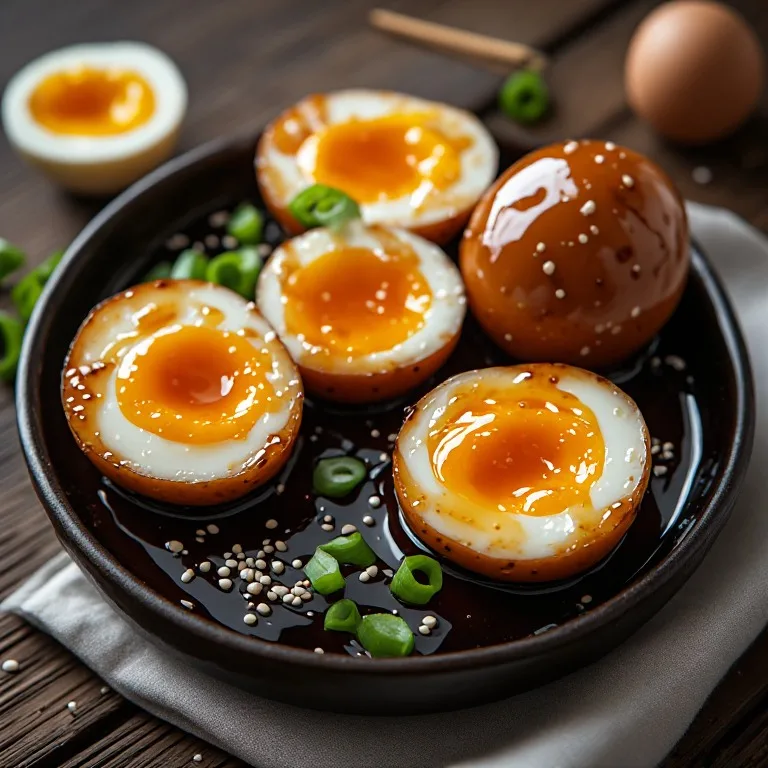
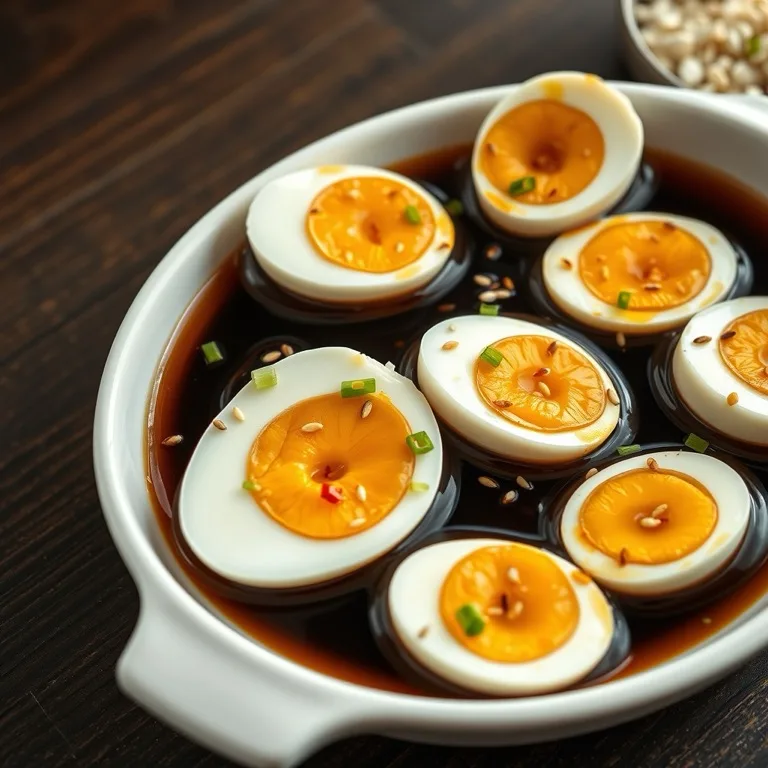
Mayak eggs are called drug eggs for a reason: the Korean word “mayak” (마약) means narcotic, and these soft-boiled eggs — marinated overnight in soy sauce, honey, sesame oil, gochugaru chili flakes, and raw garlic — are genuinely impossible to stop eating. The egg white absorbs every flavor in the marinade while the yolk stays jammy and barely set in the center. They’ve been a Korean home-cooking staple for generations, and they went massively viral on TikTok in 2024–2025 as the rest of the world caught up.
The entire process takes about 20 minutes of active work, then a hands-off overnight rest in the fridge. Total ingredient cost for 8 eggs: under $5.
Why the yolk texture is everything
Mayak eggs are not hard-boiled eggs in soy sauce. The whole point is the contrast: fully flavored, slightly firm egg white with a yolk that’s just past runny — fudgy, custardy, almost molten in the center. That texture only happens at 6½ minutes. One minute less and the center is too liquid; one minute more and the yolk is dry. The marinade can do the rest of the work overnight, but it can’t fix an overcooked yolk.
The same rule applies to the ice bath: it’s not optional. Eggs sitting at room temperature continue cooking in their own heat for 3 to 4 minutes after leaving the boiling water. That’s the difference between jammy and fully set. Drop them in ice water the moment the timer goes off.
The marinade is a template, not a formula
The ratios here — soy, honey, sesame oil, gochugaru, garlic — are the classic Korean mayak egg baseline, but they’re adjustable. More honey makes it sweeter and more balanced (some cooks go up to 4 tablespoons). More gochugaru increases the heat and color. Adding a tablespoon of fish sauce deepens the savory note significantly. The marinade is also reusable: after your first batch, strain it and use it for a second batch of eggs within 3 days.
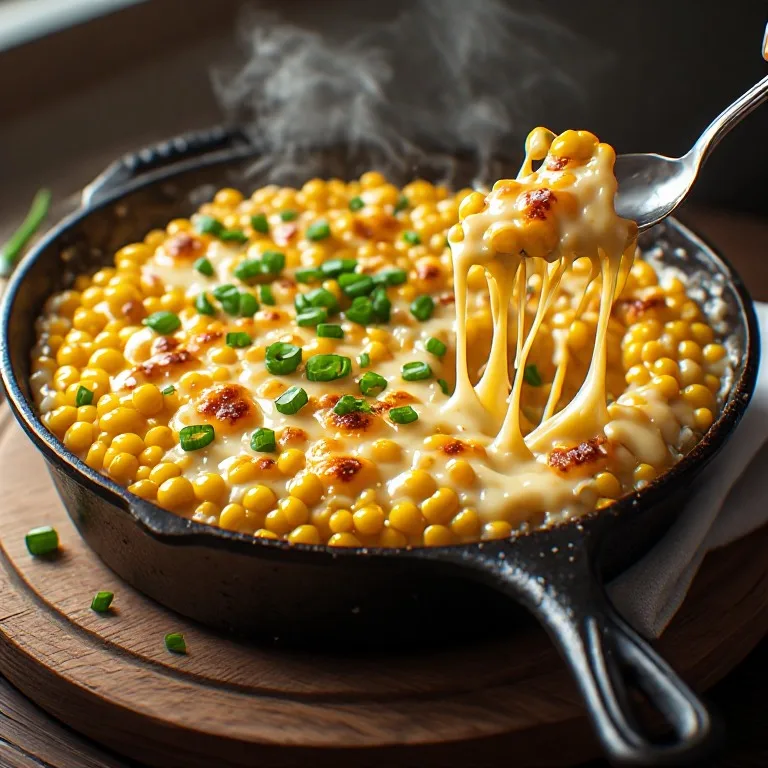
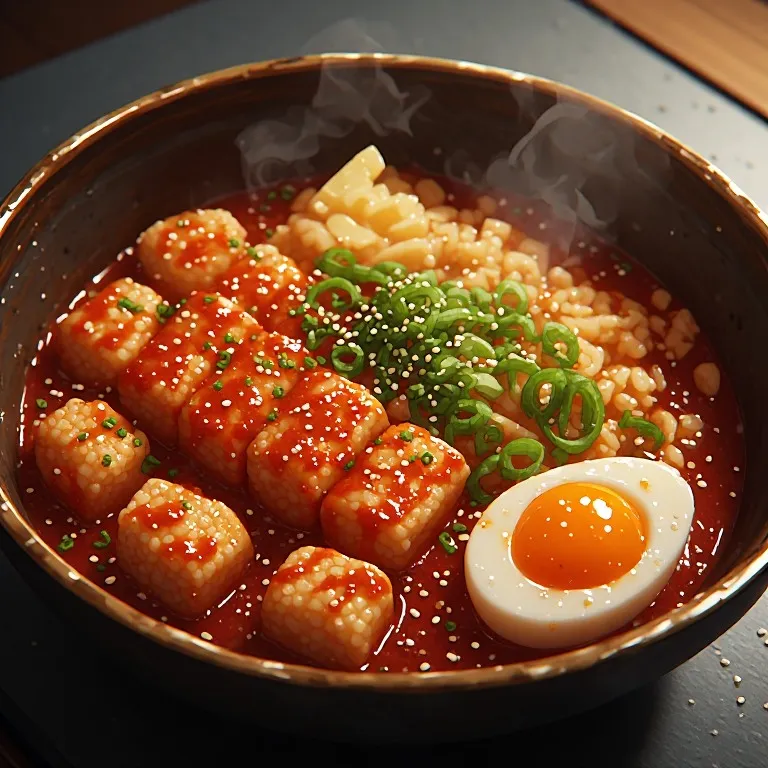
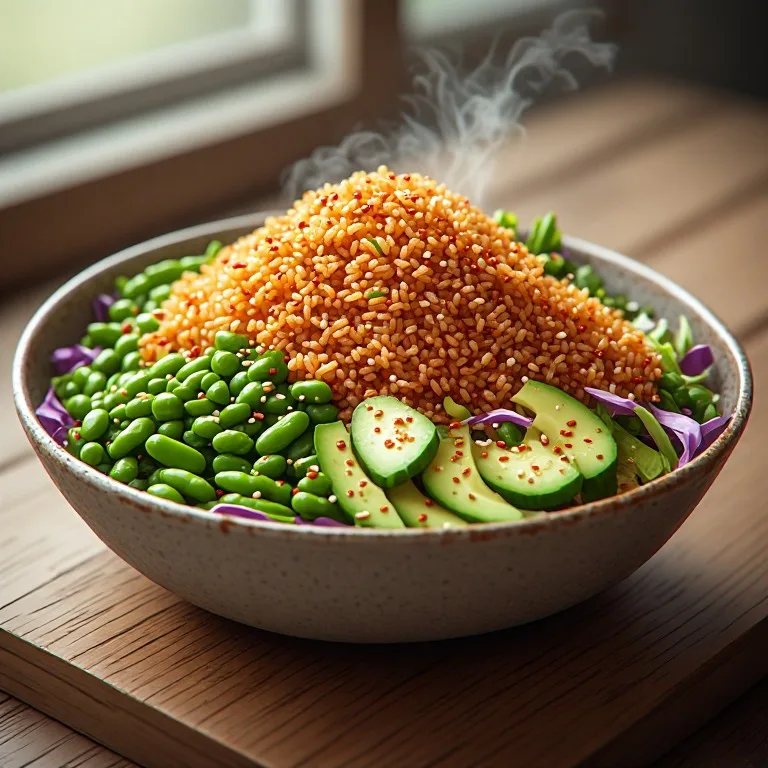
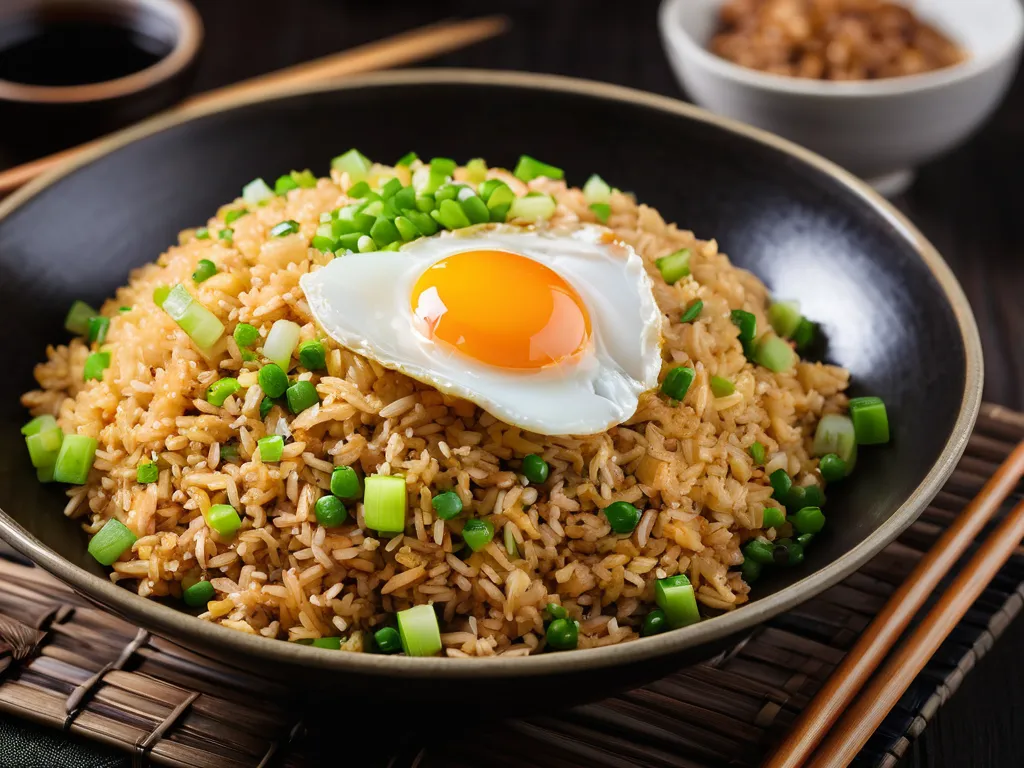
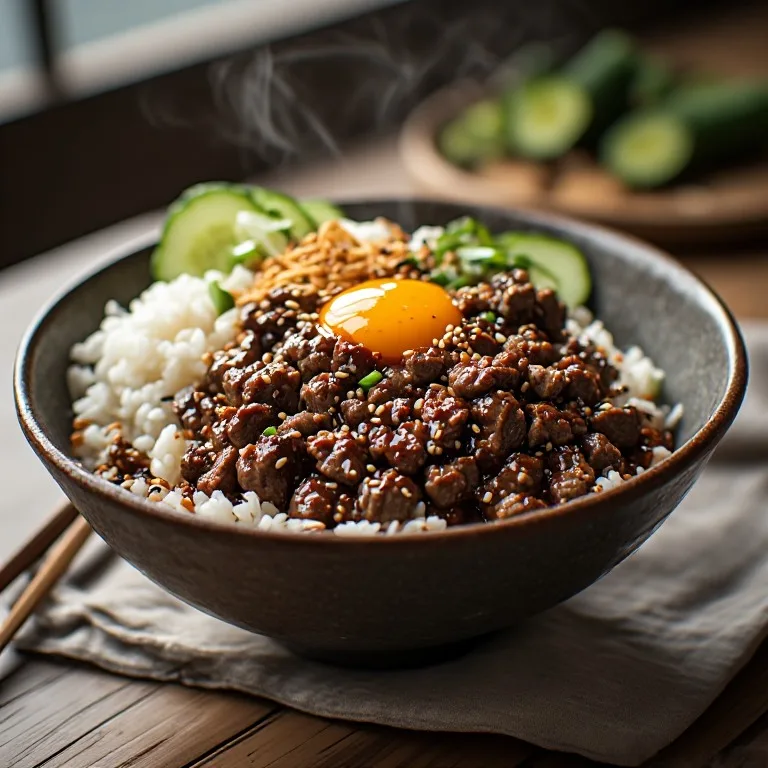
For related Korean home cooking that pairs well with mayak eggs, see Korean corn cheese for a side dish, or tteokbokki for the full Korean comfort-food spread. If you want to compare mayak eggs to the Japanese soy-sauce-egg tradition, see the Momofuku-style soy sauce eggs recipe for the differences. Serve alongside crispy rice salad or use the extra eggs to top egg fried rice.