

Meatball Sub — Braised Beef & Pork, Sunday Sauce, Melted Provolone
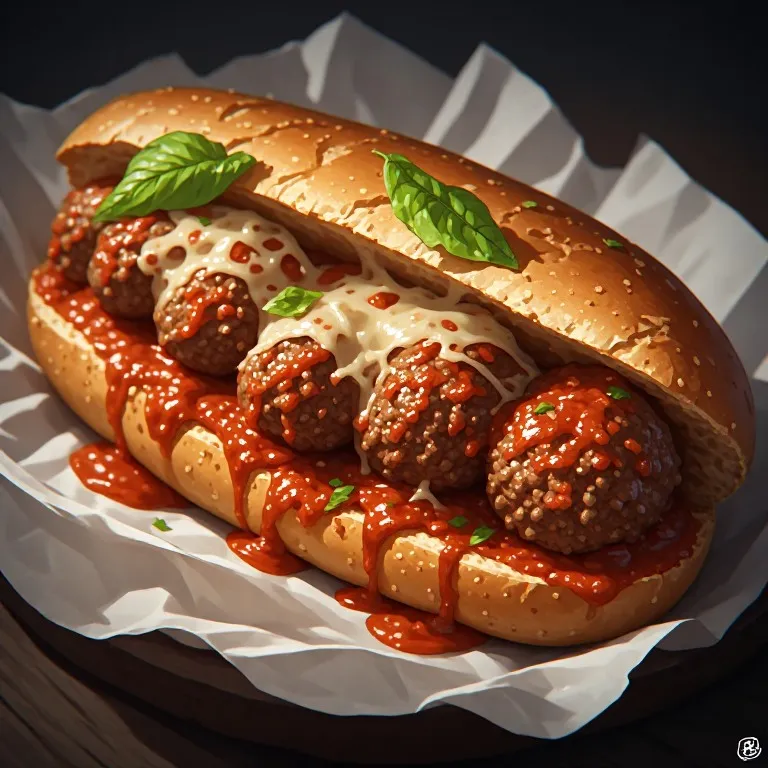
The meatball sub has been feeding people for decades, but TikTok’s sandwich-tok era brought it back into the cultural conversation. The reason is simple: a properly built meatball sub, with three juicy meatballs and melted bubbling cheese photographed from above, is one of the most visually satisfying food images that exists. The broiler shot — cheese just past the point of melt, speckled brown, sauce pooling around the edges — gets saved and shared instinctively.
Why Sunday Sauce Makes the Difference
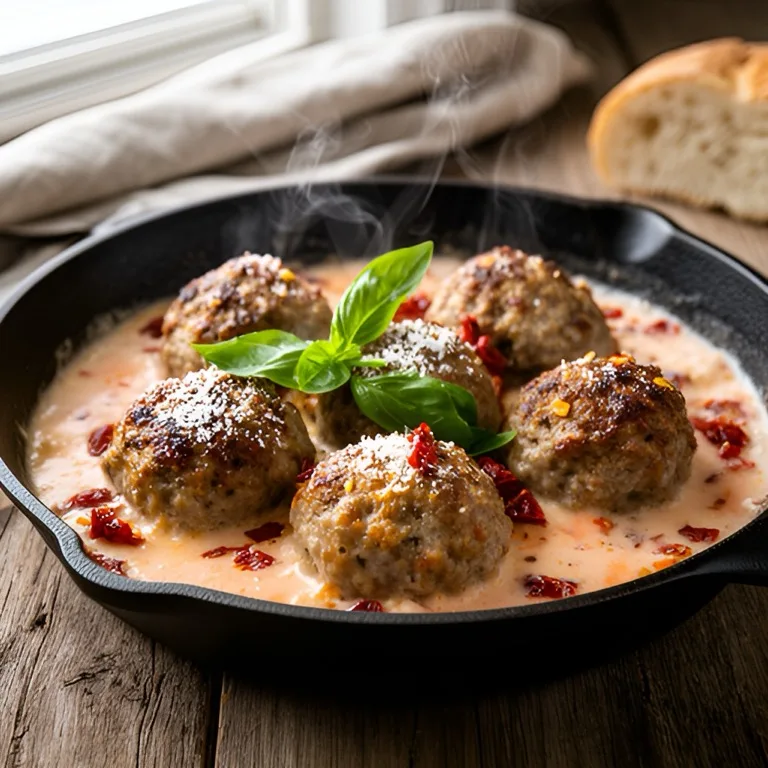
A meatball sub is only as good as its sauce. The shortcut path is to brown meatballs in a skillet and pour jarred marinara over them. It works, but it’s a different sandwich. The technique that makes this version viral-worthy is braising: browning the meatballs first for crust, then simmering them directly in the tomato sauce for 25-30 minutes. The meatballs finish cooking inside the sauce and release their fat and seasoning into it. The sauce, in return, penetrates the meatball. This is the Sunday sauce principle — long, low, and combined.
San Marzano tomatoes are the correct call here. Their lower acidity and sweeter profile means the sauce doesn’t need sugar to balance, just seasoning. DOP-certified cans are worth the extra dollar.
The Panade: Why Meatballs Stay Juicy
Most home cooks skip the panade — the mixture of breadcrumbs and milk soaked before adding to the meat. This step is what keeps meatballs from becoming dense, rubbery spheres. The hydrated breadcrumb adds moisture and acts as a binder that doesn’t tighten under heat the way straight meat does. It’s the same technique used by Italian-American grandmothers for a reason.
Mix gently. Overworking ground meat activates the myosin proteins in the muscle fibers and creates a tight, springy texture that turns tough when cooked. Use your hands, fold rather than squeeze, and stop when it’s just combined.
Toasting the Roll Is Not Optional
An untoasted hoagie roll will be completely saturated in tomato sauce within 90 seconds of assembly. Buttering and toasting the cut sides creates a moisture barrier — a caramelized crust that delays absorption and keeps the sandwich structural long enough to eat. Brush generously with butter (not dry toast) and go cut-side down in a skillet or under the broiler until golden.
Building and Broiling
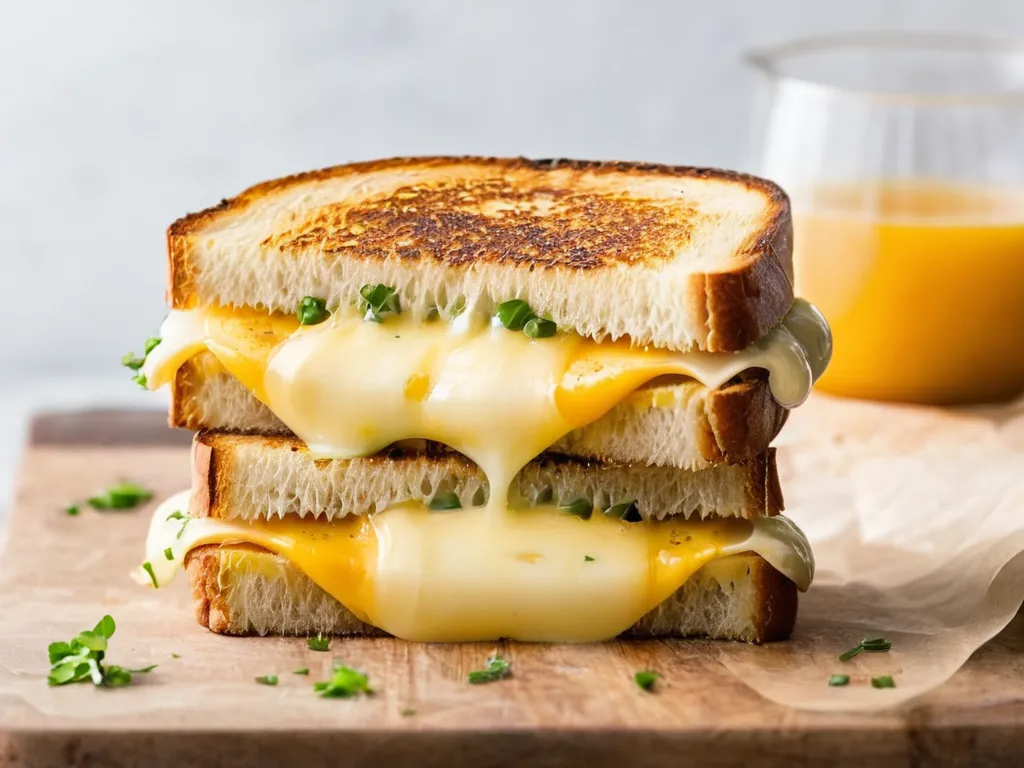
The correct order: sauce on the bread first (thin layer), three meatballs, more sauce spooned over the meatballs, then provolone laid across the top and the whole open-face sandwich slid under the broiler for exactly 2 minutes. You want the cheese to melt fully, just begin to bubble, and develop a few brown spots. Any less and it’s plasticky; any more and it turns leathery.
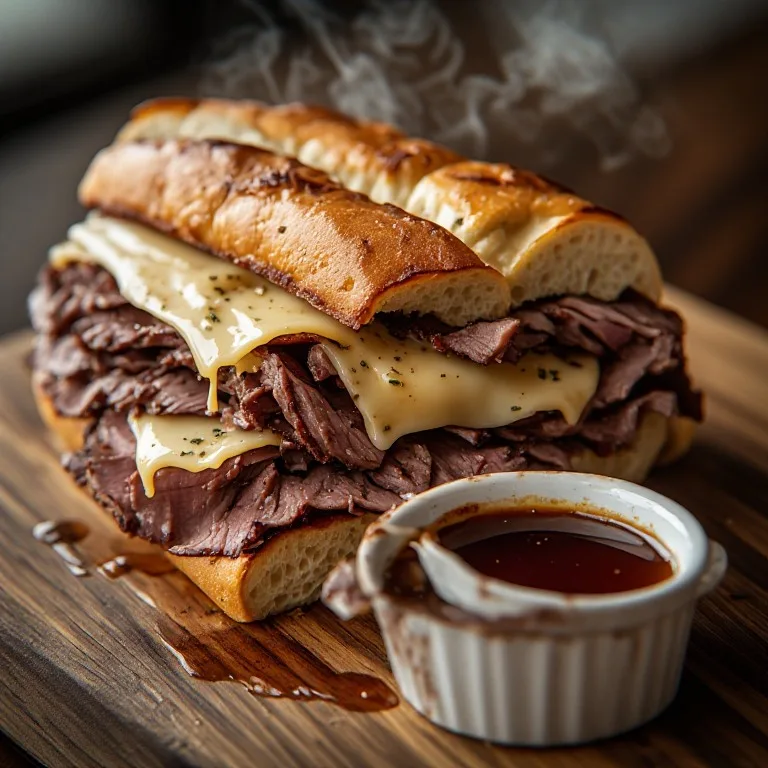
Serve with extra sauce in a small bowl for dipping — this is not optional if you want the full experience.
Variations
The Spicy Arrabbiata Version: Add 1/2 tsp crushed red pepper to the sauce and sub spicy Italian pork sausage for half the ground pork in the meatball mix. Finish with fresh basil instead of parsley.
The Chicken Meatball Sub: Ground chicken meatballs with lemon zest, fresh thyme, and ricotta in place of the panade. The sauce stays the same but the meatball is lighter and has a cleaner flavor — a completely different sandwich that still hits every note.
The Baked Party Sub: Roll out a large piece of pizza dough, lay it flat, cover with meatballs and sauce, roll into a log, brush with egg wash, bake at 400°F for 25 minutes. Slice into sections. This is the version that goes viral every Super Bowl season.